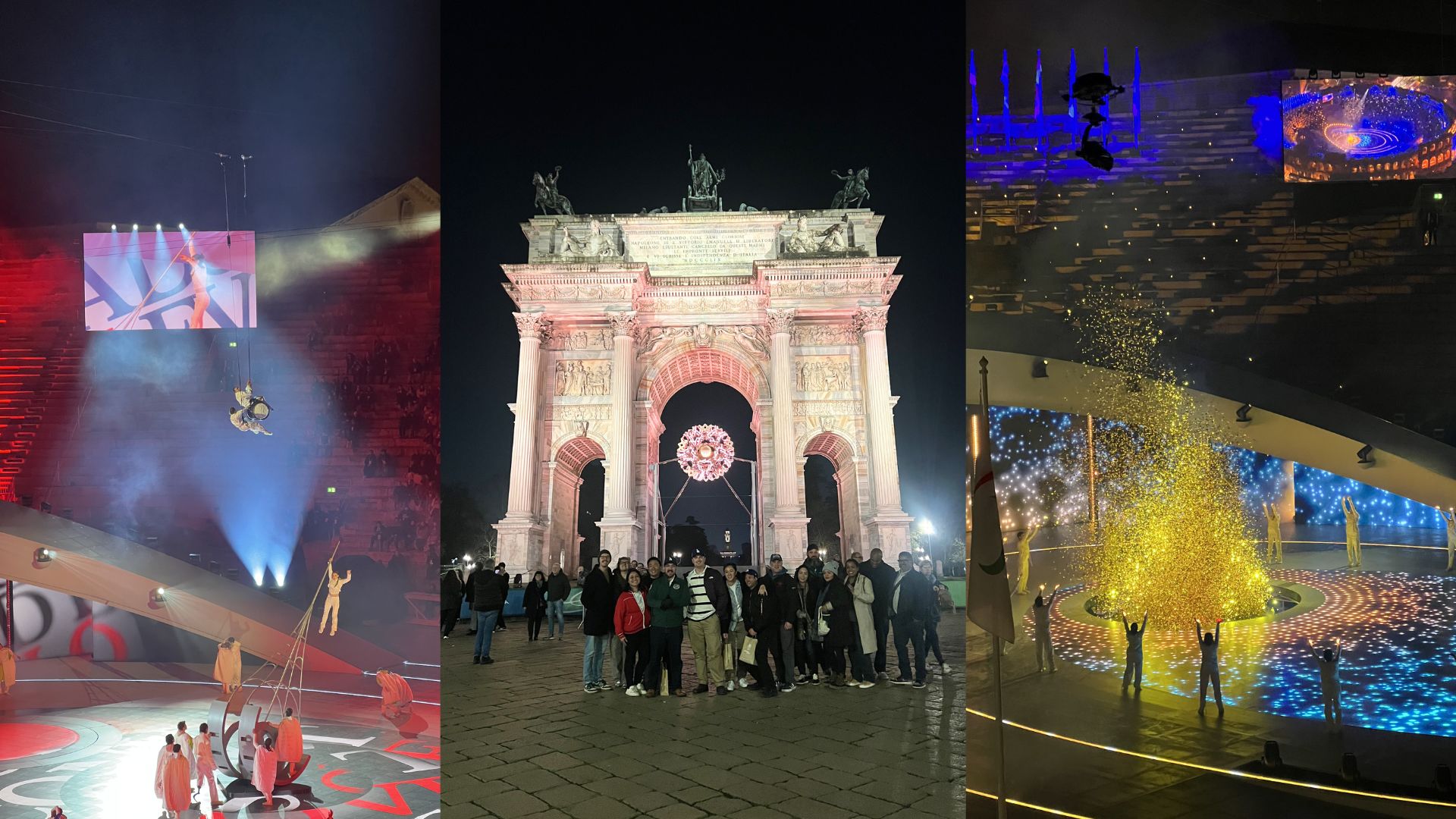
John Kerr and Peyton Johnson, David Bohnett Fellows at UCLA Luskin, traveled to Milan for the 2026 Winter Paralympics and on to Paris for high-level planning sessions. They gained a front-row look at how international events are planned, executed and organized with accessibility in mind.
The trip, made possible through UCLA Luskin’s partnership with the David Bohnett Foundation, offered Kerr, a master of urban and regional planning student, and Johnson, a master of social welfare student, a front-row perspective on the challenges and processes involved in organizing Olympic and Paralympic Games.
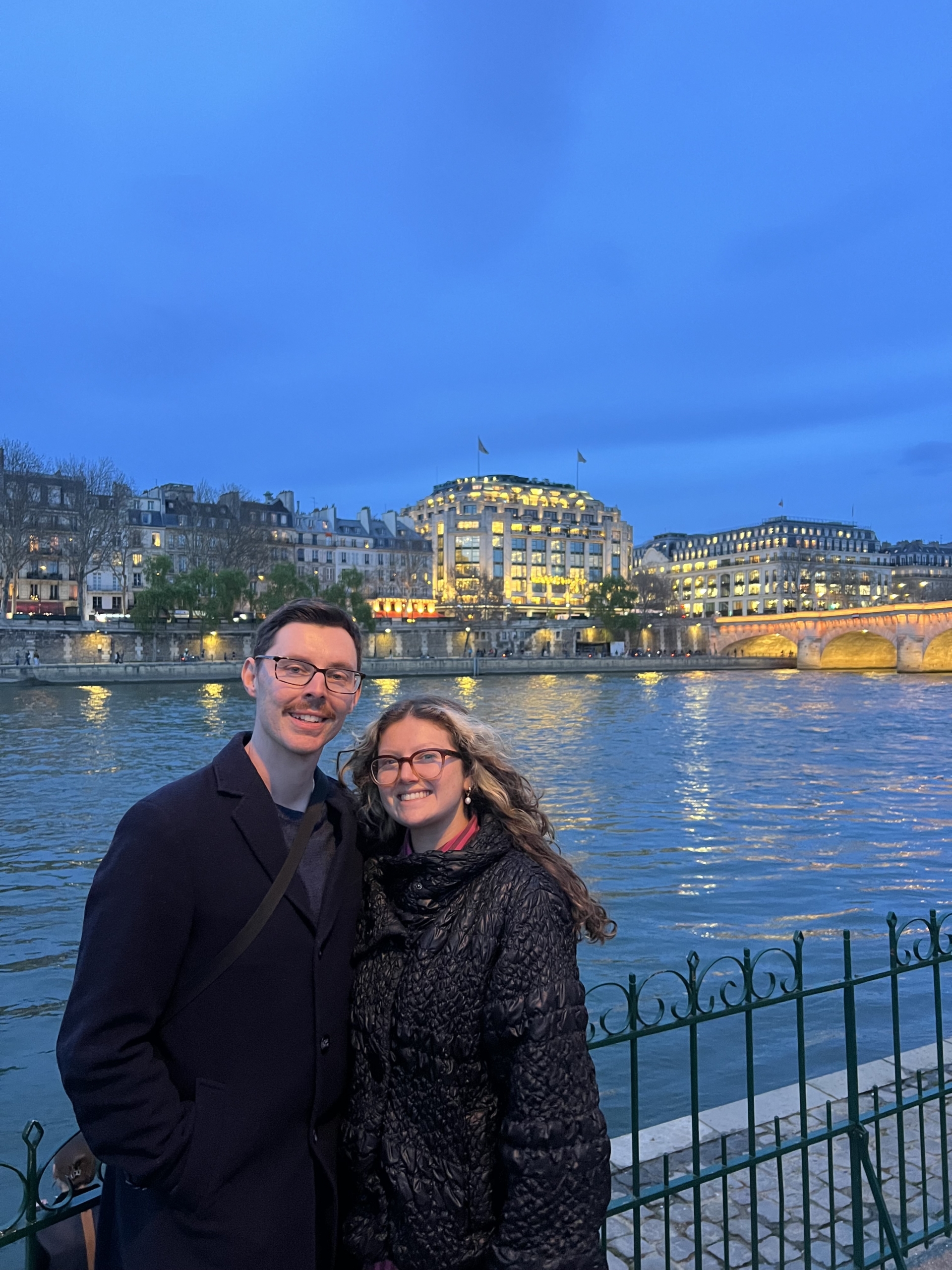
John Kerr (left) and Peyton Johnson (right) stand in front of Seine River in Paris, France.
In Milan, the fellows participated in intensive sessions with city officials and the Milano Cortina Organizing Committee (MiCo OCOG), focusing on the Cultural Olympiad — the programming surrounding athletic competitions — and the logistics required to deliver an inclusive and equitable experience for athletes, spectators, and community members alike.
After Milan, the fellows continued to Paris, where they studied post-Games planning and accessibility efforts following the 2024 Summer Olympics.
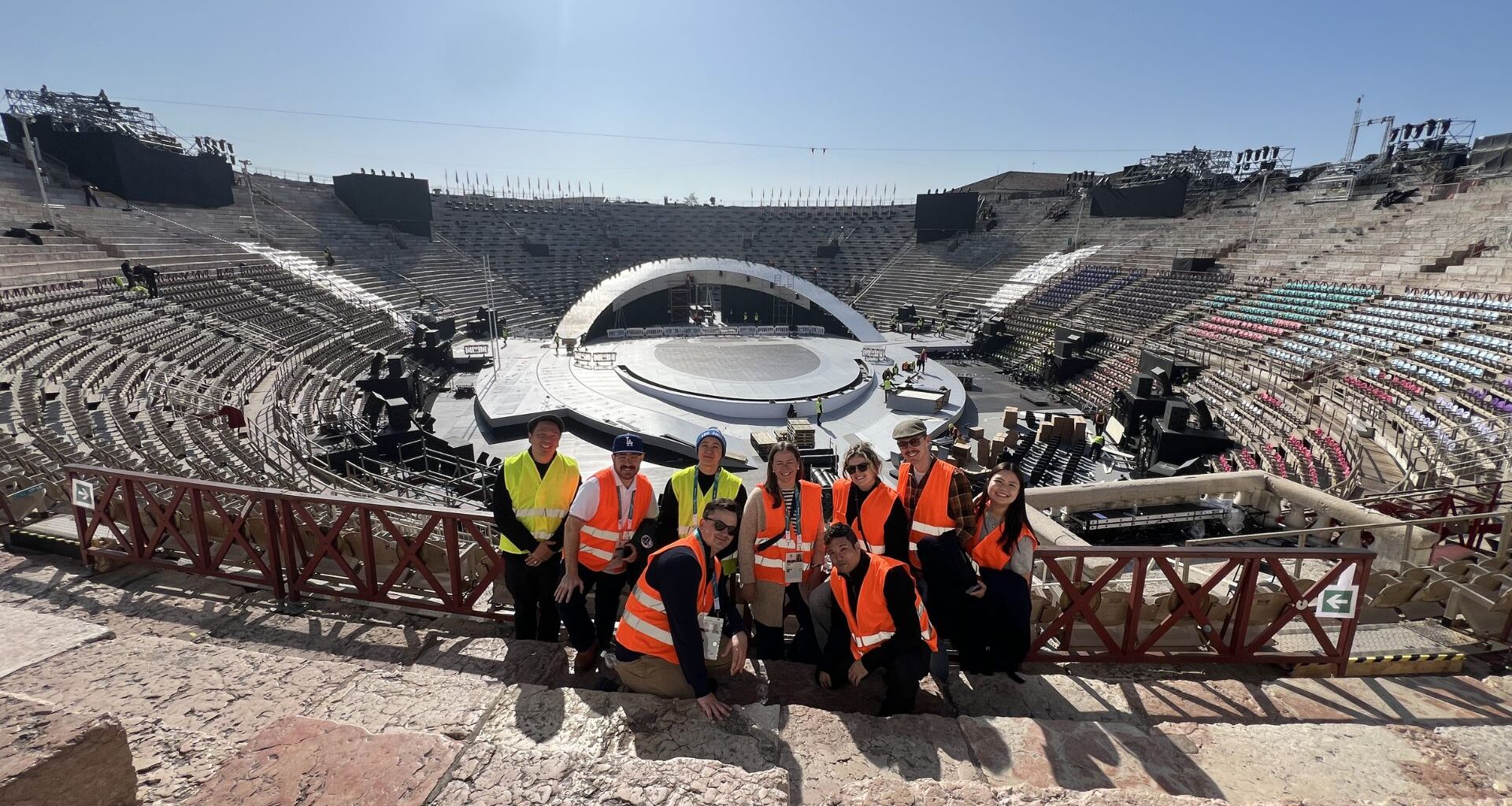
Team members from the Office of Major Events visited the historic Verona Arena, site of the Paralympic Opening Ceremony, for an accessibility tour. They saw improvements designed to make the 1st-century coliseum more accessible for people with disabilities, including the installation of its first elevator — all while preserving the venue’s iconic architecture. The fellows also observed how MiCo26 organizers transformed the space for a spectacular Opening Ceremony featuring more than 600 athletes from 55 nations and artistic performances that highlighted the unifying power of sport.
“Standing in a 2,000-year-old stadium, built by the Romans, and seeing how it was being updated to become accessible to people with different mobility needs showed me that positive transformation is possible anywhere and everywhere,” Kerr said. “Accessibility is a challenge and must be at the forefront of how we plan for the 2028 Games.”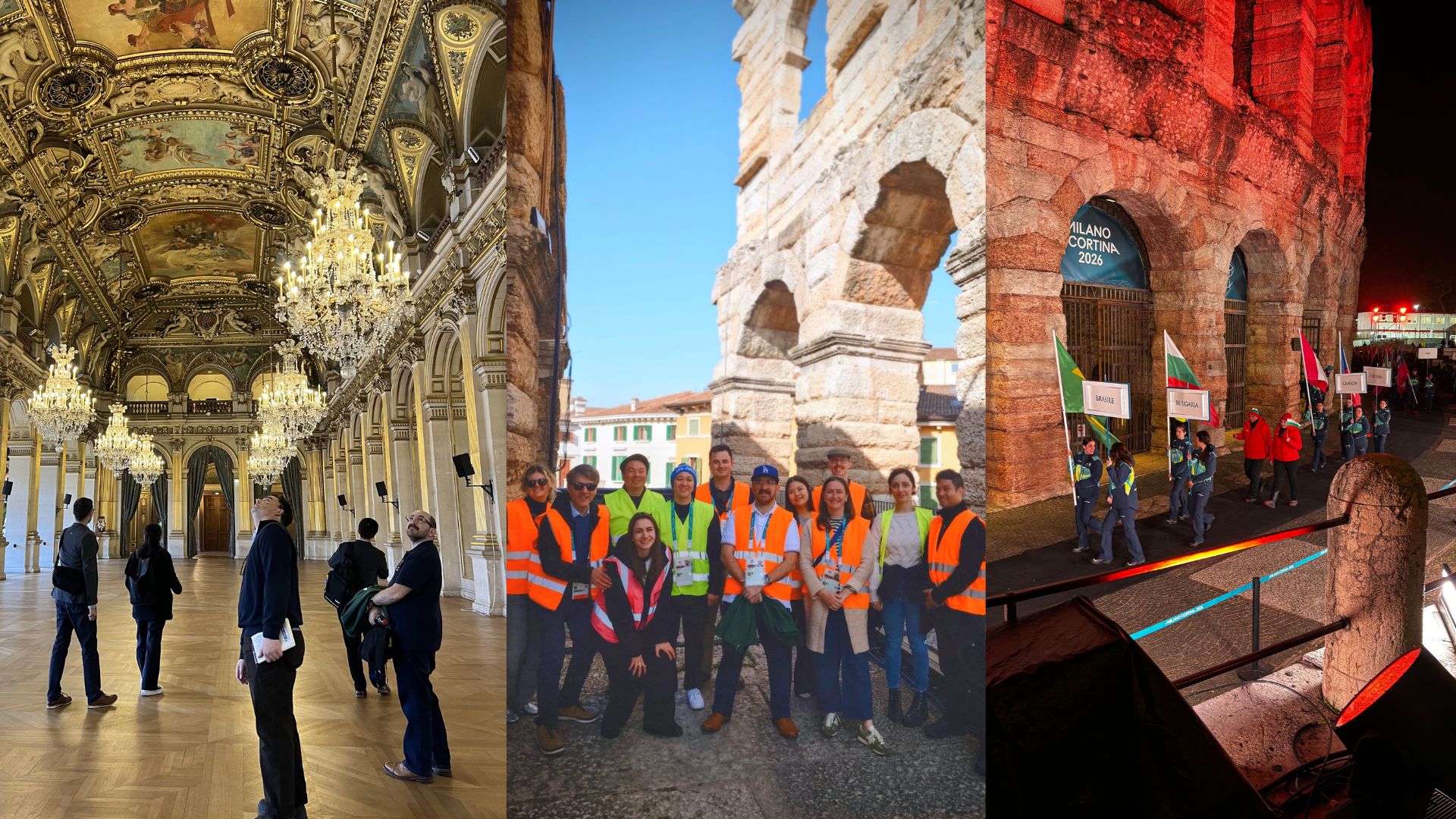
For Kerr, the experience also underscored the complexity and flexibility required to host global events.
“The Olympic and Paralympic Games are totally unique, and despite being a regular occurrence every four years, the production of the Games is basically built from the ground up each time,” he said. “The approach of each host city also varies considerably… Los Angeles doesn’t need to strive to replicate the experience of prior hosts, it’s really up to us to define the experience for ourselves.”
That lesson was reinforced through direct conversations with planners abroad.
“Talking with urban planners in Milan and Paris, I was actually really struck by how much unites us,” Kerr said. “We shared a common goal of improving our cities bit by bit, day after day, for the betterment of our communities.”
Observing the Paralympics firsthand gave both fellows a deeper understanding of how infrastructure, policy and design intersect to shape equitable experiences.
Johnson noted in particular how cities can leverage major events to drive long-term change.
“Observing the MiCo26 Winter Games while they were happening and visiting Paris two years after hosting the Paris24 Summer Games illuminated the opportunity for meaningful change sparked by major sporting events,” she said.
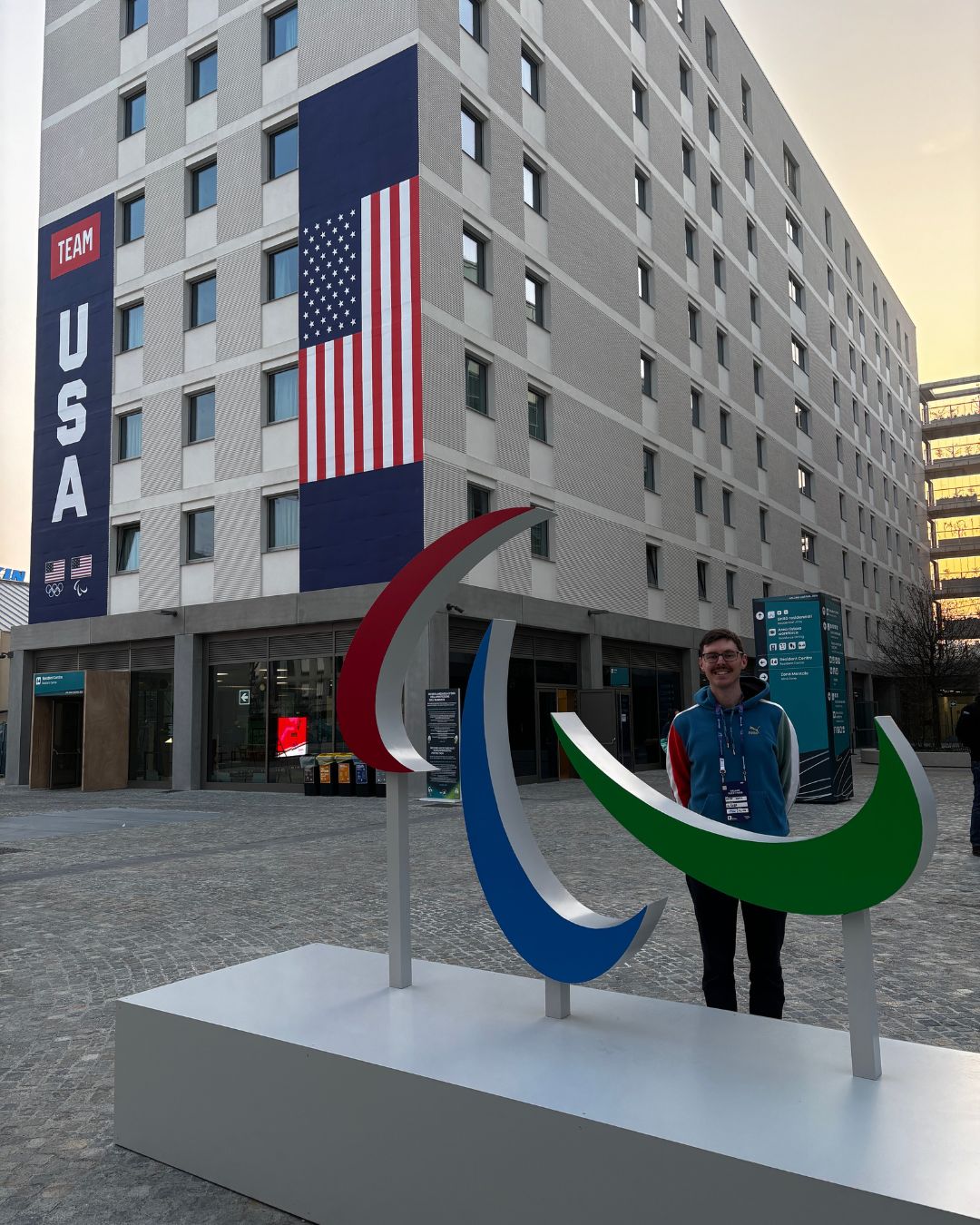
MURP and Bohnett Fellow, John Kerr, on a tour of the Paralympic Village in Milan, Italy.
In Milan, she noted, investments in transit and cultural institutions prioritized accessibility, while Paris has continued to redesign neighborhoods to ensure inclusive public spaces.
“From cultural institutions to public works to sport organizations, both Paris24 and MiCo26 turned a one-time global event into a legacy of accessibility and inclusion that will continue to benefit citizens for generations,” Johnson said.
As Bohnett Fellows in the Mayor’s Office of Major Events, both students are uniquely positioned to translate these global lessons into local impact. The fellowship, established in 2007, provides outstanding UCLA Luskin graduate students with hands-on experience in city government, placing them in high-level roles where they contribute to pressing urban challenges.
For Johnson, the trip reinforced the broader mission behind Los Angeles’ preparations for the 2028 Games.
“The LA28 Games present Los Angeles with the opportunity of a lifetime to advance equity throughout the city and reimagine our governing systems,” she said. “Hosting the Olympic and Paralympic Games is no small task, but returning to the guiding principles of accessibility and equity always motivate the work.”