
It’s rough out there for mobile app developers. The Play Store is filled with millions of apps to compete with, and most of them are free. Yet, even with so many free apps to choose from, I gladly pay for many of my favorites, and I enjoy my phone much more as a result.
I’ll happily pay to get rid of ads
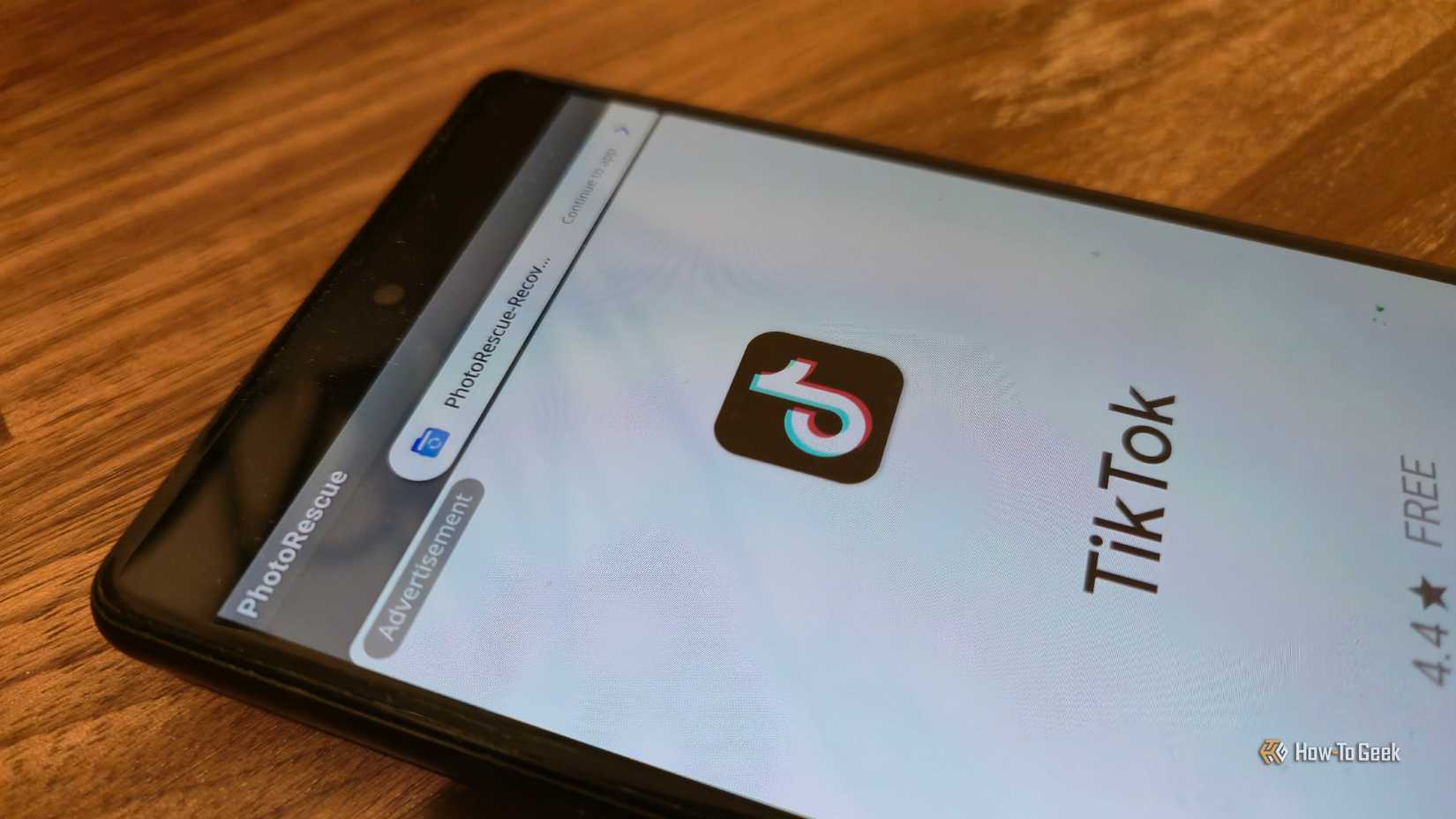
Ads in apps are far too intrusive
Credit: Bertel King / How-To Geek
Creating software isn’t free. Someone has to give their time to create the software we love, and they deserve to be compensated for their work. On phones and tablets, many turn to ads as the most promising way to make a profit.
I get it, but as a user, I’ve never seen an implementation of ads that I didn’t find too intrusive. I’m not putting up with banner ads at the top or bottom of an app. They’re a barely tolerable necessary evil on the web, where websites replicate the ad-supported designs of newspapers. Software is a different story. I’m not letting an ad occupy space on any interface I need to regularly interact with.
Pop-up video ads are even worse. I don’t understand how anyone can sit through ten seconds of an ad before exporting a document or converting an MP3. Even when I was a broke teenager without access to a credit card, I would have considered this unacceptable and sought out another option, which is how I discovered the wide world of free and open source software. Many mobile ads today just feel brazenly user-hostile, designed to be as maximally annoying as people are willing to accept.
If an app I want has the option to pay to remove ads, I do so right away, even if I gain no additional features in the process.
Paying often delivers features I’ve come to love
There are many paid apps I wouldn’t want to do without
Most paid apps come with a free version. Some are trials, while others are permanently free but lack certain features. I tend to trust these apps, since they are upfront about their business model. Many require payment to deliver the features I care most about, and I’m happy to pay to get that functionality.
Consider PenCake, the app I’m writing these words in, using an S Pen on my Samsung Galaxy Z Fold 6. Most of the functionality is available for free, but I need the premium version to sync my entries automatically. Since I’m a writer, making sure I don’t lose anything I’ve written if the app crashes or my phone dies is a vitally important feature that’s well worth a few bucks.
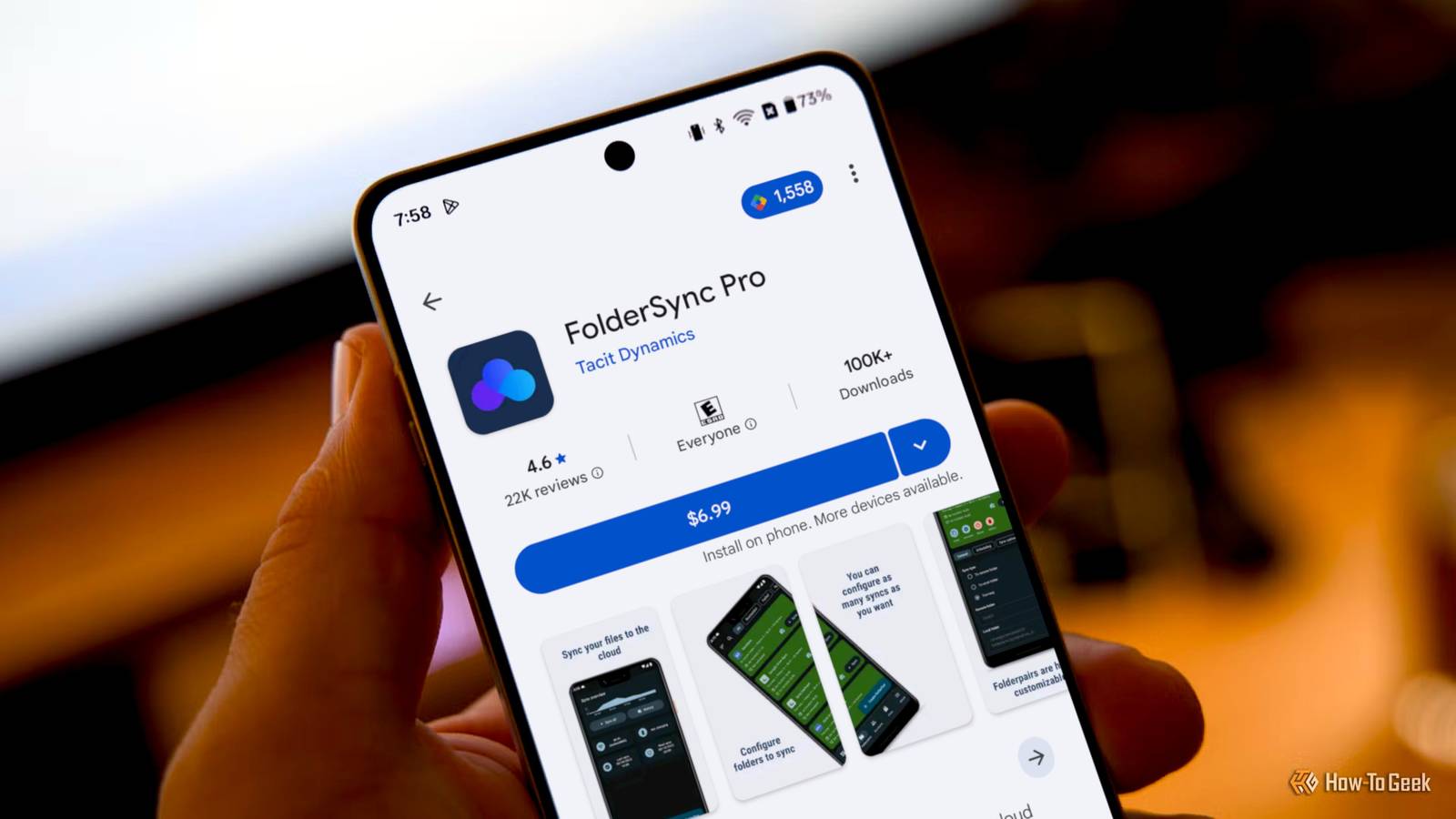
The same is true of the image editing software I use quite regularly for my job. I paid for Screen Master in order to have an app that draws red arrows and stitches together screenshots. Paying for FolderSync allows me to sync as many folders as I want whenever I connect my phone to an external SSD. MobiOffice is a fully functional office suite, or at least functional enough to do anything I need done that I can’t already do in Samsung Notes.
I want better apps to come to Android
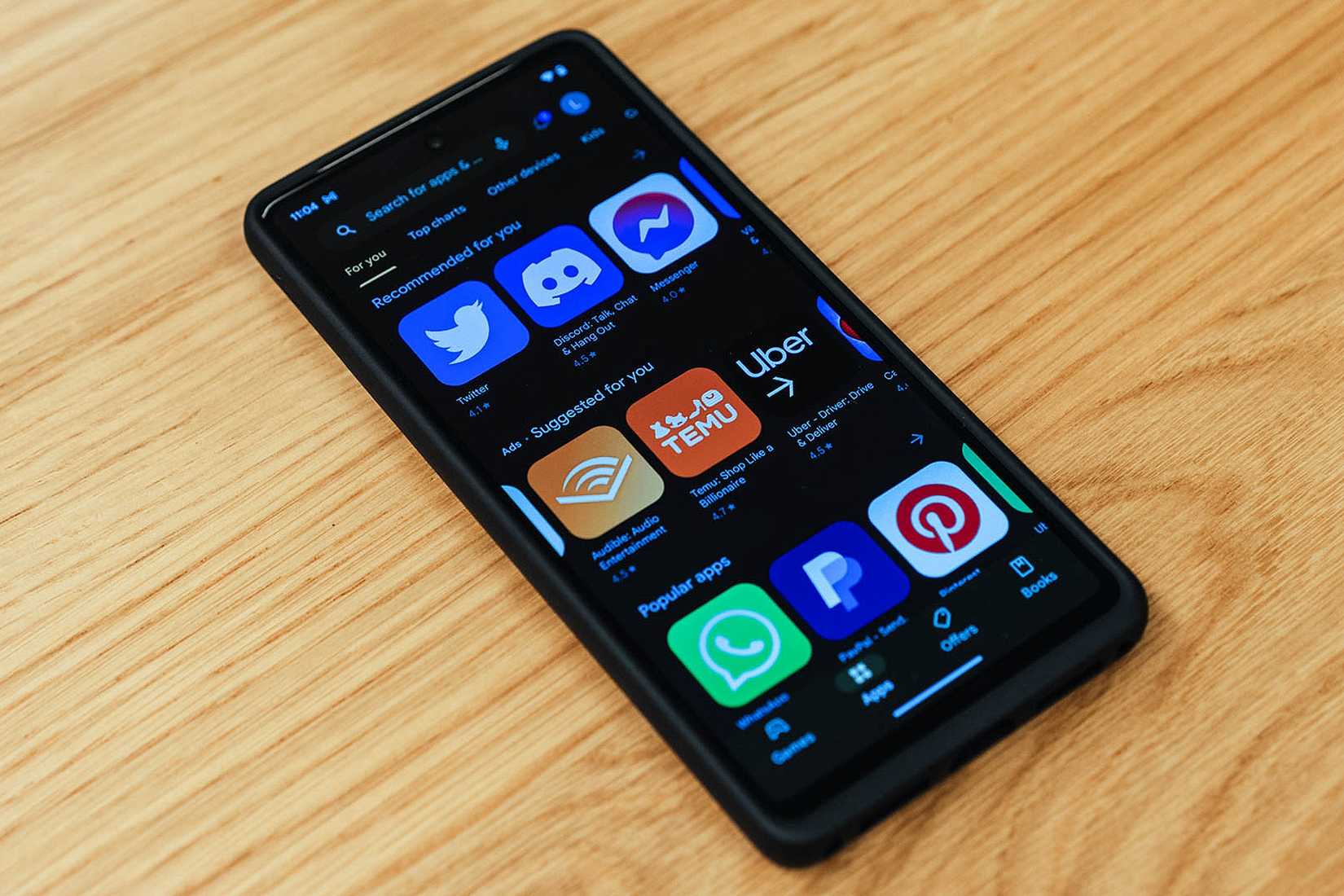
The Play Store could be a much more interesting place
Credit: Jason Montoya / How-To Geek
I prefer Android to iOS and always have, but it’s a simple fact that the Apple App Store has a more vibrant app marketplace. Part of this stems from how much easier it is to develop apps for a single line of phones than the wide variation that Android phones come in. Part of this also has to do with the reality that iPhone users are more accustomed to paying for apps. These two things taken together mean a developer can release an app for iPhones with less of a time commitment while also making more money.
I want more well-designed, highly polished, and innovative apps to come to Android. For that to happen, developers need to be able to expect that they can make a living from targeting Android. That means more of us have to show that we’re willing to buy those apps when they come. Opening up the Play Store home page could reveal so much more than the mega-popular cross-platform brands that currently fill that space. I want more apps like Niagara Launcher that really show the passion the developers put into crafting a piece of software specifically for Android.
Android apps are amazing deals
You can get a lot done from an Android device for not much money
Android apps are a relative bargain compared to desktop software. Adobe currently wants over $455 per year for the desktop version of Lightroom, whereas the Android version only costs $49 for the same amount of time. I can save even more money by going for an alternative like Photo Studio Pro, which would cost me a single payment of $50 if it weren’t part of my Google Play Pass subscription. $50 may feel like a lot for a mobile app, but it’s a great deal for software that I use to edit the images I upload online. Most of the time, that is just a simple crop, but the app makes easy work of more complex tasks as well.
Since I use Samsung DeX, mobile apps are desktop apps for me. The same is true for anyone downloading apps from the Play Store on their Chromebook. Comparatively, this is a much cheaper way to compute once you adjust your expectations.
I don’t pay for every app—sometimes I don’t need the extra features, and subscription fatigue is very real. But more often than not, I prefer a paid Play Store app to a free one, and I’m happy to open my wallet.