
Home » Latest Travel News » US Joins Canada,France,Denmark, Australia, Japan, Singapore and Others in Facing Hammering Route and Flight Cancellations and Airfare Surge Across America, Europe and More Impacting Global Air Travel Due to Surge in LNG Prices Amid Global Supply Crisis
Published on
March 29, 2026
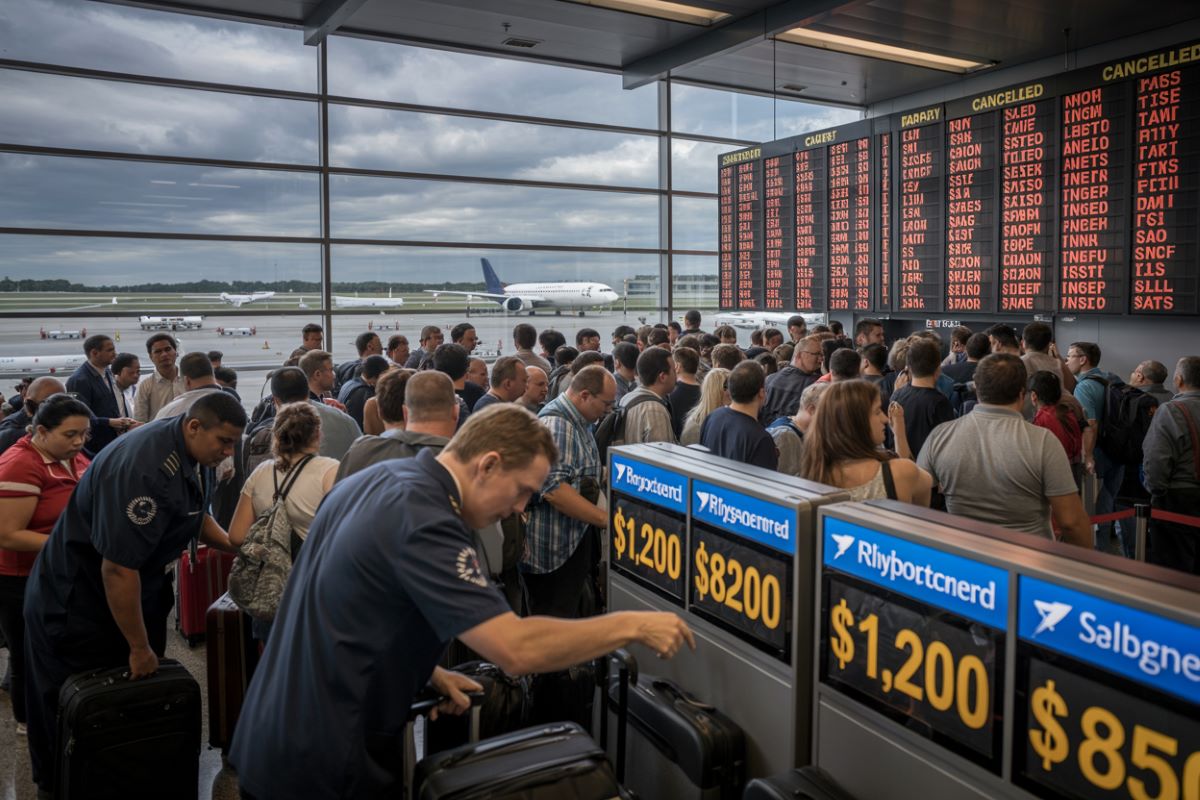
Image generated with Ai
US has joined Canada, France, Denmark, Australia, Japan, Singapore, and others—in facing significant disruptions in global air travel including widespread route cancellations, soaring airfares, and reduced flight capacities across America, Europe, and beyond due to the ongoing surge in LNG (liquefied natural gas) prices, which has triggered a global supply crisis. As LNG prices rise, so too do the costs of jet fuel, a crucial component in powering commercial aircraft. Airlines across the globe, particularly those operating long-haul routes, are feeling the pinch. To mitigate these soaring operational costs, airlines have been forced to cancel flights, reduce services, and hike airfares. In regions like North America, Europe, and Asia, travelers are experiencing the dual impact of higher ticket prices and limited flight options, making it harder for passengers to book their desired routes. This crisis, driven by global energy supply issues, is reshaping the aviation landscape, with no immediate resolution in sight.
Understanding the Surge in LNG Prices: A Key Factor for Airlines
The global LNG supply crisis has its roots in disruptions to energy supply chains, especially following the outbreak of the Middle East conflict and subsequent blockades of key shipping routes such as the Strait of Hormuz, one of the world’s most vital choke points for energy trade. LNG, which is liquefied natural gas, is a crucial component in powering commercial aircraft, particularly in terms of jet fuel production.
As LNG prices spike, so do the costs of jet fuel, which directly impacts airlines’ operational costs. According to recent reports from the International Energy Agency (IEA) and official government sources, jet fuel prices have more than doubled in many regions, and aviation experts warn that this upward trend could persist throughout 2026.
The surge in LNG prices has significantly affected the long-haul flight network, with airlines re-evaluating their flight schedules and routes. In North America, Europe, and Asia, airlines are raising airfares, particularly on routes that require long flight duration, which consume more fuel. In Europe, countries like France and Denmark are seeing significant airfare hikes as fuel prices rise in direct response to LNG market conditions.
Advertisement
Advertisement
RegionLNG Price Surge ImpactFlight Operations ImpactNorth America15-20% rise in fuel costs; rising long-haul faresReduced flight capacity, rising airfaresEuropeLNG prices up by 30-40%Flight cancellations, route reductionsAsiaPrices rising sharply in Japan, India, SingaporeSurcharge increases, fewer regional flightsThe Impact of Rising LNG Prices on Global Aviation
The LNG price surge, triggered by a range of factors, including the global supply crisis exacerbated by geopolitical tensions, has caused a significant spike in the cost of jet fuel. Airlines worldwide are experiencing higher operational costs as they rely on LNG-derived fuel for their long-haul flights. The increase in fuel prices is forcing carriers to reconsider their flight schedules, cancel routes, and increase ticket prices to cover the additional expenses.
The aviation industry, which had already been struggling to recover from the COVID-19 pandemic, is now dealing with this additional financial strain. Airlines that operate long-haul routes, which require larger fuel reserves, have been particularly affected.
Advertisement
Advertisement
RegionMajor Airlines AffectedImpactCauseU.S.United Airlines, Delta, American AirlinesIncreased airfares, route suspensionsHigh jet fuel costs due to LNG surgeEuropeAir France, Lufthansa, British Airways, SAS AirlinesIncreased fares, cancellationsSurge in fuel costs, rerouted flightsAsiaSingapore Airlines, Cathay Pacific, Japan AirlinesIncreased ticket prices, flight reductionsRising LNG costsAustraliaQantas, Virgin AustraliaPrice hikes, route reductionsLNG prices affecting long-haul flightsRoute Cancellations and Flight Reductions
As LNG prices continue to rise, airlines across the globe have been forced to reduce their flight capacity. This includes long-haul routes, which are particularly fuel-intensive. According to official reports from major airlines like American Airlines, Delta, and Qantas, several international routes have been either suspended or reduced in frequency due to the escalating costs associated with rising fuel prices.
For example, Delta Airlines has canceled multiple US to Europe routes and US to Asia services due to the rising costs of LNG-based jet fuel. Similarly, Singapore Airlines and Cathay Pacific have been forced to reduce their flight schedules, especially on long-haul flights to the US and Europe, as fuel costs have surged to unsustainable levels. These measures are a direct response to the LNG supply crisis, which has made it increasingly expensive for airlines to operate.
Advertisement
Advertisement
AirlineRoute AffectedAction TakenReasonUnited AirlinesUS to Europe, AsiaCanceled flights, reduced routesHigh fuel prices linked to LNG surgeQantasAustralia to US, EuropeReduced services, increased faresIncreased jet fuel costs due to LNGSingapore AirlinesSingapore to Europe, USReduced frequency of long-haul flightsSurging fuel prices due to LNGCathay PacificHong Kong to US EuropeCanceled flights, increased airfaresLNG price surge raising fuel costsAirfare Surge Due to LNG Price Crisis
The surge in LNG prices has directly impacted airfares, especially on long-haul flights. Airlines, struggling to cope with escalating fuel costs, are raising prices to maintain profitability. According to recent industry reports, airlines have increased their long-haul flight fares by 15-20%, with some international routes seeing even larger price hikes. These increases are particularly noticeable on flights between the U.S. and Europe as well as Asia–North America routes.
For example, British Airways and Air France have both increased their economy class fares by as much as 20% on flights from Europe to the US Similarly, Qatar Airways and Emirates have raised ticket prices for flights originating from Doha and Dubai, with some travelers reporting fare hikes up to 25% on business and first-class flights.
The LNG crisis has made it challenging for airlines to continue operating profitable services without passing on the increased operational costs to customers. This price surge is expected to continue until LNG supply stabilizes or falls back to previous levels.AirlineRoute AffectedAirfare IncreaseCauseAir FranceFrance to U.S., Europe15-20% increase in faresJet fuel price surge due to LNG crisisBritish AirwaysUK to U.S., Europe20% rise in economy ticketsIncreased jet fuel pricesQatar AirwaysDoha to U.S., Europe25% increase on premium faresLNG price surgeEmiratesDubai to U.S., Asia20% increase in all classesHigh fuel surcharges due to LNG
Long-Haul Travel and Reduced Air Travel Demand
The combination of LNG price surges and higher fuel costs has led to a reduction in long-haul travel. Many travelers, especially business tourists and frequent flyers, are cutting back on travel plans due to the increased cost of flying. Long-haul routes, which are more fuel-intensive, are seeing a decline in demand, especially from Europe and Asia to North America. The rising cost of flying is discouraging many would-be passengers from booking international flights, especially those traveling for non-essential purposes.
In addition, airlines are also limiting seat availability on longer flights, contributing to the increase in prices. These adjustments are expected to continue until the global energy market stabilizes.RegionImpact on Long-Haul TravelTicket Price HikeReasonEurope–U.S.20-25% fewer available seats15-20% higher airfaresJet fuel costs rising due to LNG surgeAsia–U.S.15-20% drop in bookings20-25% increase in faresLong-haul route reductionsAsia–EuropeFewer international routesIncreased flight chargesHigh fuel surcharges due to LNG crisis
Conclusion
US with countries like Canada, France, Denmark, Australia, Japan, Singapore, and others, continues to grapple with the widespread disruptions in global air travel caused by the surge in LNG prices since the ongoing global supply crisis has driven up jet fuel costs, prompting airlines to cut flight capacity, cancel routes, and increase airfares. As a result, passengers in North America, Europe, and Asia are facing higher costs and fewer travel options, particularly on long-haul flights. Airlines are struggling to maintain profitability amid these rising fuel costs, and the travel industry is adjusting to this new reality. The spike in LNG prices, exacerbated by geopolitical tensions and energy supply chain disruptions, shows no signs of stabilizing in the immediate future. Until the energy market stabilizes, travelers can expect continued challenges with flight availability and soaring airfares. This situation underscores the far-reaching impact of the global energy crisis on the aviation sector, reshaping travel patterns and affecting both airlines and passengers worldwide.
Advertisement
Advertisement
