
Scientists have spent years searching for the origins of modern apes in specific regions, but a new fossil from Egypt is now changing that direction.
This discovery is not just another addition to the fossil record – it is making researchers rethink where the story of human origins may have truly begun.
A discovery that shifts attention

In northern Egypt, at a place called Wadi Moghra, researchers found a fossil that did not fit neatly into the usual story.
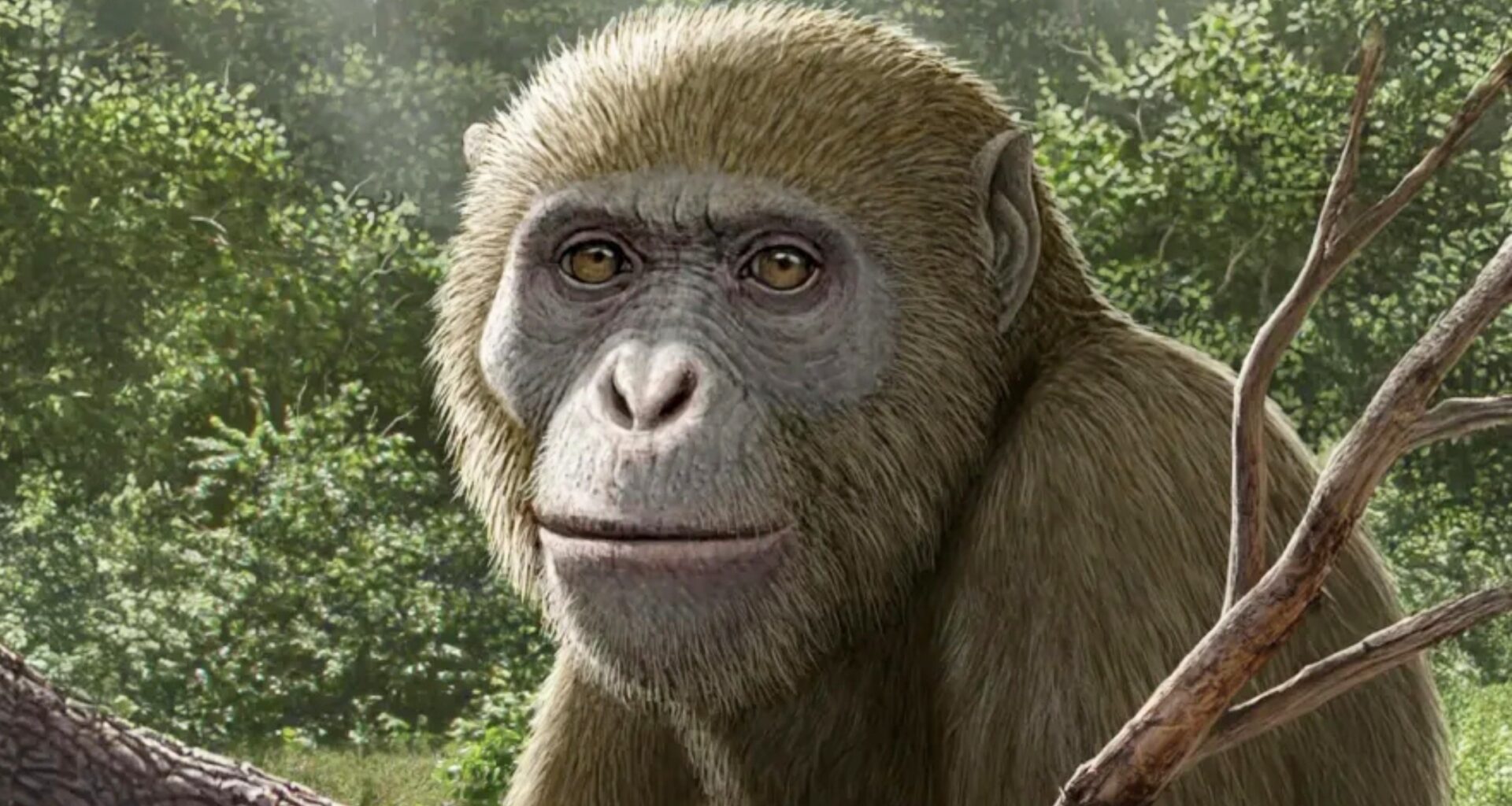
This fossil belongs to a newly identified species named Masripithecus moghraensis, which lived around 17 to 18 million years ago. That time period has very few fossils, so every new find carries a lot of weight.
For years, most research focused on East Africa because many important fossils came from that region. It felt natural to assume that modern apes originated there.
However, Professor Hesham Sallam and his team at Mansoura University looked closely at this fossil and realized something did not match that simple picture.
This one discovery is now pushing scientists to look beyond familiar places and ask new questions.
Fossil close to human ancestors
Masripithecus moghraensis matters because of where it fits in the family tree. Scientists believe it is close to the group that later led to all modern apes, including humans. That connection makes it more than just another ancient species.
Around the time this ape lived, Africa started forming land links with Europe and Asia. These connections allowed animals to move across regions, which increased diversity and encouraged new species to appear.
Movement across land often changes how life evolves, and this period was full of such changes.
Large parts of Africa have not been explored in detail, so more important fossils may still be waiting underground. This find shows that key evidence can appear in places that researchers once ignored.
A shift in how scientists think
For a long time, East Africa remained the main focus when searching for early ape ancestors. That idea came from strong fossil evidence, but this new discovery is now challenging that long-held belief.
“The findings confirm that paleontologists might have been looking for crown-hominoid ancestors in the wrong place,” noted David Alba and Júlia Arias Martorell, researchers who study human evolution and ancient apes.
New evidence can change direction, and old ideas can lose strength when better clues appear. Northern Africa is now starting to gain attention as an important region for future research.
The bigger story of ape origins
Scientists believe early apes first appeared more than 25 million years ago in a region called Afro Arabia.
Over time, some of these apes moved into Europe and Asia, but the exact path that led to modern apes is still not fully clear.
The biggest hurdle is missing fossils. Many remains from this time are incomplete, and most discoveries come from only a few areas. That makes it hard to see the full picture.
This new fossil adds an important piece to that story. It suggests that northern Africa may hold clues that scientists have not yet uncovered.
Fossil reveals human links
Shorouq Al Ashqar and her team studied the fossil by examining its shape and age together. This helped them see how it connects to other species and where it fits in the ape family tree.
The results showed that Masripithecus moghraensis belongs to an early group close to modern apes, which makes it important because it shows a stage when apes were starting to change.
This kind of study helps scientists move beyond guesses and understand evolution more clearly.
Rethinking the origin story
This discovery is encouraging scientists to think differently about where modern apes may have originated.
Some now suggest northern Afro Arabia as a possible starting point, while others point to regions like the Levant or the eastern Mediterranean.
This shift shows that evolution is complex and does not happen in just one place. Different regions may have contributed at different times.
As more fossils are found, scientists will continue to refine these ideas and better understand the path of evolution.
What this means going forward
This fossil shows how a single discovery can reshape big ideas and push research in a new direction. It encourages scientists to explore regions that did not receive much attention before.
Northern Africa may soon become a major focus for future studies. More discoveries from this region could help fill important gaps and answer long standing questions.
For now, Masripithecus moghraensis gives a strong hint that the origins of modern apes may lie in places that scientists are only beginning to explore.
The study is published in the journal Science.
Image: Reconstruction of Masripithecus moghraensis by Mauricio Antón. Credit: Professor Hesham Sallam
—–
Like what you read? Subscribe to our newsletter for engaging articles, exclusive content, and the latest updates.
Check us out on EarthSnap, a free app brought to you by Eric Ralls and Earth.com.
—–