
Home » Latest Travel News » Portugal Joins UK, Germany, Spain, France, Italy and Others as the Hotel Industry of Europe Remains Resilient Amid Economic and Geopolitical Challenges With Government Policies Supporting Cultural Tourism, Tax Relief and More
Published on
March 29, 2026
Image generated with Ai
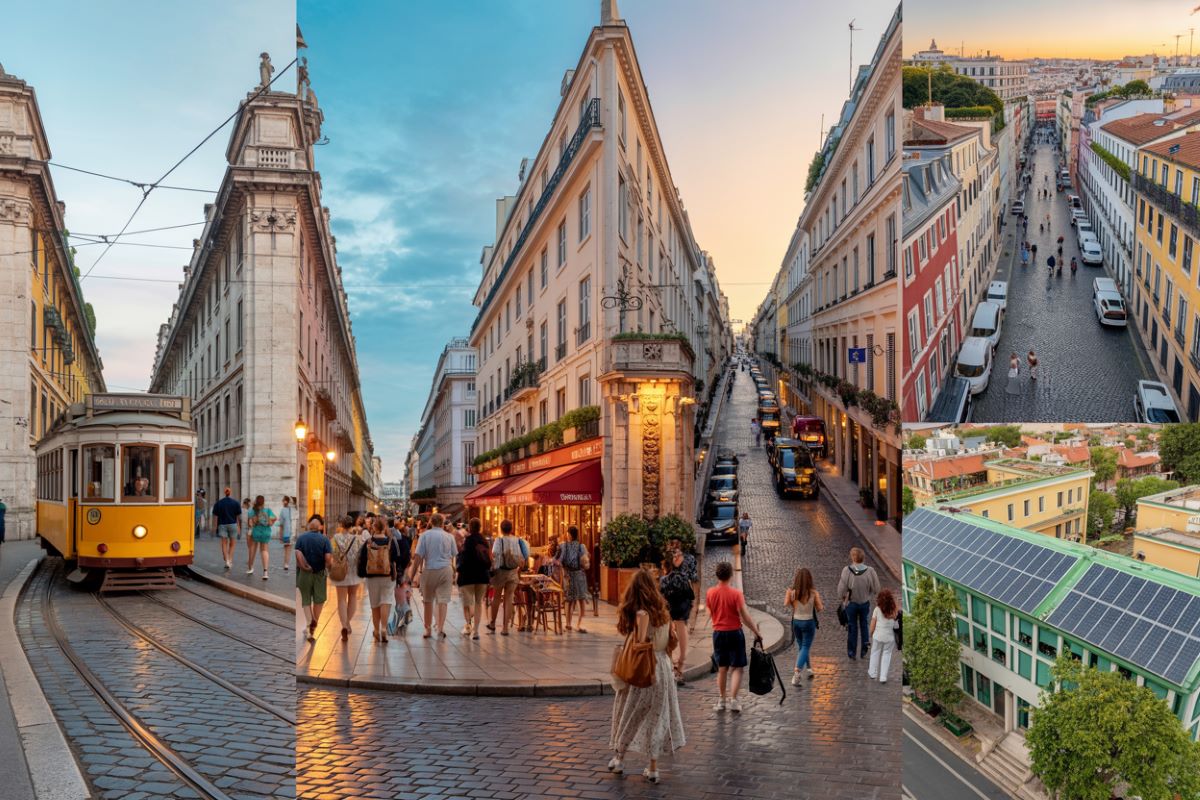
Portugal joins UK, Germany, Spain, France, Italy, and other European nations as the hotel industry across the continent remains resilient amid economic and geopolitical challenges despite global uncertainty, including rising inflation, political instability, and the aftermath of the COVID-19 pandemic attributed to proactive government policies supporting cultural tourism, tax relief, and sustainable practices. Countries like Portugal have experienced significant tourism growth by embracing experience-driven travel, showcasing local culture, and offering eco-friendly accommodations. Similarly, nations like Spain, France, and Italy are leveraging their rich cultural heritage while implementing government-backed sustainability and tourism initiatives. These measures have not only fostered tourism recovery but also ensured long-term growth, helping European hotels remain competitive in the face of external pressures. Through these collective efforts, Europe’s hotel industry proves its ability to adapt, thrive, and maintain its position as a global tourism leader.
Global Uncertainty: A Persistent Factor in Hospitality
In recent years, global uncertainties—ranging from economic downturns to geopolitical tensions—have continuously disrupted the hotel industry. Events such as trade wars, the COVID-19 pandemic, and political instability have prompted hoteliers to rethink their operations. However, despite the unpredictability, the industry has found ways to thrive.
Europe, being a major hub for international tourism, is particularly susceptible to global risks. Government agencies and tourism bodies, including the European Commission and the World Tourism Organization (UNWTO), have observed that while such risks often cause short-term disruptions, they do not necessarily hinder long-term growth in the hospitality sector.
Europe’s Tourism Trends Amid Challenges
According to EUROSTAT (the statistical office of the European Union), European tourism has shown a gradual recovery since the peak of the pandemic. Even with rising inflation and ongoing conflicts in certain regions, the hotel industry in countries like France, Spain, and Italy has continued to grow. Tourism statistics compiled by UNWTO demonstrate that Europe remains one of the world’s top destinations, attracting millions of international visitors annually.
Adapting to Market Shifts: The Importance of Flexibility
One of the key strategies adopted by hoteliers in Europe is flexibility. As political tensions and economic shifts continue to affect travel behavior, European hotel chains are focusing on adjusting their business models to meet evolving demands.
Experience-driven Tourism
In the face of economic pressure, there has been a notable shift toward experience-driven tourism. Travelers are prioritizing personalized experiences over traditional hotel stays. According to reports by the European Travel Commission, hotels that provide tailored experiences, such as guided tours, local cuisine events, and cultural engagements, have seen higher demand.
Advertisement
Advertisement
This trend is particularly prevalent in urban centers like Paris, Rome, and Barcelona, where the hospitality industry has integrated local cultural elements into their offerings. By emphasizing authentic experiences, hotels are not just focusing on accommodation but providing memorable moments that align with changing consumer expectations.
The Role of Sustainability in Recovery
Sustainability has also emerged as a crucial factor in Europe’s hotel industry recovery. Travelers are increasingly seeking eco-friendly accommodations, and hotels are responding by implementing sustainable practices such as reducing energy consumption, minimizing waste, and sourcing local products.
Advertisement
Advertisement
Government policies and incentives have played a role in promoting green tourism, with several European countries offering tax incentives for hotels that meet sustainability standards. According to the European Union’s Green Deal, the tourism industry is encouraged to adopt green practices to ensure long-term viability, particularly in the wake of environmental challenges.
The Geopolitical Factor: Navigating the Unknown
Geopolitical risks have become an unavoidable reality for hoteliers operating in Europe. Events such as Brexit and the ongoing tensions in Eastern Europe have raised concerns regarding border policies, security, and international travel.
Government Measures to Support the Sector
European governments have stepped in to provide support. For example, in response to Brexit, the UK Government implemented measures to facilitate the continued flow of tourists from the EU, such as maintaining visa-free travel for short-term visitors. Similarly, governments in Germany and France have put in place stimulus packages to help the hospitality sector recover from disruptions caused by political events and global crises.
The European Commission has also acknowledged the need for hotels to remain adaptable to evolving geopolitical conditions. These measures, along with clear travel regulations and border protocols, have helped mitigate the immediate impacts of instability.
Diversifying Markets: Broadening the Base
European hotels are increasingly diversifying their markets to reduce reliance on any single source of demand. This has meant strengthening ties with emerging markets like China, India, and the Middle East, while also expanding services tailored to domestic travelers within Europe.
By tapping into these new markets, hotels are ensuring that they are not overly dependent on any one region, making them more resilient to external disruptions. According to EUROSTAT, the shift toward multinational clientele has led to an uptick in demand for hotels in cities like Berlin, Madrid, and Lisbon.
Economic Pressures: Managing Costs While Maintaining Quality
Despite the resilience of the European hotel industry, inflation and rising operational costs remain a concern. As governments across the continent continue to grapple with economic slowdowns, hoteliers are being forced to find ways to manage costs without compromising on service quality.
Strategic Pricing and Revenue Management
Revenue management systems are becoming increasingly sophisticated, helping hotels adjust pricing dynamically to market conditions. Hotels are employing advanced algorithms to forecast demand, optimize room rates, and increase profitability, even in times of economic downturn.
Governments have also recognized the importance of supporting the hotel sector through subsidies and tax breaks. For instance, France’s Ministry of Tourism provided grants to small hotels to help them cope with rising energy costs in 2026, ensuring that they could continue operating without raising prices drastically.
Cost-saving Technologies
Technology adoption has proven essential in reducing operational costs. Hotels across Europe are incorporating automation in daily operations, from check-in kiosks to AI-powered customer service. The German Ministry for Economic Affairs and Energy has highlighted the role of technology in improving hotel efficiency and reducing overheads, ensuring that European hotels remain competitive globally.FactorImpactGovernment ResponseEconomic UncertaintyRising costs, inflation affecting hotel operationsTax incentives, subsidies for small businessesGeopolitical RisksUncertainty from conflicts and political shifts impacting demandBorder policies, visa-free travel agreementsSustainability TrendsRising demand for eco-friendly practices and green hotelsEU Green Deal initiatives, environmental fundingExperience-driven TourismShifting traveler preferences for local and personalized experiencesSupport for cultural tourism initiativesTechnology IntegrationAutomation and smart systems reducing operational costsGovernment funding for tech adoption in hotels
Conclusion
Portugal joins UK, Germany, Spain, France, Italy, and other European nations, demonstrates that the hotel industry in Europe remains resilient in the face of economic and geopolitical challenges due to a combination of flexible business strategies, government policies supporting cultural tourism, tax relief, and sustainability initiatives. By embracing experience-driven tourism, promoting local culture, and integrating eco-friendly practices, these countries continue to attract millions of international visitors. Furthermore, governmental support—ranging from grants for small businesses to tax incentives for sustainable operations—has helped maintain competitiveness, even amidst economic slowdowns. As a result, Europe’s hotel industry not only withstands ongoing uncertainty but also thrives by diversifying markets and focusing on innovation. Through these efforts, European nations have reinforced their position as global leaders in tourism, ensuring the long-term growth and sustainability of the hospitality sector.
Advertisement
Advertisement
