
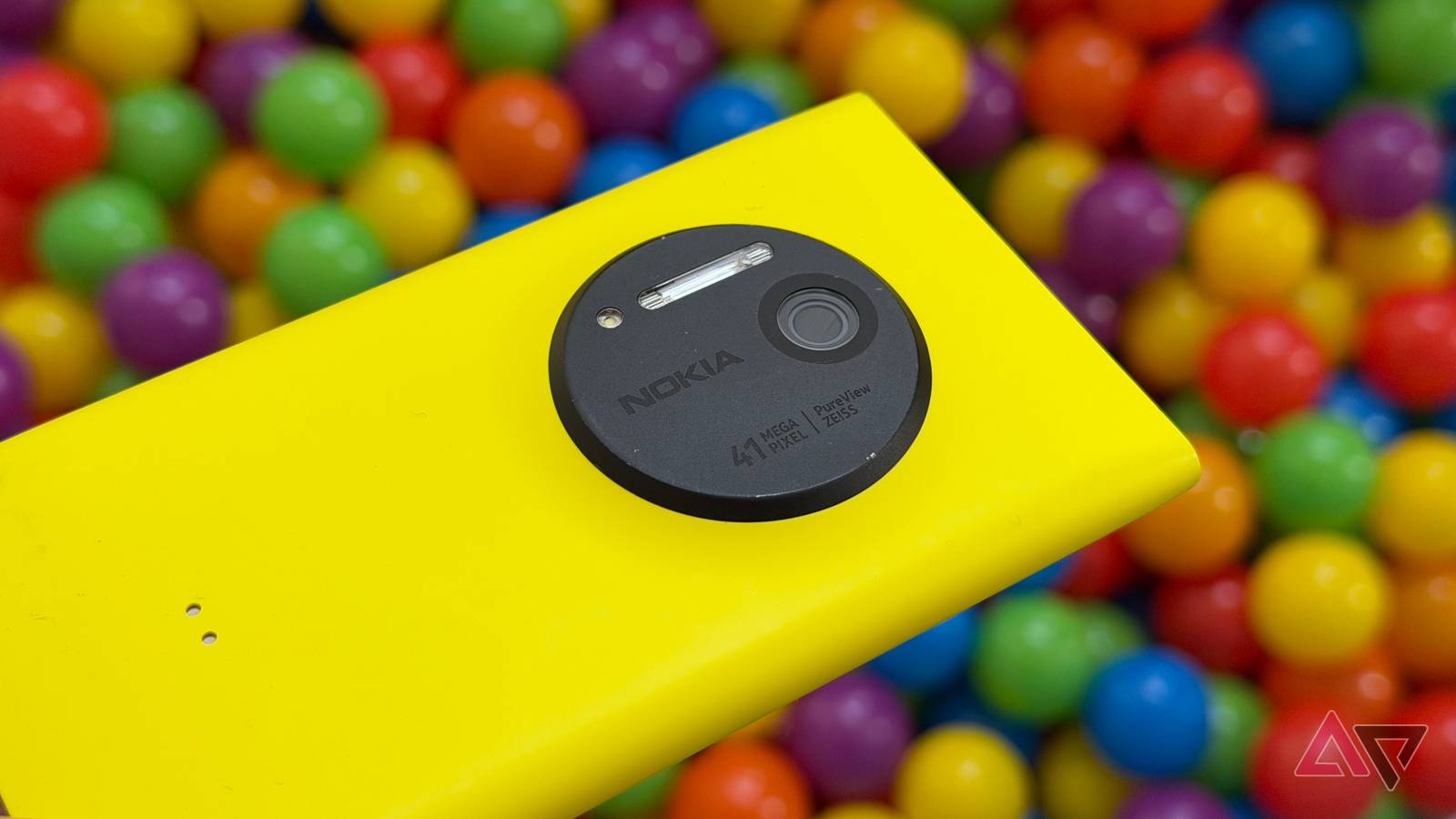
I recently compared the cameras in the new Galaxy S26 Ultra to those of the nearly 13-year-old Nokia Lumia 1020.
It’s always fun to compare, and it shows just how far computational photography has come in the last decade.
Just using the Lumia 1020 again brought back wonderful memories. Windows Phone will always hold a special place in my heart.
It’s not just nostalgia, and anyone who used a Nokia Lumia 1020 back in 2013 understands why it’s still remembered today.
The Nokia Lumia 1020 was peak smartphone, and it’s hard to convince me otherwise.
Related
We need to stop talking about specs and start talking about what actually makes a phone good
The hidden cost of chasing specs
Windows Phone 8 was everything I wanted
No one has done software the same way since
I remember the day I walked into my AT&T store looking for something different.
I had used a BlackBerry previously, and I owned both iPhones and Androids before. But on that day, the Nokia Lumia kiosk in the store caught my eye.
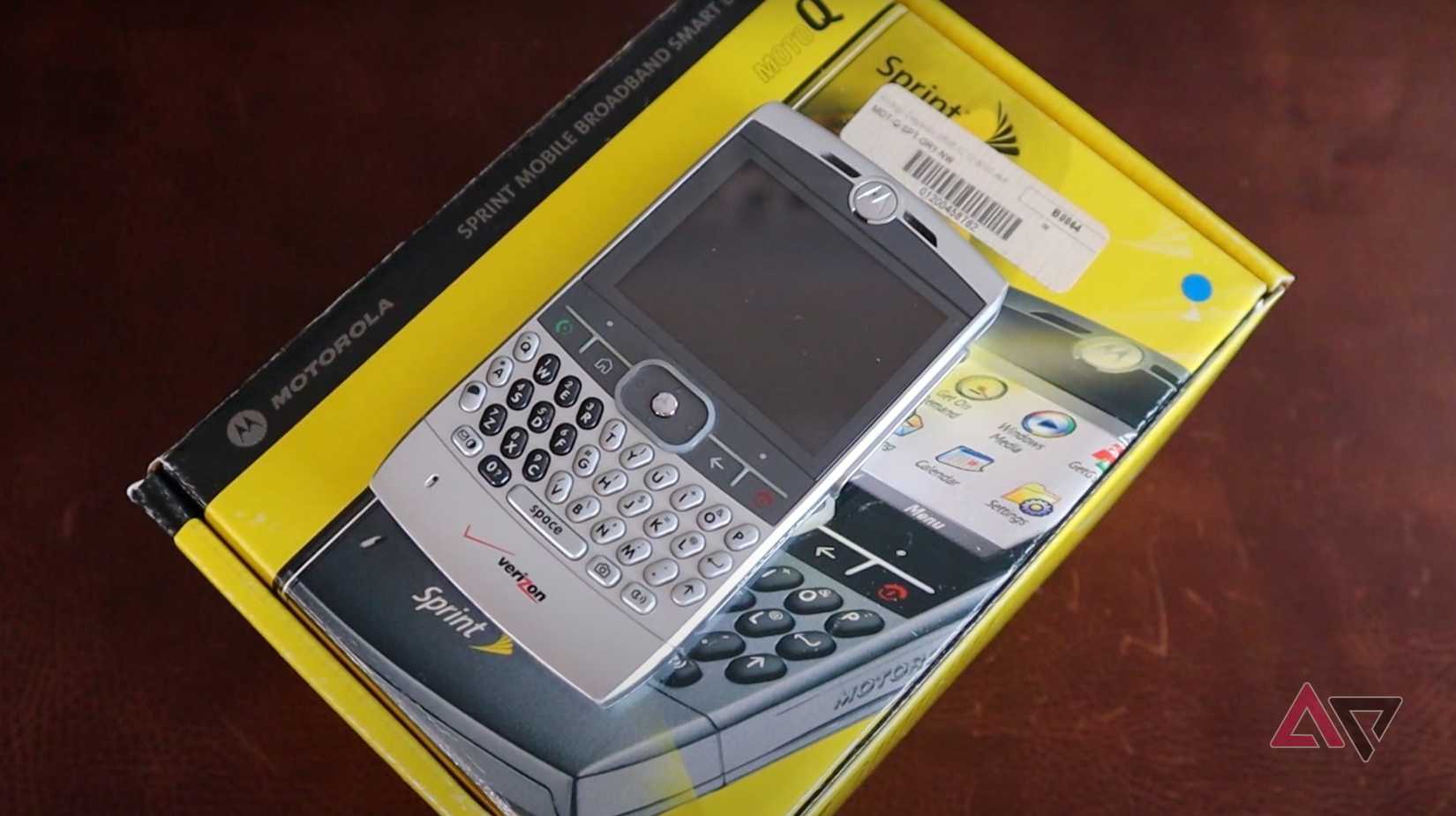
I previously dismissed Windows Phone because my experience with the Motorola Q running Windows Mobile 6 was painful.
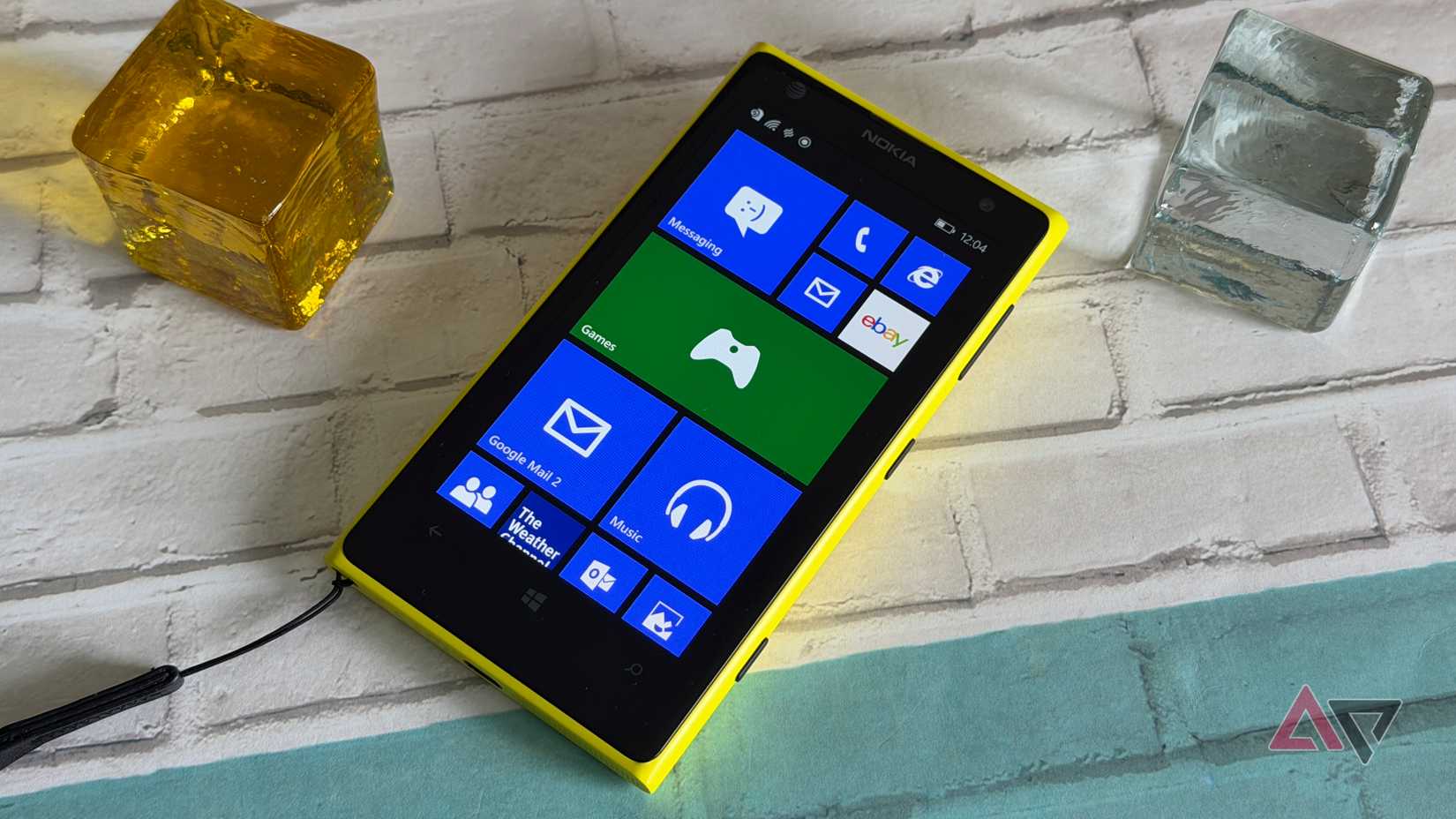
It didn’t take long to realize the Lumia 1020 and Windows Phone 8 were unique.
Live Tiles instantly jumped out at me. I loved the idea of getting constant updates without having to open apps.
Linking with my Xbox was especially cool, and nothing was better than seeing achievements pop up on my smartphone as I played.
The software felt alive in a way I haven’t experienced since.
I never thought about the chipset in the Lumia 1020.
Square Home gets close, but nothing can compare to a system built from the ground up to accommodate social media.
Windows Phone was fun to use, and that has value.
Nokia wasn’t afraid to experiment with designs
Colorful smartphones were a staple
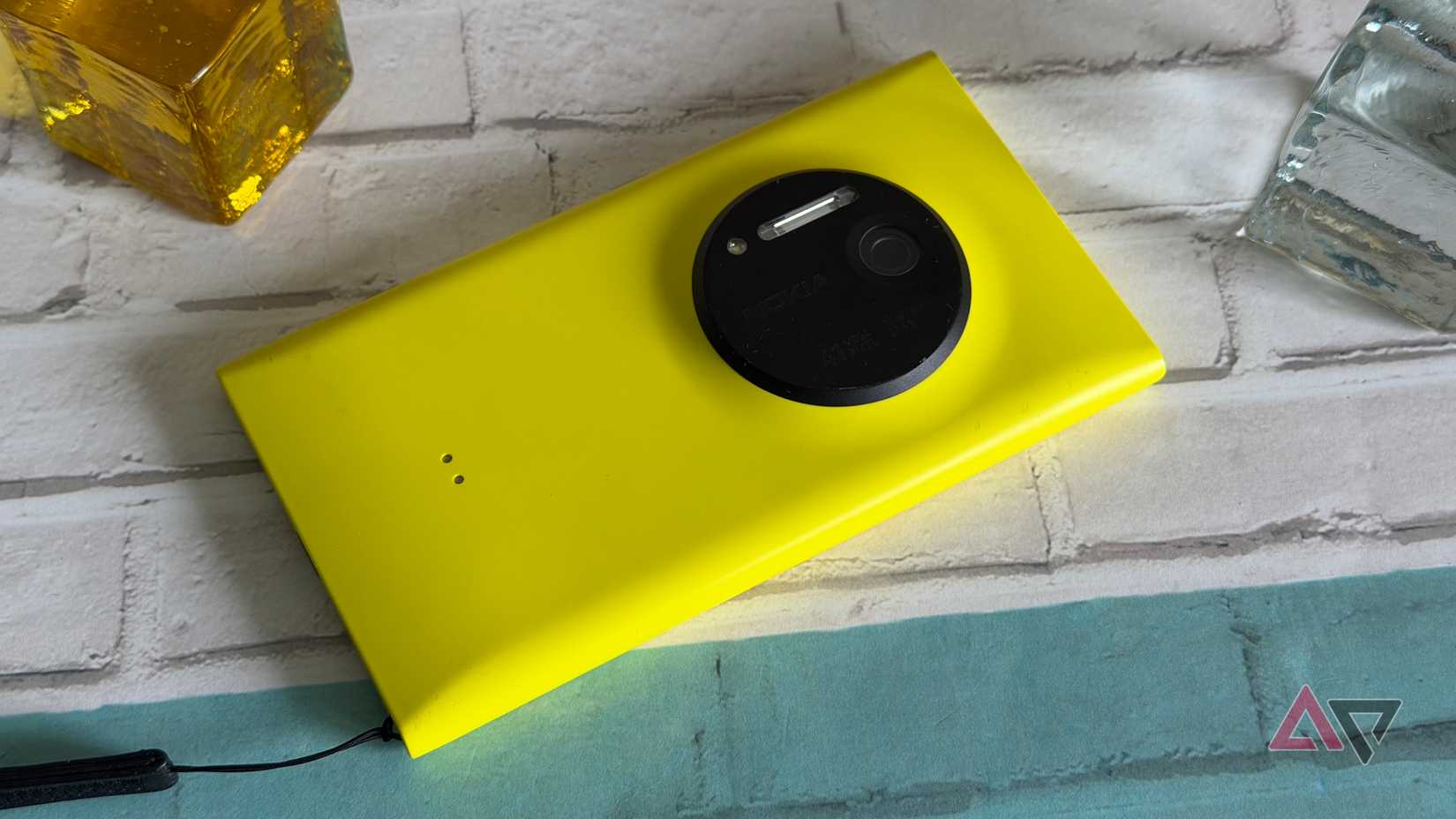
Sure, the Lumia 1020 came in black and white, but I got mine in bright yellow.
Vibrant colors were a hallmark of Lumia devices, and in the years that followed, I would own lime-green and bright-orange variants.
Nokia also wasn’t afraid to lean into different designs. The Lumia 1020 is known for its camera, and you can tell immediately by looking at it that the 41MP camera sensor is the star of the show.
It was a standout feature compared to other phones in 2013, and Nokia made sure to highlight it.
Similarly, the Lumia 1520 was a monster by the standards of the day, making it ideal for watching content on its massive 6-inch display.
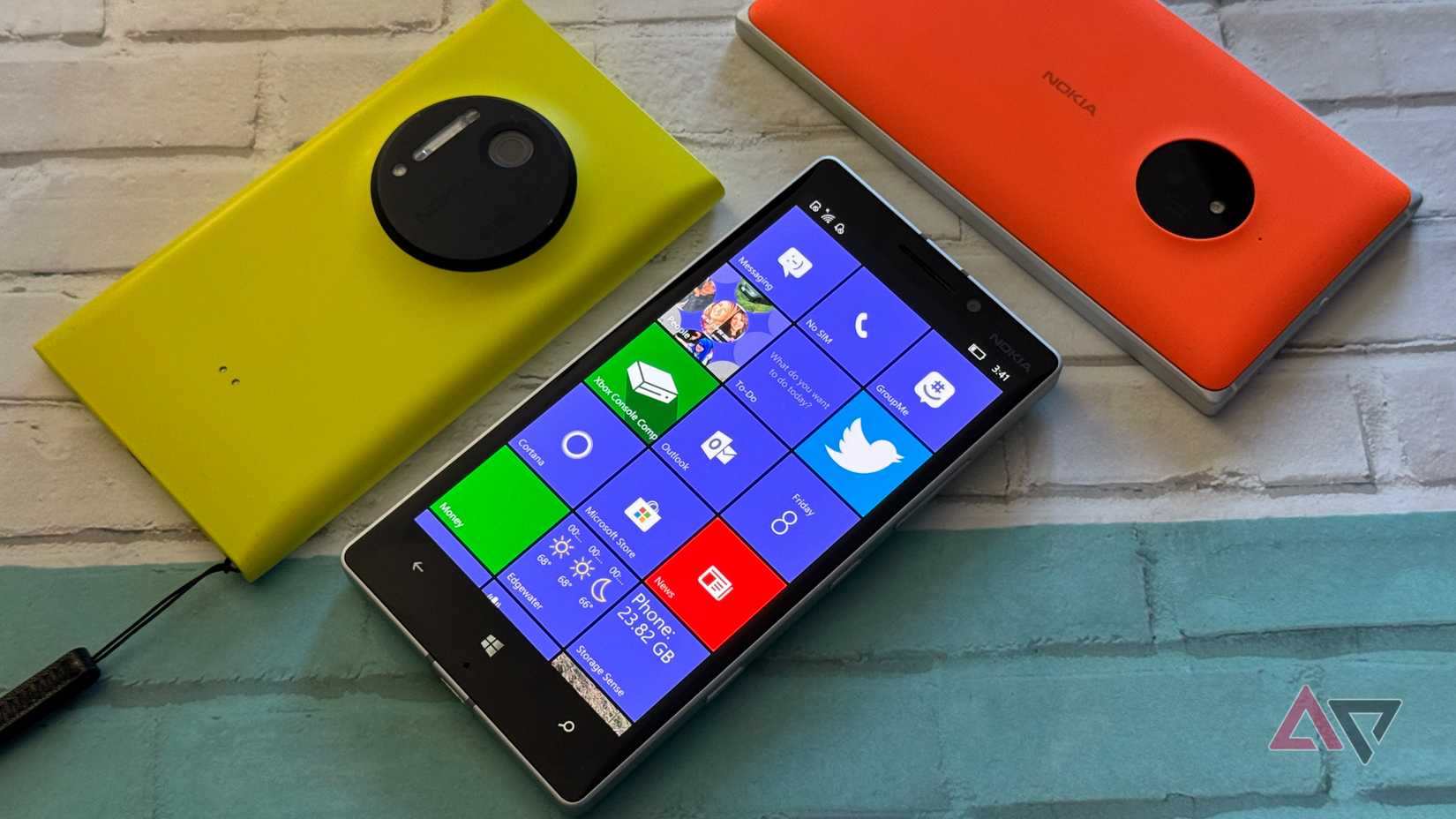
The same company could produce different designs on the same platform. It was possible 13 years ago, but it seems to be a lost art today.
Everything feels like a one-size-fits-all solution, and from a business standpoint, I understand it. However, as consumers, it stinks and forces us into a pattern of settling for the lowest common denominator.
If there’s even a hint that a design will put off anyone, it is scrapped immediately, which just produces the same general experience over and over.
I never wanted more power
The battery life was also excellent
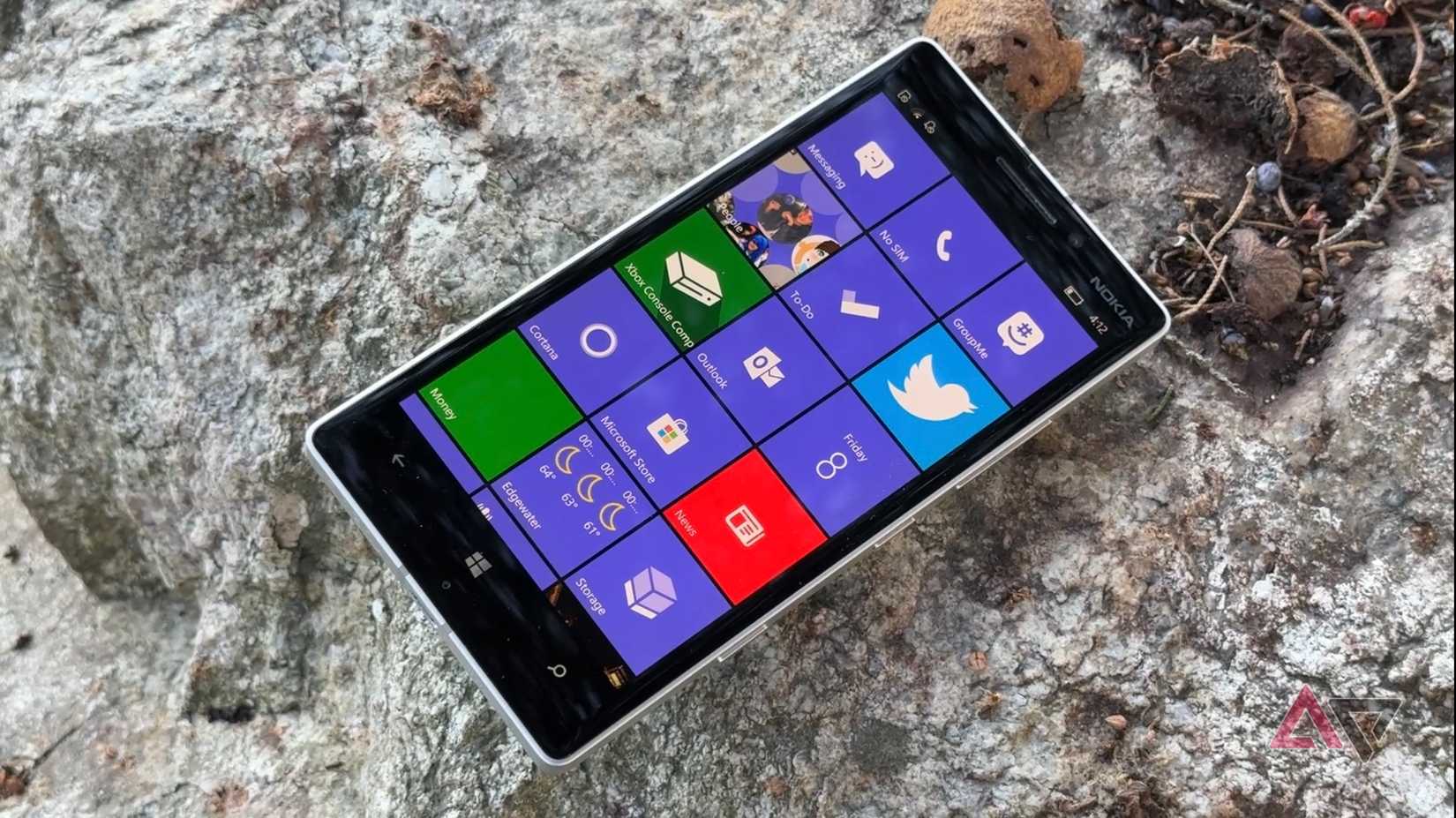
I never thought about the chipset in the Lumia 1020. It’s a Snapdragon S4 Plus, which was ubiquitous at the time. Paired with 2GB of RAM, the specs were nothing to write home about.
Still, I never noticed. Windows Phone 8 was well-optimized and kept running smoothly the entire time. It was lean and mean, precisely what good software should be.
As a result, the battery life was fantastic. The Lumia 1020 featured a 2,000mAh battery, but it easily outperformed similar phones.
Windows Phone proved you didn’t need an overly expensive Snapdragon 8 Elite Gen 5 chipset to make an outstanding phone. You just need a fun design, excellent user experience, and well-written software.
It wasn’t enough to win over enough customers
Smartphone competition was fierce in 2013. Apple was expanding its empire with the iPhone, and BlackBerry was still a major player. Android was starting to gain ground with users, and there wasn’t enough software to go around.
It didn’t make sense for developers to code yet another version of popular apps for Windows Phone when the user base wasn’t there.
It’s a shame, and I wish phones like the Nokia Lumia 1020 would make a comeback. There’s plenty of room in the marketplace; someone just needs the inspiration.