
South Korea has become a focal point of Asia’s petrochemical crisis, a frontline economy suddenly forced to navigate the fallout from the Middle East turmoil while scrambling for alternatives. Its semiconductor and industrial sectors, already heavily dependent on imported naphtha, are now exposed to geopolitical shocks that are rippling across the region.South Korea relies on imports for about 45 per cent of its naphtha demand. About 77 per cent of those come from the Middle East.
On Monday, South Korea’s Ministry of Trade, Industry and Resource confirmed the import of 27,000 tonnes of Russian naphtha, the country’s first such purchase since the outbreak of the US-Israel war with Iran in late February.
The move, reported by Yonhap News Agency, was enabled by a temporary US sanctions waiver allowing Russian cargoes already in transit to complete sales and offloading between March 12 and April 11.
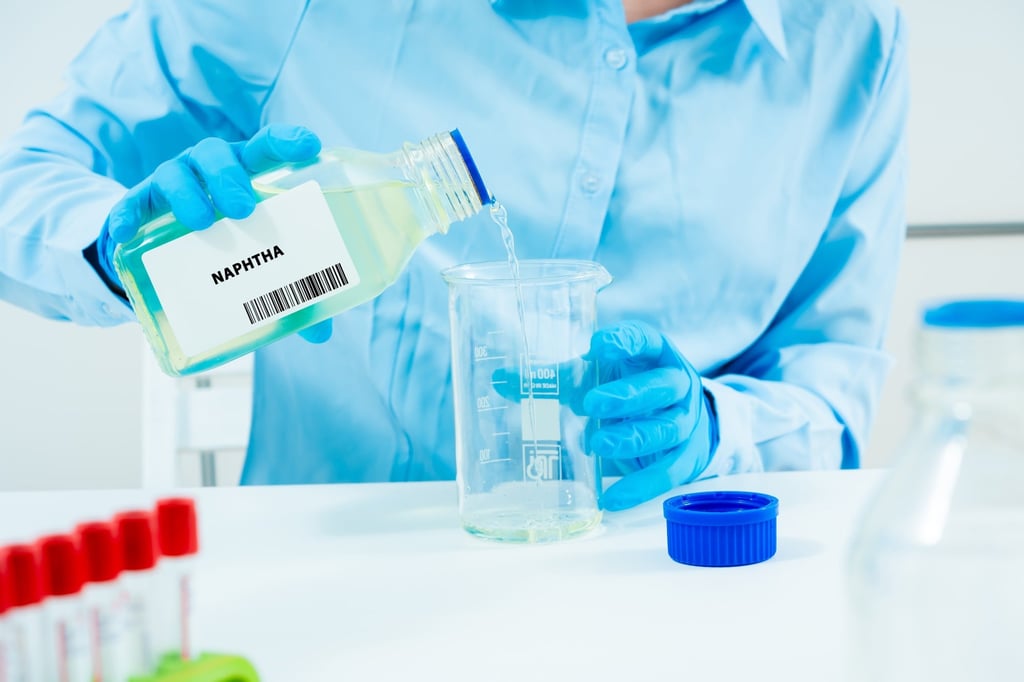 South Korea relies on imports for about 45 per cent of its naphtha demand. Photo: ShutterstockNaphtha is a vital petrochemical feedstock used in semiconductor manufacturing to produce essential high-purity chemicals, solvents and plastics required for chip fabrication. Its derivatives – olefins and aromatics – are further processed into photoresists, cleaners and insulating materials used on wafers.