
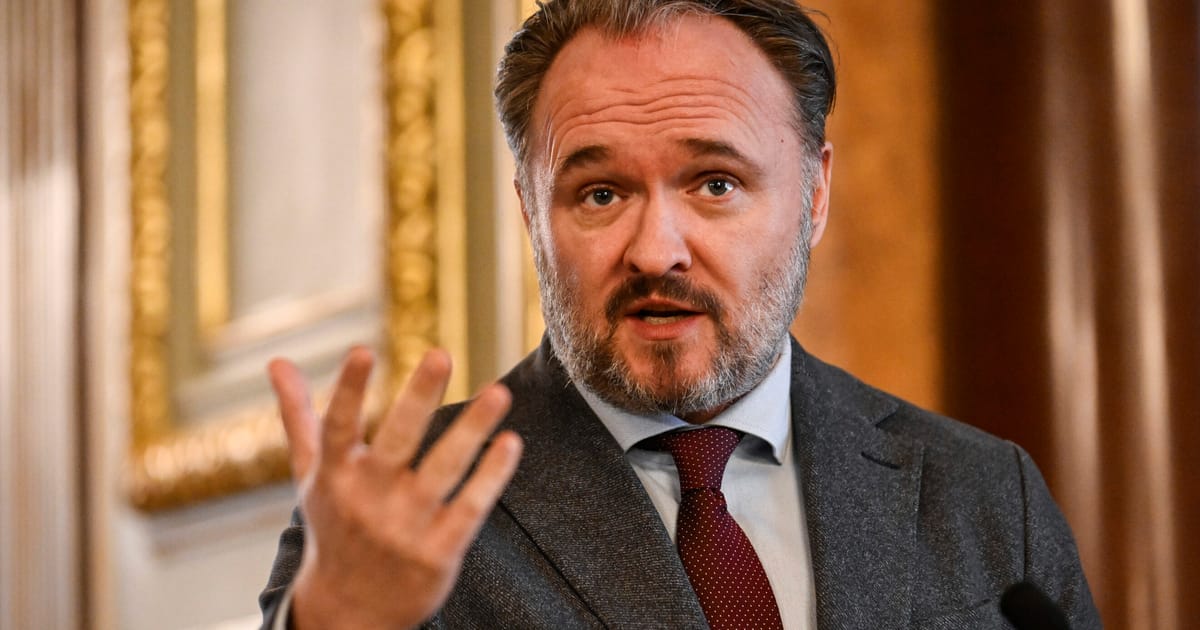
“The more you can do to save oil, especially diesel, especially jet fuel, the better we are off,” Jørgensen said, confirming an earlier report by POLITICO that Brussels wanted Europeans to travel less.
He urged member countries to follow the advice of the International Energy Agency, which he said included “work from home where possible, reduce highway speed limits by ten kilometers [an hour], encourage public transport, alternate private car access … increase car sharing and adopt efficient driving practices.”
Longer term, he urged EU countries to double down on building more renewables, saying “this must be the time we finally turn the tide and truly become energy independent.”
Tuesday’s talks between ministers ended with no concrete proposals, although Jørgensen promised the Commission would be announcing a package of EU-level measures in the near future.
His comments come as fears grow that the world faces a major energy crisis exceeding even the 1970s oil shock that could have global economic ramifications comparable to the coronavirus pandemic.
Since the U.S. and Israel launched the first attacks on Iran over a month ago, oil and gas prices have soared as much as 70 percent as a fifth of the world’s crude oil and liquefied natural gas supply has been stuck in the Persian Gulf.
Talks included calls for state aid, increased renewables and nuclear power to boost energy security, and support for the Commission’s proposal to boost biofuels, according to people familiar with the talks. Nordic countries raised the need protect energy infrastructure.
Expectations of concrete action going into the meeting were low, according multiple diplomats who spoke on condition of anonymity. The aim, they said, was to coordinate action.