
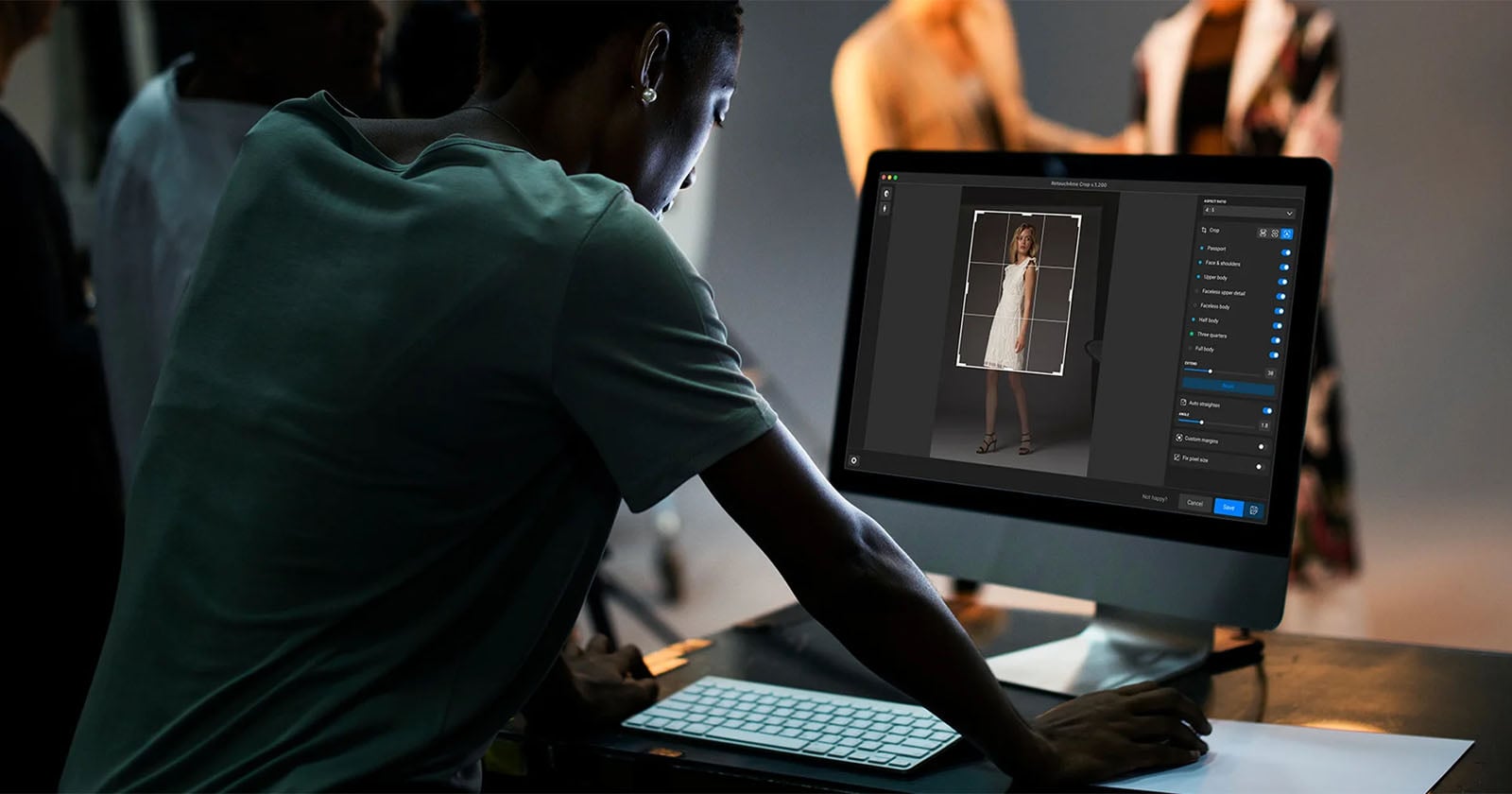
AI in photography is a hot topic. It can range from a purely workflow tool to a portrait retoucher and even a full-blown creation tool. According to a survey of 363 photographers who either use AI as part of their workflow or are open to AI retouching tools, the vast majority believe AI should assist but not take over creative control.
Retouch4me, maker of AI-powered photo and video editing software, asked 363 working photographers in Europe and the United States about how they use AI in their work and what they want the limits of AI retouching to be.
Most respondents, many of whom already use AI as part of their workflow, which is par for the course among working photographers, said they want AI to only handle “the repetitive, mechanical side” of photo retouching.
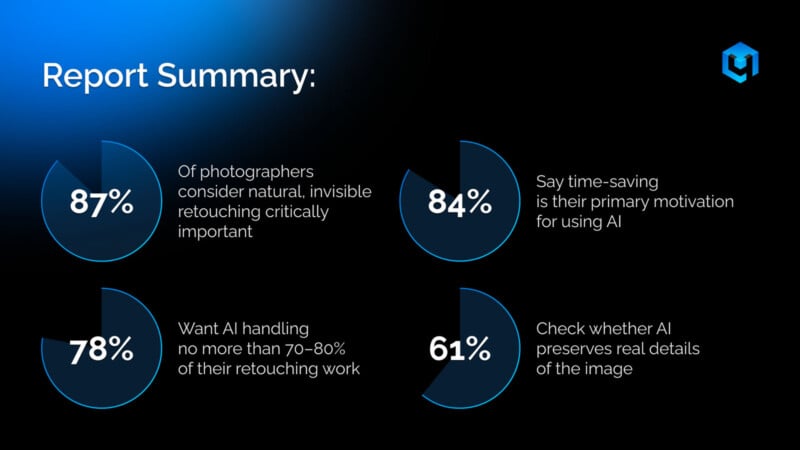
78 percent of respondents said they want AI to handle “no more than 70 to 80 percent of their retouching.” Just 24 percent of the surveyed photographers, who either use or would use AI as part of their workflow, are willing to let AI take full creative control over retouching.
Photographers consistently said that natural-looking, nearly invisible retouching is their priority, and that authenticity is an essential part of their photography. Respondents want portraits to preserve what makes a face uniquely human, including imperfections, wrinkles, and other features that AI tends to erase when left unchecked.
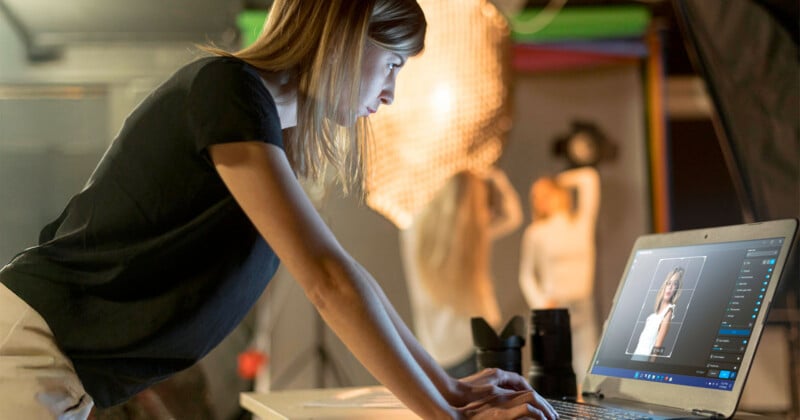
“People are getting tired of artificial perfection and the pursuit of a standard that doesn’t exist in reality,” says Polish photographer Lukasz Spychala.
“Photographers don’t want their photos to look like they were created by AI. They still want to be recognized as people who practice photography — not promtography.”
84 percent of survey respondents said their primary reason for using AI in their post-processing workflow is to save time and streamline repetitive, tedious tasks.
“Time saved retouching = time spent taking more photos and working with clients,” says Atlanta-based portrait photographer Mike Glatzer. “If AI doesn’t enable me to grow my business or spend more time with loved ones, it’s not worth it.”
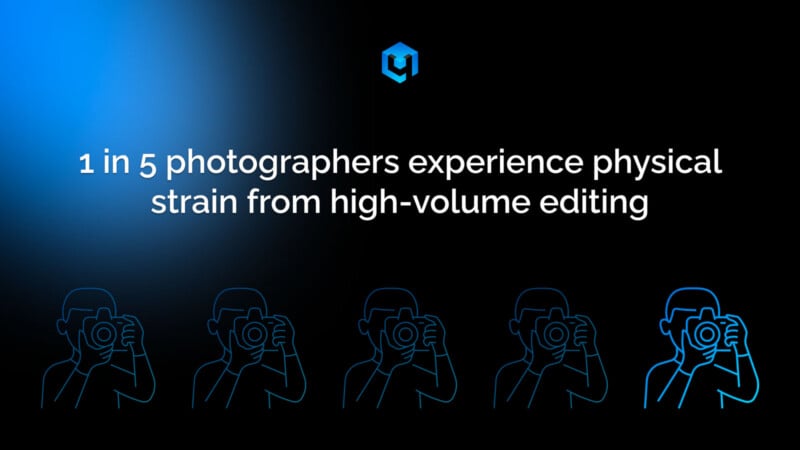
About one-in-five respondents said that high-volume post-processing and retouching are physically wearing them down, which is where AI tools may prove helpful for some photographers.
“The amount of money I’ve invested in office items to make editing sessions more comfortable is laughable,” Glatzer says. “Not only are retouching sessions hard on your body, but they’re also taxing on your brain. I want more time outside with friends, family, and my camera.”
Companies like Retouch4me are navigating a challenging, quickly changing landscape. How much AI is helpful, how much is too much, what do working photographers want, and what should the limits of AI be? These are important questions, and it can be difficult to find the right balance between developing useful tools for working photographers and going too far and potentially making software that effectively replaces human creativity.
“I feel a responsibility to maintain significant control over the process and ultimately the final result of my work,” says photographer Joseph Correa. “AI has become a tool to assist with the heavy lifting — but it doesn’t do all of the work.”
Obviously, as a company, Retouch4me has a vested interest in developing compelling AI tools that photographers actually want to buy and use. The major players in the space are all handling the situation in their own way. Evoto had a really bad experience earlier this year when it showed off an early version of a tool that essentially supplanted actual photographers. Just last week, Aftershoot publicly promised to involve real photographers in its product development. As for Retouch4me, it promises to develop AI that focuses on the tasks photographers want help with, leaving artistic, creative decisions in human hands.
Image credits: Retouch4me