
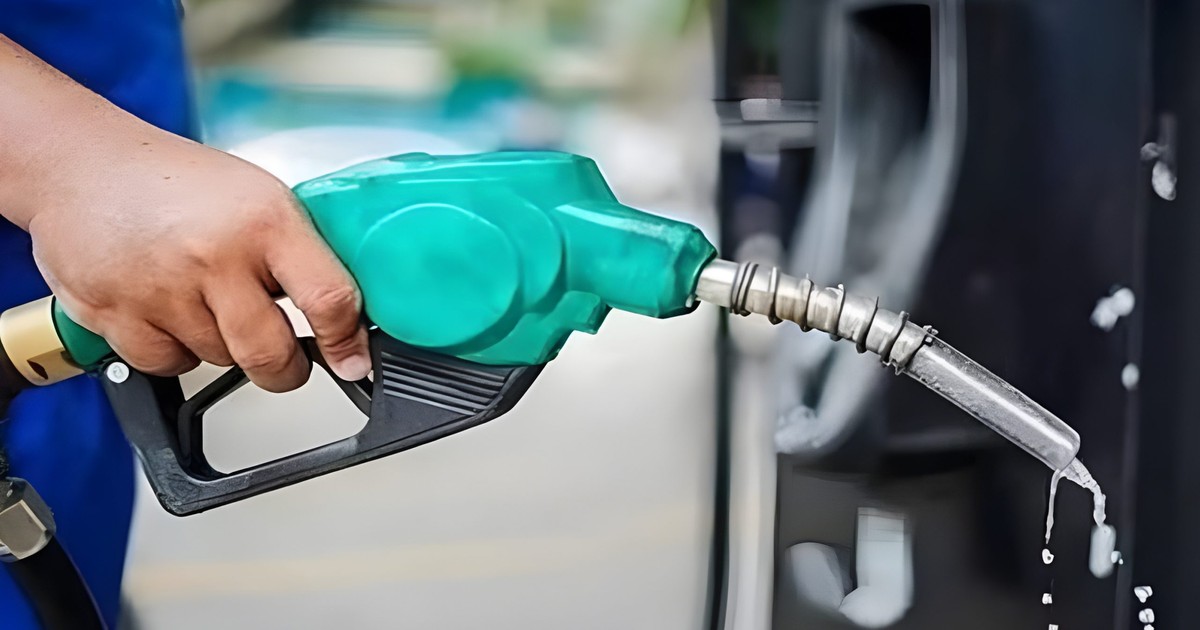
The government said on Tuesday it would reduce the general fuel levy by about $0.16 (3 rand) per litre for both petrol and diesel, in a move expected to forgo about $350 million in revenue.
Despite the intervention, fuel prices are still set to rise sharply. Petrol prices are expected to increase by around 15% in April, while wholesale diesel could jump by as much as 40%, reflecting the scale of global energy shocks.
Finance Minister Enoch Godongwana said the tax relief would be temporary, with authorities assessing whether further support could be provided in the coming months.
“I will temporarily be lowering the fuel levy for this month of April by three rand, and then I am still discussing what we can do for the next two months,” he said.
The government indicated it would recover the lost revenue through other measures, while working on a broader package to support households and key sectors of the economy.
Africa’s most industrialised economy is highly exposed to global energy shocks because it imports most of its refined fuel.

Domestic prices are adjusted monthly based on global oil prices, the exchange rate and taxes, meaning external shocks quickly feed into local inflation.
Oil prices have surged sharply in recent weeks following military action involving the United States and Israel against Iran, while the South African rand has weakened, compounding the impact on domestic fuel costs.
The central bank has already warned that fuel inflation could exceed 18% in the second quarter, raising concerns about broader price pressures and the outlook for interest rates.
Markets are pricing in multiple rate hikes later this year as policymakers respond to rising inflation risks.
The levy cut is expected to ease some of the immediate pressure on consumers and businesses, but analysts say the relief will be limited given the scale of the price increases.
South Africa had been projecting economic growth of about 1.6% this year before the latest oil shock, with higher fuel costs now threatening to dampen demand and slow activity.
Godongwana cautioned that the tax relief could not be maintained indefinitely, signalling the government’s limited fiscal room.
“I don’t think it can be sustained beyond June,” he said.