
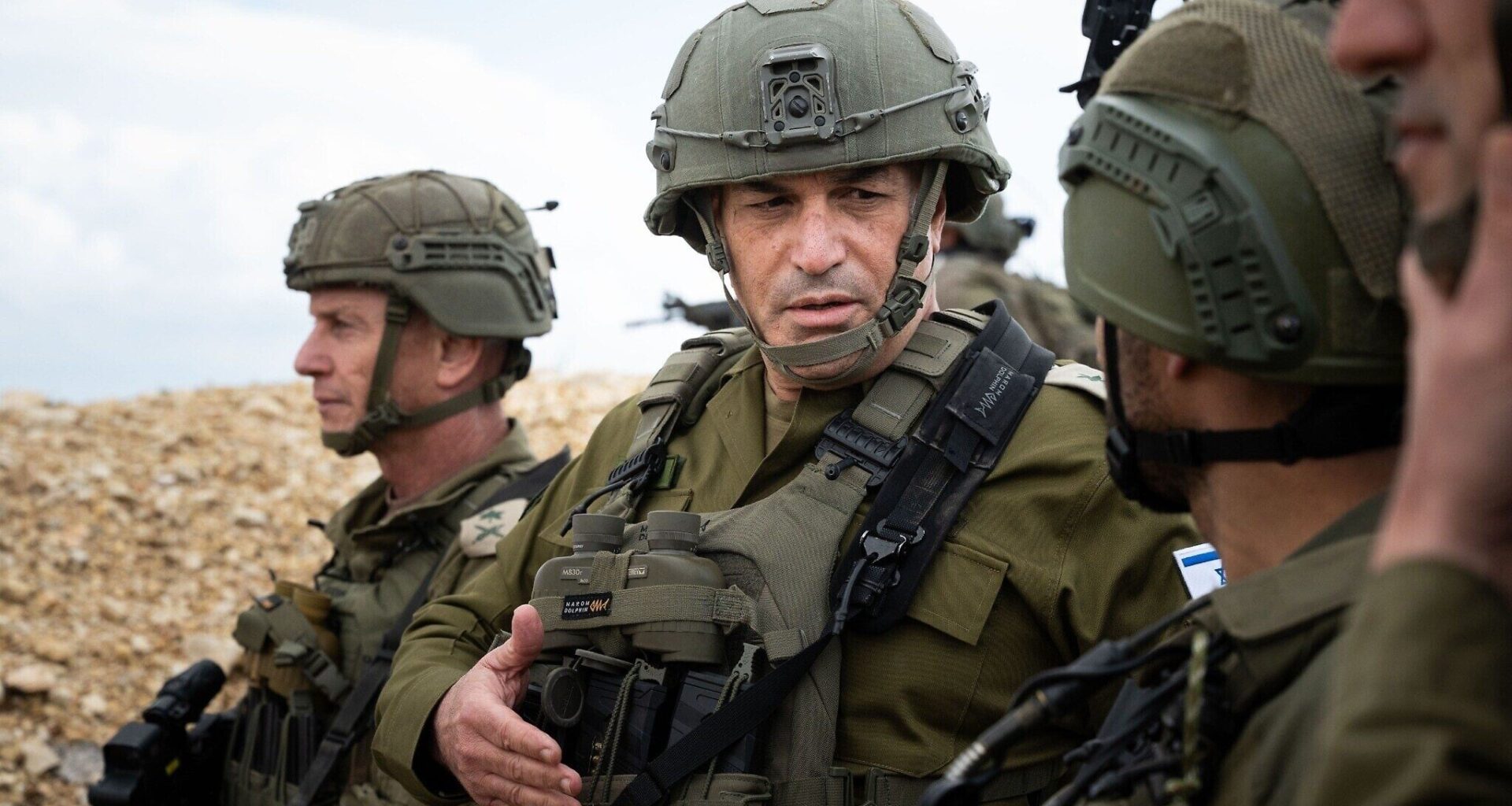
IDF Chief of Staff Lt. Gen. Eyal Zamir again warned lawmakers on Wednesday that the military would face “severe harm” if the government does not pass legislation addressing the army’s personnel shortages.
Zamir was responding to members of Knesset who sent him a letter criticizing the removal of a reservist battalion from the West Bank, after troops detained and allegedly assaulted a CNN crew while trumpeting far-right ideology.
The IDF chief, in his response letter dated March 30, wrote that the MK’s letter was “important.”
He added that he wanted to address “the concern that you raised regarding IDF soldiers and the reserve system in particular, and to call on you to fulfill your responsibility.”
“The central challenge standing at our doorstep in the campaign is the expansion of the missions that the IDF leads, including: defense against threats to our communities on the borders, and the realization of a concept of removing threats before their development,” he wrote.
Get The Times of Israel’s Daily Edition
by email and never miss our top stories
By signing up, you agree to the terms
Zamir has several times urged the government to again extend mandatory military service for men to 36 months, after it was shortened to 30 months in August 2024. In January 2027, the first cohort enlisted under this shorter service will be relieved, further exacerbating manpower issues, unless the existing law is changed.
“In January, the decision to shorten mandatory service to 30 months will come into effect, and this is despite my clear demand in the past year to move in the opposite direction of extending the service,” he said.
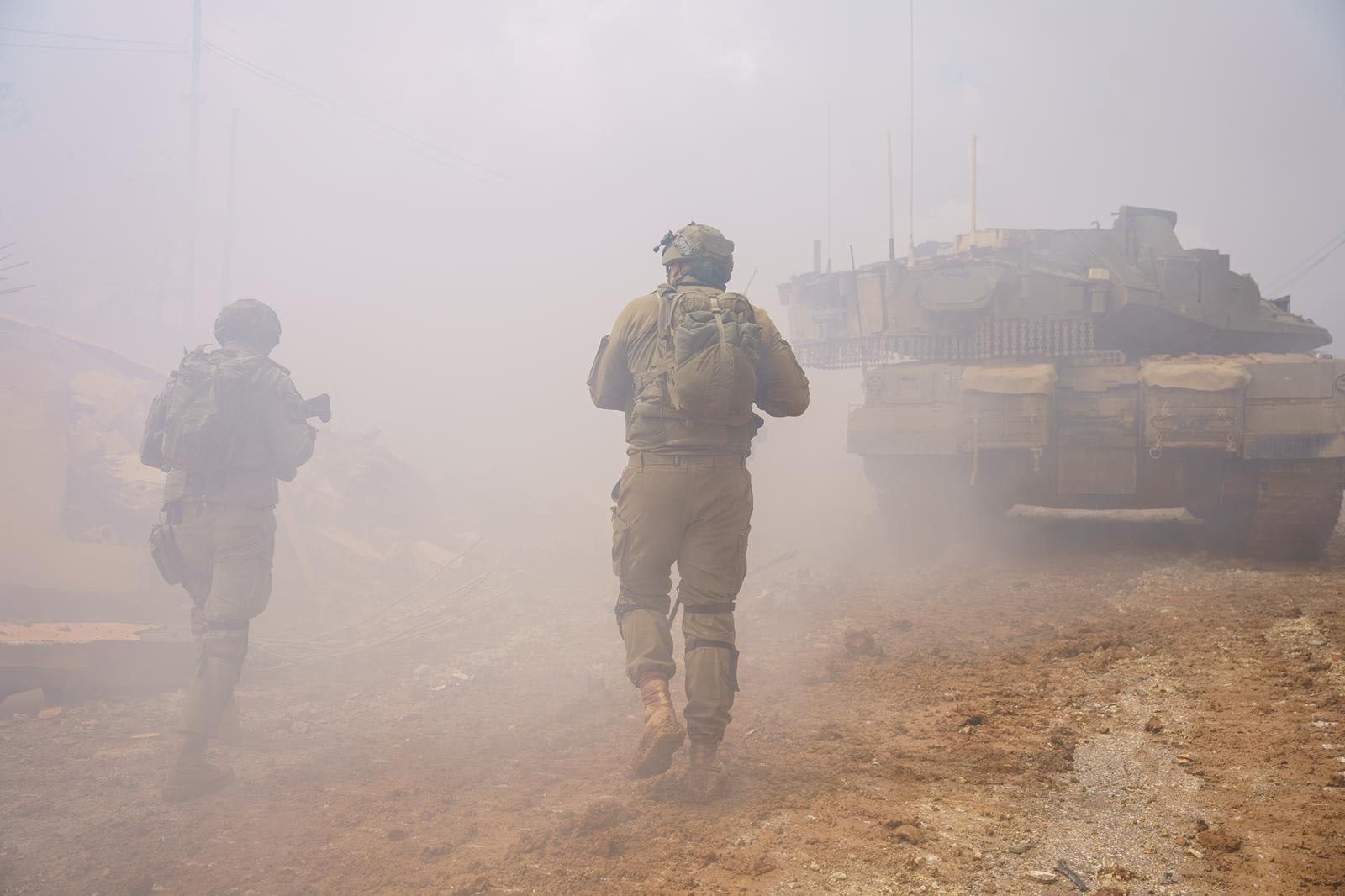
IDF troops of the 769th ‘Hiram’ Brigade operate in southern Lebanon, in a handout photo issued by the military on March 29, 2026. (Israel Defense Forces)
“The meaning of this is severe harm and a decrease in the IDF’s force size, which will be expressed in a shortage of thousands of fighters and combat-support personnel,” Zamir warned.
Zamir said the “heavy price” will be paid by reservists and their families. “They are the ones who will be called to service time after time.”
“I ‘raised red flags’ both in the last cabinet meeting and in meetings with the subcommittee of the Foreign Affairs and Defense Committee, and on additional opportunities,” he said, confirming reported warnings he recently made to lawmakers.
Zamir said he requested that three laws “that affect the readiness of the IDF and its reserve system be advanced.”
Those include a law extending the mandatory service time; a law changing how reservists are called up and for how long, given that currently the IDF relies on emergency call-up orders with various limitations; and “a relevant conscription law that will be adapted to the needs of the IDF at the present time.”

An Ultra-Orthodox man near a protest outside an IDF enlistment center in Jerusalem, June 10, 2025. (Chaim Goldberg/Flash90)
The current government has been working to pass a bill that would enshrine blanket exemptions from military conscription for Haredi yeshiva students, despite the IDF warning repeatedly that it needs more troops after two years of war.
The bill has come under fire from IDF brass, the attorney general, and a wide array of other critics, who have objected to it on the grounds that it is full of loopholes, preserves inequality in the mandatory draft, and will not increase Haredi enlistment amid what the military says is a manpower shortage.
A senior military officer told lawmakers in December that the bill falls short of solving the IDF’s manpower shortage.
The IDF has said it urgently needs 12,000 recruits — mostly combat troops — due to the strain on standing and reserve forces caused by the IDF’s recent conflicts.
Some 80,000 ultra-Orthodox men aged between 18 and 24 are currently believed to be eligible for military service, but have not enlisted.
“In summary, in light of the expansion of missions in the coming years and the motivation of the IDF to realize them all with excellence, the IDF is required to grow,” Zamir wrote. He added, “As we have expressed more than once, we need a large and strong army.”
Sam Sokol contributed to this report.
You appreciate our wartime journalism

You clearly find our careful reporting of the Iran war valuable, at a time when facts are often distorted and news coverage often lacks context.
Your support is essential to continue our work. We want to continue delivering the professional journalism you value, even as the demands on our newsroom have grown dramatically during this ongoing conflict.
So today, please consider joining our reader support group, The Times of Israel Community. For as little as $6 a month you’ll become our partners while enjoying The Times of Israel AD-FREE, as well as accessing exclusive content available only to Times of Israel Community members.
Thank you,
David Horovitz, Founding Editor of The Times of Israel