
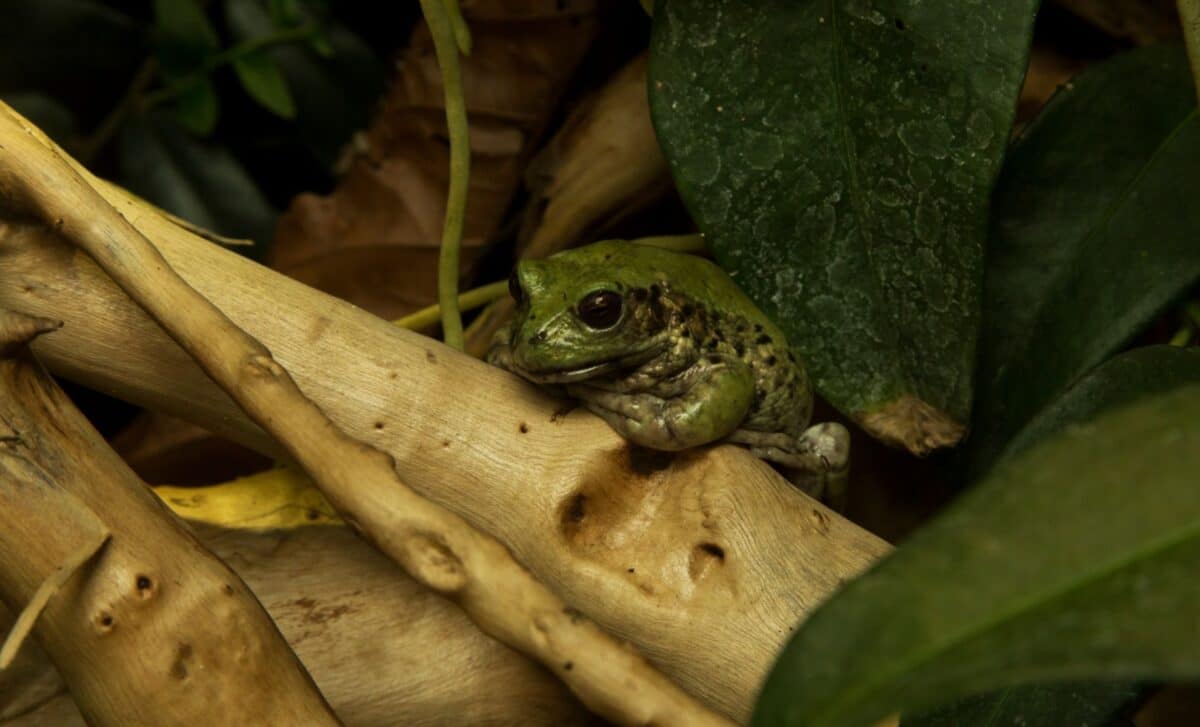
A miniature frog species capable of nurturing its eggs in a natural pouch on its back has been formally described by researchers working in the Peruvian Amazon, adding to the documented diversity of amphibians in one of South America’s most ecologically productive mountain zones.
The discovery, announced in early April 2026, was published in the New Zealand scientific journal Zootaxa and undertaken in collaboration with Florida International University and the University of Seville in Spain. The species was identified by researchers affiliated with the Ceja de Selva Research Institute for Sustainable Development, part of the Toribio Rodriguez de Mendoza National University in Peru.
A Distinctive Reproductive Strategy Sets the Species Apart
The newly described amphibian, formally named Gastrotheca mittaliiti, measures between 2.7 and 3.3 centimeters in length and is characterized by bright green dorsal coloration and prominent rounded pustules covering its back. It was found in the subalpine páramo of Peru’s Amazonas department, in the Huancabamba region near the border with Ecuador.
What distinguishes it within the broader frog world is its mode of reproduction. While the majority of frog species depend on standing or running water for egg development, Gastrotheca mittaliiti uses a pouch on its back to carry and nurture its young, the defining trait of the genus Gastrotheca, a group of marsupial frogs native to Central and South America. According to the Zootaxa study, phylogenetic analysis of mitochondrial and nuclear gene sequences placed the new species within the Gastrotheca marsupiata species group, identifying it as the sister species of G. trachyplevra.
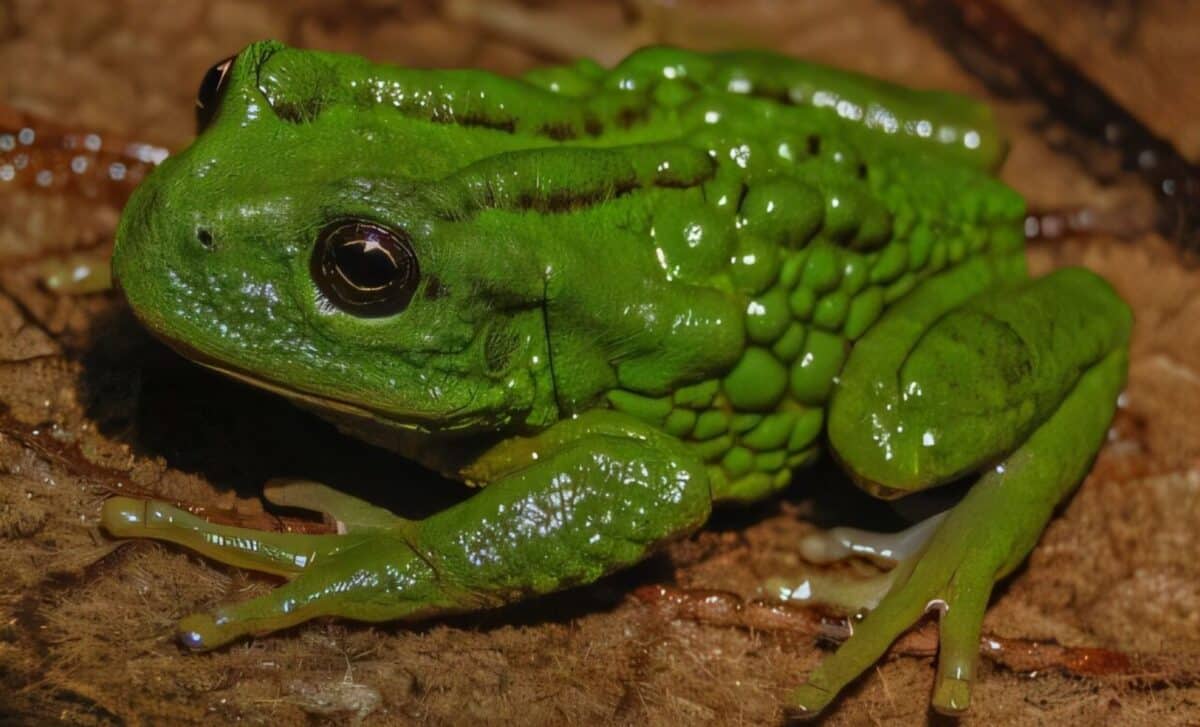 Gastrotheca mittaliiti, the newly discovered species of frog ©AFP Photo
The researchers distinguished it from related species through a combination of morphological features, including a thick and elevated supratympanic fold covered with closely packed pustules, two prominent pustular ridges running parallel to the spine, and narrow finger and toe discs with truncate terminal margins. The study also reported the first recorded presence of a related species, G. turnerorum, in Peru, along with new morphological data on Peruvian populations of that species.
Manuel Oliva, director of the Ceja de Selva Research Institute, told Agence France-Presse that the find reflects the depth of biodiversity still awaiting formal documentation in the region. “If we continue our research, there are many species still waiting to be discovered,” he said.
Habitat Degradation Poses an Immediate Threat
Despite the scientific interest generated by the discovery, the researchers classify Gastrotheca mittaliiti as facing high conservation risk. Its habitat in the Huancabamba region is being degraded by a combination of climate change and fires set by farmers clearing land, pressures that are reducing and fragmenting the montane ecosystems the species depends on.
The Huancabamba region, according to the study, represents a hotspot of Gastrotheca species richness, a pattern the researchers discuss in biogeographic and conservation terms. The exact size of the wild population of G. mittaliiti has not yet been determined, and the absence of reliable population data complicates any assessment of the scale of the threat it faces.
The finding adds to a broader pattern of amphibian discoveries emerging from Andean and Amazonian Peru in recent years, regions where difficult terrain and limited research infrastructure have left large portions of the fauna undescribed. According to the Ceja de Selva Research Institute, continued fieldwork in ecosystems like the subalpine páramo is likely to yield further new species.
Amphibians are among the most threatened vertebrate groups globally, with habitat loss, disease, and climate change driving population declines across multiple continents. Newly described species, particularly those with restricted ranges and specialized habitats, are often among the most vulnerable from the moment of their formal identification.