
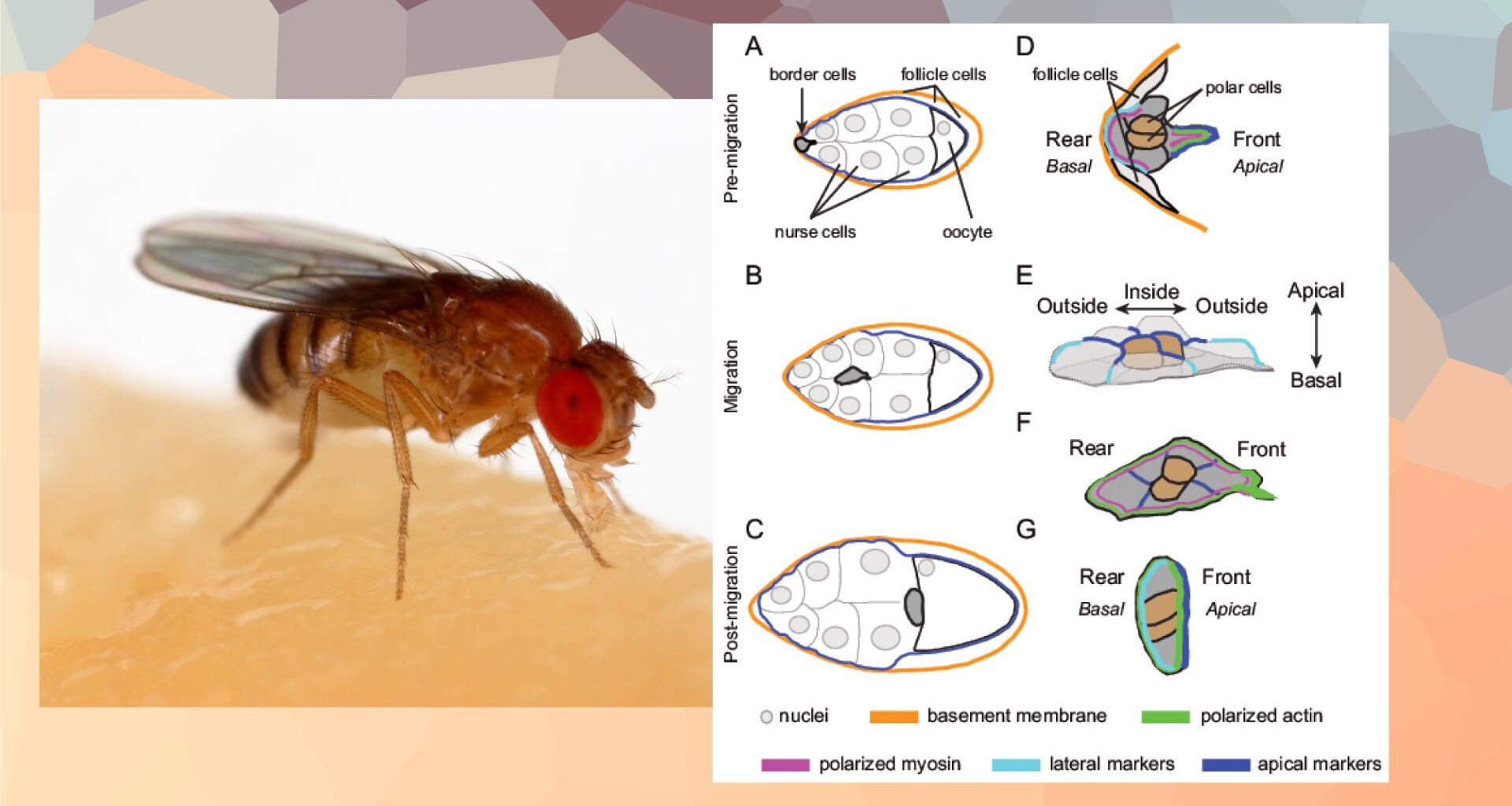
Researchers have compiled evidence showing that the humble fruit fly could help us learn more about human fertility through a cellular recycling process called autophagy. Researchers from the Agharkar Research Institute and Savitribai Phule Pune University reviewed decades of studies on autophagy to understand how cells break down and recycle their own components to ensure the proper development of egg cells. This vital quality-control mechanism, once thought to be merely a panic response to starvation, is now understood to be a highly programmed routine essential for creating healthy offspring.
The research explores oogenesis, the process by which a stem cell in the ovaries matures into a fully formed egg. Using the fruit fly, Drosophila melanogaster, scientists have been able to track autophagy in real time. Because fruit flies share nearly 70% of their disease-causing genes with humans, they serve as a good genetic mirror to our own biology.
The researchers reviewed the use of genetic manipulation tools, such as CRISPR gene editing, alongside high-resolution fluorescent microscopes that make the cell’s internals glow in the dark, to control the cellular recycling., Using these techniques, earlier studies had found that when specific autophagy-related genes are silenced, the egg chambers became deformed, toxic cellular waste accumulated, and mutated, energy-draining mitochondria were passed on rather than destroyed.
Autophagy was earlier believed to be strictly a survival mechanism triggered by environmental stress, like a lack of food. More recent research has demonstrated that autophagy is constantly working behind the scenes, even during normal development. It orchestrates the programmed death of helper cells that deliver their nutrients to the growing egg, which is then meticulously cleared away. Furthermore, the researchers highlighted a recently discovered process called programmed germline mitophagy, a specialised form of autophagy that acts as an evolutionary bouncer, selectively kicking out defective mitochondria before they can be inherited by the next generation.
Given the remarkable similarity between fruit flies and mammals in cellular architecture and reliance on autophagy for nutrient transfer, these findings provide a direct window into human reproductive health. By understanding how cellular recycling maintains egg quality in a tiny insect, medical researchers are gaining crucial insights into the root causes of human infertility, premature ovarian failure, polycystic ovarian syndrome, and the natural decline of fertility as women age. This could eventually pave the way for novel therapeutic interventions that help preserve egg quality and extend reproductive lifespans in humans.