
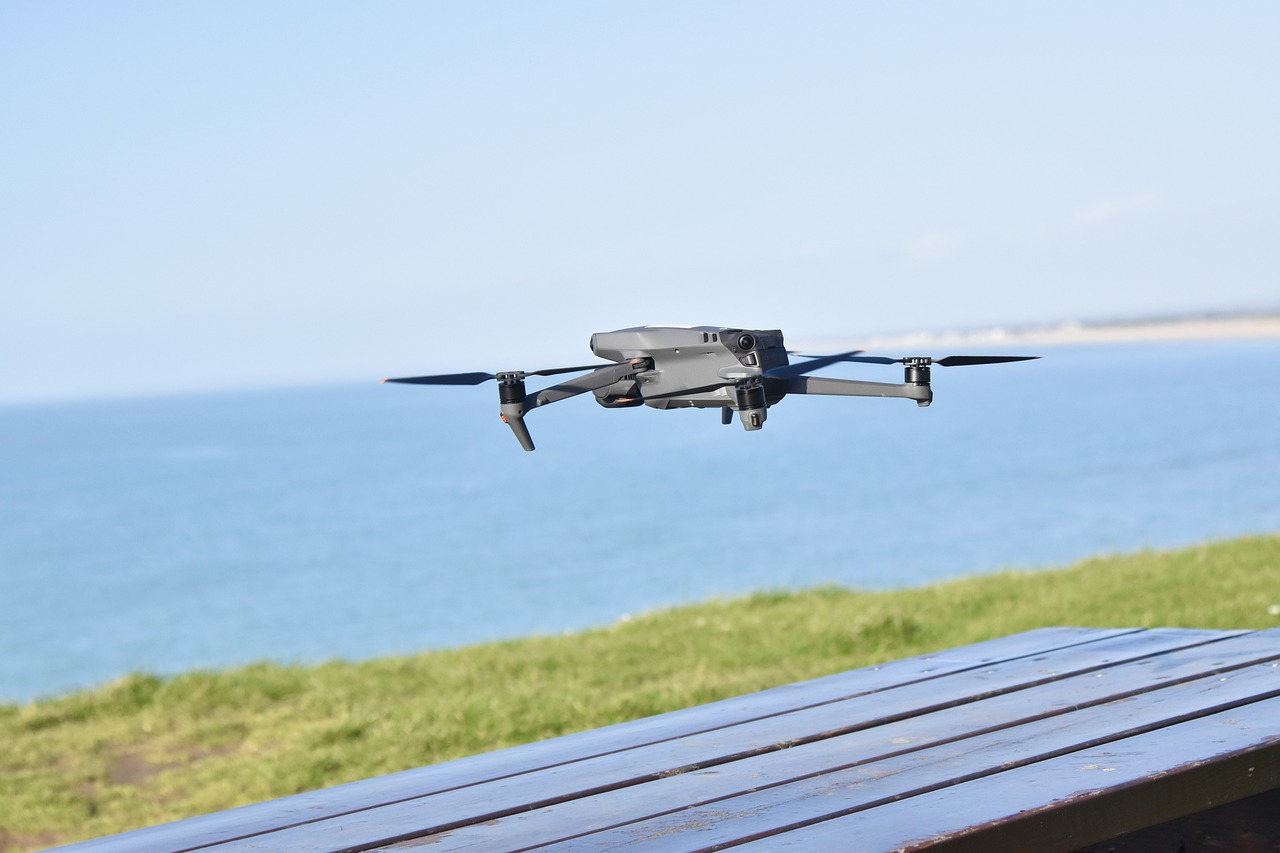
 Representational image
This post is also available in:
 עברית (Hebrew)
The rapid rise of drone warfare has exposed a key limitation in traditional radar systems. Small, low-flying drones are difficult to detect, especially when deployed in large numbers. When swarms are used alongside decoys, radar operators face an even greater challenge: distinguishing real threats from false targets amid clutter such as terrain reflections, buildings or weather interference.
Recent developments in AI-assisted radar technology aim to address this gap. Chinese researchers are working on systems that combine advanced radar methods with machine learning algorithms capable of processing large volumes of data in real time. According to Interesting Engineering, the goal is to improve detection accuracy and enable operators to identify which objects in a crowded airspace require immediate attention.
One approach involves the use of inverse synthetic aperture radar, a technique that observes moving targets from multiple angles. This allows the system to collect more detailed information about each object’s behavior and structure. By analyzing these characteristics, the radar can differentiate between drones, environmental noise and potentially even distinguish decoys from operational platforms within a swarm.
Artificial intelligence plays a central role in this process. Machine learning models are trained to recognize patterns in radar returns, helping to filter out irrelevant signals and highlight meaningful targets. Initial trials indicate that integrating AI significantly improves the system’s ability to track low-altitude drones and maintain continuous monitoring even in complex environments.
A key advantage of this approach is its ability to handle scale. Detecting and tracking large numbers of drones requires substantial computational power, which has traditionally limited radar performance. AI-based processing helps manage this load by automating signal analysis and prioritizing relevant data, enabling faster and more reliable identification.
Drone swarms have been used to overwhelm air defense systems by saturating sensors and creating confusion. A radar system that can separate decoys from genuine threats could improve response times and support more effective interception strategies.
As drone technology continues to evolve, detection systems must adapt accordingly. AI-enhanced radar represents a step toward maintaining situational awareness in environments where the number and complexity of aerial targets continue to grow.