
The post Twin Gorilla Births Bring Hope to Endangered Species appeared first on A-Z Animals.
Quick Take
Twin births in mountain gorillas occur in less than 1% of cases, making this event extremely rare.
Two separate sets of twins were born just months apart in Virunga National Park.
The births signal strong conservation progress for endangered mountain gorillas.
Despite progress, gorillas still face high infant mortality, disease, and regional conflict threats.
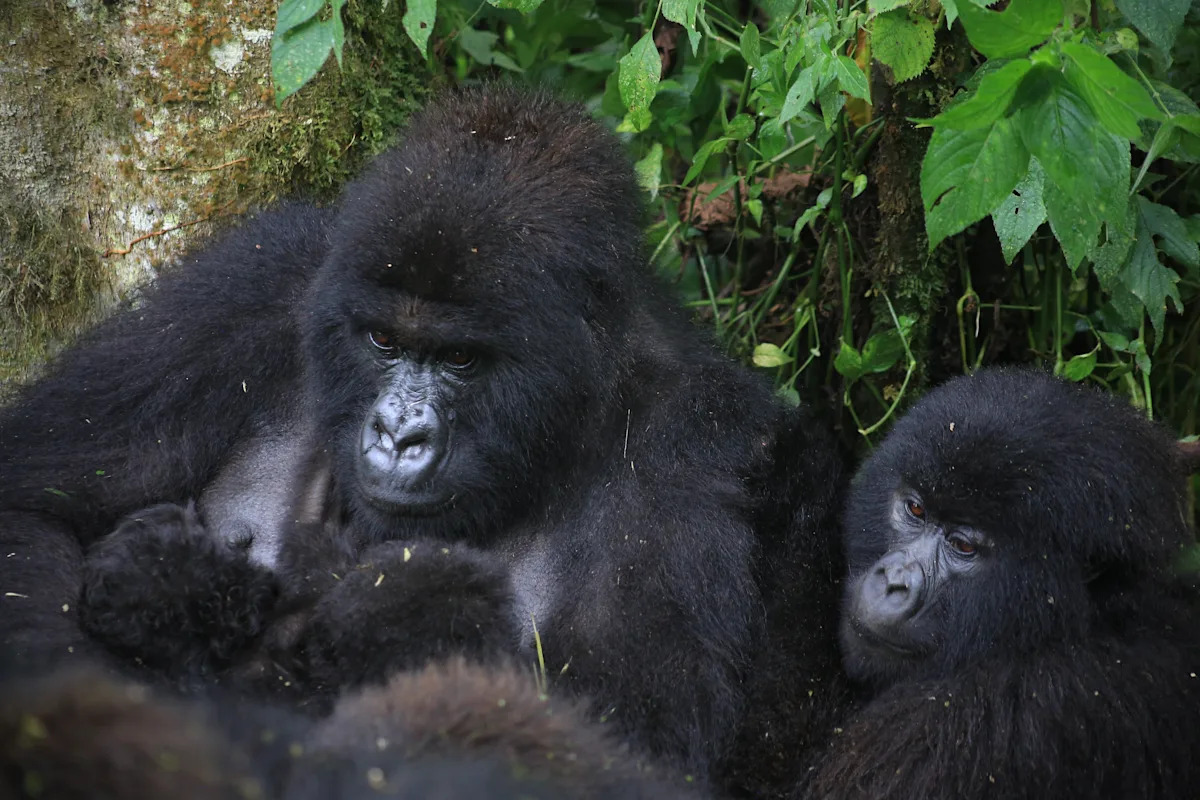
Twin births are incredibly rare for mountain gorillas, accounting for less than 1% of all births. Even more remarkable for mountain gorillas is two sets of twins born within three months to the same population. Officials just announced a set of twins born two months after a previous announcement of twin births among the gorillas in the Democratic Republic of Congo’s (DRC) Virunga National Park.
Conservationists are cheering the remarkable news, which highlights the positive effects conservation efforts are having on the endangered mountain gorilla. Jacques Katutu, Head of Gorilla Monitoring at Virunga National Park, said in a press release, “Two instances of twin births within 3 months is an extraordinary event and provides another vital indicator that dedicated conservation efforts, which have continued despite the current instability in eastern Congo, continue to support the growth of the endangered mountain gorilla population within Virunga National Park.”
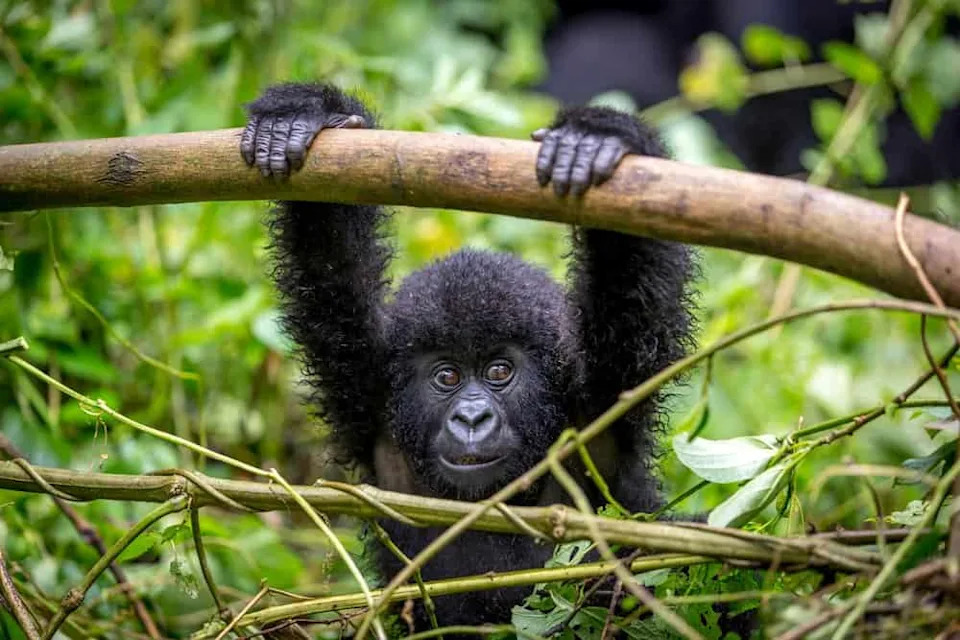
Mountain gorilla babies face many threats before they can grow to adulthood.
©LMspencer/Shutterstock.com
(LMspencer/Shutterstock.com)How Rare Are Gorilla Twins?
Laura Parker, Head of Conservation Programs, Virunga National Park, told Discover Wildlife, “Twin births are rare across primate species, as most species are biologically adapted to give birth to a single baby at a time.” Research shows that less than 1% of all mountain gorilla (Gorilla beringei beringei) births are twins.
Even caring for just one primate baby takes a lot of time, energy, and food for the baby to thrive. Twins mean there is an extra mouth to feed and an extra little one to tote around. Gorillas carry their infants nearly all of the time for the first four to six months. Even after the babies learn to walk independently, they will often ride on their mother’s back or get carried from time to time for the first three to four years, until they are fully weaned.
Meet the Twins
In January 2026, park officials announced the birth of twin male mountain gorillas to the adult female Mafuko within the Bageni family. The Bageni family is the largest gorilla troop in the park, with 59 individuals. According to field observations, the two male babies are thriving, while the troop is helping Mafuko care for her babies.
Only a few months later, Virunga officials announced a second set of twins. This time, in the Baraka family, which is a smaller family troop made up of 19 individuals. Field teams believe the twins are a male and a female.
Conservation Success Story
The birth of two sets of twins in the park is a hopeful sign that conservation efforts are working to increase the health and protection of mountain gorillas. According to the press release, “Observations in Virunga suggest that such rare events may occur when females are in particularly good physical condition, although no direct causal relationship can be established.” The release continues, “From a biological perspective, twin births are most likely the result of hyper-ovulation, where two or more ova are released and fertilized.”
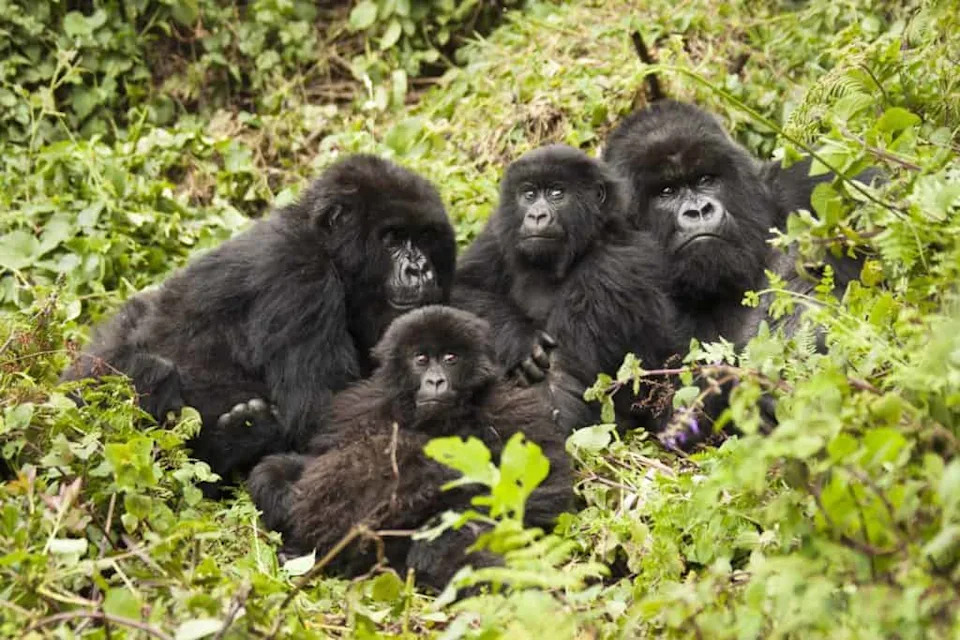
Mountain gorillas live in family groups led by a dominant male.
©Mary Ann McDonald/Shutterstock.com
(Mary Ann McDonald/Shutterstock.com)
Mountain gorillas are a subspecies of the eastern gorilla (Gorilla beringei). In the 1970s, only about 240 individuals remained. Mountain gorillas face many threats, including climate change, disease, habitat destruction, and attacks by human poachers. After intense conservation efforts, researchers found that by 2018, their numbers had increased to over 1,000. Today, their classification has moved from critically endangered to endangered.
One important facet of the gorilla population recovery has been receiving specialized veterinary care. One study showed that “extreme” conservation, defined as providing “veterinary care and close monitoring of individual animals,” was responsible for half of the mountain gorillas’ population increase. Park wardens will continue to monitor the new babies in the troops, giving them extra protection.
Survival Challenges
Mountain gorillas face high rates of infant mortality. A study looking back over 46 years revealed nearly 25% of infants died, mainly from trauma and disease. Trauma was the leading cause and likely resulted from infanticide, accidental deaths, and aggression from other troops.
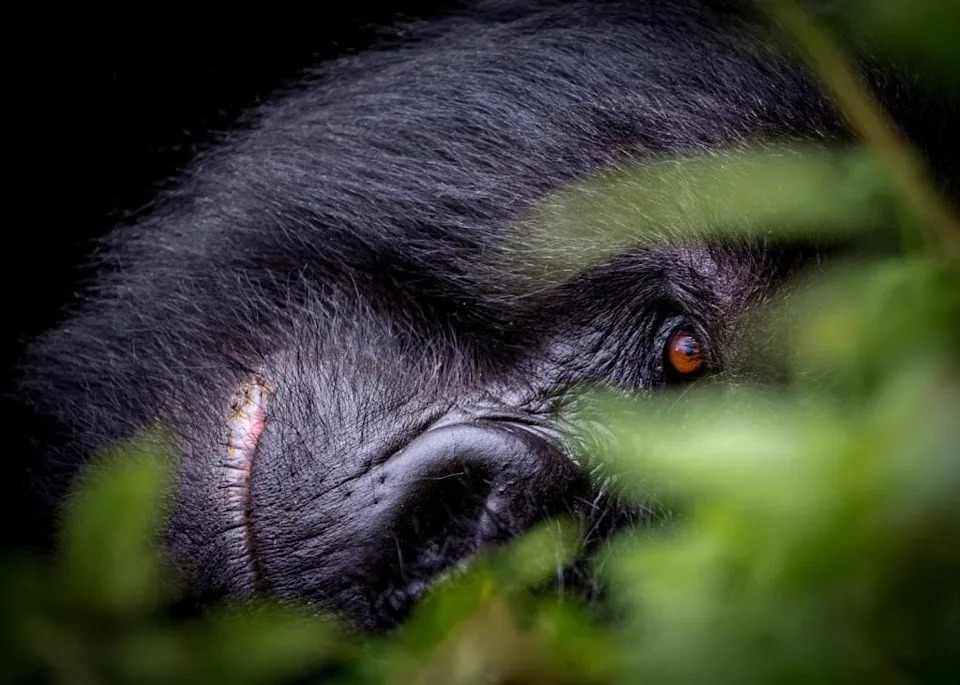
Mountain gorillas face many threats, including climate change, poachers, and habitat destruction.
©Holger Metzger/Shutterstock.com
(Holger Metzger/Shutterstock.com)
In addition to these challenges, the region is in an area of active conflict, making it difficult for park rangers to monitor gorillas in some parts of the park. Today, Virunga is closed to tourists until further notice due to the presence of the M23 rebel group.
What Twin Births Mean for the Species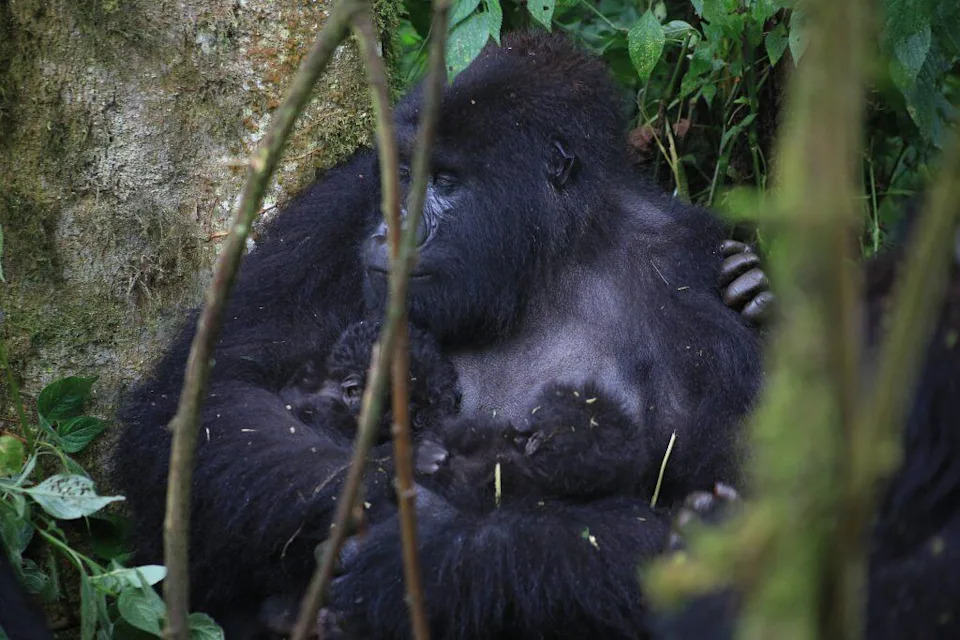
A second set of twins born to Virunga mountain gorillas in 2026 was observed in the Baraka Family in March 2026.
©Virunga National Park.
(Virunga National Park.)
Although the new infants face many challenges, conservationists remain hopeful that the rare births will help the mountain gorilla population grow. Gorillas have slow reproductive rates, which is one reason it is hard to improve population numbers quickly. Female gorillas reach sexual maturity at around 7 or 8 years of age, but don’t give birth until around 10 years of age. With such a small number of individuals left on the planet, each birth represents a meaningful boost for the species.
The post Twin Gorilla Births Bring Hope to Endangered Species appeared first on A-Z Animals.