
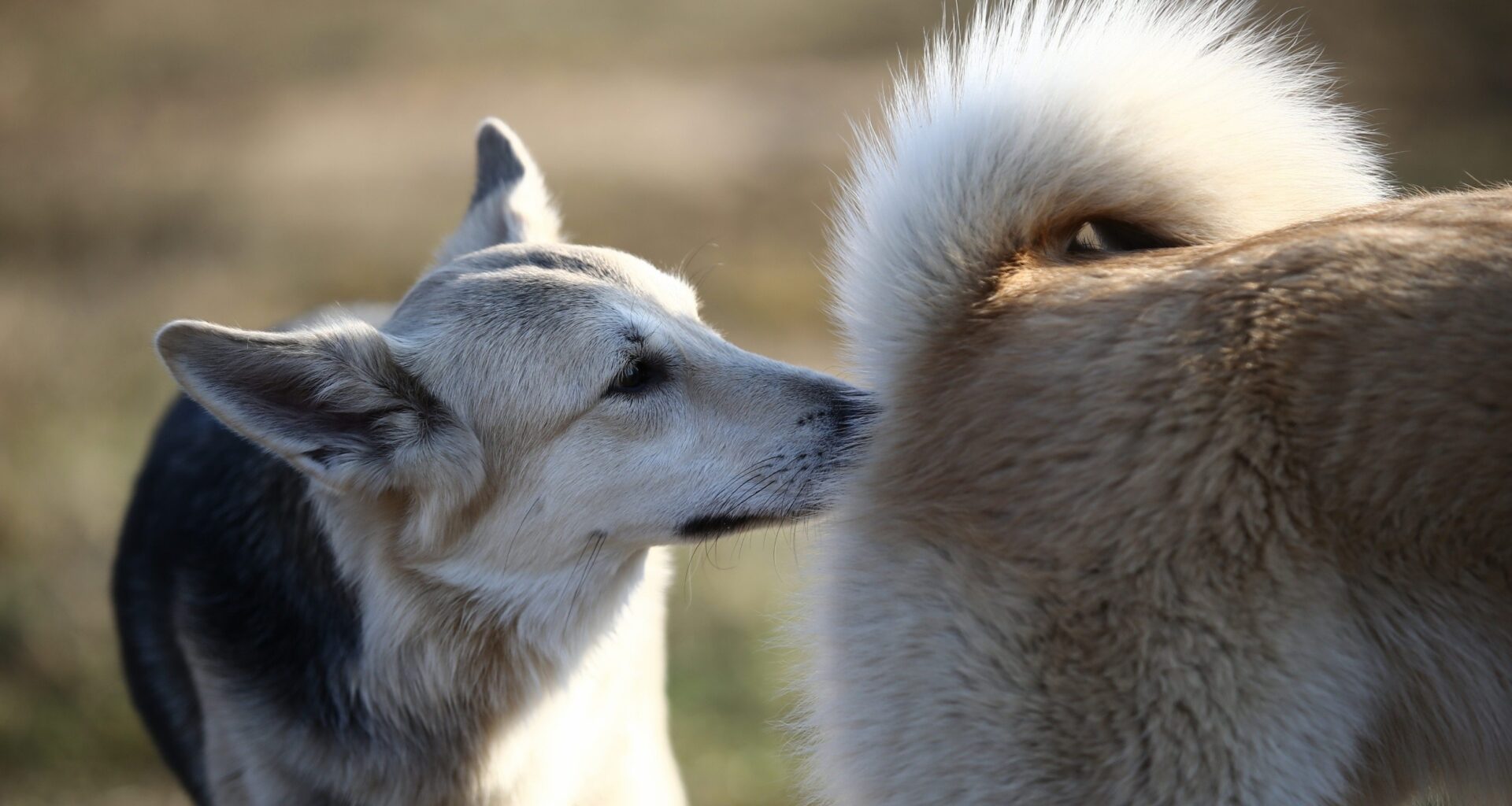
The smell of another animal may seem like a small detail. But what if that smell decides who becomes powerful and who backs down?
A new study from Northwestern University shows that tiny gut bacteria can shape social behavior in surprising ways.

Scientists discovered that bacteria in the gut produce a chemical smell that affects how mice behave around each other.
This smell helps decide which mouse becomes dominant and which one becomes submissive. This finding shows a deep connection between the gut, the nose, and the brain.
Gut microbes shape behavior
For many years, scientists believed that gut bacteria mostly help with digestion. Now, research shows that these microbes also affect behavior. They produce chemicals that travel through the body and even influence the brain.
“Over the past 20 years, there’s been a growing realization that microbes in the gut have profound influences on behavior and physiology,” said Northwestern’s Thomas Bozza, who led the study.
“They produce bioactive chemicals that affect the function of many organ systems, including the immune system, and can even cross the blood-brain barrier to affect behavior.
These chemicals can influence social behavior through smell, building on signals produced by the microbiome. This study is the first to show not just that microbes affect behavior, but how that process works step by step.”
Bacteria create smell signals
The researchers focused on a chemical called trimethylamine, or TMA. This compound smells like rotten fish. Gut bacteria produce it when they break down foods like eggs and meat.
This chemical builds up in adult male mice and gets released through urine. It acts as a signal that tells other mice that the animal is a mature male. This makes it important in social interactions.
“It seemed like mice use TMA as a male-specific odor,” Bozza said. “But we weren’t sure what they were doing with this odor. There was no social behavior tied to this chemical or its receptor.”
The study shows that this smell is not random. It plays a clear role in communication between animals.
Nose sends signals to the brain
The nose detects TMA using a special receptor called TAAR5. This receptor sits in the main olfactory system, which processes smells.
When TMA activates this receptor, it sends signals to the brain, which then changes how the animal behaves. This creates a direct path from gut bacteria to behavior.
This finding is important because it shows a complete system. A chemical produced by microbes can directly influence behavior through a specific sensory pathway.
How smell shapes dominance
When mice smell TMA, their behavior changes quickly. Dominant mice start fights, while other mice become defensive. These actions help form a social hierarchy.
The study shows that early aggressive actions often determine which mouse becomes dominant. Mice that attack first usually gain control, while others take on a lower position.
When scientists removed the TAAR5 receptor, this system stopped working properly. Mice still interacted, but the clear difference between dominant and subordinate behavior faded, making the social structure less stable.
“They end up establishing a hierarchy, but that hierarchy is less stable,” Bozza said. “The animals don’t recognize their place within the hierarchy and essentially miss social cues. That affects the dynamic among the animals.”
Signal changes alter dominance
The researchers also tested what happens when TMA levels change. When they reduced TMA production in gut bacteria, aggression decreased. When they added TMA back, aggressive behavior returned.
In another experiment, young mice were given TMA, and adult mice treated them as rivals and showed more aggression. This shows that the smell alone can change how animals are treated.
The study also found that TMA does two things: it increases the chance of aggression and helps create a stable social hierarchy. Without this signal, mice take longer to determine who is dominant.
Similar system found in humans
This discovery may also relate to humans. Humans have a similar receptor called TAAR5 that can detect the same chemical.
“There are six intact TAARs in humans,” Bozza said. “The only one that we find reliably expressed in the olfactory system is TAAR5, which is the TMA receptor.”
“While we probably don’t use TAAR5 and TMA as an aggressive cue, we must have retained TAAR5 for a reason. It’s a beautiful example of how the olfactory system has tuned itself to molecules produced by microbes with whom we share the environment.”
There is also a human condition in which TMA builds up in the body and creates a strong odor. This can affect social interactions, suggesting that smell still plays a role in human behavior.
Rethinking how behavior works
This research from Northwestern University shows how deeply connected the body is. Tiny gut bacteria can shape social behavior through simple chemical signals.
It reveals a full pathway from microbes to behavior. Bacteria produce a chemical, the nose detects it, and the brain uses it to guide actions.
This discovery changes how scientists understand behavior. It shows that social interactions are not controlled only by the brain. Invisible microbes inside the body also play an important role.
The study is published in the journal Current Biology.
—–
Like what you read? Subscribe to our newsletter for engaging articles, exclusive content, and the latest updates.
Check us out on EarthSnap, a free app brought to you by Eric Ralls and Earth.com.
—–