
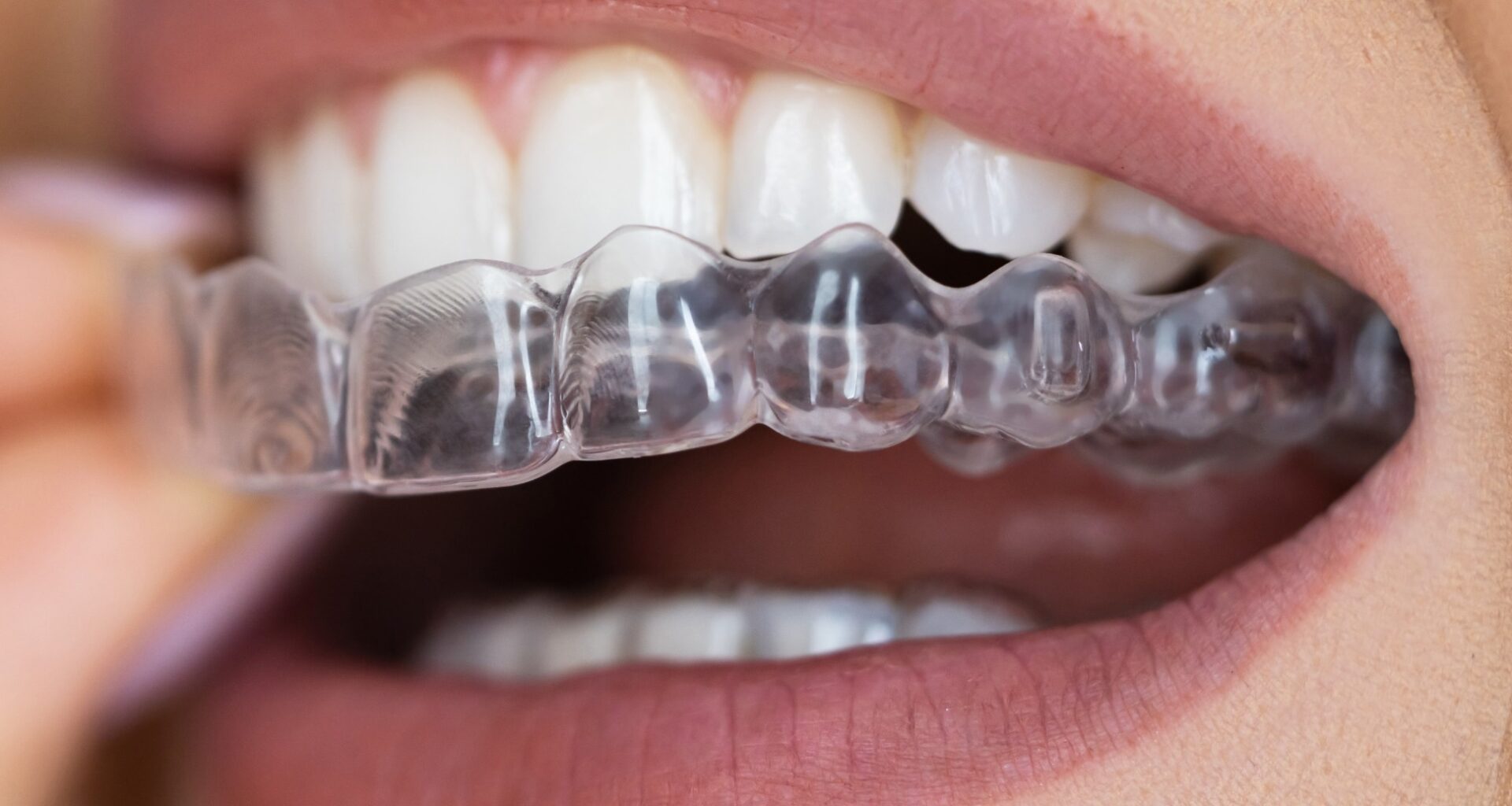
A 24-hour microbiome study suggests that cola can rapidly disturb the aligner-tooth microenvironment, and that removing aligners before drinking may leave behind residues linked to greater microbial disruption later in the day.
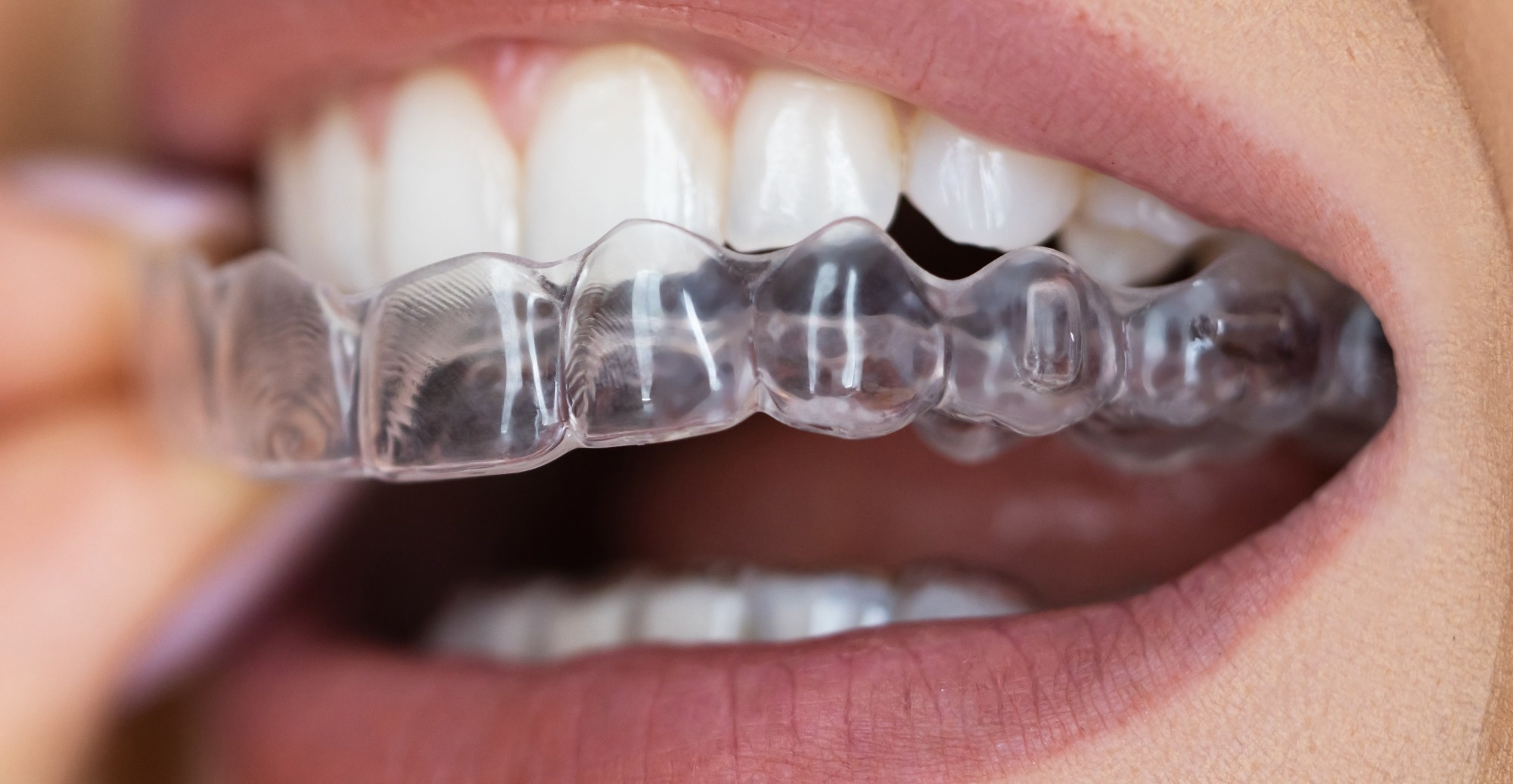
Study: The Changes of Microbiome Attached on Clear Aligners after Drinking Coca-Cola. Image Credit: Andrey_Popov / Shutterstock
In a recent study published in the Polish Journal of Microbiology, researchers investigated the longitudinal changes in pH and bacterial composition on the inner surfaces of clear aligners following consumption of the carbonated soft drink, cola. Clear aligners are transparent, removable orthodontic trays that fit snugly over the teeth and gradually move them into better alignment. The study used 16S rRNA gene sequencing and operational taxonomic unit (OTU) abundance profiling to analyze data from 24 subjects across three experimental conditions.
Study findings revealed that soft drink consumption induces a significant immediate drop in pH and short-term microbial imbalances. These outcomes were most severe in participants who removed their aligners during consumption before replacing them, particularly around 12 hours after exposure.
The study concluded that aligners may provide a possible shielding effect against some of cola’s immediate effects during consumption, but the authors emphasized that the mechanism remains hypothetical and requires further study.
Background
Decades of dental and, more recently, oral microbiome research have established that the human oral cavity hosts a sophisticated ecological network of microorganisms. Under homeostatic conditions, this microbiome acts as a protective barrier against pathogenic colonization. However, clear aligners fully encase the crowns of teeth, potentially creating a localized environment in which the microbiome and pH may directly affect enamel integrity.
Carbonated beverages are well-documented drivers of dental caries. However, their specific interaction with the clear aligner interface remains understudied. Previous literature has largely focused on the structural integrity or discoloration of the aligner material itself rather than on the microbial dynamics occurring beneath it.
About the study
The present study aimed to address current knowledge gaps and inform future oral health practices by examining how the “inner micro-environment” responds to the highly acidic and sugar-rich profile of cola.
The study sample cohort comprised 24 healthy female graduate students (mean age = 23.1 years), each of whom received custom-made passive clear aligners. Participants were divided into one of three experimental conditions:
Group A (Control cohort): These participants consumed a normal diet but did not consume or rinse with cola.
Group B: Participants were required to remove their aligners, rinse their oral cavity with cola for 1 minute, and then replace their aligners.
Group C: Participants rinsed their oral cavities with cola for 1 minute while wearing their aligners.
Data collection involved fluid and plaque samples, which were harvested from the inner dental surfaces at five time points: T0 (3 minutes after wearing aligners), T4 (4 hours), T8 (8 hours), T12 (12 hours), and T24 (24 hours).
These samples were processed using high-throughput 16S rRNA sequencing, resulting in the generation of ~7,460,500 raw reads across 120 plaque samples. Statistical models leveraged a 97% similarity threshold to cluster these raw reads, thereby identifying 610 distinct Operational Taxonomic Units (OTUs; average per sample = 162).
Study findings
Analysis of the study’s longitudinal data revealed that pH values in Groups B and C decreased significantly at T0 (p < 0.05) compared to Group A. While these pH values were observed to temporarily recover by 4 to 8 hours, a secondary, more pronounced decline occurred at T12 (p < 0.05). Notably, Group B’s pH drop was significantly greater than Group C’s at T12 (p < 0.05).
Microbial diversity metrics analysis revealed similar trends, with the Shannon alpha-diversity index showing lower microbial richness and evenness in Groups B and C than in Group A from 0 to 12 hours, with the difference reaching statistical significance at 12 hours. Notably, Group B exhibited the most significant microbial imbalance at T12.
Specifically, Group B exhibited a significantly higher relative abundance of the phylum Fusobacteria than Group C at 4 and 12 hours (p < 0.05).
Simultaneously, Group B showed significantly reduced Actinobacteria abundance at 8 hours than Group C (p < 0.05) and lower Bacteroidetes levels than the control group at 12 hours (p < 0.05). These shifts are consistent with an unfavorable shift in microbial communities, although the paper does not classify all taxa as wholly beneficial or harmful.
Furthermore, Group B showed significantly higher beta diversity than the other groups at 12 and 24 hours (p < 0.05), indicating a more distinct microbial composition than the other groups at those time points.
Finally, at the 24-hour species-level analysis, Neisseria subflava abundance was significantly lower in the control group than in the cola groups (p < 0.05), while Haemophilus influenzae abundance was significantly higher in the control group (p < 0.05).
Conclusions
The present study demonstrates that cola consumption triggers a rapid and unfavorable shift in the aligner-associated microbiome. Within the 24-hour observation window, the study found that drinking without aligners (Group B) resulted in a lower pH and more severe dysbiosis than drinking while wearing aligners (Group C).
The authors propose that aligners may provide a physical dental “shielding effect,” whereas removing the aligner allows soda residue to adhere more extensively to the enamel. These residues may then become trapped against the tooth once the aligner is replaced, which the authors suggest could potentially exacerbate the impacts of subsequent bacterial metabolism and acid production.