
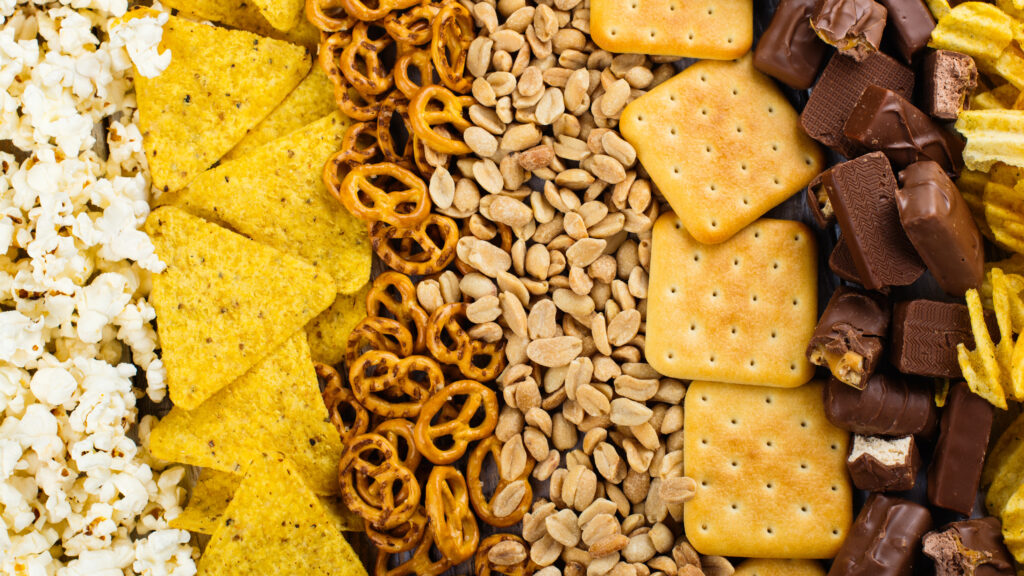
“Betcha can’t eat just one!”
This slogan for Lay’s potato chips seemed endearing in mid-20th-century America, before the rise of the obesity epidemic. Looking back from today, it foreshadowed a food industry that, critics contend, engineers irresistible products designed to make us overeat.
Specific combinations of sugar, salt, and fat, the thinking goes, render industrial foods not just tasty but excessively pleasurable — “hyperpalatable,” as some nutrition experts put it. Enhanced by chemical additives, these ultra-processed foods can reach a “bliss point” that drives craving and compulsive eating. In the modern food environment, many of us succumb to these temptations at the cost of our health.
Yet this narrative fails to withstand scrutiny and distracts from the real dietary drivers of obesity, as I argue in a new paper in PLoS Medicine.
We tend to think of tastiness as a quality inherent to food: Cheesecake is delicious, cauliflower is not. However, perception of tastiness is strongly influenced by conditioning and our internal metabolic state. Remember your first sip of coffee or beer? It probably seemed disagreeably bitter. But many people learn to savor these beverages, as the pleasant biological effects of caffeine and alcohol become paired with their taste. Similarly, the same freshly baked bread and butter taste better before a large meal, when blood calorie levels are low, than after.
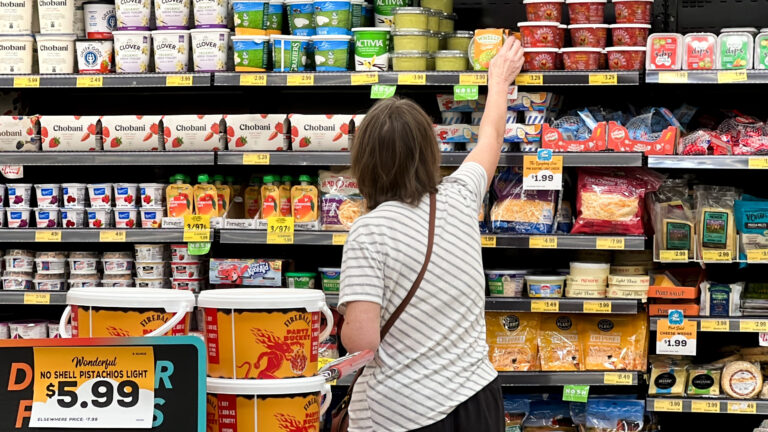
California considers seal of approval for foods that are not ultra-processed
In fact, there is surprisingly little evidence for the commonly held notion that excessively tasty foods cause people to overeat. As an authoritative review by neuroscientists and psychologists concluded, “palatability affects what one eats but does not reflect how much one eats.”
Furthermore, this belief defies common sense. Does the U.S. lead the world in obesity because of its exceptionally tasty cuisine? The French and Italians, among others, might beg to differ. And think about the implied solution: that we should require the food industry to produce less tasty products to protect the public from continual weight gain.
Clearly, something about modern industrially processed foods has contributed to the epidemics of diet-related diseases. If not excessive tastiness, then what? The answer is hiding in plain sight.
Typical binge foods share a common feature: They are composed mainly of fast-digesting carbohydrates that rapidly raise blood sugar (technically, those with a high glycemic load). Popcorn, potato chips, pretzels, fries, breakfast cereals, candy, and sugary beverages are relatively bland, yet they are remarkably easy to overconsume. By contrast, foods composed mostly of fat (olive oil, butter, avocado) or protein (egg whites, turkey breast, hamburger without the bun) are much harder to binge.
To explore how these carbohydrates affect the brain, my collaborators and I gave volunteers two milkshakes matched for calories, nutrients, and sweetness. One contained fast-digesting carbohydrate (corn syrup); the other, slow-digesting carbohydrate (corn starch). After the fast-digesting version, blood sugar initially surged. However, four hours later, it dipped, and the volunteers reported greater hunger. At that time, functional MRI showed strong activation of the nucleus accumbens — a brain area that mediates reward, cravings, and addiction.
This finding suggests that we crave processed carbohydrates not because of their palatability, but because of how they affect our metabolism. The calories from these foods don’t stay in the bloodstream for long. We come to crave them specifically because they rapidly raise blood sugar. The problem is that this sets the stage for the next surge-and-crash cycle.
Given the uniquely adverse effects of processed carbohydrates, legislation or litigation to restrict all foods currently designated ultra-processed would take a bludgeon to the food supply.
The definition of ultra-processing reflects a philosophy that idealizes traditional culinary practices and treats modern food processing methods as suspect, regardless of their health effects. Under this system, manufacturers can use limitless amounts of sugar and refined grain products — traditional ingredients — but not a range of benign or beneficial ingredients such as protein concentrates, fiber, flavor extracts, or even carbonation.
Targeting ultra-processed foods would make packaged foods less tasty and appealing, but no less fattening.
Ironically, many products now emblematic of ultra-processed foods were developed in response to calls from nutrition scientists and government to replace dietary fat with carbohydrates, a misguided campaign that did more harm than good. We can’t afford another sweeping restructuring of the food supply based on imprecise interventions and uncertain science.
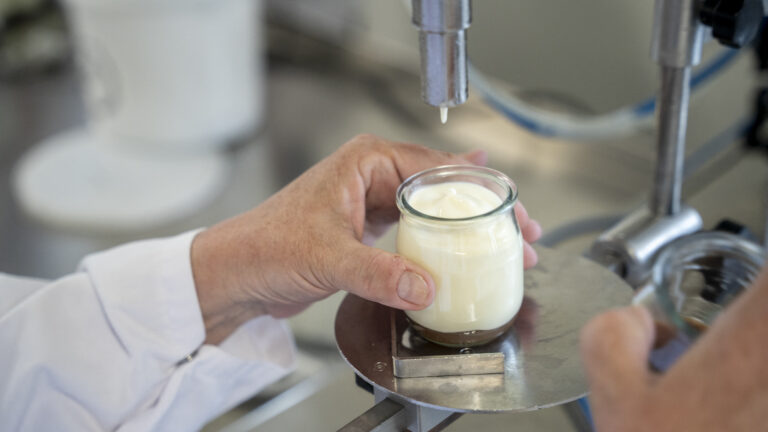
What’s the right way to define ultra-processed foods?
Instead, focusing on processed carbohydrates offers a more precise and pragmatic solution, one that could invite collaboration with, rather than opposition from, the food industry.
Delicious, calorie-rich food — whether home-prepared or packaged — isn’t the problem. What matters is how long we stay satisfied (satiety) relative to calories consumed. A 100-calorie snack or a sugary beverage isn’t better for our waistline than 200 calories from nuts if the lower-calorie option leaves us hungry and craving more soon after.
By targeting the dietary drivers of weight gain, rather than misleading notions about food palatability and pleasure, we can have our (low-carb) cake and eat it, too.
David S. Ludwig is professor of pediatrics at Harvard Medical School and author of “Always Hungry?”and “Always Delicious.”