
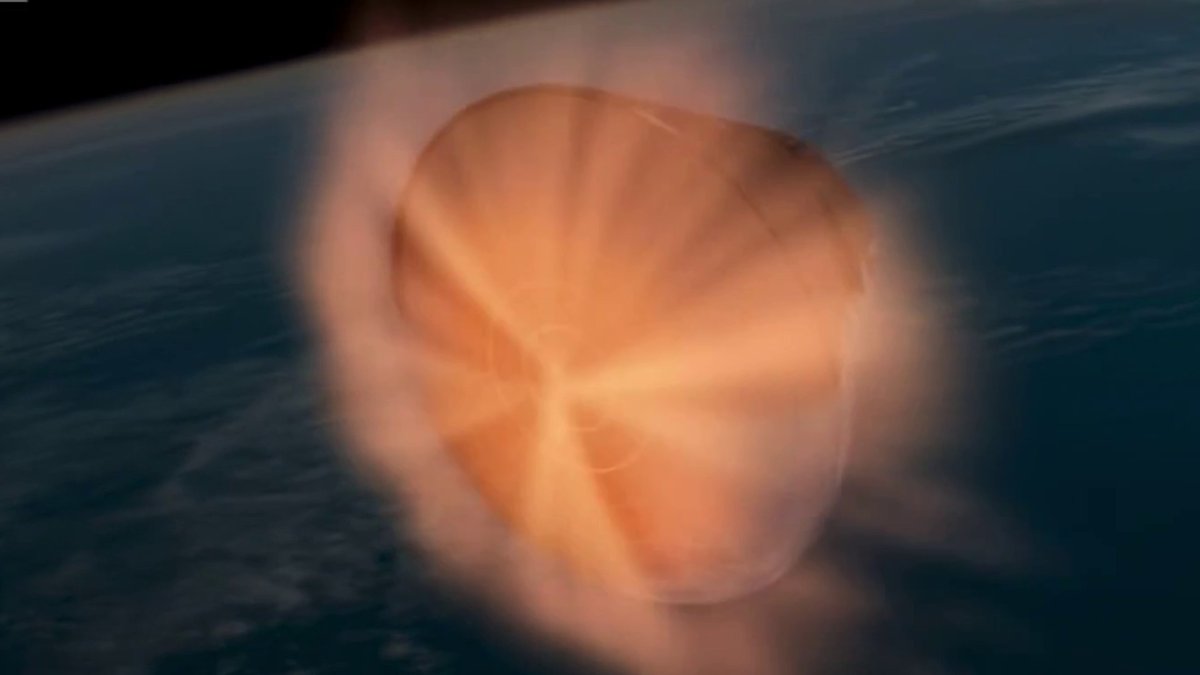
As Artemis II re-enters the Earth’s atmosphere, it will face temperatures topping 5,000 degrees Fahrenheit, while falling at thousands of miles per hour.
NASA admits the mission to return home is risky.
“We’re down to the wire now, down to the end of the mission, and obviously getting the crew back home and getting them landed safely is a significant part of the risk still in front of us,” said Lekisha Hawkins with NASA Exploration Systems.
Bay Area NASA employees helped develop the Artemis heat shield at the Nasa Ames Research Center in Mountain View — a shield that has been updated since the first Artemis flight.
Scott Budman takes a closer look at the heat shield and Artemis II preparing for splashdown. Watch his report in the video above.
NASA Ames Center Director Eugene Tu joined NBC Bay Area’s Raj Mathai to talk about how the heat shield will work during the upcoming Artemis II splashdown and what to expect.