
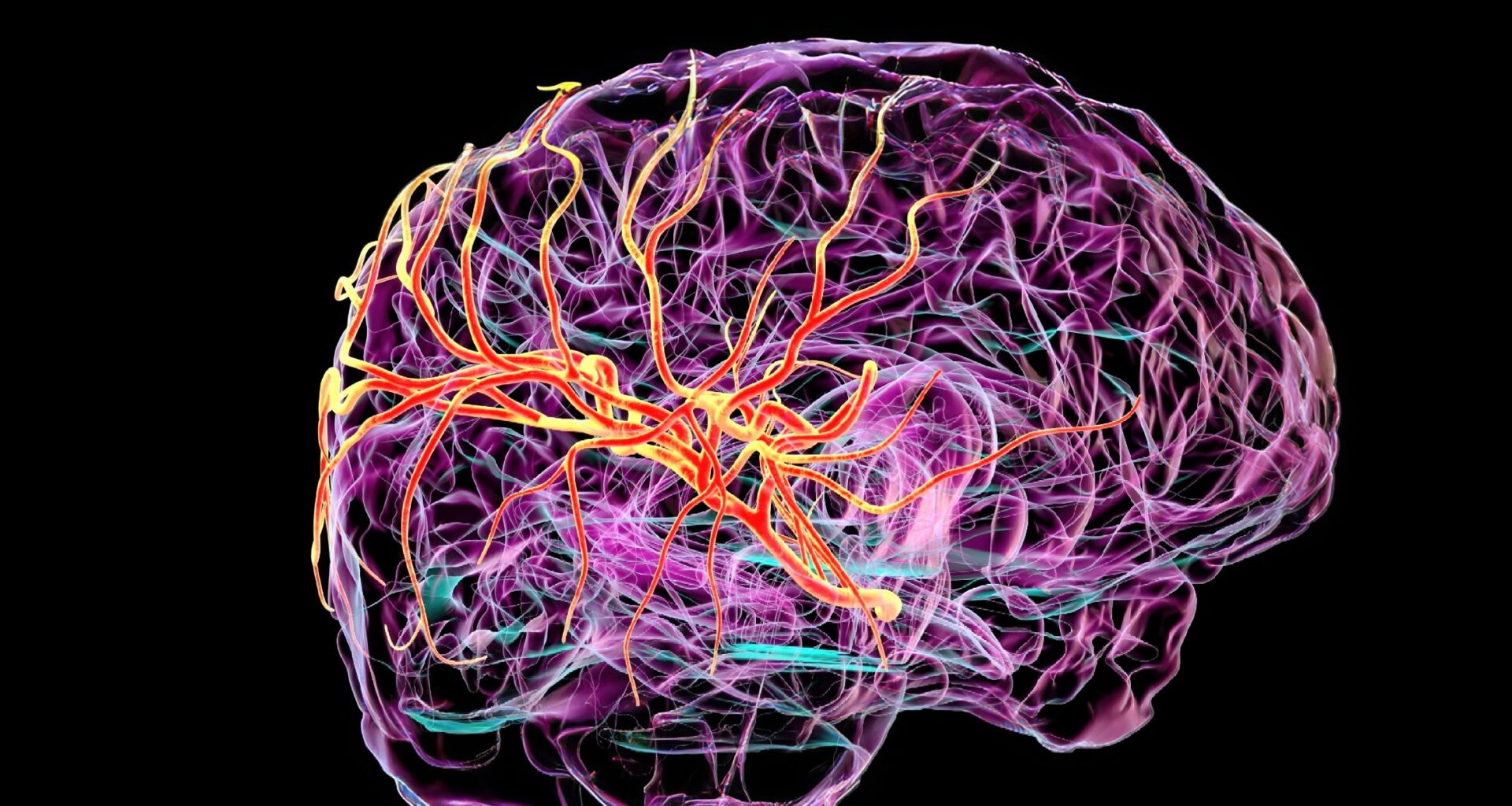
The brain works all the time, even when a person sleeps. It helps us think, feel, and move. But like any busy system, it also creates waste. So how does the brain clean itself?
A new study gives a simple but exciting answer. The brain may have its own slow and steady cleaning system.
The brain’s drainage system

The body uses something called the lymphatic system to remove waste. This system works like a drainage network. It clears extra fluid and harmful substances.
For many years, scientists thought the brain stayed separate from this system. The brain is covered by protective layers called the meninges. These layers were believed to block any connection.
Now, scientists from the Medical University of South Carolina (MUSC) have found something different. These layers actually contain tiny pathways that help carry waste away from the brain.
This means the brain is more connected to the body than we once thought.
A waste removal path
The researchers found that a blood vessel called the middle meningeal artery may do more than carry blood. It may also help with cleaning.
This artery sits close to the brain inside its protective layers. Scientists noticed that fluid moves around this area in a special way. It does not move like blood. It moves slowly, like water draining away.
This suggests that the area around the artery works like a waste removal path.
Tracking brain fluid
To understand this better, researchers used special MRI scans that helped them watch how fluid moves inside the brain.
The team studied five healthy people for several hours. The scans showed that fluid near the artery moved slowly and took longer to build up.
This was different from blood, which moves quickly. The slow movement showed that this fluid is part of a cleaning system, not the blood system.
Dr. Onder Albayram is an associate professor in the Department of Pathology and Laboratory Medicine at MUSC.
“We saw a flow pattern that didn’t behave like blood moving through an artery; it was slower, more like drainage, showing that this vessel is part of the brain’s cleanup system,” said Dr. Albayram.
A slow but important process
The brain does not clean itself quickly. Instead, it uses a slow and steady flow. This slow movement helps carry away waste materials, including fluids that collect after the brain does its daily work.
Scientists believe this process is important because it prevents harmful buildup. Without proper cleaning, waste can stay in the brain and cause problems.
The researchers also studied real brain tissue to confirm the results. They used advanced tools to look closely at the brain’s structure.
The experts found a network of tiny vessels near the artery. These vessels look like the ones used for drainage in the rest of the body. This showed that the slow-moving fluid seen in scans is part of a real system, not just a guess.
The system is not simple. It has many layers and pathways. Some pathways run in straight lines, while others form a web-like pattern. This helps the brain move waste in different directions.
Scientists also saw special cells near the artery that may help guide this process. However, more research is needed to understand exactly how everything works.
What this means for brain health
The study looked at healthy people first. This helps scientists understand what normal brain function looks like.
Once this is established, experts can spot problems early. If the cleaning system slows down, waste may build up. The buildup can harm brain cells and affect how the brain works.
This discovery may help explain diseases like Alzheimer’s and brain injuries. If the brain cannot clear waste properly, it may lead to memory loss and other issues.
Understanding this system can help doctors find better ways to treat these conditions. Researchers are now studying how this system changes in people with brain disorders.
“A major challenge in brain research is that we still don’t fully understand how a healthy brain functions and ages,” said Dr. Albayram. “Once we understand what ‘normal’ looks like, we can recognize early signs of disease and design better treatments.”
The study is published in the journal iScience.
—–
Like what you read? Subscribe to our newsletter for engaging articles, exclusive content, and the latest updates.
Check us out on EarthSnap, a free app brought to you by Eric Ralls and Earth.com.
—–