

Has anyone had a better time than Mike Pickering did at the end of the Eighties? As the resident DJ at the Haçienda in Manchester during the “second summer of love”, Pickering was the chief conductor of the euphoria of acid house.
In his rollicking new book, Manchester Must Dance, he remembers playing the 1989 launch party for Technique, the album by New Order that reflected the mood of the time. The refreshed Haçienda faithful had trooped down to Real World Studios, Peter Gabriel’s bucolic hideaway near Bath, where the album had been recorded. Gabriel, thankfully, was away. A biblical knees-up ensued, with Pickering at the controls. A few minutes later, or so it seemed, his fellow DJ Graeme Park came to take over. “F*** off — I’ve only just started,” Pickering shouted. “Mike,” Park said, “you’ve been playing for six hours.”
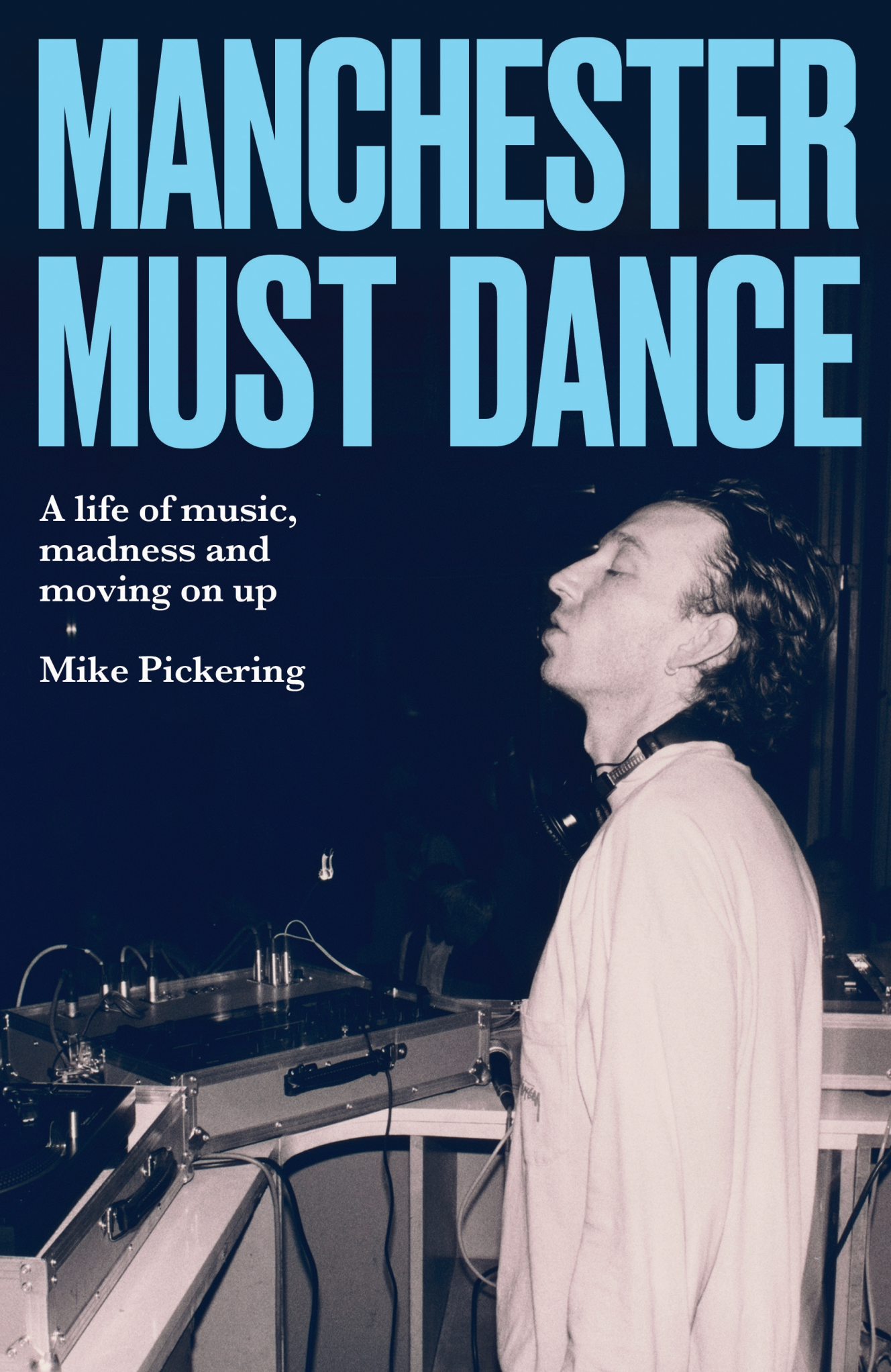
Pickering, 72, may not be as celebrated as Ian Brown, Shaun Ryder or Tony Wilson, his flamboyant boss at Factory Records, but this working-class son of Blackley was quietly crucial to Manchester’s musical boom. Starting out as the booker at the Haçienda, he secured early gigs for the Smiths, Culture Club and an unknown singer called Madonna.
For Factory he signed two quintessential Manchester bands in James and the Happy Mondays. He co-founded Deconstruction Records, which released such global club smashes as Black Box’s Ride on Time, and formed M People, who brought dance music to the charts and snatched the Mercury prize from under the noses of Blur and Pulp in 1994. Then, as an A&R man in the Noughties, Pickering discovered Kasabian, Gossip and the superstar DJ Calvin Harris.
Books newsletter
News, reviews, author interviews and suggested reads from our literary editors.
Sign up with one click
“Sometimes I think, ‘F***ing hell, you’re lucky,’” he says. “All the times you got to places at the right time.” He is as synonymous with Manchester as Strangeways, Boddingtons and lashing rain, so it feels sacrilegious to find him living in a pretty mews house in a well-heeled corner of “that London”. Rob Gretton, his friend and the manager of New Order, would definitely have called him a southern ponce.
Pickering’s Mancunian vowels haven’t faded, at least, and he is happy in Camden, where he has lived for more than 20 years. He shares the house with his wife, Kate, a documentary maker, and their teenage daughter, and has two grown-up children from a previous marriage.
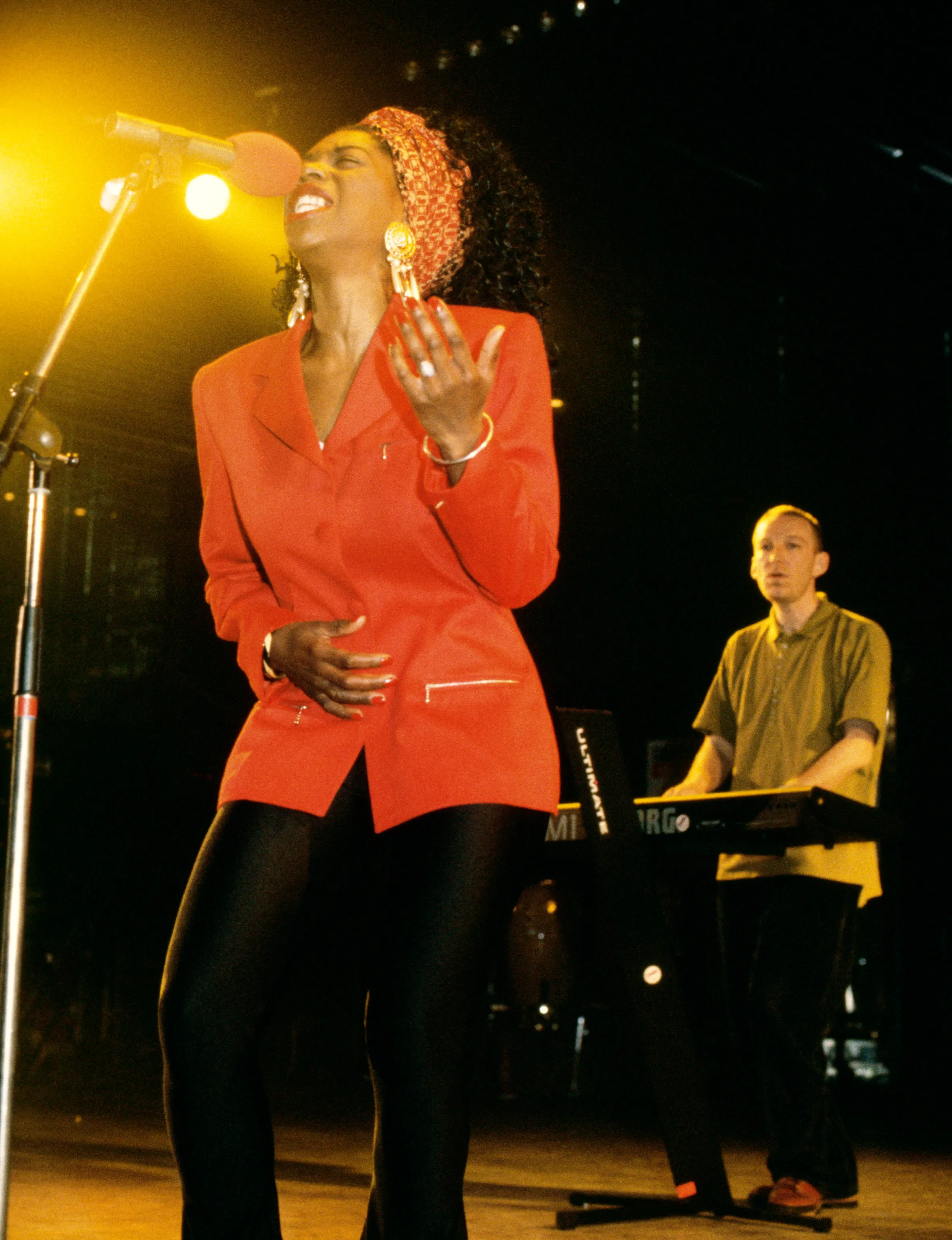 Pickering on stage with Heather Small of M PeopleStuart Mostyn/Getty images
With Wilson and Gretton dead, Pickering is one of the last of Factory’s inner circle left. The list of people who penned chapters for the book gives an idea of the breadth of his career and the reverence in which he is held: Martin Fry of ABC, Johnny Marr, Noel Gallagher and Harris.
“Mike always seemed to be around when things were happening,” Marr writes, while Fry, who met Pickering in Manchester during the punk era, reveals how little his modest friend would give away about his stellar career when they spoke on the phone. “It will be nice to read the book,” Fry writes, “to find out what you’ve been doing all these years.”
After writing the book with the august Manchester music writer Paul Morley, Pickering narrated the audio version himself (“Four days. Hardest thing I’ve ever done”) — and his guest writers had to do the same. “It can’t be that f***ing hard,” Gallagher told him, but afterwards he said: “I’m never doing that again.” Gallagher was among those leaping around at the Haçienda and says it was an unlikely inspiration for Oasis. The house music Pickering played “was all about what it made you feel, not what it was about”, Gallagher writes, and he tried to recreate that joy in Live Forever et al. “Not the rhythmic side of it, or the electronic side, but the memory it left you with.”
The Haçienda, which had bars named after Russian spies including Anthony Blunt, Guy Burgess and Kim Philby, was a temple to Mancunian contrariness and Pickering says he could be “a bit of a c*** sometimes, because once I was on the journey I knew what I wanted”.
He is often frank on the page, describing how he thought Madonna’s ambition led to her “jumping from one [human] resource to another”. Today he is even blunter: “She’s a bitch. Really not nice.” She played the Haçienda in 1984, miming and “dancing with her brother to four songs”, Pickering writes in the book. “We didn’t rate her chances much.” They said hello afterwards but she “had no interest in looking me in the eye”. A mutual friend referred to remixing a song by Quando Quango, the electronic band Pickering formed in the Eighties. Her response, he writes, was: “‘Oh, that dross.”
Other encounters with legends were warmer. Quincy Jones was a delight when Pickering and Gretton had lunch with him at a pub in Knutsford — Pickering memorably describes him wrestling with a mustard sachet.
Elsewhere in the book he remembers walking around the mocked-up Haçienda built for the film 24 Hour Party People, in which he briefly played himself. It was so realistic that he forgot it was a set, opening a door and finding nothing behind it. A few veterans cried when they saw the faux-Haçienda.
“Some people couldn’t let go,” he says. But not him. “I get bored of things really easily.” Including drugs. He writes about the importance of Ecstasy to acid house and how he would DJ under the influence and know “what record to play, three, four ahead”. But he soon tired of that buzz. It’s only his beloved Manchester City and cycling — he takes his campervan and bike to follow the Tour de France — that he isn’t sick of. “And music, obviously.”
The pop mogul Pete Waterman once told Pickering that he had “Woolworth’s ears”, an instinct for what the masses want to hear. M People have sold more than 11 million records, including such mega-hits as Moving on Up. That contrasted with Factory, when he “never heard the word profit. We just wanted to put records out and have great sleeves on the records and play gigs and have a good time.” That mixture of high-mindedness and hedonism led to the label going bust, after Wilson turned down the chance to sign more commercial fare such as Ride on Time.
With the Heather Small-fronted M People, however, Pickering was rich for the first time. “At the bank they used to look at me a bit funny in my rave clothes and then all of a sudden I’d come in with a cheque for 250 grand.” He still lives on the royalties, he says. Such success offended some purists.
“When we were coming up through the Haçienda, people loved us. As soon as we were popular, they f***ing hated us.” A music journalist referred to M People shows as being “full of women in white high heels dancing around handbags”. That, he says, “is complete and utter snobbery against the working class”.
Wilson, too, saw dance music as a lesser genre — his mantra was, “Dance albums don’t sell, darling.” Was it sweet to prove him wrong? “It kind of was,” Pickering says. “But I was dead sad because when they went bust, if they’d have signed those records — even Black Box on its own — it would have saved them.”
Still, Pickering can empathise with Wilson when it comes to cultural snobbery. Booker, DJ, label boss, A&R man — his jobs have revolved around taste, deciding what’s good and what’s not. Songs are paramount, he says. “A lot of the great bands, their singers are ugly. Mick Jagger’s ugly, Ian [Curtis of Joy Division] wasn’t great-looking. But they sing fantastic songs and they’re great frontmen.” Even in the TikTok age, that hasn’t changed. “It’ll never change.”
What next? Pickering has been offered guest lecture opportunities at universities and still plays the odd DJ gig, especially when it’s one of the new day-raves so he can get to bed at a decent time. His wife is developing a documentary about the Manchester music scene, he says. “She keeps saying, ‘Who shall I speak to?’ I’m like, ‘Oof, it’s not that easy, because they’ve all passed away.’” She should start with the man who lives with her.
Manchester Must Dance: A Life of Music, Madness and Moving on Up by Mike Pickering (Manchester University Press £20) is published on Apr 28. To order a copy go to timesbookshop.co.uk. Free UK standard P&P on orders over £25. Special discount available for Times+ members