
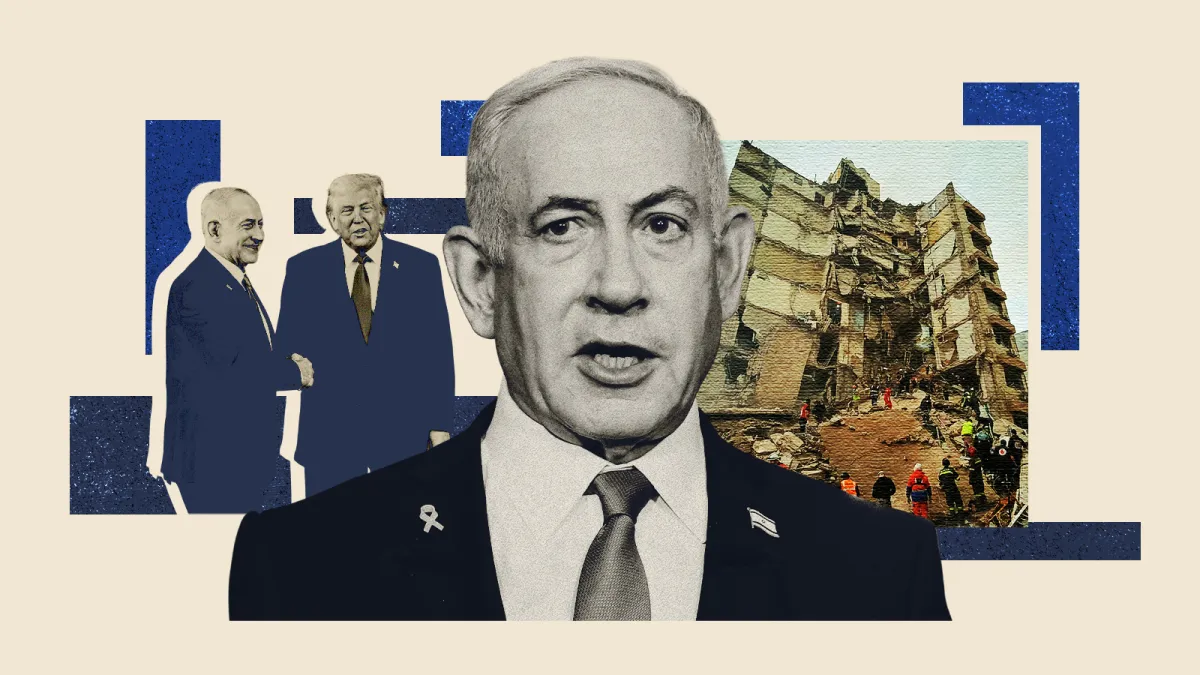
Binyamin Netanyahu was riding high. The Americans were alongside him bombing his sworn enemy, the Iranian regime. The Israeli public were overwhelmingly behind him. Even the opposition had fallen into line. With an election just over the horizon, Bibi had shown once again why his nickname is “the Magician”.
Six weeks into the war against Iran, the view from the Israeli prime minister’s office is less rosy. Last week’s ceasefire risks leaving him stranded without any of his war aims achieved, his military heading for another quagmire in Lebanon, his country’s relationship with the United States at risk of serious damage and his public turning against him.
His political enemies are already circling. At the start of the conflict with Iran, the leader of the opposition, Yair Lapid, said “we are all united”. After the ceasefire on Tuesday, Lapid said “there has never been such a political disaster in all our history”, and was particularly scathing that Israel wasn’t even at the table for discussions, sidelined by its own ally.
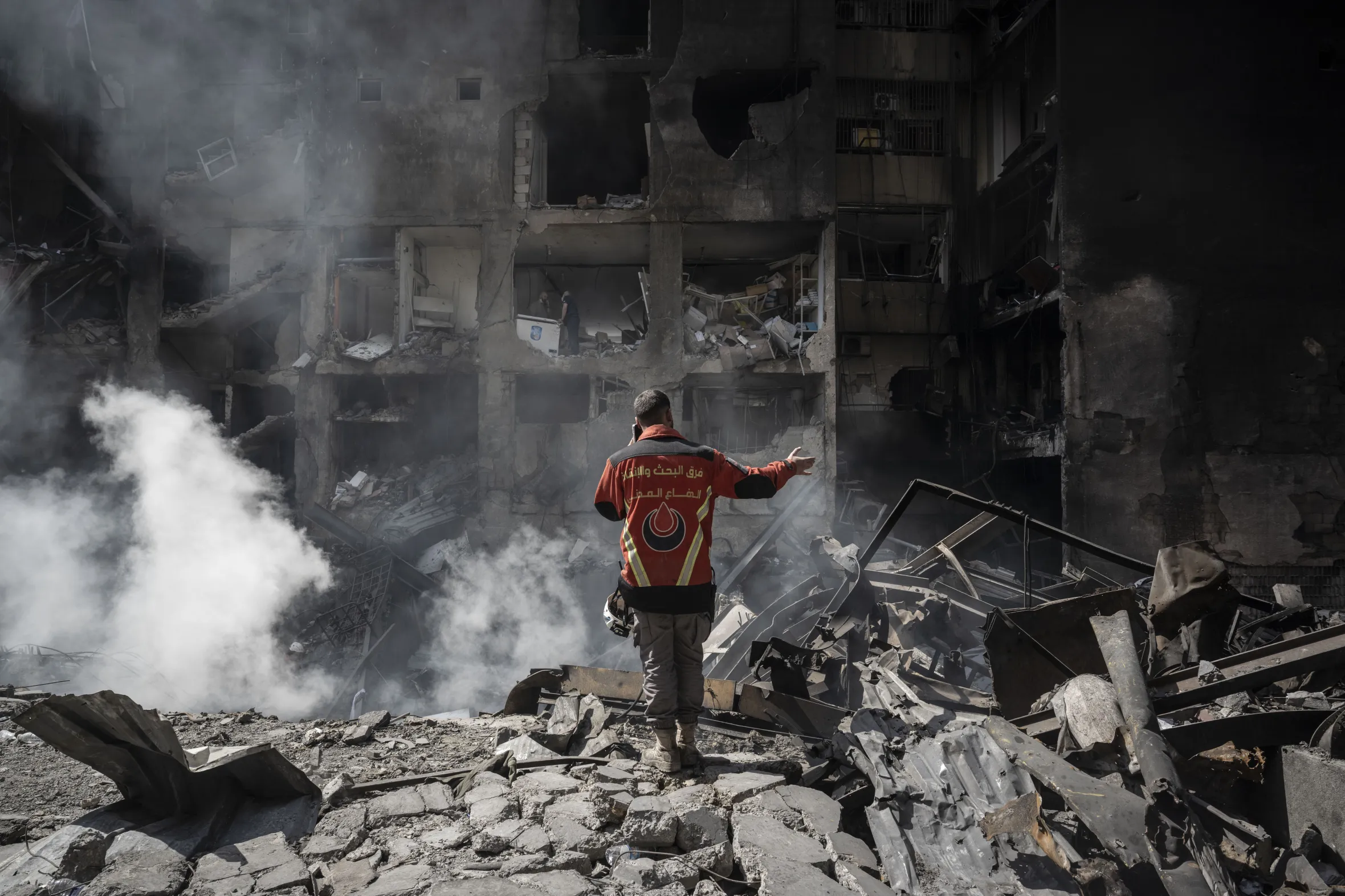 Israeli airstrikes on Beirut last week, after the ceasefire, killed more than 250 people, according to the Lebanese authorities Murat Sengul/Anadolu/getty images
When I spoke to a senior Israeli politician last week, they told me that Bibi was in an impossible situation: “His biggest problem is that not only does everyone know he failed, he also cannot say out loud that Trump forced this failure on him.”
The US-Israeli decision to go to war with Iran was always built on a shaky foundation. Netanyahu had precise goals: end the Iranian nuclear programme, destroy their ballistic missiles, remove Hezbollah’s ability to threaten Israel from the north and get rid of the Iranian regime altogether. By contrast, Trump gave a different account of his war aims every time he opened his mouth. The only constant was that US action would be a “great victory with a capital V”, as Pete Hegseth, the war secretary, put it.
The misaligned approaches were less of a problem when everything was going well, and the partners could report a series of military achievements. But the tensions have begun to show since the advantage shifted to the Iranians.
Trump has the opposite electoral drivers to Netanyahu — American voters are more interested in fuel prices, while Israeli voters want protection from future incoming missiles and cast-iron guarantees of the sort the Iranians are unlikely to give. With the Iranian regime not going anywhere, exacting a price that the US public are unwilling to keep paying, Trump’s enthusiasm for continuing the fight is clearly ebbing away. This leaves Netanyahu in a painful position.
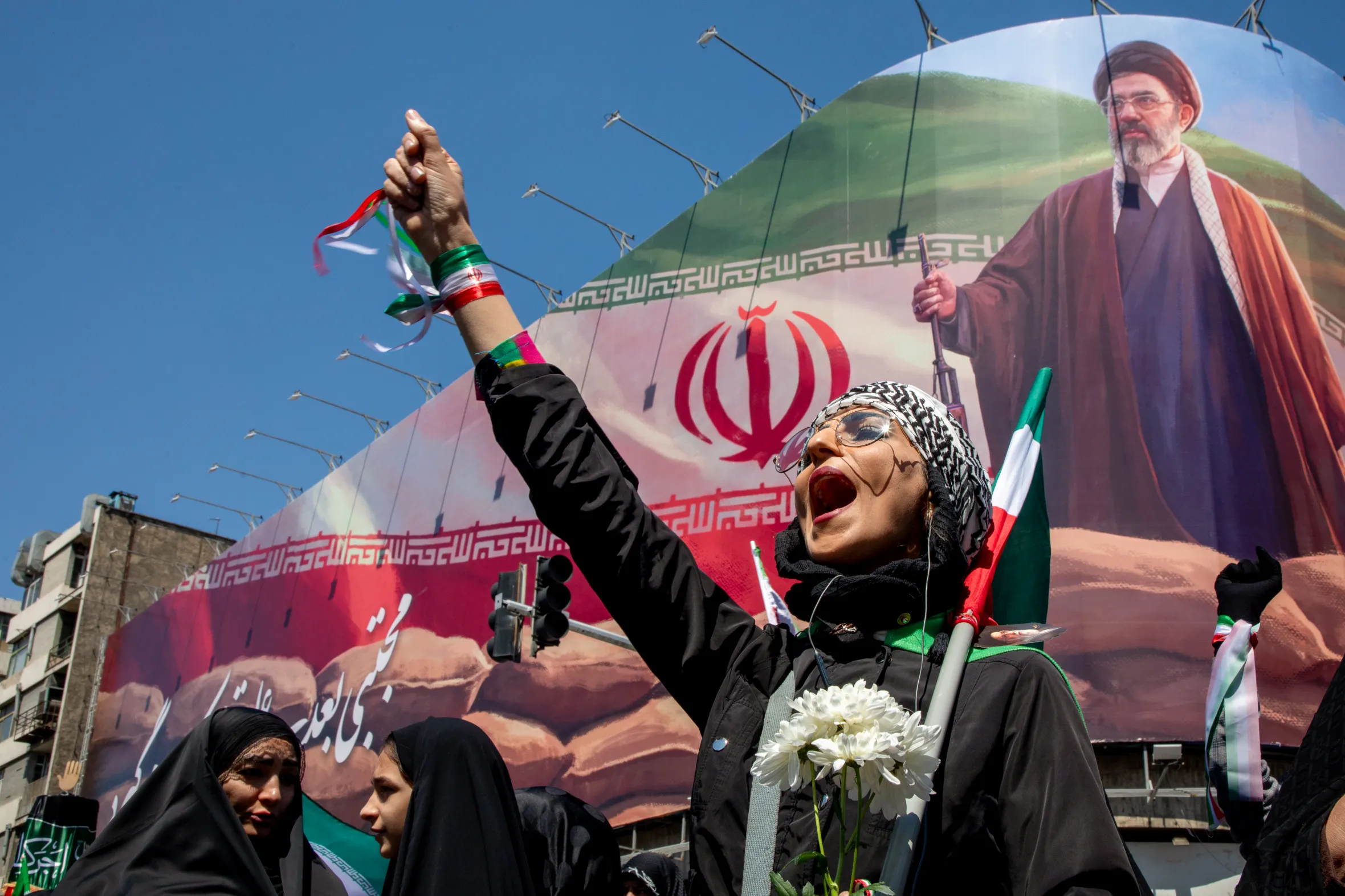 Iranians gather in Tehran on Friday in front of a portrait of the country’s leader, Ayatollah Mojtaba KhameneiMajid Saeedi/Getty Images
None of Bibi’s war aims have yet been achieved. The Iranian regime is not toppled. If anything, the position of the hardliners has been strengthened; the Islamic Revolutionary Guard Corps clearly calls the shots.
The Iranian nuclear programme has not yet been definitively destroyed. Most importantly, Iran’s highly enriched uranium (according to the International Atomic Energy Agency, Iran has 440kg enriched to 60 per cent) does not appear to have been seized or destroyed. Damage has been done to Iranian nuclear sites, but for as long as that stock of uranium is unaccounted for, Netanyahu’s goal remains emphatically unaccomplished.
Likewise, the Iranian ballistic missile programme has been damaged but not eliminated. For all the US and Israeli strong talk of destroying launchers and rockets, the Iranians have kept up a cadence of attacks that suggests their stocks are far from destroyed.
And Hezbollah still presents a serious threat to Israel, presenting Bibi with possibly the greatest challenge of all. According to briefings by the Israel Defence Forces last week, Hezbollah still has up to 10,000 rockets, most of which could target northern Israel, and several hundred long-range ballistic missiles that can be targeted with precision across the whole country.
Netanyahu had little choice but to welcome the ceasefire, because he cannot afford to allow a public gap to open between himself and Trump. But it leaves Bibi in a bind. He faces three key challenges.
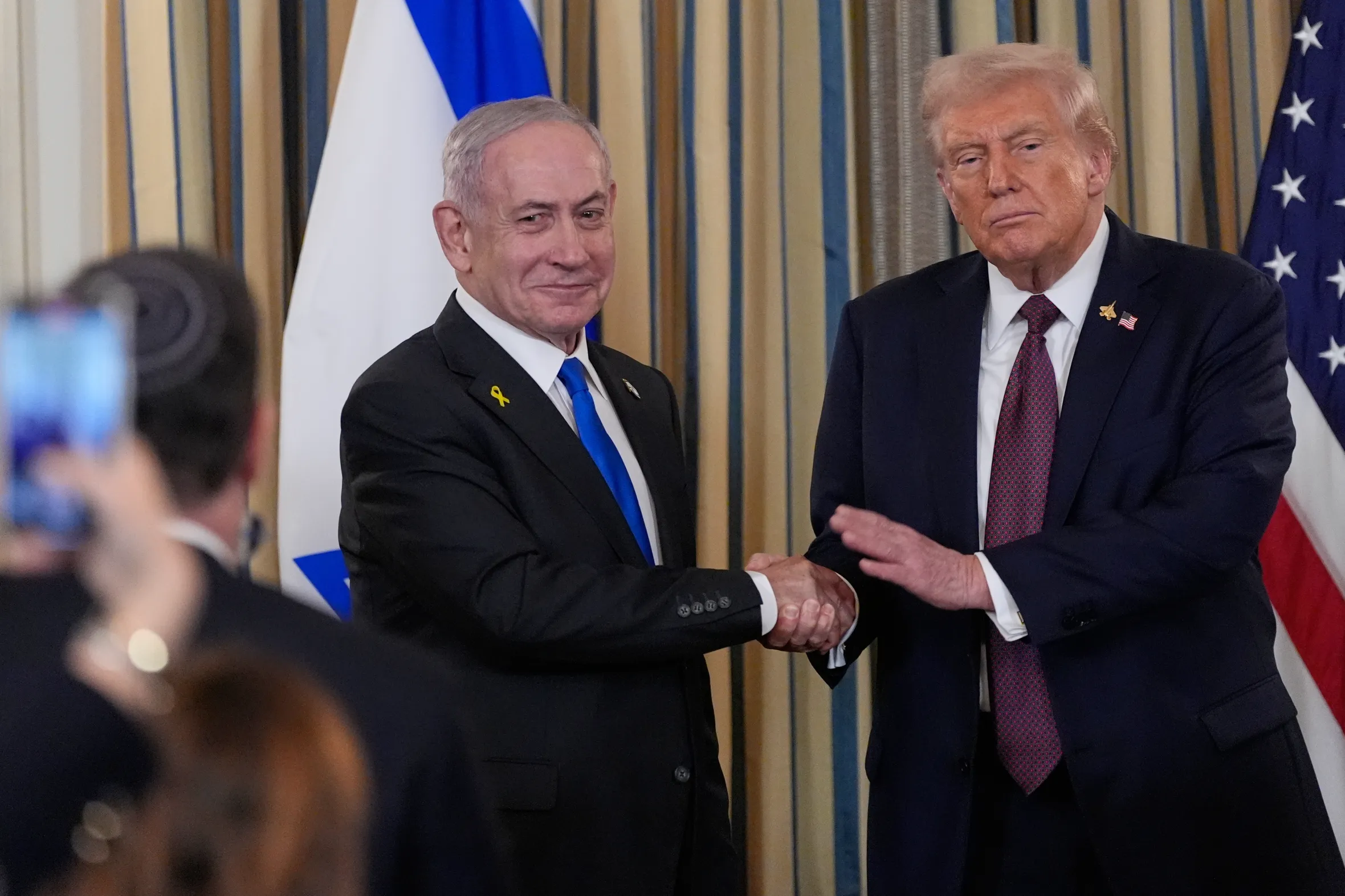 Binyamin Netanyahu with President Trump at the White House in Septemberalex brandon/AP
First, for the war to have been worth it he needs a peace deal that will stop the Iranians from continuing any sort of nuclear enrichment. But the Iranians are holding fast to their right to do so, and it is far from clear that Trump will push this point to the degree that Netanyahu wants.
Second, Bibi needs to navigate all this without blowing up his relationship with Trump. The Israeli electorate will not thank any leader who damages a relationship of singular importance to their country’s security.
Netanyahu’s politicking has already destroyed the bipartisan consensus on Israel in the US, opening a sharp divide between Republicans and Democrats. But if, on top of that, he falls out publicly with Trump, particularly a furious Trump looking for people to blame, then Netanyahu’s much heralded mastery of American politics will be left shredded. And if Netanyahu accedes to a poor deal that manifestly fails to comply with his explicit red lines, then his Israel will look like a vassal state unable to protect its own interests with its closest ally.
Third, Netanyahu faces a binary choice over Lebanon. He told Israelis last year that the threat from Hezbollah had been dealt with for years to come, and assured his citizens living in the north that they could go back home in confidence. That assurance is now looking empty.
Israelis know now that he cannot deal with the threat Hezbollah poses except by mounting a ground operation to destroy their missile sites and capabilities. But they have, for good reason, bad memories of Lebanese ground operations.
They talk about “Lebanese mud”, a term describing how the 1982 and 2006 wars turned from the swift operations that were promised into high-casualty stalemates and a gruelling 18-year occupation that lacked a clear strategic exit. Bibi could find himself enmeshed in a painful war in southern Lebanon just as he has to call an election this year. Worse still, he may try to rally domestic opinion behind a ground incursion, only to be told to stop by Trump.
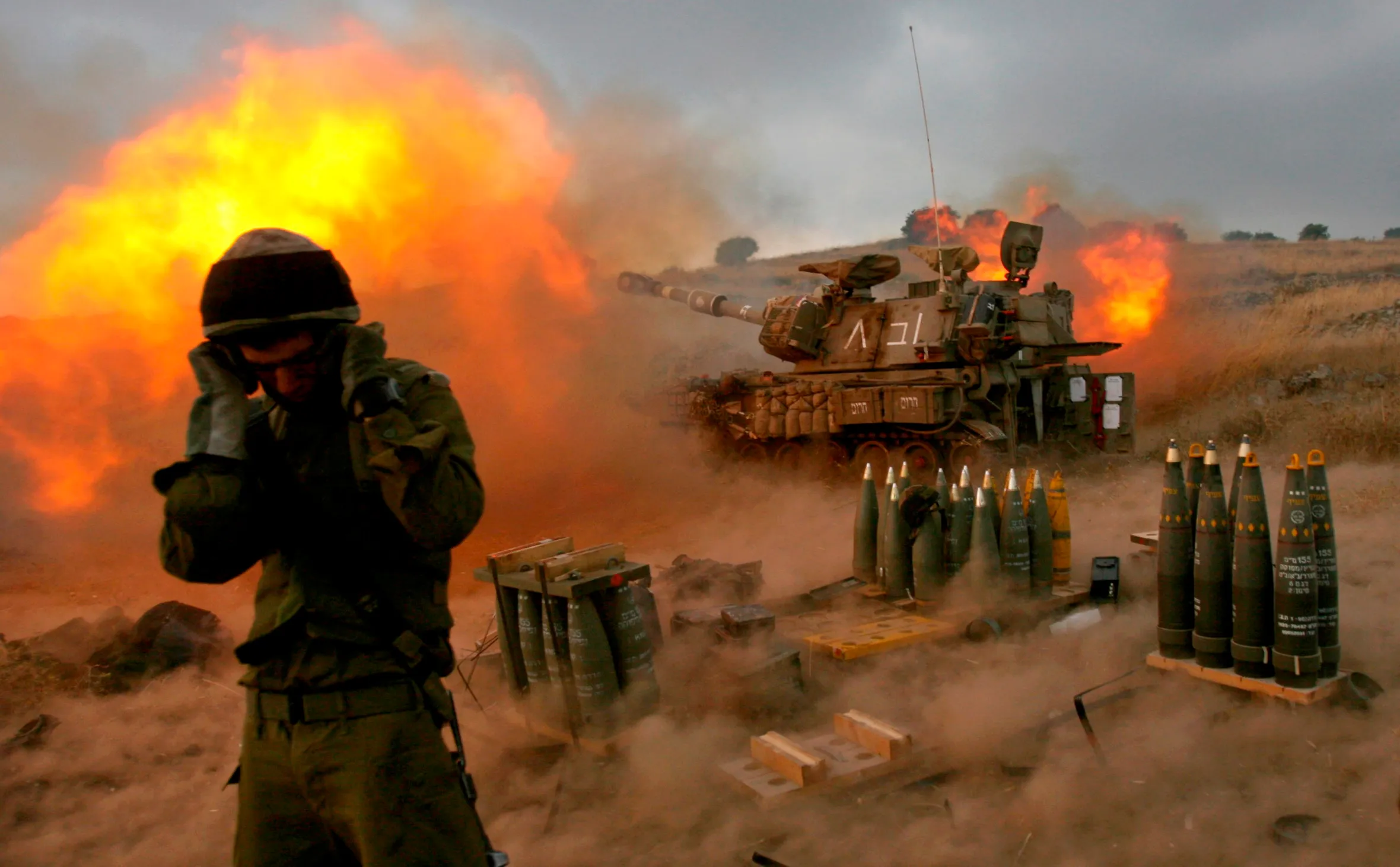 Shells are fired into Lebanon from northern Israel during the 2006 war Gil Cohen Magen/Reuters
For now, in classic Bibi fashion he is trying to have his cake and eat it, welcoming the ceasefire while making exceptions and demands that appear to be at odds with it. The Pakistani mediators have said that the ceasefire includes Lebanon; Netanyahu, supported by Trump, has asserted it does not, and that Israeli operations to degrade Hezbollah capabilities will continue. He has said that if Israel’s objectives are not met by any peace deal, “our finger is on the trigger” and the fighting will immediately resume.
This tough talk could become impossible to maintain if Trump reaches what Netanyahu regards as a bad deal. That could leave him going into an election as the prime minister who picked a fight he then lost, damaged the relationship with America and left Israel looking like a country no longer in charge of its own destiny, facing an enemy still standing, still enriching uranium and still supporting terrorism.
All that said, it is a brave person who bets against Bibi, or underestimates his magician’s ability to climb out of seemingly impossible political holes. He has been written off countless times before, not least after October 7 happened on his watch. But the coming weeks could be his hardest test yet.
Matthew Gould was British ambassador to Israel between 2010 and 2015