
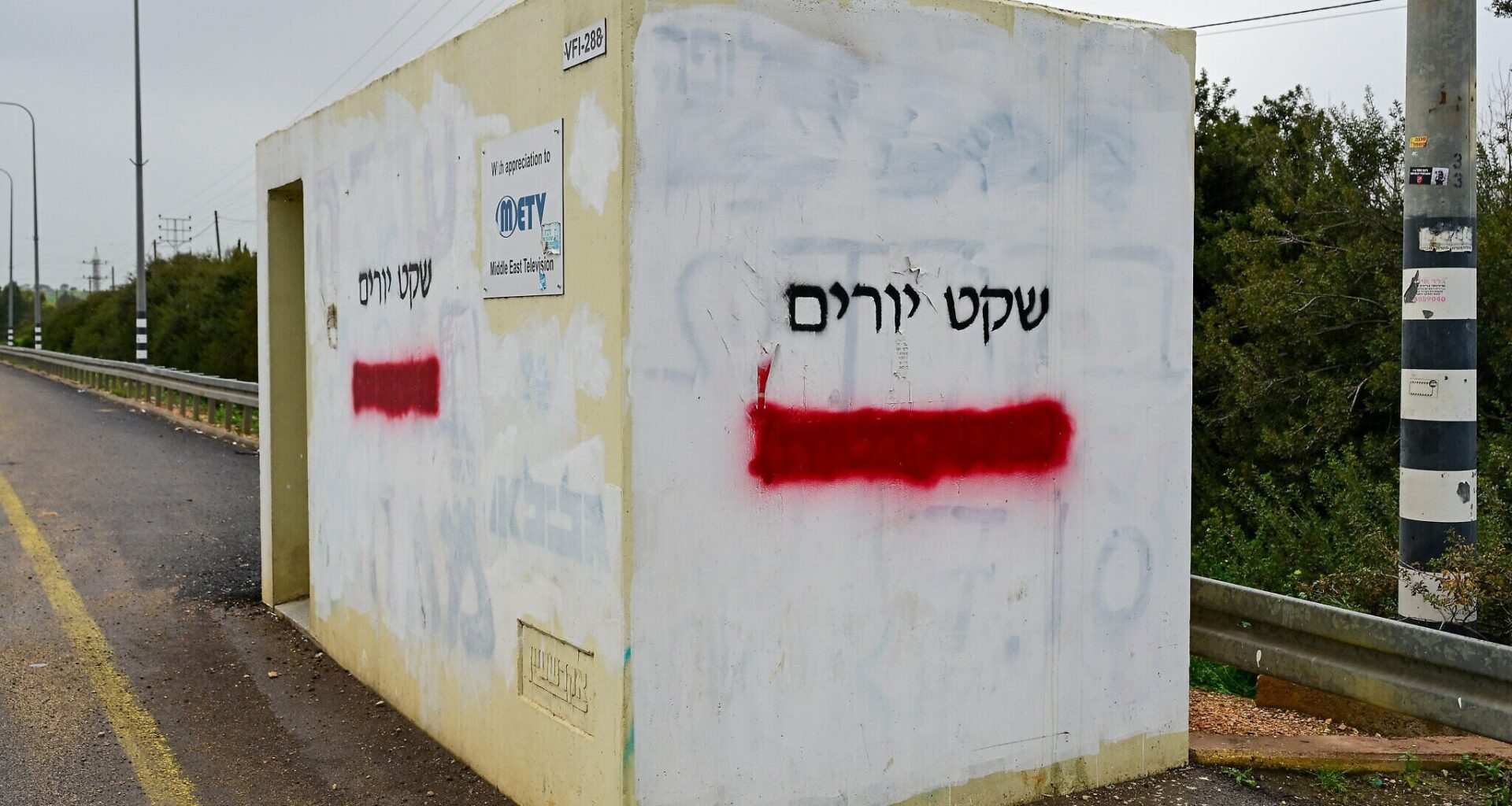
The IDF Home Front Command on Monday adjusted its wartime guidelines, conditionally permitting educational activities in parts of northern Israel while limiting gatherings in the Jerusalem area and the south, amid the ongoing fighting against Hezbollah in Lebanon and the shaky ceasefire in Iran.
In communities on the Lebanon border, educational activities will be allowed only inside bomb shelters, and in the northern Golan Heights and Upper Galilee, educational activities will be permitted, provided an adequate bomb shelter can be reached in time.
Speaking to Army Radio on Monday night, Metula Mayor David Azoulay said, “They don’t update us on why the rules were eased. Maybe they know something we don’t.”
Meanwhile, gatherings are now restricted to 5,000 people in the southern Golan, Beit She’an Valley, Jordan Valley, Dead Sea, Jerusalem, Judea (southern West Bank), Judean Foothills, Lachish, Gaza border communities, the Negev, Arava, and Eilat. The limit on restrictions in these areas had previously been lifted.
In the rest of the country, no changes were made to the guidelines, the military said. Nearly all restrictions were lifted last week in the rest of the country, allowing schools and workplaces to operate as usual.
Get The Times of Israel’s Daily Edition
by email and never miss our top stories
By signing up, you agree to the terms
The guidelines remain in effect until Tuesday at 8 p.m. By then, the Home Front Command will have conducted a fresh assessment.
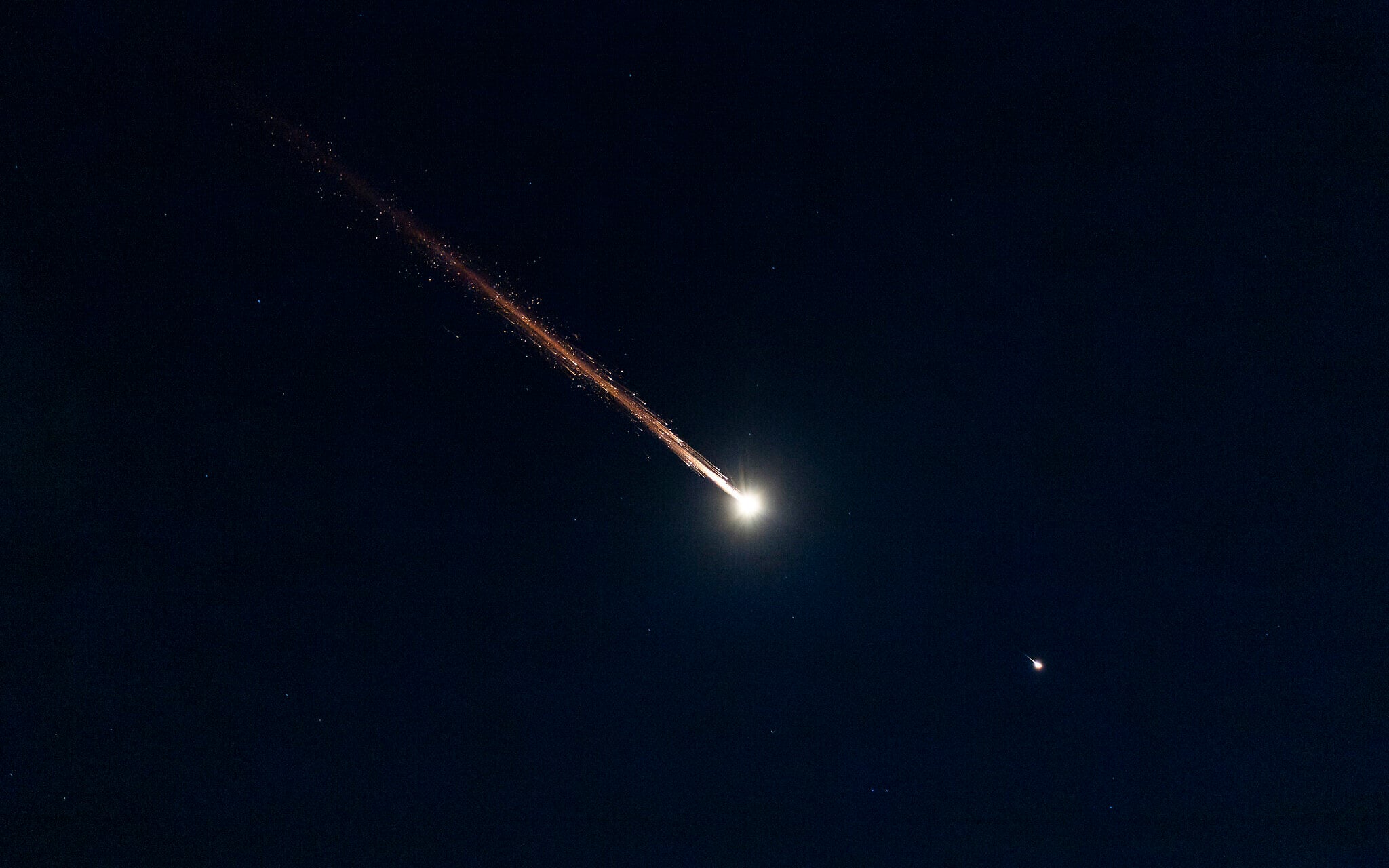
A ballistic missile fired from Iran, as seen over Jerusalem, April 7, 2026.(Yonatan Sindel/Flash90)
A full list of guidelines per locale can be found on the Home Front Command’s website.
Though the US-Israeli military campaign in Iran has been paused since Wednesday, in accordance with a two-week ceasefire agreement, the truce remains fragile and is set to expire on Independence Day, which begins the evening of Tuesday, April 21, immediately following Memorial Day.
Should the truce expire or collapse ahead of time, Israel could face a resumption of ballistic missile attacks from Iran, driving millions into bomb shelters at minutes’ notice.
Several cities have canceled their Independence Day events in light of the security situation.
Moreover, despite protestations from Iran and mediator Pakistan, the United States and Israel have insisted that the ceasefire does not apply to ongoing fighting between Israel and Hezbollah, and both airstrikes and ground operations continue against the Iran-backed terror group in Lebanon, which has continued to fire rockets and drones at both Israeli troops and civilians in Israel.
You appreciate our wartime journalism

You clearly find our careful reporting of the Iran war valuable, at a time when facts are often distorted and news coverage often lacks context.
Your support is essential to continue our work. We want to continue delivering the professional journalism you value, even as the demands on our newsroom have grown dramatically during this ongoing conflict.
So today, please consider joining our reader support group, The Times of Israel Community. For as little as $6 a month you’ll become our partners while enjoying The Times of Israel AD-FREE, as well as accessing exclusive content available only to Times of Israel Community members.
Thank you,
David Horovitz, Founding Editor of The Times of Israel