
Pharmacy Director Craig Watt says it sounds counterintuitive, but you could make yourself more illNeil Shaw Assistant Editor (Money and Lifestyle)
10:03, 14 Apr 2026Updated 13:53, 14 Apr 2026
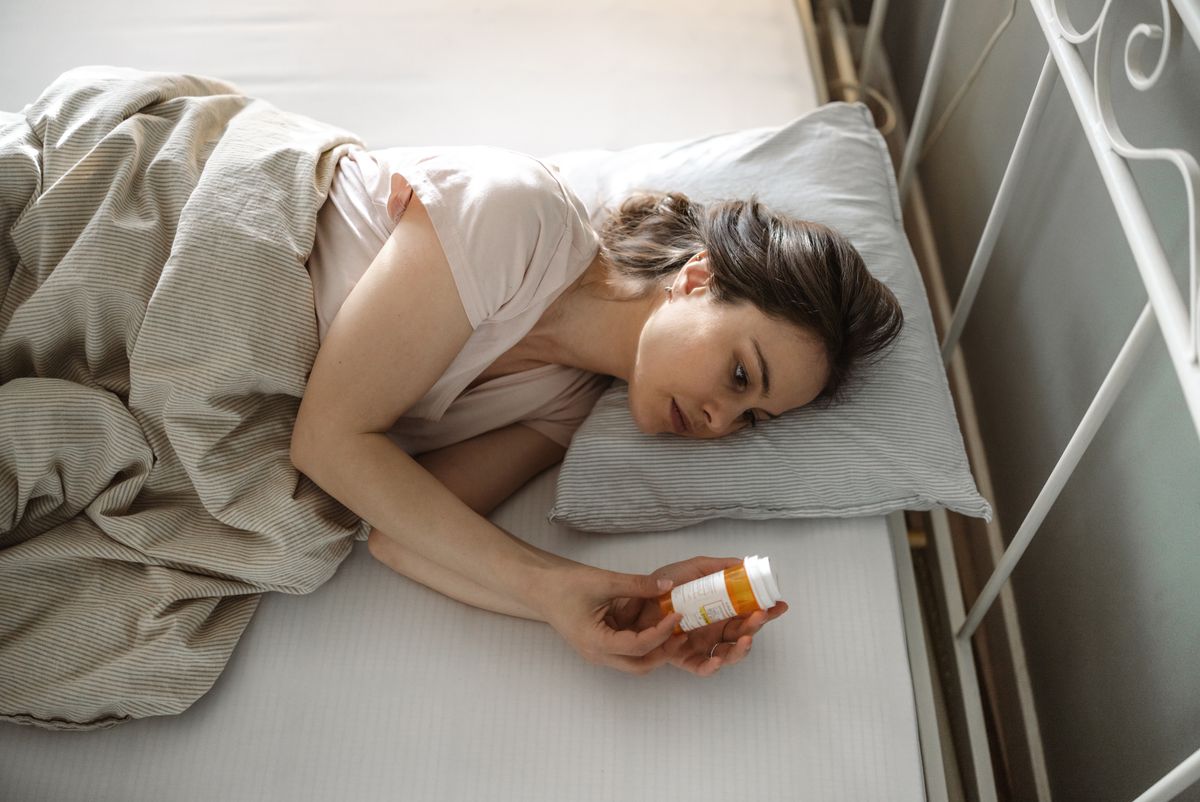
Some pills could cause you further problems
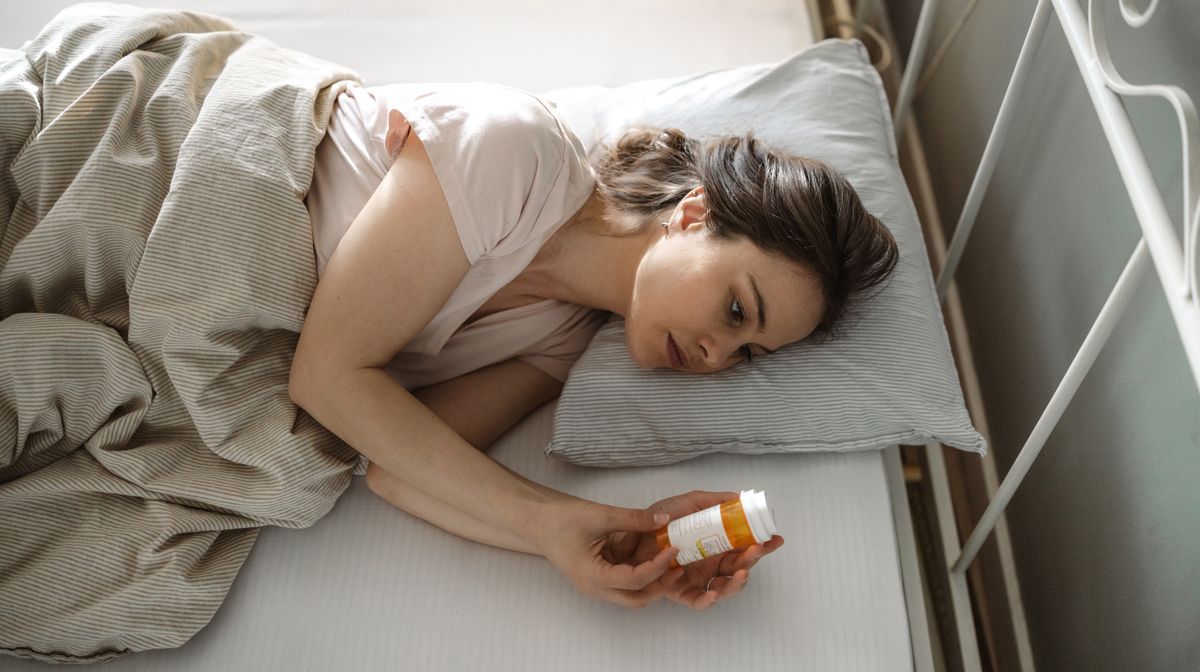
A pharmacy director has issued a warning to anyone taking a list of common medications not to lie down after swallowing them. Craig Watt, Superdrug Pharmacy Director, says ‘not lying down after taking a pill’ is one of a number of odd-sounding rules around medicine and health that are actually grounded in science.
Craig said: “It might feel natural to lie down straight after taking medication, especially if you’re unwell or taking something before bed, but this can sometimes do more harm than good. If you lie flat too quickly, there’s a greater chance the tablet can linger in the oesophagus rather than reaching the stomach, which may cause irritation, discomfort or a burning sensation known as pill esophagitis.
“Certain medications, including some antibiotics, anti-inflammatory medicines and osteoporosis treatments, are more likely to cause this type of irritation if they don’t pass through properly. Staying upright and taking medication with a full glass of water helps it move efficiently into the stomach, where it can be absorbed safely. For some medicines, remaining upright for around 30 minutes is advised to reduce the risk of irritation.”

Make sure to read the instructions
Craig also has advice for anyone with hay fever. He said: “It might feel natural to open windows for fresh air, especially in warm weather, but this can actually increase your exposure to pollen. Pollen levels are often highest in the early morning and evening, and when windows are open, these microscopic particles can easily enter your home and settle on surfaces, bedding and soft furnishings.
“Once inside, pollen can linger and continue to trigger symptoms like sneezing, itchy eyes and congestion, even when you’re indoors. Keeping windows closed during peak pollen times, particularly in bedrooms, can help create a lower-allergen environment. Using alternatives like fans or air purifiers can help maintain airflow while reducing exposure, as well as taking antihistamines to help manage symptoms for quick relief.”
Craig also recommends simple solutions to common problems, including sunglasses and water. He said: “It’s not just about protecting your eyes, bright light can also act as a trigger for headaches and migraines in some people. Around 80 per cent of people with migraine experience light sensitivity, also known as photophobia, during an attack, and this isn’t limited to just one type of migraine; it can occur across different forms, including migraine with aura, vestibular migraine and others.

You may want to avoid opening windows
“Exposure to strong sunlight can increase sensitivity and discomfort, potentially triggering or worsening symptoms. Wearing sunglasses can help reduce glare and light exposure, which may ease discomfort and lower the likelihood of light‑triggered headaches in people who are sensitive to bright environments.”
He added: “Bad breath isn’t always just about oral hygiene, it can also be linked to a dry mouth. Saliva plays a key role in maintaining oral health by helping to wash away food particles and bacteria. When your mouth is dry, bacteria can build up more easily, leading to unpleasant odours.
Staying well hydrated supports saliva production, which helps maintain a healthier balance in the mouth. Alongside regular brushing, flossing and dental care, drinking enough water is a simple but effective way to help manage bad breath.”
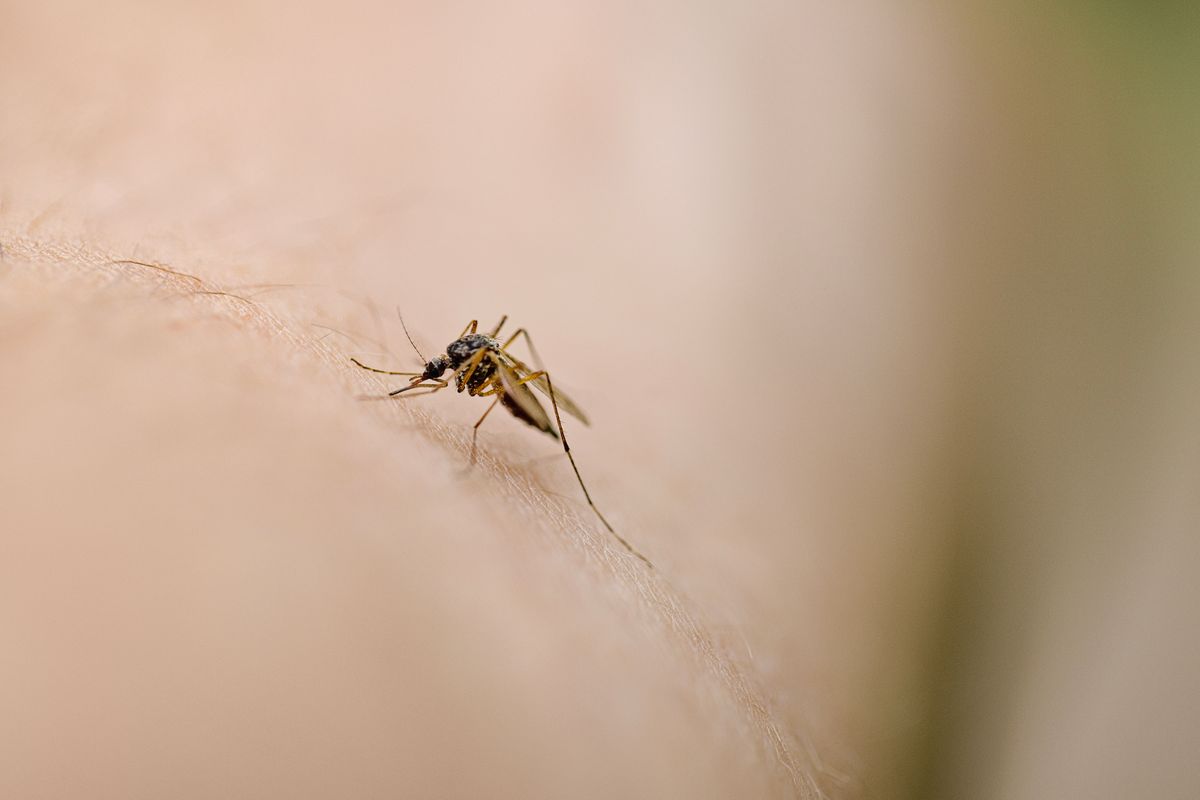
There is a simple way to ward off mosquitos
And finally, Craig has advice for anyone going to a warmer country this summer. He said: “It might sound surprising, but what you wear can influence how attractive you are to mosquitoes. It is suggested that mosquitoes are drawn to darker colours such as black, navy and red, as these shades are easier for them to detect, especially in low light . Clothing colour can influence mosquito attraction, although it’s just one of several factors including body heat, scent and carbon dioxide. Loose-fitting clothing can also act as a physical barrier, making it harder for mosquitoes to reach the skin.
“If you do get bitten, it’s important to treat the area promptly to reduce irritation and lower the risk of infection. Services like Superdrug’s Pharmacy First Infected Insect Bite Service offer convenient access to expert advice and treatment if a bite becomes red, swollen or painful. Using an insect repellent spray can also provide an effective first line of defence by helping to keep mosquitoes at bay in the first place.”