
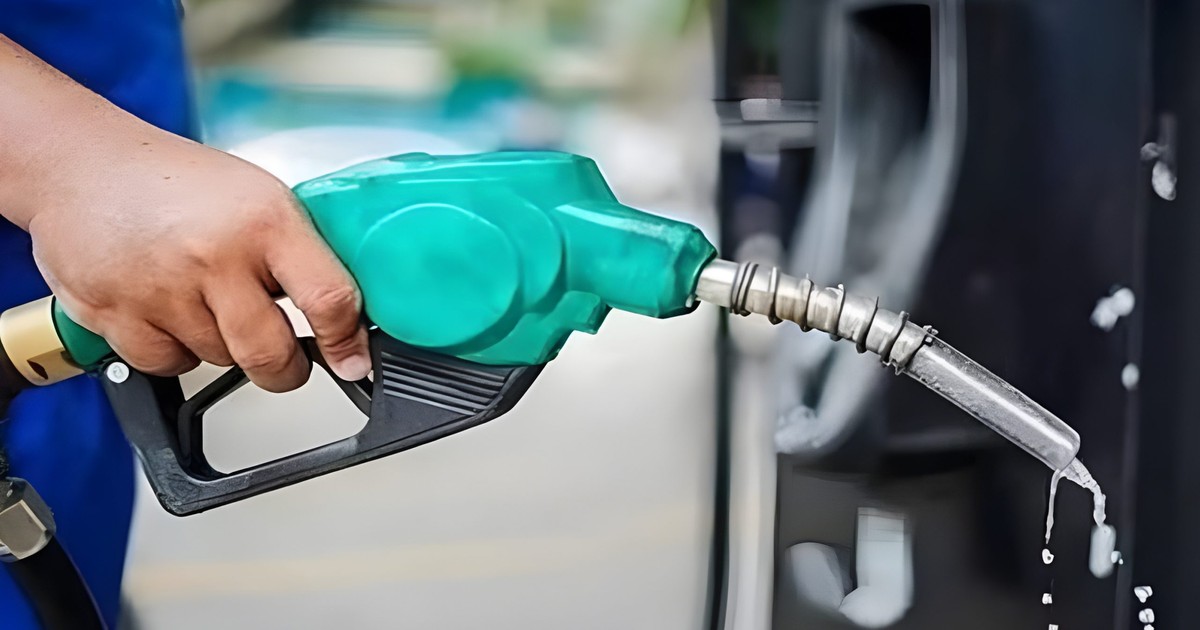
The country suspended excise duty and removed Value Added Tax (VAT) on petrol and diesel imports for three months starting April 1.
Speaking at the Spring Meetings of the and in Washington, Finance Minister, Situmbeko Musokotwane said the relief measures would cost the government roughly $200 million in lost revenue.
Musokotwane warned that an energy crisis linked to instability in the Gulf region could be the biggest risk to African economies over the next year. According to him, higher fuel prices could push up inflation, increase production costs, and further strain public finances across the continent.
“African governments must also continue undertaking domestic reforms that improve resilience and strengthen the quality of public spending,” he said.
Across Africa, governments are increasingly being forced to choose between protecting consumers and maintaining already fragile revenues.
Zambia’s case reflects a broader pattern, where countries heavily reliant on fuel imports are exposed to global price shocks but have limited fiscal space to respond.
While calling for continued support from international lenders, Musokotwane stressed that external financing alone would not be enough.
He urged African countries to rethink their economic strategies by focusing on productivity, energy security, and industrial growth.
He also raised concerns about Africa’s declining role in sectors where it once held a competitive advantage, noting that many goods now consumed globally are produced elsewhere.
“Economies that produce more, diversify more, and trade more competitively are better positioned to absorb shocks without slipping into repeated crisis,” he said.
Zambia’s intervention comes at a time when several African economies are still recovering from recent currency pressures and high inflation, both of which have been worsened by global energy market volatility.