
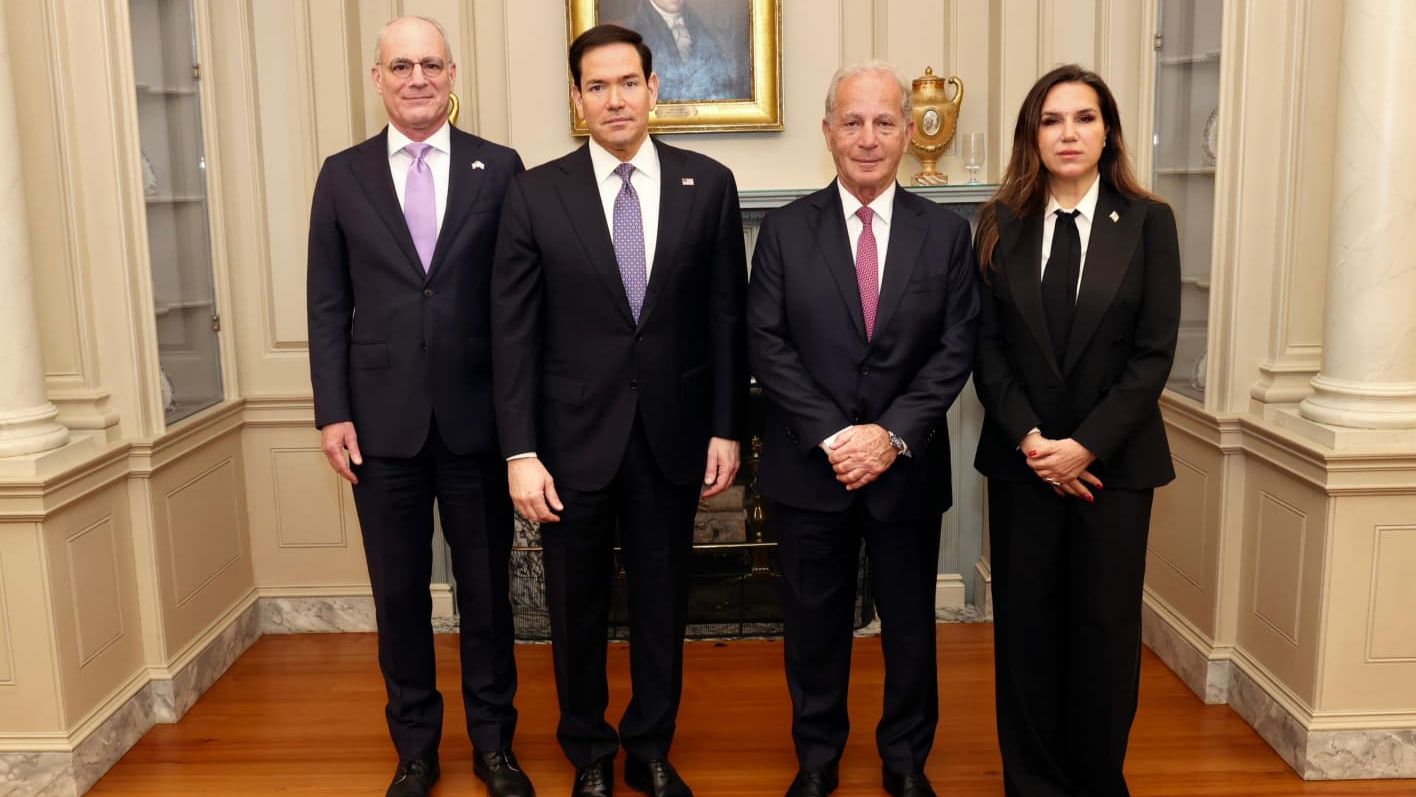
Senior officials from Israel and Lebanon met face-to-face at the US State Department on Tuesday, marking the first high-level direct engagement between the two nations since 1993.
The meeting, mediated by US Secretary of State Marco Rubio, brought together Israeli Ambassador Yechiel Leiter and Lebanese Ambassador Nada Hamadeh Moawad. While the session did not produce an immediate ceasefire, officials characterized the dialogue as a “historic opportunity” to permanently reshape the region.
Secretary Rubio emphasized that the gathering was “more than just about a ceasefire,” framing the talks as a strategic effort to end thirty years of Hezbollah’s dominance in Lebanon.
“This is a process, not an event,” Rubio noted.
Israeli Ambassador Yechiel Leiter struck a similarly optimistic tone, stating that both nations discovered they are “on the same side of the equation.” Leiter identified a shared goal in “liberating Lebanon” from what he described as an Iranian-backed occupation by Hezbollah.
He further revealed that the ultimate objective is a comprehensive peace treaty similar to the Abraham Accords, once security concerns are resolved.
US hosts direct negotiations between Ambassadors
Ambassador Moawad described the preliminary talks as positive, focusing her remarks on the need for a ceasefire, the return of displaced citizens, and the restoration of full state sovereignty over all Lebanese territory.
While the road to a final agreement remains fraught with obstacles, Lebanon is not standing alone. To counter internal pressures, the United States has pledged humanitarian aid and financial support for the Lebanese Armed Forces.
Behind the scenes, Saudi Arabia and other Gulf nations are reportedly preparing to provide the significant financial backing necessary for Lebanon’s reconstruction, provided the state continues to marginalize Hezbollah’s influence.
Despite the diplomatic progress in Washington, the reality on the ground remains violent. Even as the ambassadors met, Hezbollah continued to launch drones and rockets into northern Israel, prompting retaliatory IDF strikes in southern Lebanon.
Hezbollah leader Naim Qassem condemned the talks as “futile,” arguing that the government has no right to engage in direct negotiations without a broader national consensus. This domestic friction raises the specter of civil unrest as the Lebanese government attempts to reclaim the power to decide matters of war and peace.
The session concluded with both sides agreeing to a follow-up meeting, though the date and location remain classified. While Israeli forces are expected to remain in Lebanese territory for the foreseeable future and a ceasefire remains elusive, the Washington summit has effectively broken a long-standing diplomatic taboo.
As Secretary Rubio and the two ambassadors exited the State Department, the message was clear: while the journey is long, the “peace train” between Israel and Lebanon has officially left the station.