
The post A 40-Year Audit Exposes How the Animal Trade Primes the Next Pandemic appeared first on A-Z Animals.
Since COVID-19 radically reshaped society, attention has turned toward the hidden costs of the wild animal trade. The allure of exotic pet ownership is gaining visibility through social media. The wet markets of Wuhan continue to receive much of the blame, but the fact remains: the dangerous, often illegal, wildlife trade is a ticking time bomb for the next global health crisis.
A new study conducted by the Department of Ecology and Evolution at the University of Lausanne reveals the serious dangers of the wild animal trade. Published in the journal Science earlier this month, the study revealed some sobering truths. Below, we examine the study’s findings and explore the broader animal trade industry.
About the Study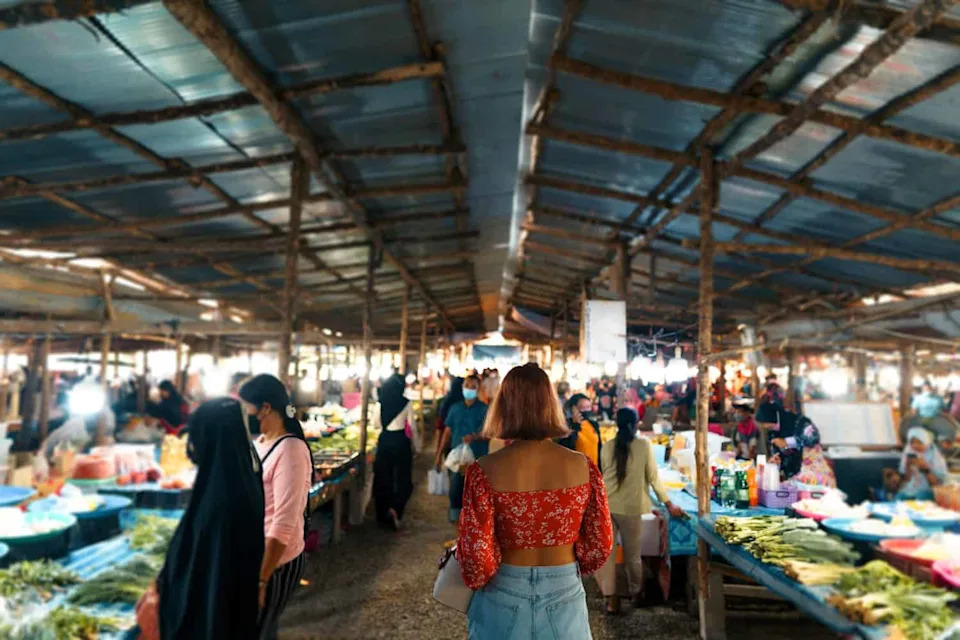
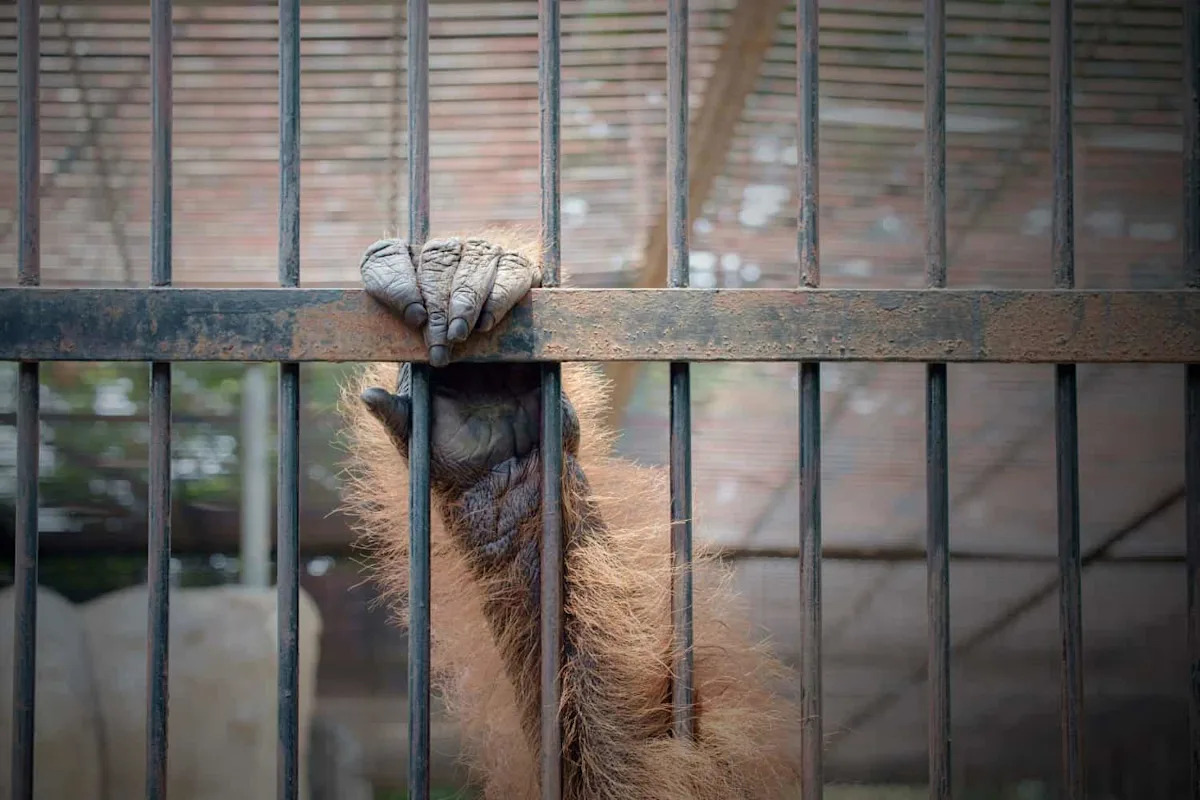
A new study shows that species involved in the wildlife trade are 1.5 times more likely to share infectious pathogens with humans.
©RachenArt/Shutterstock.com
After the disastrous consequences of COVID-19, scientists became increasingly interested in the relationship between the wildlife trade and biological invasions. The team of the recent study, led by Cleo Bertelsmeier, looked at the role that the international wildlife trade played in the transmission of interspecies pathogens. This link appeared obvious on the surface. However, the study’s first author, Jérôme Gippet, explains, “no precise quantification [of that link] had been carried out until now.”
The team conducted their analysis by combining forty years of wildlife import/export data, both legal and illegal, with compilations of host-pathogen relationships. This analysis, conducted in collaboration with researchers at Yale University, the University of Maryland, and the University of Idaho, led to striking results. The research team found that traded wild mammals are 1.5 times more likely to share infectious pathogens with humans than those left in the wild. This means that traded species have a “50% higher probability of sharing at least one virus, bacterium, fungus, or parasite with us.”
While these results may not surprise everyone, they reinforce that close contact between humans and wild animals carries real consequences. The team’s most striking finding further supports this conclusion. As Jérôme Gippet explains, “The length of time an animal has been present in trade plays a key role: on average, a species shares one additional pathogen with humans for every ten years spent on the market.”
Rubbing Shoulders
Estimating the exact monetary value of the worldwide illegal wildlife trade is difficult. Nevertheless, the unregulated fisheries trade alone is estimated to be worth between $4.2 and $9.5 billion annually. As for mammal trafficking, many of these wild animals end up being sold as pets. These include hedgehogs, bears, pangolins, fennec foxes, and even elephants. Beyond pet ownership, the illegal wildlife trade also extends to hunting trophies, traditional medicine, biomedical research, and the trade of meat and fur. Even if parts of the trade are not explicitly illegal, the overall industry affects an incredible number of creatures. About one quarter of all mammal species have appeared in the global wildlife trade, either as live animals or as products such as fur, meat, or ingredients in traditional medicine.
The team’s study focused specifically on animals that have not been domesticated. This broad category included animals involved in the meat and fur trades, as well as exotic pets. However, the team clarified an important distinction: handling or trading wildlife byproducts does not carry the same pathogen transmission risk as direct contact with live animals.
“It is important to understand that the probability of being infected by playing a piano with ivory keys or wearing fur is almost nonexistent. The problem lies at the beginning of the chain: someone had to hunt the animal, skin it, transport it…,” explains Jérôme Gippet. Ultimately, public demand for these goods drives pathogen transmission.
Looking Forward
Greater oversight of the wildlife trade could help prevent another pandemic.
©Prostock-studio/Shutterstock.com
COVID-19 remains the most prominent example of wildlife-to-human pathogen transmission in public memory, but it is far from the only one. In 2003, for example, the United States faced a monkeypox outbreak due to its transmission from prairie dogs sold as pets. Beyond widespread outbreaks, individual animals can also escape into the wild and harm ecosystems, providing additional routes for pathogen transmission.
these results highlight a greater need for biosurveillance of animals and “animal-derived products in order to detect infectious agents and assess their potential for transmission to humans.” As author Jérôme Gippet explains, increased trade in wild animals raises the likelihood that pathogens will spread. He says, “Our finding that wild mammals share, on average, one additional pathogen with humans for every decade of presence on the global market highlights that the number of contacts plays a decisive role. To reduce disease emergence, these opportunities for encounters must be limited, and therefore the overall volume of trade.”
Without greater oversight, pathogens transmitted through the wildlife trade could contribute to the next pandemic.
The post A 40-Year Audit Exposes How the Animal Trade Primes the Next Pandemic appeared first on A-Z Animals.