
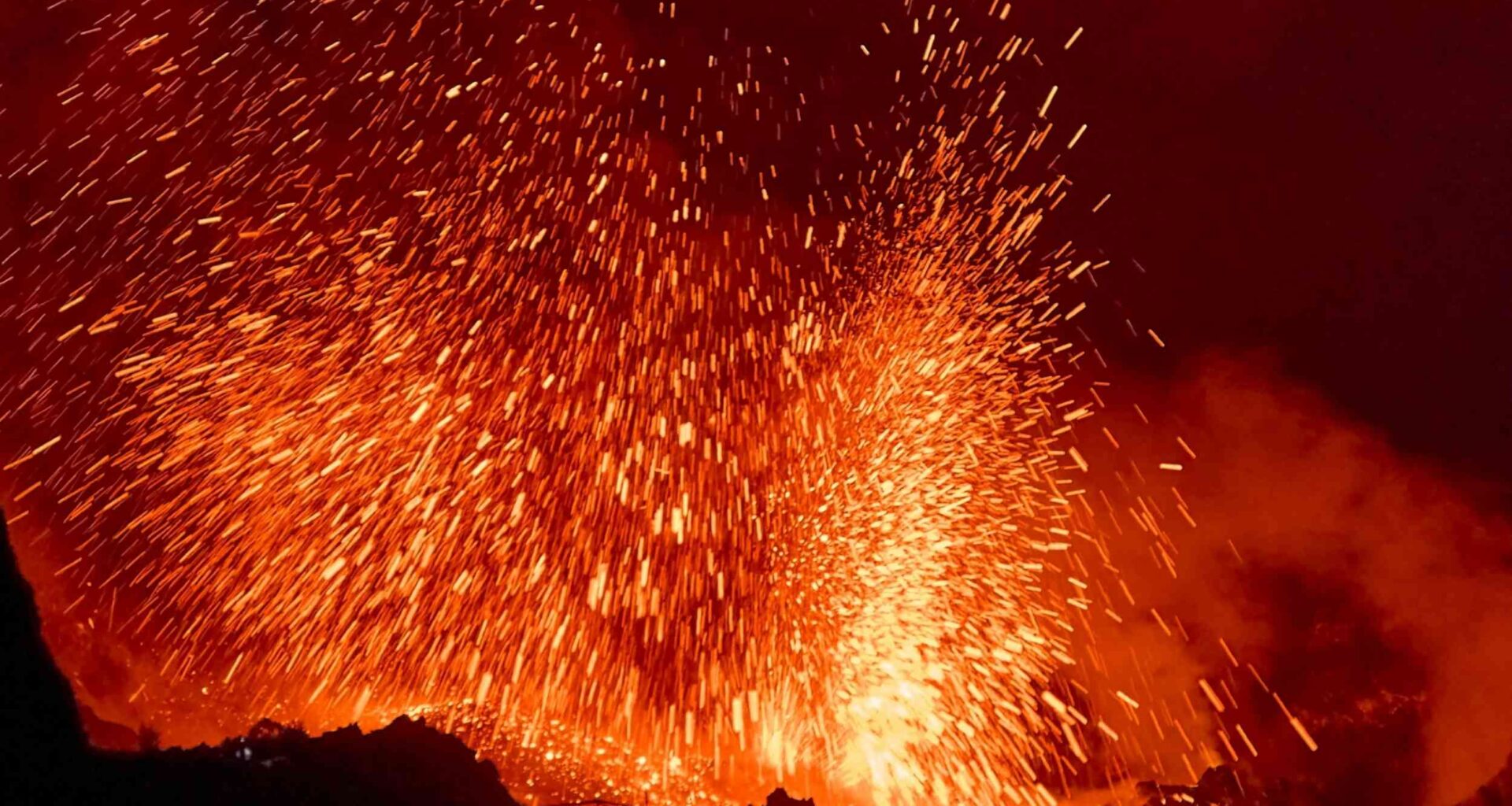
Eruptions in the Andes, a long volcanic mountain chain along South America’s western edge, likely helped cool Earth between 7 million and 5.4 million years ago, according to a new study.
Nutrient-rich ash in the Southern Ocean appears to have fed vast algal blooms that pulled carbon dioxide into deep water and altered the course of the planet’s climate.
Ash meets the sea

Seafloor rocks along the Pacific edge of South America preserve both the fallout from those eruptions and signs of unusually productive ocean water.
Working through those layered deposits, Mark T. Clementz at the University of Wyoming linked repeated volcanic bursts offshore to the nutrient delivery described in the study.
The same interval that saw volcanic activity intensify around 7 million years ago also records a drop in atmospheric carbon.
That overlap points to a powerful connection, but it also leaves the article’s next question in place: how ash turned a regional eruption pattern into a broader climate effect.
Productivity in the Southern Ocean
Volcanic ash carries key nutrients that help ocean plant life grow when surface waters run low. Much of the Southern Ocean is iron-limited, meaning plant life stalls even when other nutrients remain available.
Fresh ash changed that bottleneck because even brief nutrient pulses can trigger rapid growth across cold, nutrient-rich waters.
The team investigated where the extra carbon went and whether it stayed buried. The strongest response was found in diatoms, single-celled algae with glassy shells, thriving when ash adds iron and silicon.
As blooms expanded, photosynthesis pulled carbon dioxide from surface water, and sinking organic matter carried some of that carbon downward.
Simulations showed that diatom chlorophyll more than doubled after ash pulses, matching productivity spikes seen in Southern Ocean records.
Cooling follows that response only when living material sinks deep enough to stay stored for years.
Whales got bigger
Whale evolution changed during the same stretch of time, with baleen species trending toward much larger bodies as oceans reorganized.
In the study’s fossil synthesis, median whale length rose from roughly 16 feet to 39 feet as smaller forms disappeared.
Cerro Ballena in northern Chile preserves repeated marine strandings that researchers linked to harmful algal blooms, toxic outbreaks that kill animals.
Through feces and sinking carcasses, whales likely amplified the carbon story, although the new climate models did not include that feedback.
Far-reaching impacts of ash
To test whether the overlap reflected a real cause-and-effect link, the team combined fossils, chemical evidence, wind patterns, and global climate simulations.
Modern wind patterns matter because they show where ash travels, and most plumes move east across the South Atlantic.
Some material also fell near Chile’s coast, but the broadest fertilizing signal reached waters circling Antarctica and beyond.
A local ash cloud could disturb one coast, but a wider plume can influence how the ocean absorbs and stores carbon far beyond it.
The response of marine life
When researchers added four ash pulses across 300 years, marine life responded within the first two years after each blast.
Cold southern waters showed a surge in microscopic plant growth, and the ocean pulled in more carbon dioxide from the air.
Across one 75-year volcanic cycle, the extra drawdown reached about 0.66 parts per million in the atmosphere.
Still, those gains were modest on their own, but repetition let the effect stack instead of fading away.
Frequent eruptions were key
Longer simulations stretched the story to 20,000 years and showed why frequent eruptions matter more than single blasts.
Fresh nutrients vanish fast as particles sink or get buried, so another ash pulse has to arrive before recovery finishes.
When these eruptions kept happening, carbon dioxide in the air dropped by a small but measurable amount.
During especially violent intervals around 8.4 million years ago, some eruptive bursts may have been 12 times stronger than the average scenario tested.
What models may miss
Not every part of the chain fit neatly inside a model, and the authors flagged important uncertainties.
They used conservative values for ash nutrients, which guards against overstatement but may underplay the strongest eruptions.
Injection height, ash chemistry, and the ocean’s slower circulation can all change how long extra carbon stays buried.
Whale-driven recycling also sat outside the main simulations, so the real marine feedback may have been larger or messier.
Implications for Earth’s climate
The finding does not offer a fix for modern warming, because volcanoes bring destruction and today’s climate is driven by human emissions.
Instead, it shows how small nutrient changes cascade through food webs and alter how much carbon the ocean stores.
“This work improves our understanding of how natural processes can regulate Earth’s climate, which is directly relevant to anticipating future climate change and its impacts on society,” said Clementz.
By linking volcanic activity to surges in ocean life and the removal of carbon dioxide from the air, the study clarifies how these processes can shape Earth’s climate over long periods.
From seafloor ash layers to long climate runs, the evidence points to eruptions feeding life and life cooling the climate.
Researchers will now need tighter records of eruption timing, ash chemistry, and ocean response to judge that planetary effect more precisely.
The study is published in the journal Communications Earth & Environment.
—–
Like what you read? Subscribe to our newsletter for engaging articles, exclusive content, and the latest updates.
Check us out on EarthSnap, a free app brought to you by Eric Ralls and Earth.com.
—–