
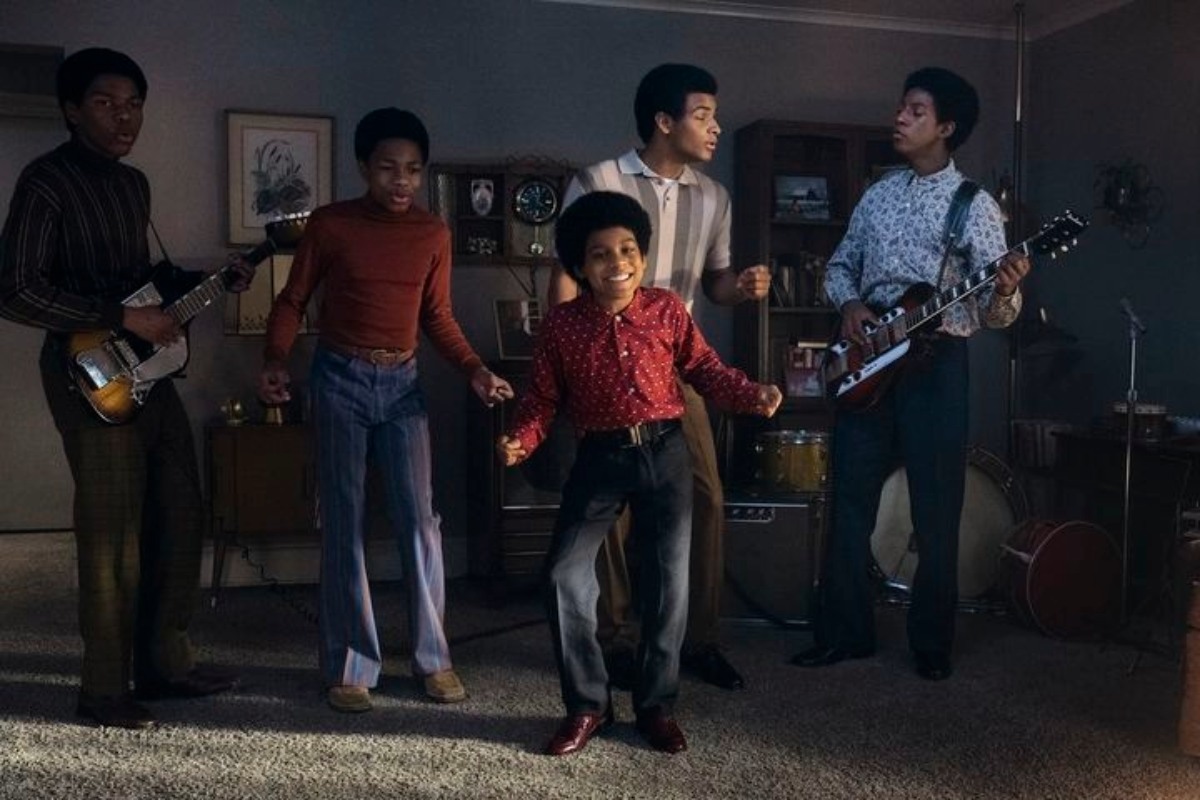
What does a biopic about the most scrutinized pop icon leave on the cutting room floor, and why? When a superstar’s legacy collides with contracts and family fault lines, the story that remains says as much as the scenes you’ll never see.
Cameras rolled, money flowed, and then the scissors came out. The Michael Jackson biopic arrived trimmed of key moments after lawyers and prior agreements boxed in what could be shown, from contested chapters of his life to scenes with Diana Ross portrayed by Kat Graham. Behind the glossy release sit reshoots costing up to $15 million and a family rift, with Janet Jackson questioning the film’s candor. As France gets the first look and the U.S. waits for April 24, 2026, the movie’s story now includes the scenes audiences will never see.
A biopic built on ambition and controversy
The long-awaited biopic Michael, centered on the King of Pop, arrives with big expectations and bigger questions. After an overseas bow, the film is slated to open in US theaters on April 24, 2026. It chases a grand promise: celebrate the artist’s impact while addressing the storms that shaped him. The result, already, feels both lavish and contested.
Legal challenges and production hurdles
Ambition met hard limits in the edit bay. Producer Graham King, riding the legacy of Bohemian Rhapsody, worked closely with the Michael Jackson Estate, represented by attorney John Branca. That access came with strings. Pre-existing legal agreements narrowed what could be depicted, trimming scenes that touched sensitive events and individuals, according to industry reporting.
Deleted scenes: Unveiling what didn’t make the cut
Viewers expecting a full reckoning may notice absences. Scenes tied to the Chandler case, for example, were removed, reportedly due to legal constraints tied to prior settlements. Diana Ross, portrayed by Kat Graham, was meant to appear more substantially. Her sequences were later excised for unspecified legal reasons, fueling fan speculation and spotlighting the film’s protective approach to contested history.
Reshoots reportedly cost an additional $10–$15 million, inflating an already substantial budget (trade outlets flagged the figure in 2026).
These changes suggest a project constantly recalibrating tone and scope. Indeed, the final cut appears designed to emphasize artistry and family narrative, while stepping carefully around depictions that might trigger litigation or misrepresentation claims.
— Kat Graham (@KatGraham) April 23, 2026
Janet Jackson’s criticism and family dynamics
Family voices complicated the rollout. Janet Jackson criticized the film’s honesty in 2025, saying it minimized hard truths. Her stance sharpened a recurring tension: who controls Michael Jackson’s story, and how far should a studio go in dramatizing disputed chapters? The film nods to closeness and conflict, yet the public rift underscores how fragile that balance remains.
Awaiting its US reception
Overseas interest has been strong, and US audiences will soon render their verdict. Will the legal guardrails help the film reach a wider crowd, or leave it feeling incomplete? What seems clear is the enduring pull of Michael Jackson’s legacy. The movie bets that careful storytelling, high craft, and star power can carry the weight of what it leaves off-screen.