
In the fourteen-ish hours I spend on my PC every single day, fifteen minutes are spent on LinkedIn, without fail. Not because I’m super interested in knowing what everyone in my network is up to, but because the daily LinkedIn puzzles and word-games are undeniably one of the best parts of my day. Of course, at the same time, it’s impossible not to peruse through the feed, seeing every fifth post be about how resumes can be made more ATS-friendly by having an AI agent “clean it up” for you.
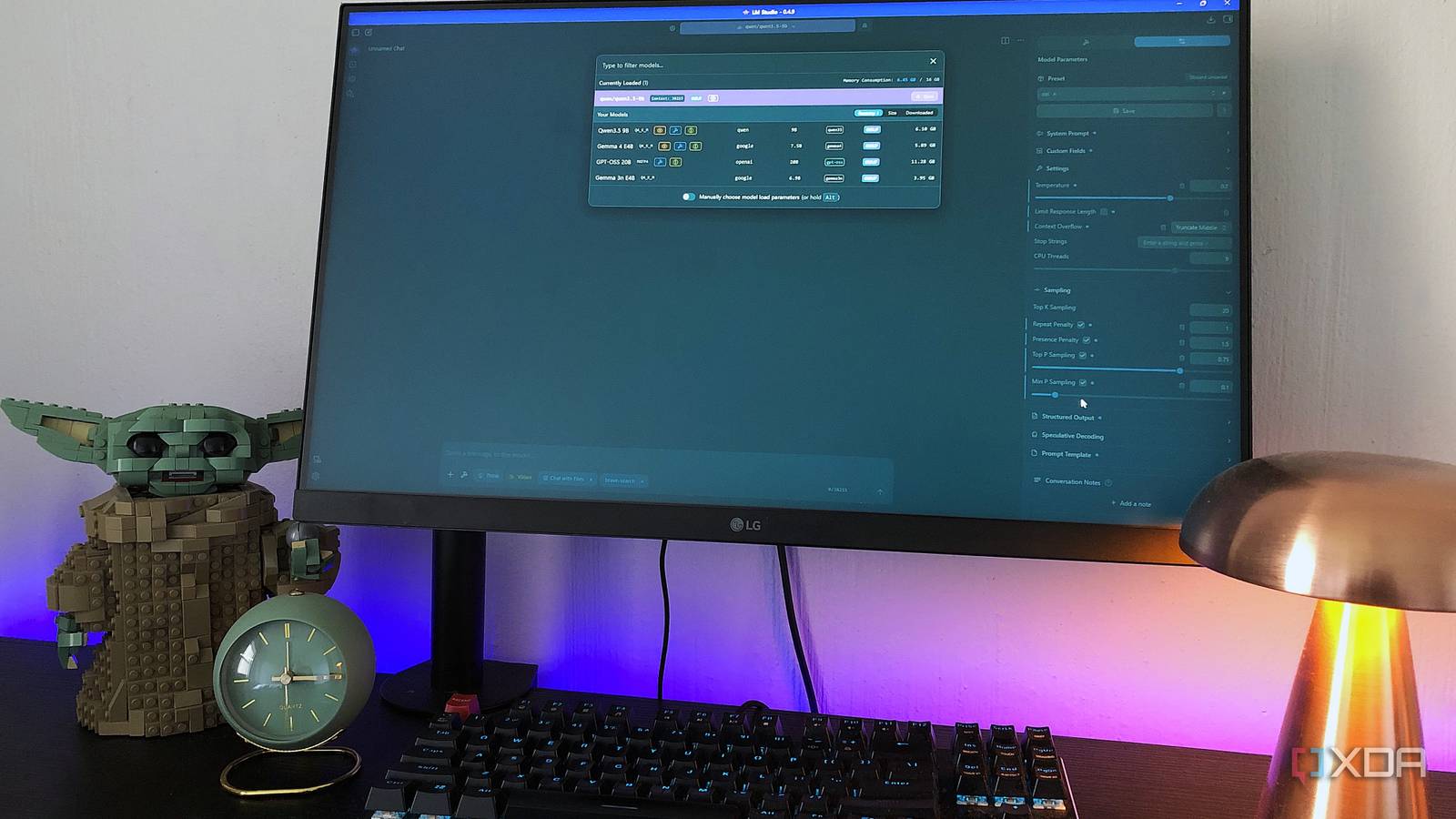
You’ll also find hundreds of different prompts telling you exactly what to input, just so that your resume presents itself better. I’ve spent the past two weeks learning the ropes for self-hosting LLMs through Ollama. Naturally, my first thought was how my own locally-stored model would fare against OpenAI’s ChatGPT if I pitted them head-to-head in a resume-rewriting contest.
Related
5 self-hosted LLMs I use for specific tasks
My customized, self-hosted AI workflow
The same resume, with the same prompt
A single local LLM going up against OpenAI’s titan
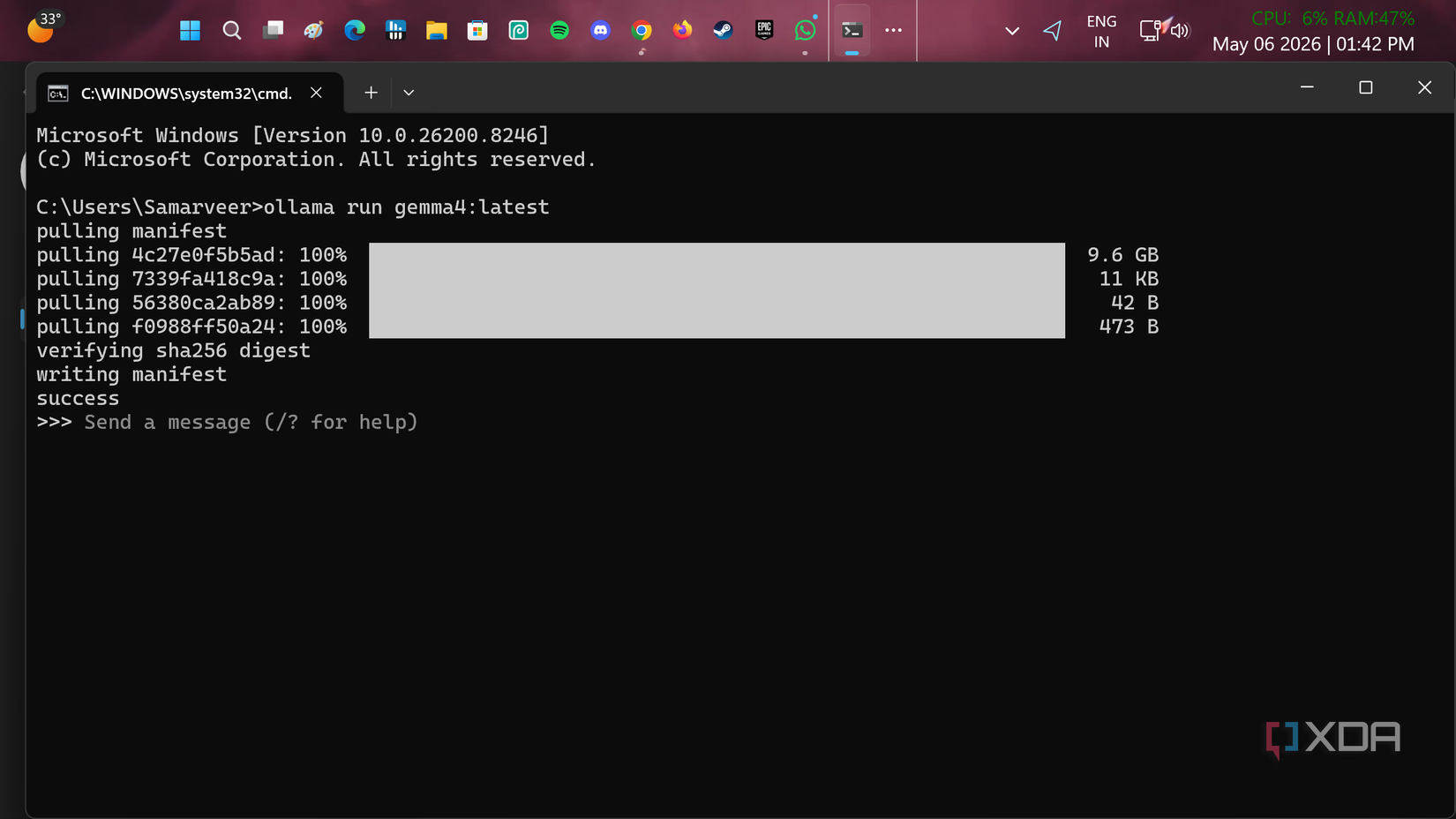
It had been a while since I’d updated my resume. This entire year, I’ve only had the opportunity to do it once, and the document itself hasn’t had a lot of care put into it, to be rather honest. I even had to spend ten minutes digging through my files to find the last-edited copy, which I promptly put into ChatGPT. Simultaneously, I uploaded my resume to my local LLM, which runs the Gemma 4 model through Ollama. When I have plenty of time on my hands, I usually prefer using the Quen 3.6 model with 27 billion parameters, but it sure puts my RTX 4070 Ti and 32GB DDR5 RAM system to shame. As such, I went with my go-to Gemma 4, 8 billion-parameter model.
Here’s the prompt I gave to both the LLMs at the same time — Take a look at my resume, and go through it with a fine-toothed comb. Act as a senior hiring manager and resume reviewer for tech and media roles. Analyze my resume and provide feedback with zero sugarcoating. Identify the following: 1. Weak bullet points 2. Redundant or vague writing 3. Overused corporate buzzwords 4. Missing measurable impact 5. Sections that undersell my experience 6. Skills or achievements that should be emphasized more. Help me optimize my resume’s content to include relevant keywords and phrases in a natural way. Audit this entire resume and point out areas where I’m being too vague, too wordy, or not showing enough impact. Then, rewrite the resume to sound sharper, more confident, and more employable while still sounding human and believable. Prioritize clarity, impact, and strong phrasing over sounding overly formal. Lastly, write a headline and a subheading that clearly communicate to the reader what I bring to the table and what my strongest suits are.
Related
I used Claude, Gemini, and ChatGPT to create my personal website, and there was a clear winner
The AI web dev battle.
ChatGPT decided to take a rather generic approach
It’s nothing I haven’t seen before
GPT-5.5 took my resume and immediately began telling me what was wrong with it. It pointed out how the resume was relying on a lot of standard resume phrasing, while lacking any real substance underneath. I wouldn’t call GPT’s response wrong, per se, but it was certainly a little too cautious. It pointed out problems with vague phrasing, missing metrics, and generic wording, but it never managed to fully reframe the resume into something strategically marketable. Where ChatGPT-5.5 focused more on cleanup, my locally-run Gemma 4 changed the entire tone of its feedback.
Want to stay in the loop with the latest in AI? The XDA AI Insider newsletter drops weekly with deep dives, tool recommendations, and hands-on coverage you won’t find anywhere else on the site. Subscribe by modifying your newsletter preferences!
GPT-5.5 especially missed the mark in connecting the dots between my wildly different experiences. It treated journalism, AI QA, editorial, and SEO work as separate professional chapters as it tried cleaning each of them up in isolation. A strong part of my resume comes from my year-long experience at Nvidia, which GPT-5.5 clearly undersold, especially compared to what Gemma 4 did. ChatGPT’s response absolutely did improve clarity, sure, but did nothing to improve perceived value.
Plus, when it came to rewriting the entire thing, I can’t quite figure out why ChatGPT chose to go with a “condensed” version. Furthermore, it skipped out entirely on the final instruction, where I explicitly asked for a headline and a sub-headline to act as an immediate synopsis for recruiters.
Related
I don’t pay for ChatGPT, Perplexity, Gemini, or Claude – I stick to my self-hosted LLMs instead
There’s no point in relying on AI tools when my local LLMs can handle everything
Gemma 4 understood what ChatGPT initially missed
My local model actually slowed down and thought
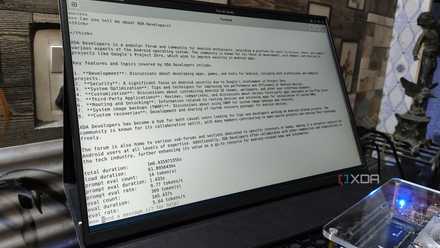
The biggest thing Google’s Gemma 4 did better was intent recognition, in my opinion. Instead of merely editing my resume, it analyzed the entire thing and actually crafted a full career narrative. It understood that my resume struggled with fragmentation fatigue, where I went from being a mere writer, to a journalist, to a prompt engineer and QA lead and a creative head. On paper, it looked chaotic, and it desperately required reframing into deliberate skill expansion. That’s what my local LLM caught over the course of its one minute of thinking. Most importantly, it recognized the far more interesting narrative: that I intentionally evolved from writer to technical media operator. Of course, this is what comes off as a significantly stronger story.
Where my GPT feedback called a bullet point vague, Gemma followed it up with how it should demonstrate operational or financial impact. That’s how the local model proved to be more aggressive in translating responsibilities into business outcomes. Sure, even I myself had named the file I uploaded as my “CV,” but Gemma turned it into a branding document rather than a generic work history sheet. It also gave me a “multi-functional media strategist” angle which was genuinely smart.

Related
Google’s Gemma 4 finally made me care about running local LLMs
Why did I ignore local LLMs for so long?
Local LLMs are becoming dangerous for high-stakes work
More patience, more depth, and fewer shortcuts
Credit: Shekhar Vaidya/XDA
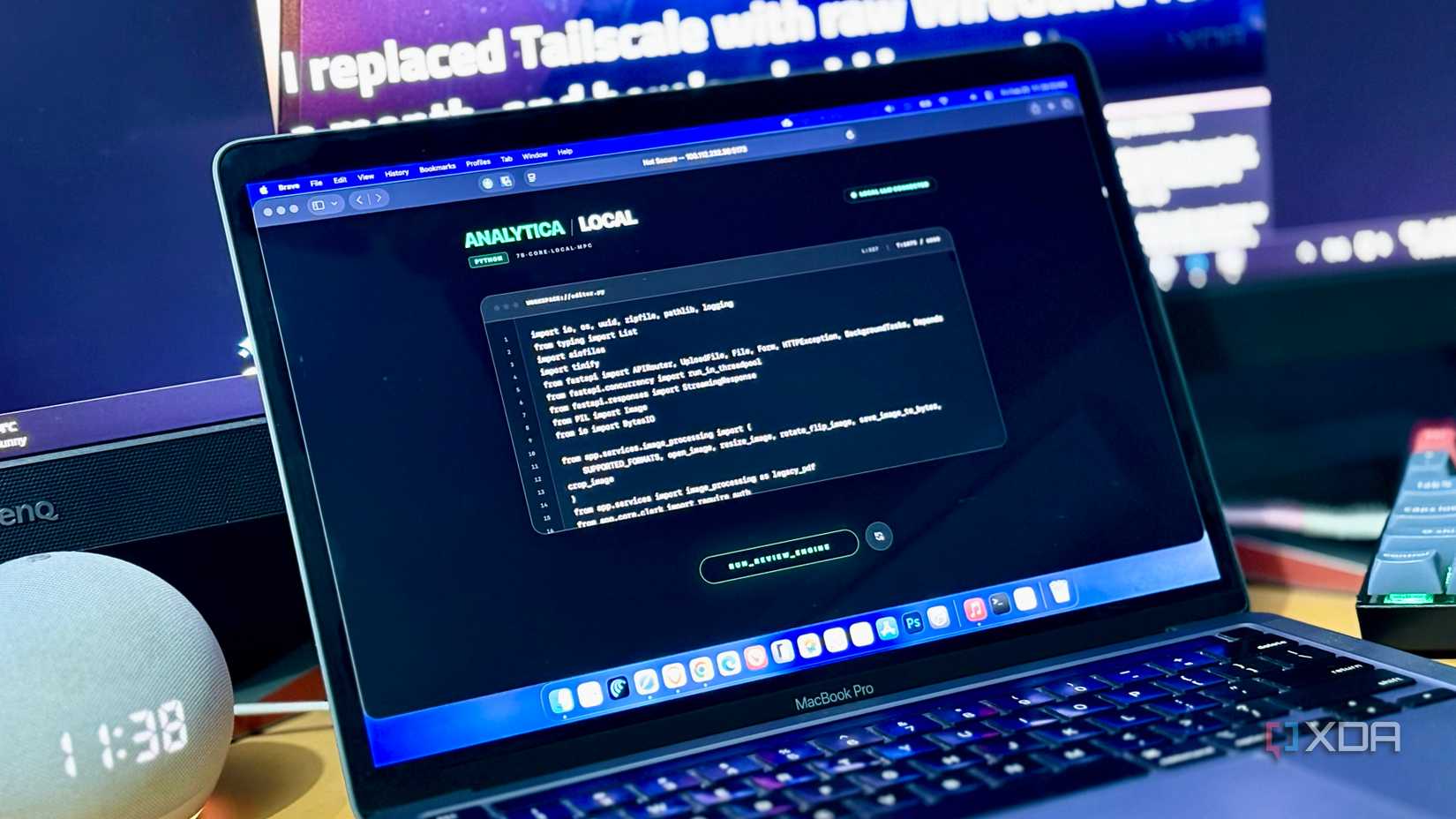
What I find particularly interesting is that this was an 8B local model running on consumer hardware. If I had given it more parameters, more context memory, and more inference time, the gap would probably have widened even further for tasks such as this one. After all, resume reviews are simply not about speed, and they aren’t supposed to be, either. Contextual understanding may take longer, but it also comes with the ability to infer exactly what the candidate requires and is trying to become.
In this space, local AI models are definitely becoming monsters in their own right. Instead of serving millions of users every minute, they just have to work for a single user on a single PC, which is why they can afford to sit there and think longer. ChatGPT may have given me its response in under a minute, while Gemma 4 took its sweet time and crossed the five-minute mark, but for something as career-critical as a resume, waiting an extra few minutes for deeper, more tailored, and more introspective feedback honestly feels like an incredibly fair trade compared to getting the fast-but-safe response that was clearly optimized for scale.
Related
Local-first vibe coding
It’s exciting to think where this all goes next
The better model proved to be the one that paid closer attention.
The irony of using AI to critique how humans market themselves to other humans is not lost on me. After reading both responses side by side, though, it’s become painfully obvious that the better model isn’t necessarily the one with the biggest name attached to it. Instead, it was the one that paid closer attention because it got the time and opportunity to.