
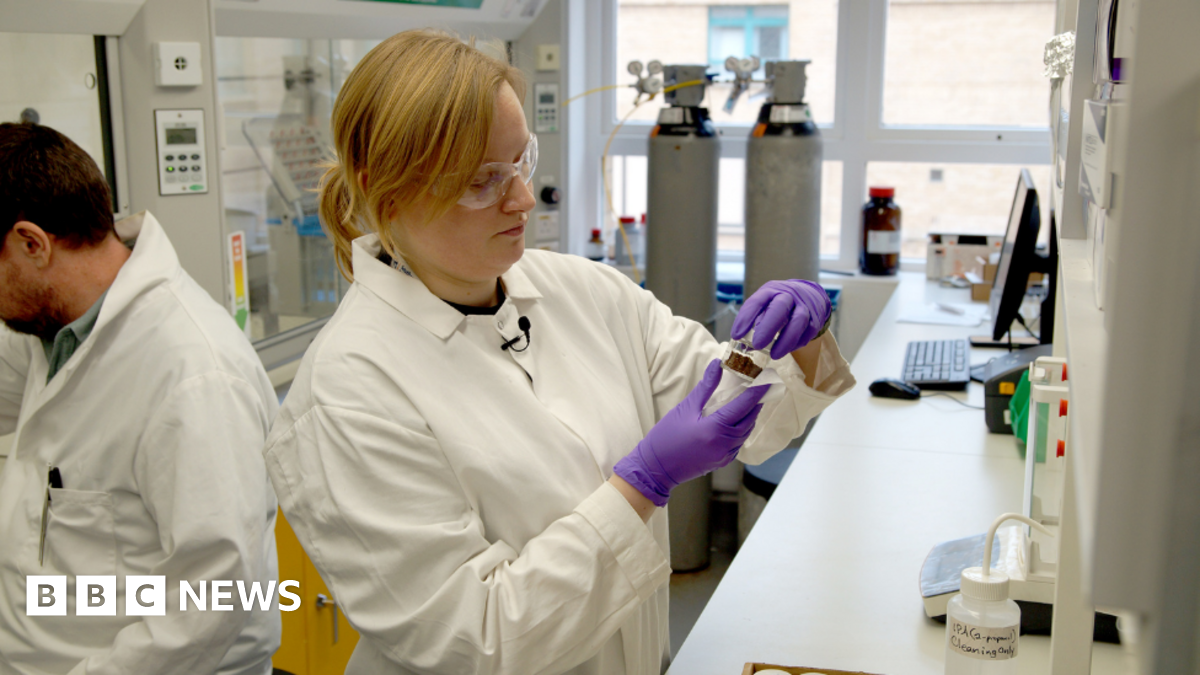
The university says this knowledge could steer strategies to improve air quality and inform future studies to relate individual sources to impacts on health.
Particulate matter can be breathed deep into the lungs, and the very smallest particles can even enter the bloodstream.
Long-term exposure is associated with increased risk of a wide range of health conditions, including asthma, interstitial lung disease, lung cancer, cardiovascular disease, stroke, and dementia.
This dust comes from both man-made and natural sources, leaving behind a chemical fingerprint which can be used to work out where the pollution came from.
Dr Easton said: “Air pollution doesn’t affect every area in the same way, so it’s really important that we build a clearer picture of what’s happening in our local environments.
“By looking at what’s captured in tree bark, we hope to uncover these hidden fingerprints to pinpoint sources of pollution and guide strategies to ultimately support healthier communities.”