

Good Morning [%first_name |Dear Reader%],
You are on a free plan.
Your subscription has expired.
Upgrade now to unlock premium newsletters, top feature stories, exclusive podcasts, and more.
You are reading our weekly newsletter The Collection —multiple stories, multiple perspectives, one theme worth your time every edition
Indian pharma, for years, believed the factory was the most valuable thing.
This was a reasonable belief. Factories built the industry, turned cities like Hyderabad into pharmaceutical export machines, made India the world’s generic-drug supplier, and created companies that could make almost any molecule cheaply enough to terrify Western rivals and sometimes the FDA.
But factories have an annoying habit that, eventually, others can build one too.
And so, somewhere along the way, the industry started discovering that the really lucrative part of the business was often the stuff surrounding the molecule. Which essentially means the filings, the approvals, the supply-chain relationships, the regulatory bottlenecks, and the ability to move a drug through global regulators that become more political and more complicated every year.
This became even clearer in March, when at one of pharma’s biggest industry gatherings, the factory-less model suddenly became fashionable. Regulatory IP, not manufacturing capacity, was being discussed as the strategic asset for the next phase of pharma.
Which brings me to HRV Pharma, a Hyderabad company that sells across 55 countries and boasts over Rs 400 crore in revenue while owning exactly zero factories.
What it owns instead are Drug Master Files. These are regulatory filings needed before pharmaceutical ingredients can enter markets like the US. One pharma analyst called them “drug visas”. To me, phrases like these are what consultants invent before charging clients by the hour. Except, here it captures something key about where pharma economics is heading.
The company’s insight is fairly simple. Manufacturing drugs is getting competitive by the day, but regulatory infrastructure is not.
Founder Hari Kiran Chereddi learnt this in his previous API business, where the factory did most of the physical work while the company controlling the filing, often controlled the customer relationship and a larger share of the economics.
Read Sudeshna’s fascinating story below:
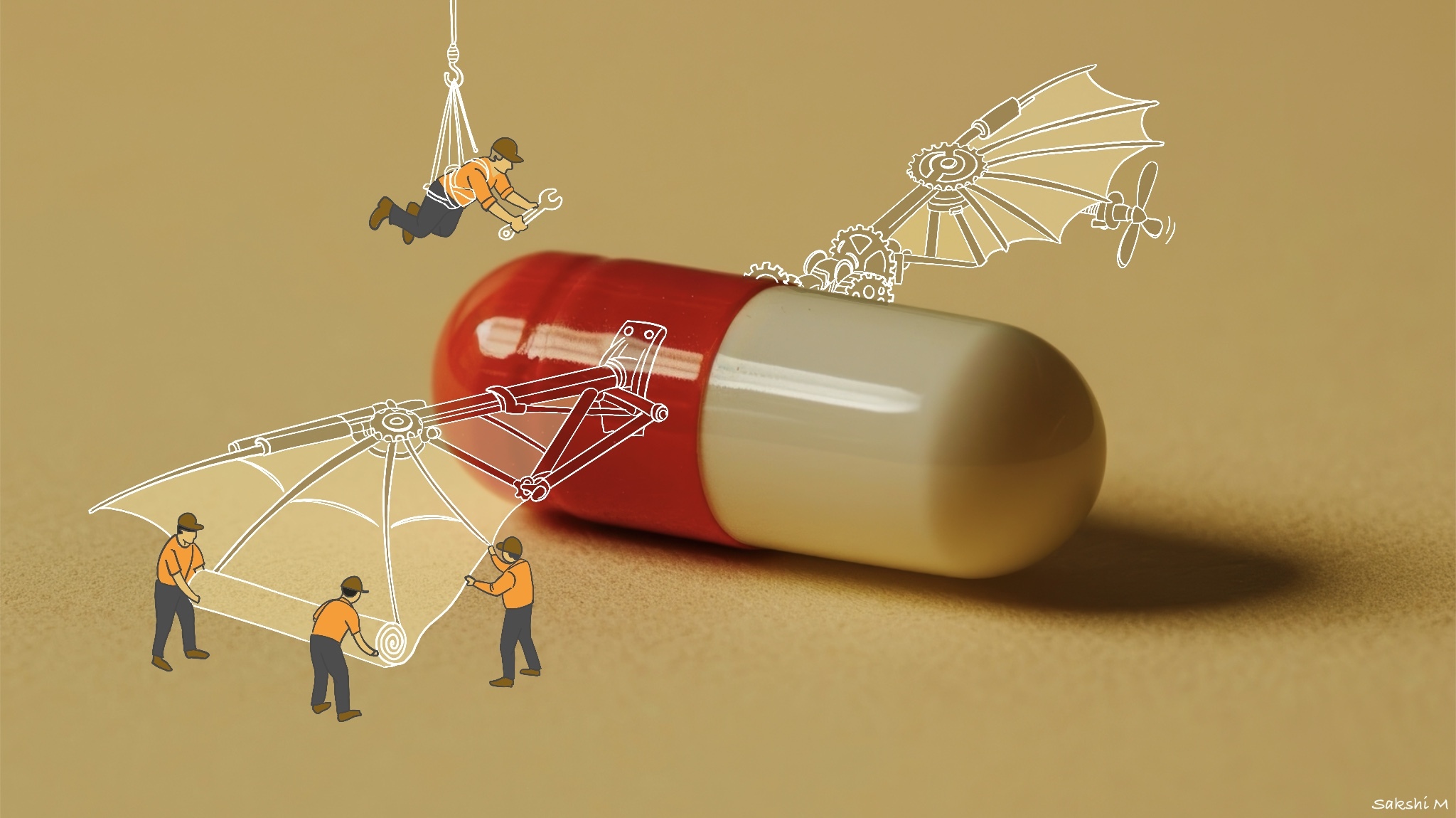
Can ‘drug visas’ soon outgrow drug manufacturing? This pharma company is betting on it
Factory-less HRV Pharma has turned managing regulatory paperwork into a successful standalone business
Can ‘drug visas’ soon outgrow drug manufacturing? This pharma company is betting on it
Factory-less HRV Pharma has turned managing regulatory paperwork into a successful standalone business
What’s interesting is that this is not a niche pharma corner anymore. Reading through The Ken’s stories recently, it’s clear that drugmakers don’t want to just manufacture medicines. They want the ecosystem of approvals, diagnostics, patient-management software, adherence programmes, and distribution, too.
The obesity economy was never just about obesity drugs
The clearest example is GLP-1s.
When semaglutide, the molecule behind Ozempic and Wegovy, went off patent in India, prices crashed. And Indian pharma companies were already preparing for a gold rush. Dr Reddy’s, Lupin, Zydus, Sun Pharma, and Torrent… everyone wants a piece of the market.

Rs 20,000 to Rs 3,000: the price drop in weight-loss drugs Indian pharma can’t handle
Market research shared exclusively with The Ken suggests that semaglutide will see an 85–90% price drop as it goes off patent in 2026, opening up a $2 billion market by 2030
Rs 20,000 to Rs 3,000: the price drop in weight-loss drugs Indian pharma can’t handle
Market research shared exclusively with The Ken suggests that semaglutide will see an 85–90% price drop as it goes off patent in 2026, opening up a $2 billion market by 2030

Novo is losing India’s weight-loss market to Eli Lilly. How does it redeem itself?
As Novo prepares to lose market exclusivity in India, it sets its sights on the healthcare system, partnering with Healthifyme, buying hospitals, and investing in biotech
Novo is losing India’s weight-loss market to Eli Lilly. How does it redeem itself?
As Novo prepares to lose market exclusivity in India, it sets its sights on the healthcare system, partnering with Healthifyme, buying hospitals, and investing in biotech
But even before the generics properly arrived, an entire ecosystem began forming around the drug.
Healthifyme, Tata 1mg, clinics, nutrition coaches, Whatsapp communities, subscription programmes, endocrinologists charging premium fees, AI-generated before-and-after photos… they all started building businesses around helping people stay on GLP-1s.
India made GLP-1s cheap. Expensive weight-loss coaches are cashing in
A new ecosystem, from Whatsapp communities to platforms like Healthifyme and Tata 1mg, is trying to make them work
India made GLP-1s cheap. Expensive weight-loss coaches are cashing in
A new ecosystem, from Whatsapp communities to platforms like Healthifyme and Tata 1mg, is trying to make them work
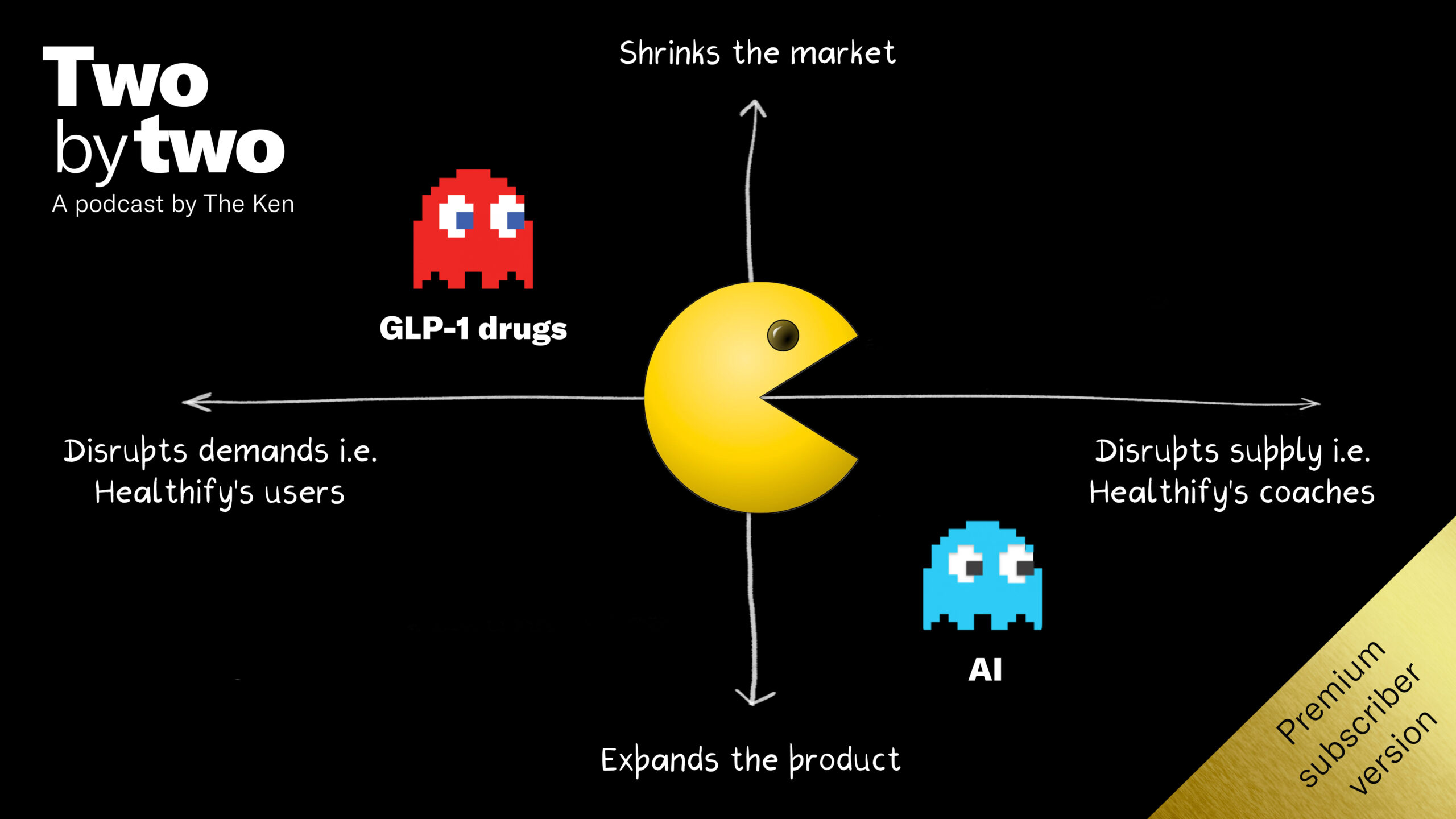
Two By Two • 80
Healthify swallowed its disruptors. But can it digest them?
The CEO on the two disruptions he can’t ignore: AI and GLP-1 drugs
Two By Two • 80
Healthify swallowed its disruptors. But can it digest them?
The CEO on the two disruptions he can’t ignore: AI and GLP-1 drugs
The difficult part of weight-loss drugs is everything that comes after. There is dosage and side-effects management, as well as discipline and lifestyle changes. There is also the fear of regaining weight. Globally, a large chunk of patients stop GLP-1 treatment within a year.
So Novo Nordisk, which risked losing pricing power once semaglutide went generic, started trying to move one layer upward too. It invested across hospitals, diagnostics, and insurance administration, and partnered with Healthifyme in India.
The theory is that if the molecule commoditises, there is always the patient journey to own.
What makes this shift more interesting is what these companies are quietly moving away from at the same time.
For decades, insulin sat at the centre of diabetes care. It is life-saving for millions of Indians and tightly regulated. Novo Nordisk built a dominant position in the country, selling it. Sanofi did too. But now, as the industry pivots towards newer GLP-1 drugs for diabetes and obesity, insulin increasingly looks like an older business with capped prices and limited upside.

100M diabetics. Still no country for insulin
Biocon-Eris sees a windfall as foreign pharma giants exit the world’s largest insulin market. But this is a humbling lesson in self-reliance for India
100M diabetics. Still no country for insulin
Biocon-Eris sees a windfall as foreign pharma giants exit the world’s largest insulin market. But this is a humbling lesson in self-reliance for India
The real margins were hiding elsewhere
Indian pharma likes to tell two stories about itself simultaneously. The first is that it makes affordable medicine for millions. The second is visible whenever you look at how medicine is actually sold.
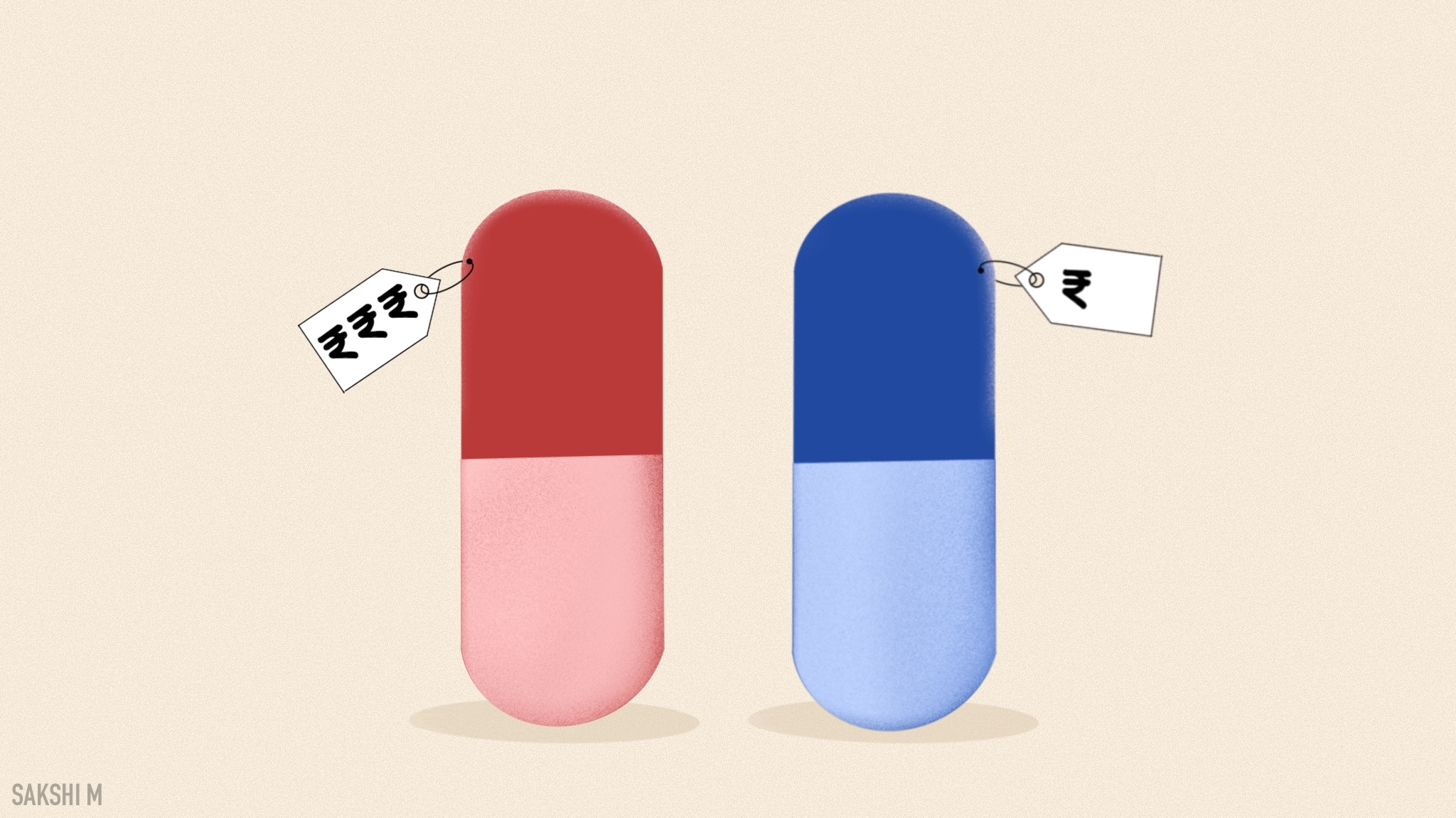
A parliamentary committee questioned markups ranging from 600% to 3,000% on common medicines. The gap between factory prices and retail prices is so large that two strips containing the same molecule can cost very different amounts depending on branding and distribution. And, of course, doctor relationships.
Wake up, Neo. There’s a glitch in the pharma matrix
Common medicines today carry markups exceeding 1,000% over factory prices. You’d be surprised what it is paying for
Wake up, Neo. There’s a glitch in the pharma matrix
Common medicines today carry markups exceeding 1,000% over factory prices. You’d be surprised what it is paying for
Cancer drugs make this especially stark.
When Zydus launched a biosimilar version of Bristol Myers Squibb’s blockbuster cancer drug Nivolumab, the official price dropped. But patients often still didn’t see the full benefit. Hospitals and distributors procured the drugs through “patient support programmes” that effectively subsidised bulk purchases while preserving high retail billing.
In some cases, hospitals and distributors were making margins of 600–1,800% on cancer medication. Only the molecule had become cheap, not the access.
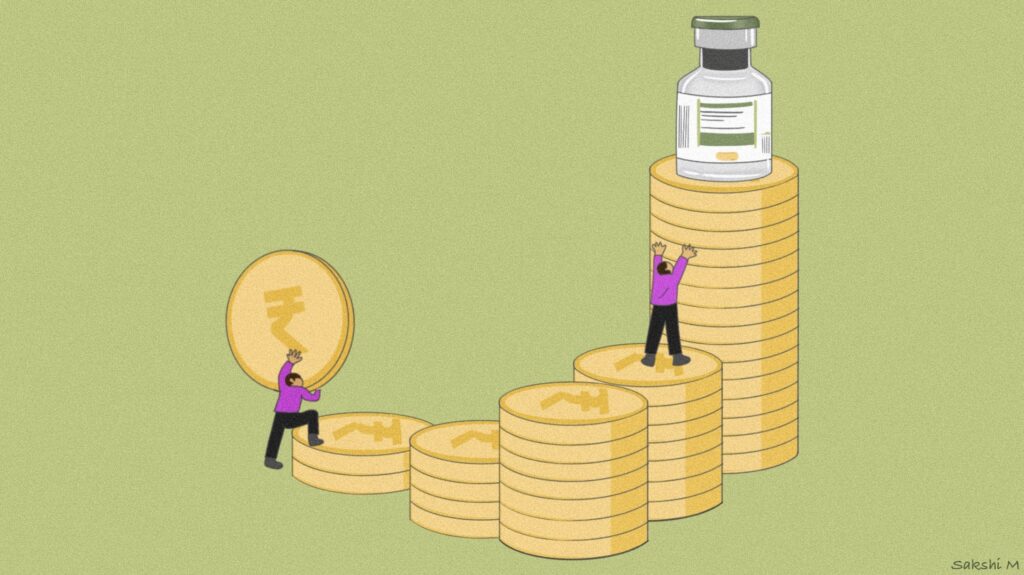
Zydus jumped the gun to make its cancer drug affordable. It’s still not enough
Hospitals and stockists are making steep margins off initiatives meant to make life-saving medication affordable
Zydus jumped the gun to make its cancer drug affordable. It’s still not enough
Hospitals and stockists are making steep margins off initiatives meant to make life-saving medication affordable
Which is why the fastest-growing businesses in Indian healthcare sit in the layers between manufacturing and the patient. Generics platforms like Truemeds and Zeelab are trying to compress the distribution chain. Jan Aushadhi changed consumer behaviour by normalising low-cost generics, and startups are now building businesses on top of that trust.
an Aushadhi unleashed the generics genie. No one wants it back in the bottle
Companies are betting big on selling cheaper alternatives to branded medicines. But the quality standards are patchy and there’s no way to assess their impact on patients
an Aushadhi unleashed the generics genie. No one wants it back in the bottle
Companies are betting big on selling cheaper alternatives to branded medicines. But the quality standards are patchy and there’s no way to assess their impact on patients
Everyone is trying to figure out where the excess margin lives and whether they can intercept it.
Slowly becoming software
The industry’s next move may be even stranger.
Drugmakers are investing in products designed to reduce dependence on drugs themselves. Dr Reddy’s now sells Nerivio, a migraine-management wearable that sends electrical signals through the arm and tracks patient data through an app. Lupin has built cardiac-monitoring platforms. Other pharma companies are experimenting with digital therapeutics, remote monitoring, and app-based chronic care.
Part of this is defensive. Building new blockbuster molecules is expensive and crowded. Devices and patient-management systems offer another way to differentiate. More importantly, they allow companies to stay attached to the patient even when the drug itself becomes interchangeable.
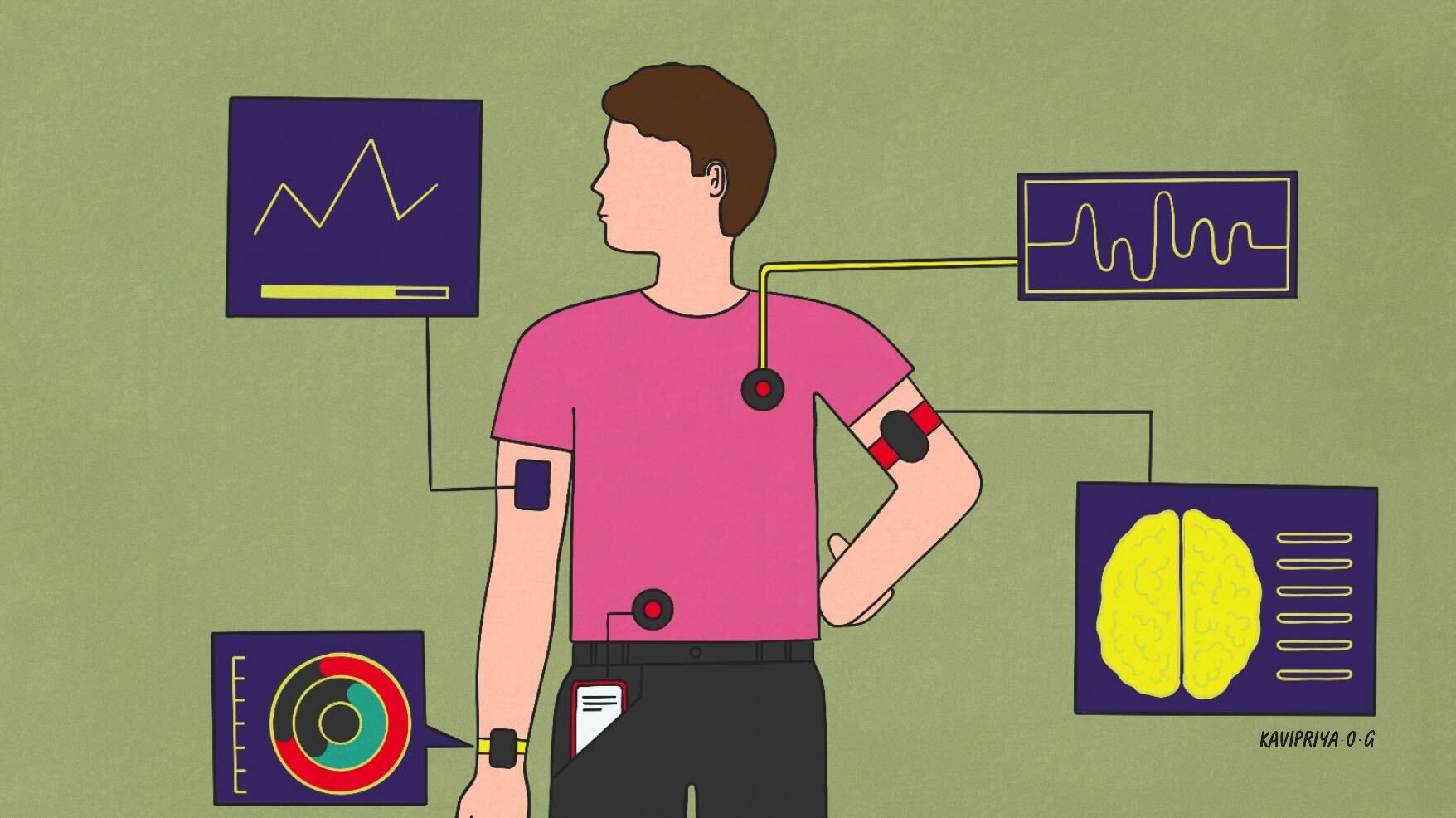
Drugmakers Dr Reddy’s and Lupin’s next big bet: digital devices that replace drugs
Despite its high costs, thousands of Indians are opting for digital therapeutics to manage their migraines better and monitor heart health
Drugmakers Dr Reddy’s and Lupin’s next big bet: digital devices that replace drugs
Despite its high costs, thousands of Indians are opting for digital therapeutics to manage their migraines better and monitor heart health
The traditional pharma business was transactional. Make pill > Sell pill > Repeat. The new model is continuous. Track the patient > Retain the patient > Manage the condition > Own the treatment ecosystem.
The factory is no longer the moat
That does not mean manufacturing has stopped mattering. India is still racing to build capacity for GLP-1s, insulin, peptides, and biologics. Eli Lilly wants India as an export hub. Torrent is betting heavily on semaglutide and CDMO capabilities.
But even there, the industry is changing. The most valuable companies are the ones sitting closest to regulation and distribution.

KKR handover and Torrent Pharma’s seemingly one-two punch
Markets are euphoric, but the two massive opportunities, semaglutide and CDMO, are anything but straightforward
KKR handover and Torrent Pharma’s seemingly one-two punch
Markets are euphoric, but the two massive opportunities, semaglutide and CDMO, are anything but straightforward
Which is why the situation with HRV, a factory-less pharma company built around regulatory filings, is oddly prophetic.
Write to [email protected] with your thoughts and feedback, or leave them on our website or app. You can read the entire week’s collection below.
Get a premium subscription to The Ken
Unrivaled analysis and powerful stories about businesses from award-winning journalists. Read by 5,00,000+ subscribers globally who want to be prepared for what comes next.
Trusted by 5,00,000+ executives & leaders from the world’s most successful organisations & students at top post-graduate campuses