
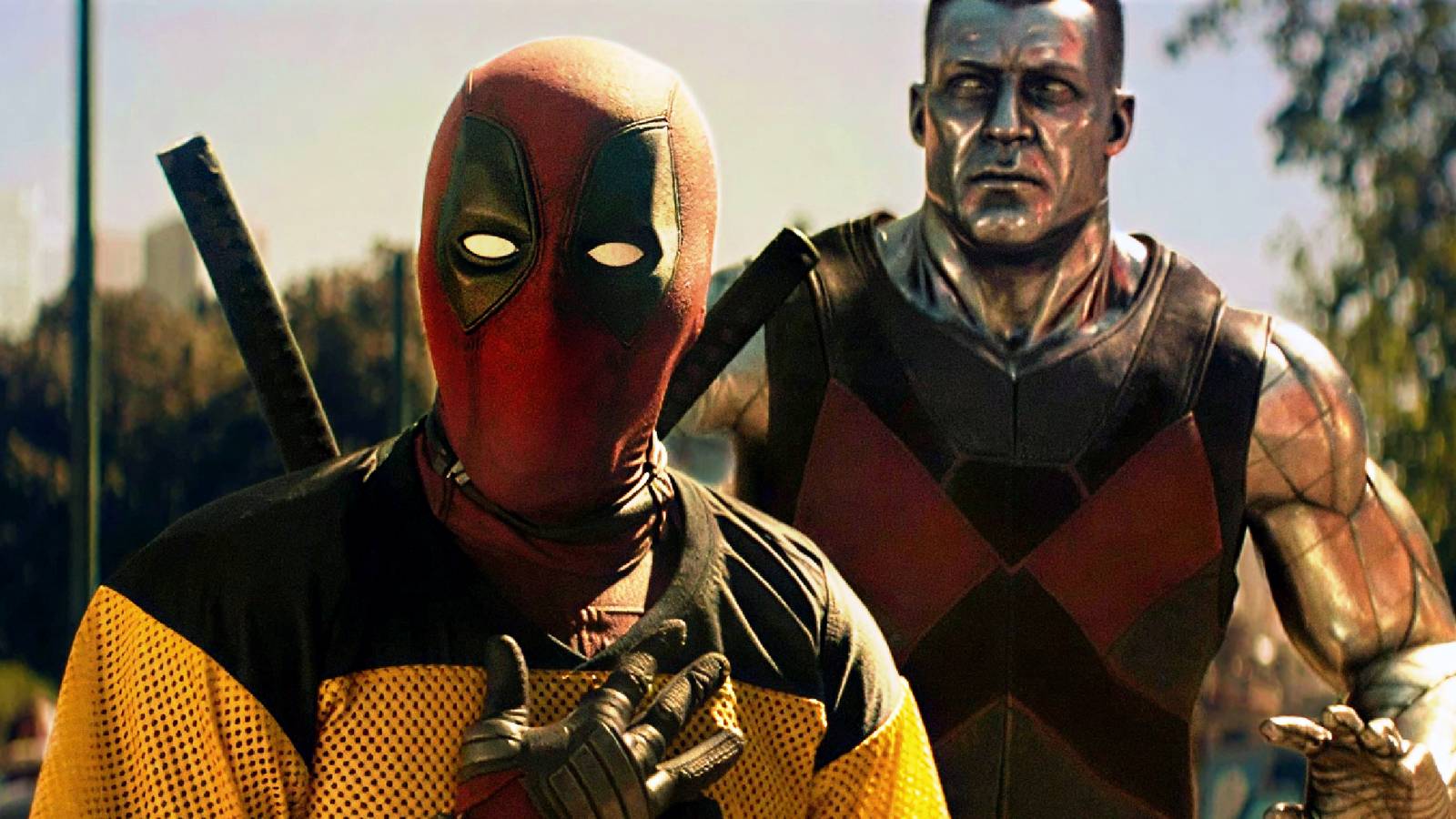
Deadpool co-creator Rob Liefeld claims the X-Men‘s most important era collapsed due to plagiarism accusations. Spanning over six decades of continuous publication, the X-Men have one of the most complex, dense, and sprawling mythologies in the entire medium of comic books. What began in 1963 as a modest, five-member allegory for social outcasts has expanded into an interconnected cosmic web of thousands of characters and alternate realities. At this point, the X-Men are an entire self-sustaining ecosystem within Marvel lore that chronicles the multi-generational, evolutionary struggle of an entire fictional subspecies.
Given that mutants are inherently bound to a sociopolitical allegory of oppression, the X-Men face the constant creative challenge of remaining fresh and exciting while avoiding the trap of repeating the exact same conflict every time. By their very nature, mutants are a feared minority perpetually on the run from human society, meaning that almost every major storyline orbits around the threat of extinction. Balancing mutants’ fight for survival with genuine character progression is a delicate tightrope walk, as if the existential dread is never alleviates, stories become too repetitive, but if the X-Men permanently win their freedom, their main conflict vanishes.
Marvel has completely subverted the X-Men’s main conflict before, but the resounding success of this initiative eventually resulted in an unforgettable disappointment.
Rob Liefeld Alleges House Of X / Powers Of X Was ‘Derailed’ By Plagiarism Accusations
Liefeld Discusses House Of X’s Similarities To A 2014 Sci-Fi Novel
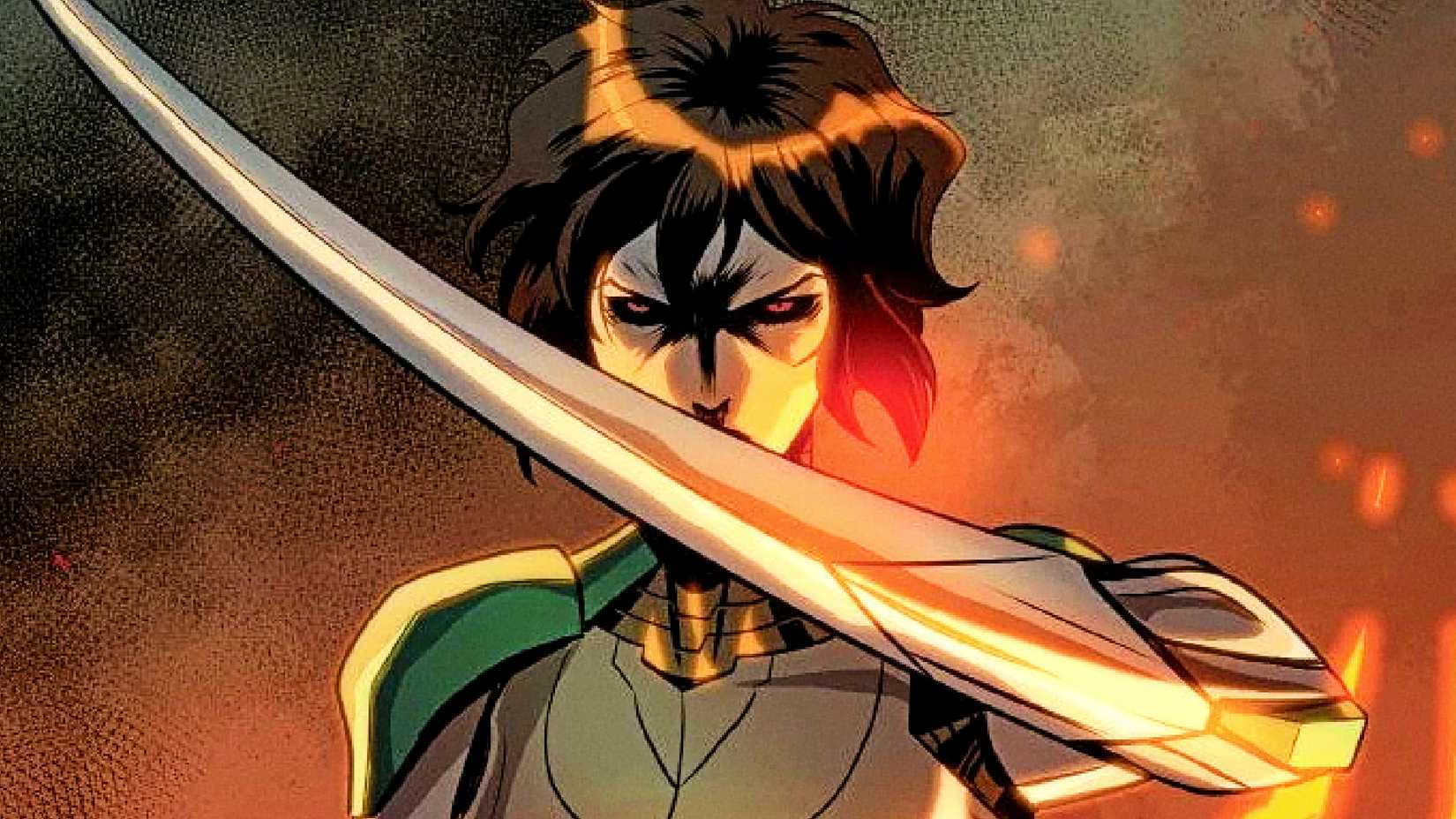
Moira MacTaggert X turns her robotic body into a weapon in Marvel Comics
On X, Deadpool co-creator Rob Liefeld claims that Jonathan Hickman’s House of X / Powers of X “derailed so quickly” because the arc’s similarities to Claire North’s 2014 sci-fi novel The First 15 Lives Of Harry Augustwere close enough to warrant plagiarism accusations. This, in turn, allegedly led the X-Men’s Krakoan Era to reduce its focus on Moira MacTaggert’s multiple lifetimes and their influence on mutantkind’s future. Liefeld asserts:
“As I understand it – the reason HOX/POX derailed so quickly was that the most exciting/element was tabled immediately following the author of The First 15 Lives Of Harry August bringing up questions of plagiarism, citing Hickman’s previous mention of the book as a favorite. The raves died as the crucial Moria stuff had to be greatly diminished. Once the lawyers make a call it’s over. This most important aspect has been buried with time but it’s there for any the investigate.”
In Claire North’s The First Fifteen Lives of Harry August, the protagonist belongs to the Kalachakra, a subterranean network of individuals who are immediately reborn into their own past bodies at the exact moment of their original birth, retaining perfect recollection of their previous lifecycles. Hickman’s Moira MacTaggert twist mirrors this concept quite closely with the reveal of her unique mutation. Just as Harry August navigates secret historical factions and technological development to prevent an accelerated apocalypse, Moira X uses her knowledge of nine failed alternate lifecycles to architect a sovereign mutant nation on Krakoa and prevent mutants’ extinction.
Jonathan Hickman has openly acknowledged North’s novel, but noted that the broader concept of restarting a singular, complete lifespan with a preserved consciousness is a foundational science fiction trope pioneered decades prior, most notably by Ken Grimwood’s 1987 masterpiece Replay and P.D. Ouspensky’s 1915 novel The Strange Life of Ivan Osokin, which explored Friedrich Nietzsche’s philosophical theory of eternal recurrence. Besides, the history of the comic book medium is built on parallel thinking and creative inspiration. Characters like Namor and Aquaman, Thanos and Darkseid, and Deathstroke and Rob Liefeld’s own Deadpool are clearly inspired by each other while remaining legally and creatively distinct.
The X-Men’s Krakoan Era Faced Many Simultaneous Challenges
House Of X / Powers Of X Left The Bar Too High For Itself
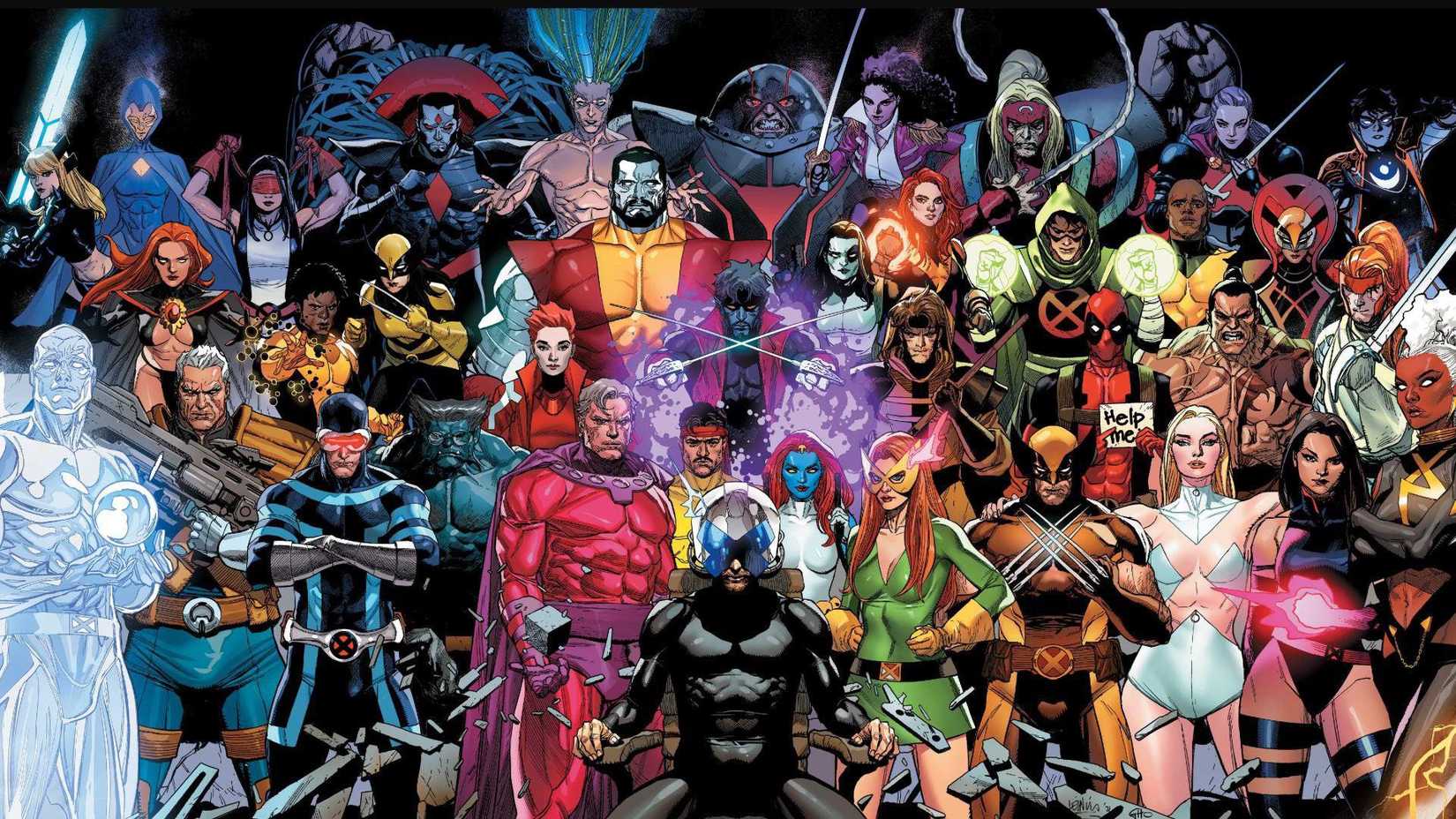
All X-Men Together On Krakoa, Facing The Viewer
The X-Men’s Krakoan Era ultimately collapsed under the weight of various severe fractures. The first domino fell when Jonathan Hickman left the X-Men line much earlier than originally anticipated. Hickman’s grand architectural design was structured as a strict three-act narrative, but when the X-Office found immense commercial and creative success lingering in the Act I status quo, the utopian phase was extended. This creative divergence prompted Hickman to step away from the line in late 2021, leaving a collection of disparate creative teams to navigate a massive, loosely coordinated sandbox without its chief engineer.
Related
8 Things Marvel Fans Will Never Admit About The X-Men
The X-Men are burdened with several recurring issues that may be difficult to address or controversial to acknowledge, despite mutants’ popularity.
The Krakoan Era’s initial momentum devolved into an overwhelming number of spin-off titles and bloated crossover events like Judgment Day and Sins of Sinister. As the line became increasingly difficult to follow, reader fatigue set in, and sales started to cool off from their historic 2019 peaks. More importantly, the utopian Krakoa faced an unsurmountable barrier. A happy ending is structurally incompatible with the perpetual conflict engine of the X-Men. If mutants achieved a flawless paradise without death, their story would end on a definitive, positive note, and the X-Men would have to be phased out entirely.
What do you think was the deciding factor in the collapse of the X-Men’s Krakoan era?
Movie(s)
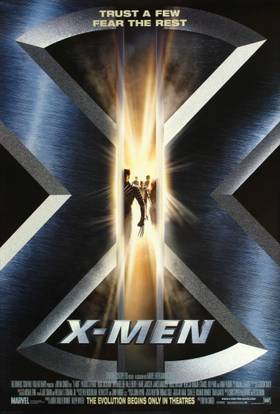
X-Men (2000), X2, X-Men: The Last Stand (2006), X-Men Origins: Wolverine (2009), X-Men: First Class (2011), The Wolverine (2013), X-Men: Days of Future Past (2014), Deadpool (2016), X-Men: Apocalypse (2016), Logan (2017), Deadpool 2 (2018), Dark Phoenix (2019), The New Mutants, Deadpool & Wolverine (2024)
TV Show(s)
X-Men: Pryde of the X-Men, X-Men (1992), X-Men: Evolution (2000), Wolverine and the X-Men (2008), Marvel Anime: Wolverine, Marvel Anime: X-Men, Legion (2017), The Gifted (2017), X-Men ’97 (2024)
Video Game(s)
X-Men: Children of the Atom (1994), Marvel Super Heroes (1995), X-Men vs. Street Fighter (1996), Marvel Super Heroes vs. Street Fighter (1997), Marvel vs. Capcom (1998), X-Men: Mutant Academy (2000), Marvel vs. Capcom 2: New Age of Heroes (2000), X-Men: Mutant Academy 2 (2001), X-Men: Next Dimension (2002), Marvel vs. Capcom 3: Fate of Two Worlds (2011), Ultimate Marvel vs. Capcom 3 (2011), X-Men Legends (2005), X-Men Legends 2: Rise of Apocalypse (2005), X2: Wolverine’s Revenge (2003), X-Men (1993), X-Men 2: Clone Wars (1995), X-Men: Mutant Apocalypse (1994)
First Film
X-Men (2000)
Character(s)
Professor X, Cyclops, Iceman, Beast, Angel, Phoenix, Wolverine, Gambit, Rogue, Storm, Jubilee, Morph, Nightcrawler, Havok, Banshee, Colossus, Magneto, Psylocke, Juggernaut, Cable, X-23
Comic Release Date
213035,212968