

Listen to this article
Estimated 3 minutes
The audio version of this article is generated by AI-based technology. Mispronunciations can occur. We are working with our partners to continually review and improve the results.
The provincial government is asking some municipalities across Prince Edward Island to implement new drought contingency plans.
The plans will help communities conserve water during extreme drought conditions by reducing consumption, minimizing waste and imposing restrictions on water use for residents and groups.
“When those drought conditions occur we want something that’s already pre-made,” said Sean Ledgerwood, manager of water and air monitoring with P.E.I.’s Land and Environment Department.
“Let’s enact your plan and start reducing the amount of water that you use and consume, and that’s helping the environment, the streams, the groundwater.”
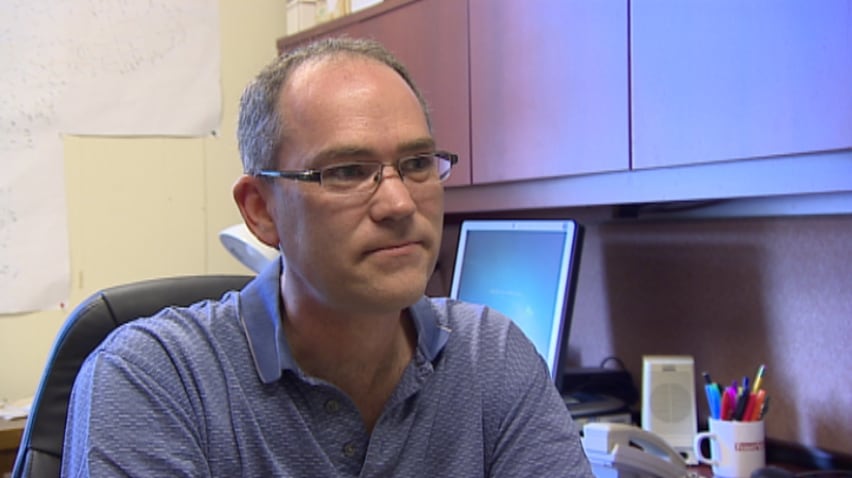 Sean Ledgerwood, manager of water and air monitoring with P.E.I.’s Land and Environment Department, says the new municipal drought contingency plans will need to be renewed every five years. (CBC)
Ledgerwood said that all large water users — around 10 municipalities across P.E.I. — are required to approve drought contingency plans in order to renew water withdrawal permits every five years.
“In a couple of weeks we could have drought conditions,” Ledgerwood said.
“We’d rather have a plan set up so that you know what you’re going to do, you have a list and you have a plan that you can just enact right away.”
Charlottetown’s council approved its drought contingency plan during a special meeting on May 26.
Under the plan, city residents will be advised to voluntarily conserve water under “extreme” drought conditions. Recommendations include limiting outdoor watering to designated hours, limiting non-essential activities like washing cars or filling swimming pools, taking short showers and only washing full loads of laundry.
Under “exceptional” drought conditions, all voluntary restrictions become mandatory. In this case, Charlottetown’s water and sewer utility can issue restriction and penalty notices to residents.
“If a customer fails to comply with mandatory restrictions, the utility may temporarily discontinue service to the property,” the city’s plan reads.
WATCH | P.E.I. water table recovers after drought, but many farmers still investing in irrigation: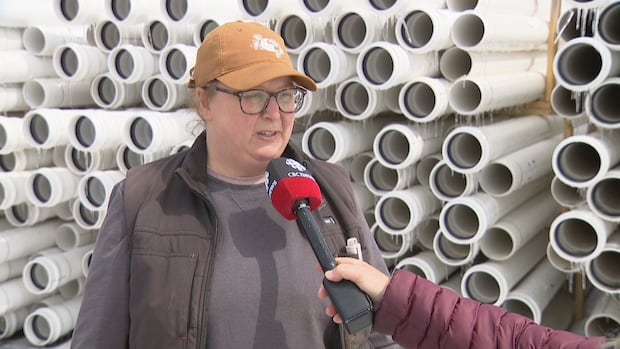
P.E.I. water table recovers after drought, but many farmers still investing in irrigation
Provincial officials say groundwater levels have recovered after last summer’s drought, but many Island farmers are not risking a repeat of last summer’s extreme drought. P.E.I.’s Department of Land and Environment has received 141 applications for groundwater exploration permits this year. CBC’s Nancy Russell has an update.
Officials with the city said in an emailed statement that the newly approved plan will not lead to any operational changes.
Charlottetown is currently served by 18 active wells across four wellfields. According to projected population data in the council meeting’s minutes, an additional water supply source may be needed by 2051 to meet the needs of the city.
Summerside, Cornwall and Stratford all confirmed to CBC News that they are currently working on their own municipal drought contingency plans. Summerside and Cornwall councils both said that plans have been developed and are under review and will be published on the municipalities’ respective websites when they’re finalized.
P.E.I. experienced extreme drought conditions last summer. Charlottetown saw its third-driest August in recorded history, according to Canadian Drought Monitor data.
Ledgerwood said municipalities rely on residents to conserve water under drought conditions, meaning education about conservation is important.
“When you talk municipalities, they’re kind of at the mercy of their water users, which are the residents,” Ledgerwood said.
“Droughts happen and … there are things that people can do that really do make a difference.”