
Get insights on thousands of stocks from the global community of over 7 million individual investors at Simply Wall St.
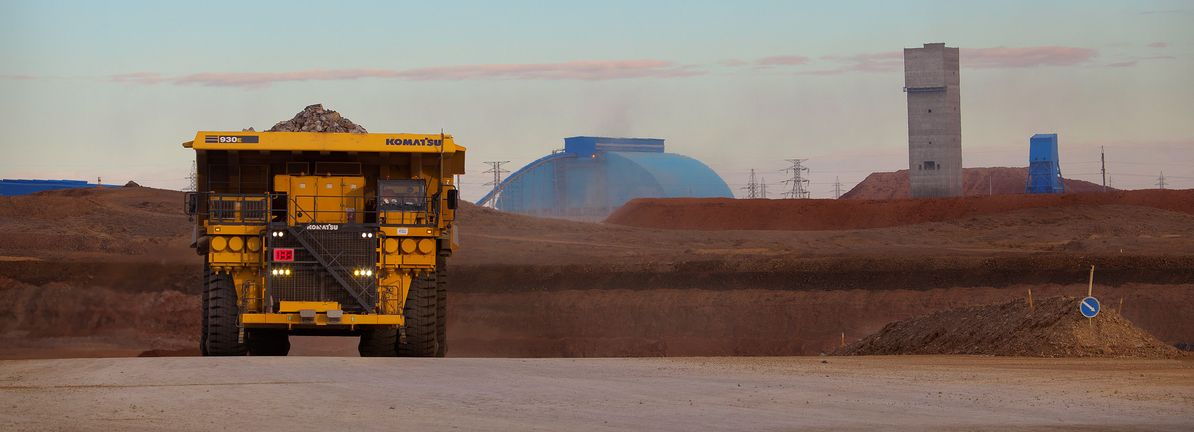
Rio Tinto Group (LSE:RIO) has partnered with Sandvik to roll out autonomous drilling technology across several mining sites.
The company has also commissioned a major expansion of a low carbon aluminium smelter in Quebec.
Both projects focus on mining automation and decarbonization, with potential implications for efficiency, safety, and emissions.
For investors tracking LSE:RIO at around £76.04 per share, these moves sit alongside a strong recent run, with the stock up 27.0% year to date and 83.6% over the past year. The commissioning of additional low carbon aluminium capacity and the shift toward autonomous drilling add fresh operational context beyond share price performance alone.
Autonomous drilling and expanded low carbon aluminium output provide additional angles to monitor beyond short term price moves or quarterly results. These projects may influence how the company allocates capital, manages risk and positions its portfolio over time, so they are worth keeping on the radar when assessing Rio Tinto’s broader investment case.
Wall Street’s queuing for one rocket. While SpaceX counts down to its IPO, other companies tied to the new space race are already in orbit. → 20 Compelling Space Companies watchlist · Global Space Race Investing Ideas screener · Scan the sector by valuation on Rocket Lab’s valuation page.
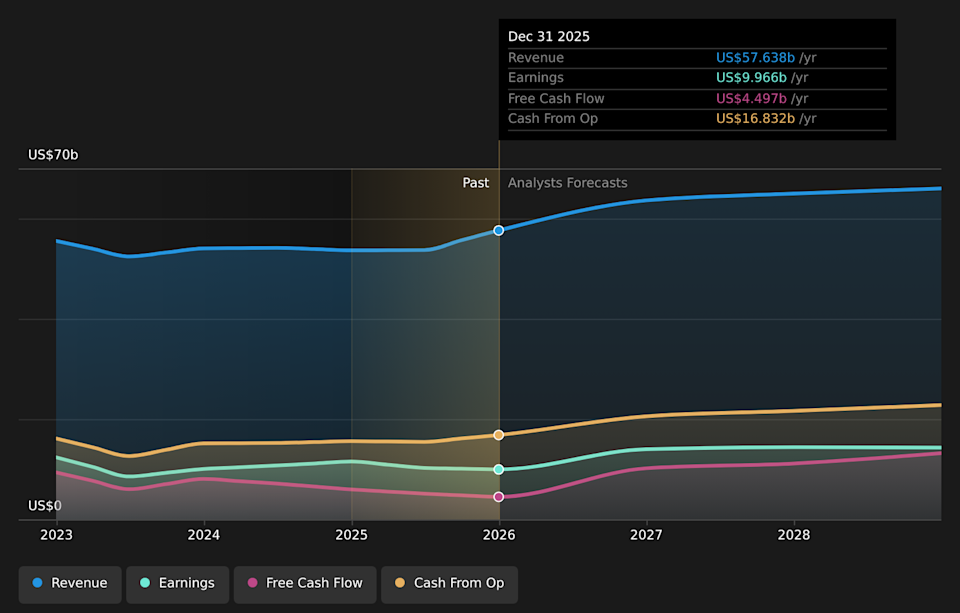 LSE:RIO Earnings & Revenue Growth as at Jun 2026
3 things going right for Rio Tinto Group that this headline doesn’t cover.
For Rio Tinto, the Sandvik partnership and the low carbon aluminium expansion both point to where management is trying to take the portfolio, toward higher automation and lower emissions. In open pit iron ore and copper, autonomous multi rig drilling could support more consistent production, fewer safety incidents and tighter cost control. This matters when sentiment around commodities like iron ore and lithium has been swinging. In aluminium, commissioning extra low carbon capacity in Quebec ties into demand from electric vehicle and energy infrastructure supply chains that are paying closer attention to the carbon footprint of metals. Together, these projects may help Rio Tinto compete with diversified miners such as BHP and Glencore as customers look for large scale suppliers that can offer both volume and lower embedded emissions.
How This Fits Into The Rio Tinto Group Narrative
The push into autonomous drilling lines up with the narrative focus on operational efficiency, automation and cost control. These are framed as supports for earnings stability even when pricing is softer.
Large capital commitments to automation and low carbon smelting could test the narrative assumption that project execution risk and higher leverage remain contained if timelines or budgets slip.
The specific contribution of low carbon aluminium growth, and how it interacts with battery metals like copper and lithium in the overall mix, does not appear fully spelled out in the existing narrative focus on copper, lithium and iron ore.
Knowing what a company is worth starts with understanding its story. Check out one of the top narratives in the Simply Wall St Community for Rio Tinto Group to help decide what it’s worth to you.
The Risks and Rewards Investors Should Consider
⚠️ Automation projects introduce execution and technology integration risk, particularly when rolled out across multiple sites and rigs.
⚠️ The low carbon smelter expansion increases capital intensity at a time when analysts have already highlighted execution risk and balance sheet pressure from new metals projects and acquisitions.
🎁 If successful, autonomous drilling could support more consistent volumes and cost discipline, which analysts often look for when judging earnings quality.
🎁 Additional low carbon aluminium capacity may help Rio Tinto win or retain contracts with customers that are tightening emissions requirements for key materials.
What To Watch Going Forward
From here, pay attention to how quickly Rio Tinto moves from pilot deployments to full scale autonomous drilling across its sites, and whether the company discloses any measurable safety or productivity changes tied to the Sandvik system. For the Quebec smelter, key markers are whether the project stays on its current schedule through to the end of 2026 and how management describes customer demand for low carbon aluminium in sectors like electric vehicles and grid infrastructure. Any updates on capital spending, cost guidance or project milestones around these initiatives could feed into how investors weigh the company against peers such as BHP and Glencore.
To ensure you’re always in the loop on how the latest news impacts the investment narrative for Rio Tinto Group, head to the community page for Rio Tinto Group to never miss an update on the top community narratives.
This article by Simply Wall St is general in nature. We provide commentary based on historical data and analyst forecasts only using an unbiased methodology and our articles are not intended to be financial advice. It does not constitute a recommendation to buy or sell any stock, and does not take account of your objectives, or your financial situation. We aim to bring you long-term focused analysis driven by fundamental data. Note that our analysis may not factor in the latest price-sensitive company announcements or qualitative material. Simply Wall St has no position in any stocks mentioned.
Companies discussed in this article include RIO.L.
Have feedback on this article? Concerned about the content? Get in touch with us directly. Alternatively, email editorial-team@simplywallst.com