
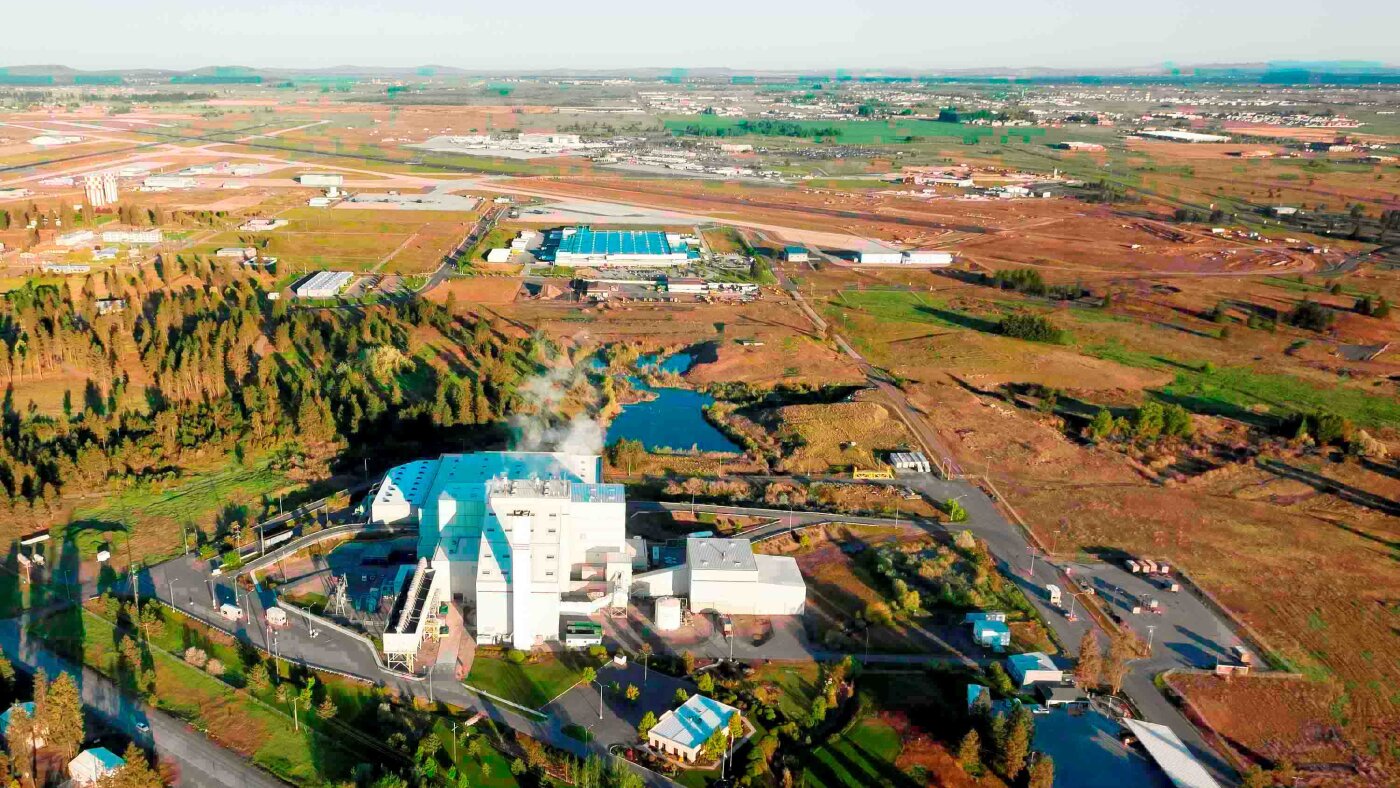
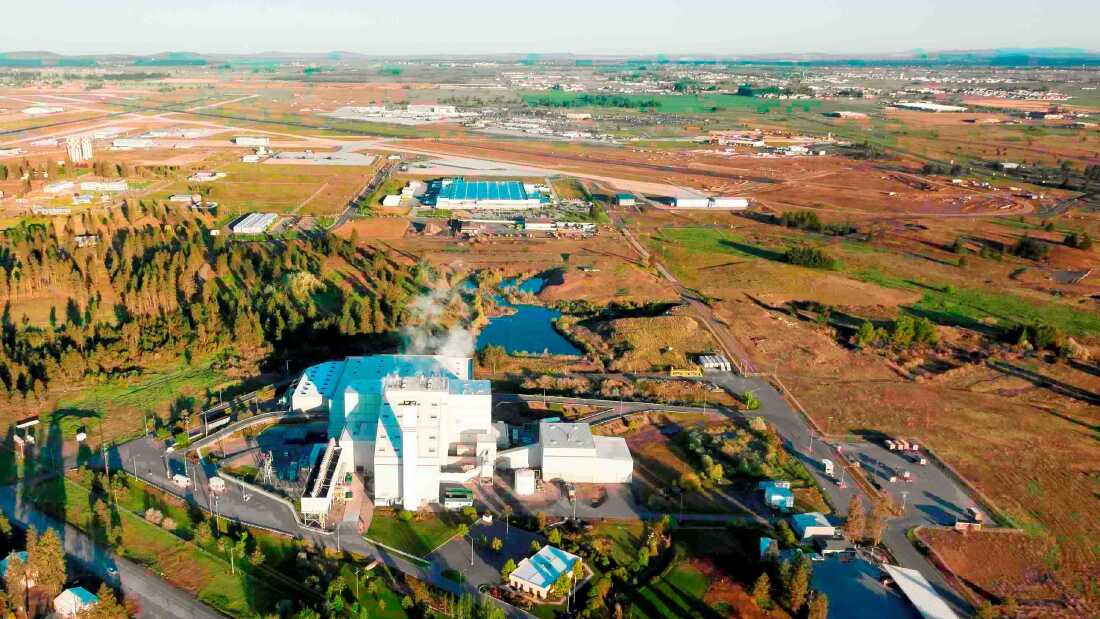
In Spokane, WA’s Waste to Energy facility, garbage is incinerated … and the resulting energy is turned into electricity. Is that a good or bad thing? It’s complicated.
Chris Averyt/City of Spokane
hide caption
toggle caption
Chris Averyt/City of Spokane
The U.S. generates 292 million tons of trash each year – and that trash has to go somewhere. Sometimes, that’s to an incinerator, where it’s burned and turned into electricity. Proponents of incineration applaud the ability to generate energy from waste and divert garbage from landfills. Opponents worry about the potential health risks, especially to minoritized communities. Today on the show, we explore the good and the bad of waste-to-energy facilities – and even get to see one up close.
Want more deep dives into the often invisible science powering our lives? Email us your question at shortwave@npr.org.
Support public media with NPR+ and enjoy perks for over 25 podcasts like this one. It includes perks like bonus episodes, early access, archive access, curated playlists and sponsor-free listening. Learn more at plus.npr.org.
Listen to Short Wave on Spotify and Apple Podcasts.
This episode was produced by Hannah Chinn. It was edited by Rebecca Ramirez. Tyler Jones checked the facts. The audio engineer was Robert Rodriguez.