
(WLUK) — Heat and air quality concerns, a cyclosporiasis outbreak and of course, tick season in Wisconsin.
Health professionals are busy across the state.
Doctor Brad Burmeister with Emplify Health joined Good Day Wisconsin to talk about how Wisconsinites can stay safe.
Dr. Brad Burmeister with Emplify Health joined Good Day Wisconsin to talk about how Wisconsinites can stay safe during hot weather, air quality advisories, outbreaks and tick season, July 15, 2026. (WLUK)
Heat wave
Hot and humid weather has settled into Northeast Wisconsin this week, causing concern for those without air conditioning.
Last year, there were 10 heat-related deaths in the state, according to preliminary data from the Wisconsin Department of Health Services. Data also shows there were 1,004 heat-related emergency department visits in Wisconsin from May 1 to Sept. 30.
During heat waves, it is recommended:
Remain inside air-conditioned buildings as much as possible during the hottest parts of the day. Call 211 to find an accessible cooling location near you.If you don’t have air conditioning or a basement, take a cool shower, soak your feet in cold water or place a cool, wet cloth on your forehead. Keep your windows covered to avoid direct sunlight.Drink plenty of fluids and avoid alcohol, caffeinated or high-sugar drinks. Don’t wait until you’re thirsty to drink.Never leave a child or pet unattended inside a parked car. On an 80-degree day, temperatures in a vehicle parked in direct sunlight can climb almost 20 degrees in just 10 minutes.Limit your pet’s time outdoors and make sure they have access to fresh drinking water.Seek medical attention right away if you develop heat stroke symptoms such as confusion, rapid breathing and heartbeat, body temperatures above 104 degrees or nausea and vomiting.Check in with loved ones and neighbors during heat waves, especially if they last a few days. Look for signs of heat illness and make sure they are cool and hydrated.Air quality
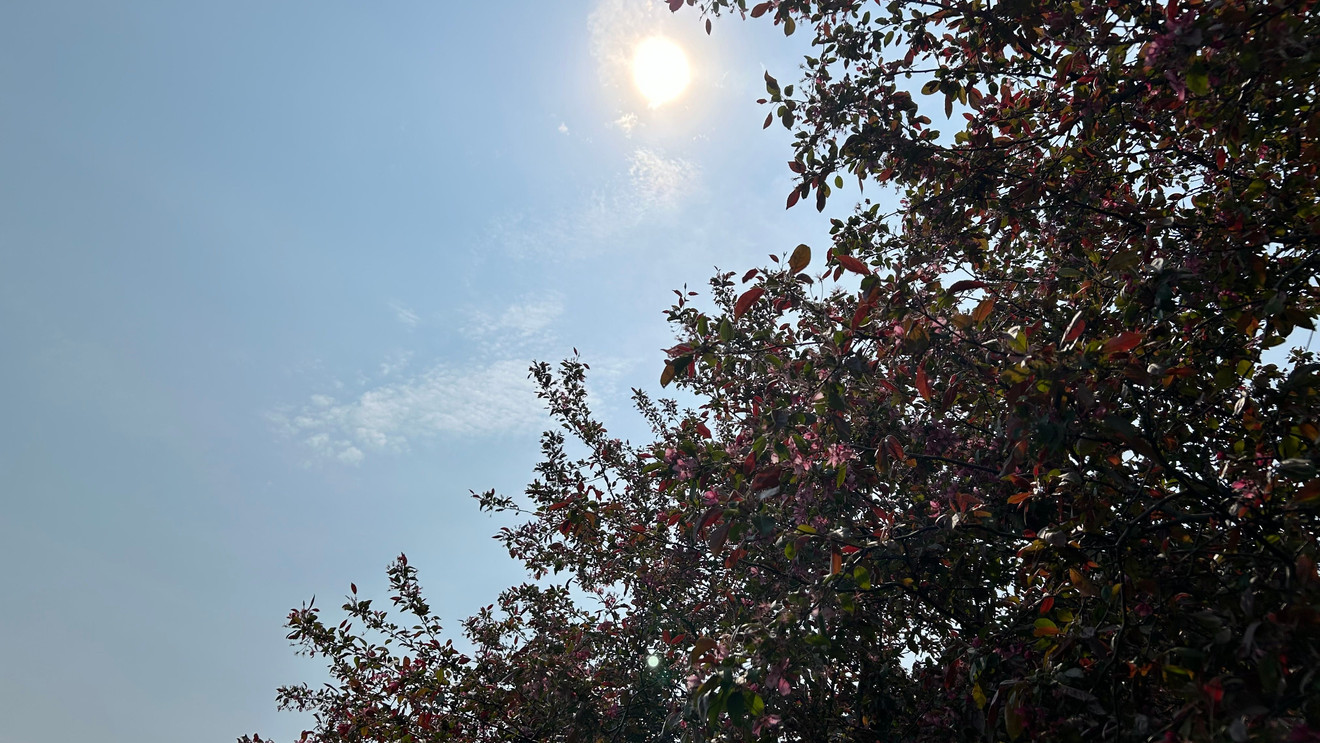
Coupled with hot and humid weather, Northeast Wisconsin will be dealing with air quality issues due to wildfire smoke over the next couple days.
Sensitive groups should eliminate or make outdoor activities shorter and less intense. If you’re outside, you should take more breaks and watch for symptoms such as coughing or shortness of breath.
People with asthma should keep quick relief medicine handy and those with heart disease should look out for symptoms such as palpitations, shortness of breath, or unusual fatigue may indicate a serious problem.
Cyclosporiasis
The Centers for Disease Control and Prevention is investigating a multistate outbreak of the cyclosporiasis, but the source has not yet been identified.
Cyclosporiasis is an intestinal illness caused by the microscopic parasite Cyclospora cayetanensis. People become infected after eating food or drinking water contaminated with the parasite.
Symptoms usually begin about a week after infection and can include:
Frequent watery or “explosive” diarrhea
Loss of appetite and weight lossStomach cramps and bloatingNausea and vomitingFatigueLow-grade fever
Without treatment, symptoms can last for weeks or even months and may come and go.
Dr. Burmeister recommends:
Washing fresh fruits and vegetables under running water before eating them.Practicing good hand hygiene, especially before preparing food.Seeking medical care if diarrhea is severe, persistent or causes signs of dehydration.Tick season
And with it being summer and most people going outdoors, Dr. Burmeister says it’s important to remember the dangers of ticks.
To prevent ticks, DHS recommends:
Wear long sleeves, long pants and socks when outdoors to help keep ticks away from skin. Wear light-colored clothing to make ticks easier to spot.Apply insect repellent with DEET, picaridin, oil of lemon eucalyptus or IR3535 to exposed skin and clothing.Treat clothing with permethrin prior to heading outdoors. Do not apply permethrin directly to skin.Walk in the center of trails and avoid wooded and brushy areas with tall grass and leaf litter.Do daily tick checks after being outdoors in areas where ticks may be present.Check all parts of the body carefully. Pay special attention to the armpits, behind the knees, scalp, in and around the ears, inside the belly button and groin.Parents should check their children for ticks.Take a bath or shower within two hours of spending time outdoors to help find and remove any ticks.Place your clothes in the dryer on high heat for 10 minutes to kill any ticks you may have picked up after spending time outdoors.
DHS recommends anyone who finds a tick:
Remove the tick properly as soon as possible.Grasp it with a narrow-bladed tweezer as close as possible to the skin using steady pressure. If tweezers are not available, they should use fingers shielded with tissue paper or rubber gloves.Use rubbing alcohol or soap and water after removing the tick to clean the bite site and hands.Take a picture of the tick to identify it.
Never crush a tick after removing it. Get rid of the tick by:
Putting it in alcoholPlacing it in a sealed bag or containerWrapping it tightly in tapeFlushing it down the toilet
Even if a person has not noticed a tick bite, it is possible they have been bitten and did not know it. Anyone who has spent time outdoors, especially in areas with woods or tall grass, and develops flu-like illness, such as fever, rash, body aches, headache and fatigue, should talk to a healthcare provider about the possibility of tickborne disease.