

Octavia Spencer grew up on classic episodics––the material of silver-screen Hollywood’s network era made colorful with car chases, horseback races, and action-driven leading characters. The Academy Award winner has long been fluent in the grammar of drama, comedy, history, suspense, and television’s serialized intimacy, but now is entering a register she describes as genuinely new. In Ride or Die, the forthcoming Amazon Prime action-comedy mini-series, old amusements are retrieved and rearranged into familiar tropes. The chase sequence, the double life, the best friend with a secret, and the comedic gasp before danger all emerge here, but the show’s novelty is not simply in its genre play. It is a dynamic tale of friendship pressurized by betrayal, dependence, and the old question of what women owe the people who know them best. In that tension, Ride or Die employs the shiny inheritance of Hollywood spectacle to arrive at a story about chosen kinship and vulnerability, bolstered by the sensation of watching a tenured performer find another room within her range.
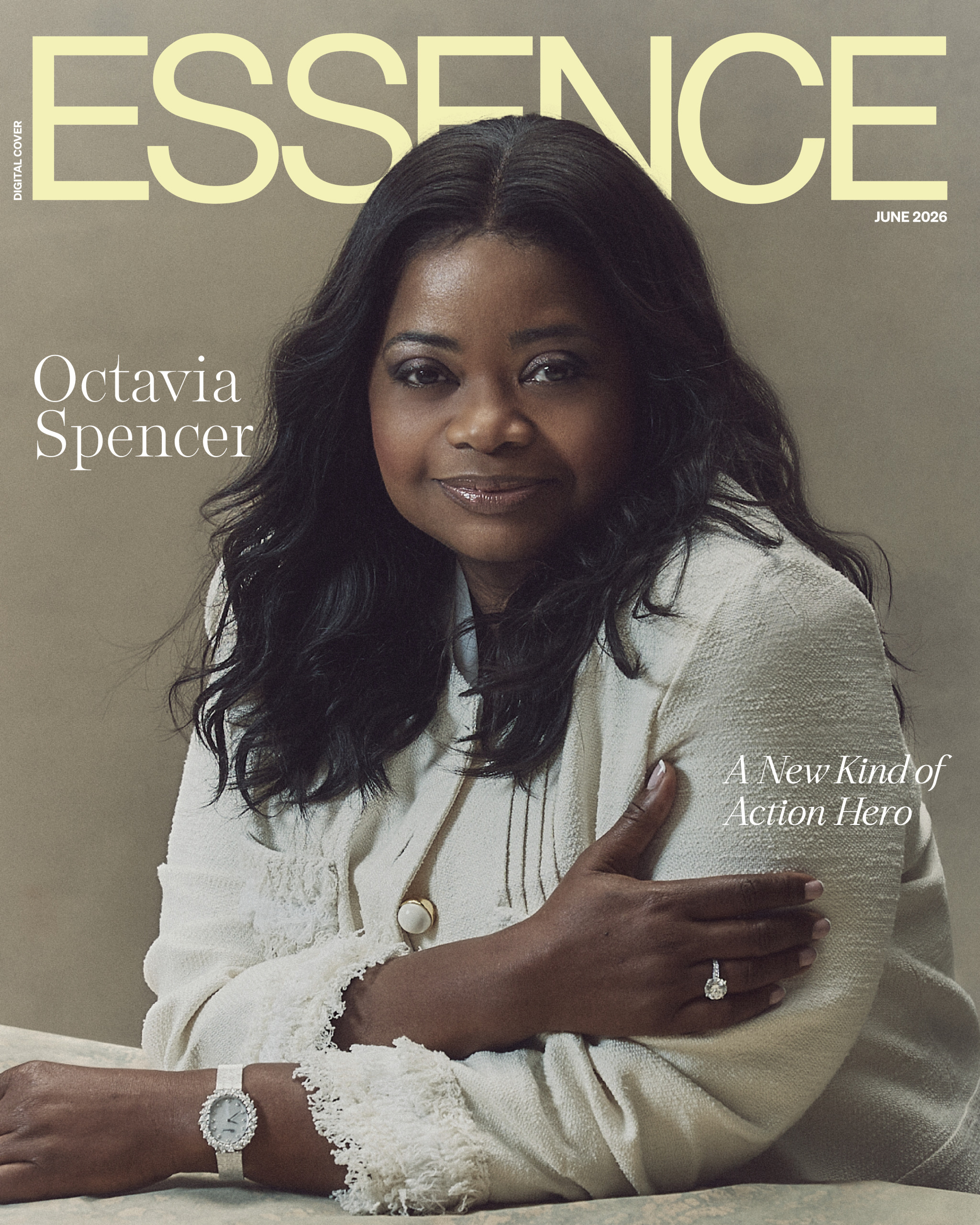
Spencer describes the project as a cacophony of firsts, not least of which is that she is leading as both star and producer. Opposite Hannah Waddingham, whose own character bears the burdens of espionage and deceit, Spencer gives the show’s premise its human complexity, offering a new challenge to the limited imaginations often projected onto Black women characters.
“With Black women, there are certain archetypes that they always want us to play,” she says, noting that women who look like her are rarely imagined as “the vixens” or “the professionals,” but instead as “the nurturers.” It is a taxonomy that has long organized the screen, summoning Black women when the story requires care, moral instruction, or maternal warmth. Spencer’s role as Debbie Claybourne unsettles that expectation. She is introduced as a woman of formidable accomplishment––top of her class at Yale Law, an expat in London, the architect of her husband’s political ascent. Her softness does not preclude competence nor cancel authority. From chase sequences to punch lines to big reveals, playing Debbie allows Spencer to explore a full register of feeling and physicality that all feel unmistakably contemporary.
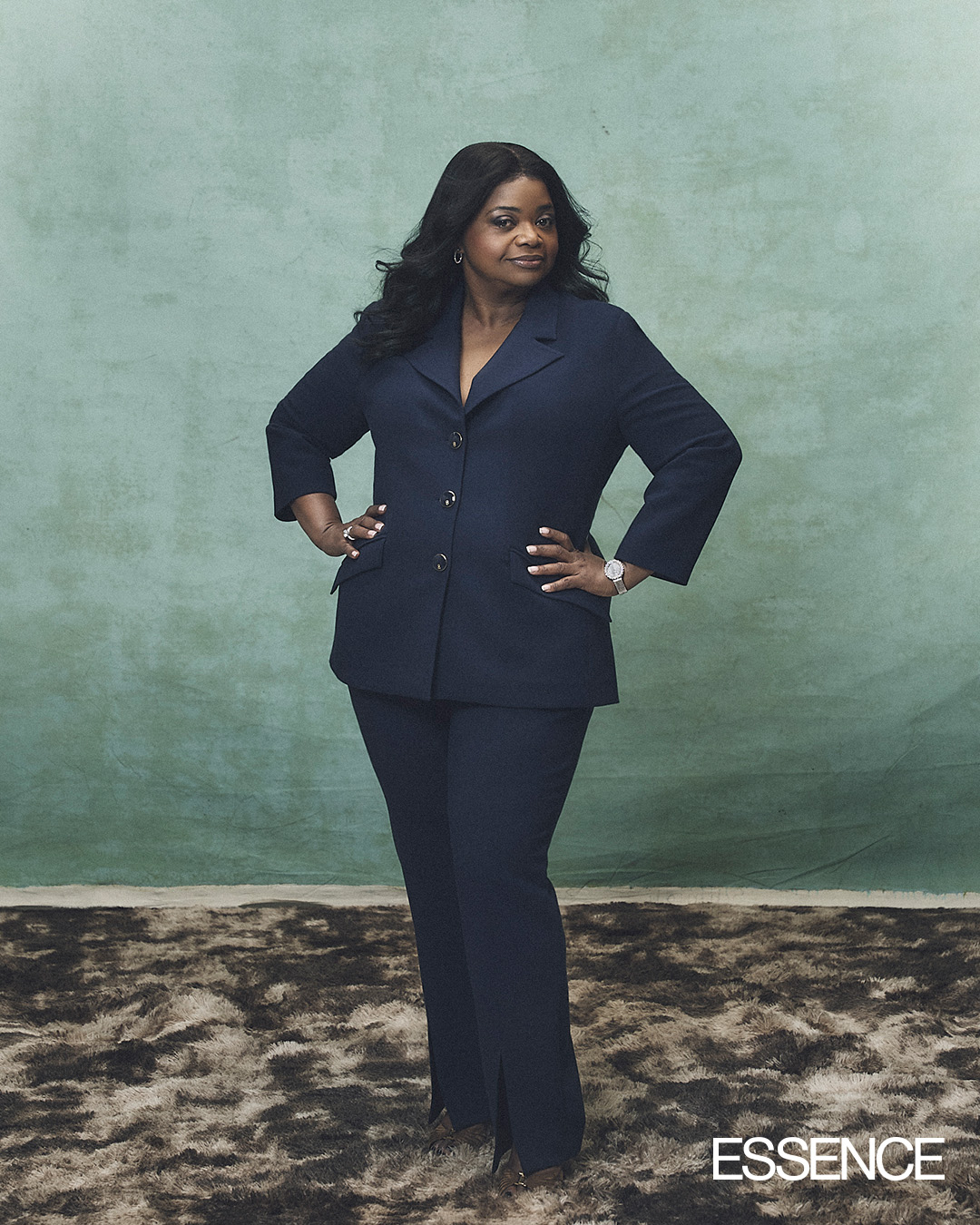 Octavia Spencer for ESSENCE. Photographer @BexxFrancois
Stylist @waymanandmicah
“What I loved is that Debbie was the antithesis of anything else I’ve played,” Spencer says. “Oddly enough, the women people most often associate with my work are women from a different era. And in the past couple of years, we’ve seen our rights revert to an era that precedes us. So, playing a modern woman, especially at a time when we’re being pulled backward, felt really interesting. All of those things made Debbie exciting, new, and refreshing.” In Ride or Die, that freshness becomes part of the performance itself.
The premise centers on a big reveal that Debbie Claybourne’s best friend, Judith Burton, has been harboring a secret that will disrupt the architecture of Debbie’s entire life. What begins as an assassin caper quickly becomes a story about the terror of realizing that intimacy does not always equal knowledge. Debbie was always working under the guise that she was the Type A woman in the friendship, the one with order, control, and a clear sense of the world around her. Judith, meanwhile, appeared to be the softer counterpoint. However, the revelation of Judith’s double life reverses that logic, exposing both women as more complicated than the roles they have performed for each other. Their friendship is not simply tested by danger, but by the grief of betrayal.
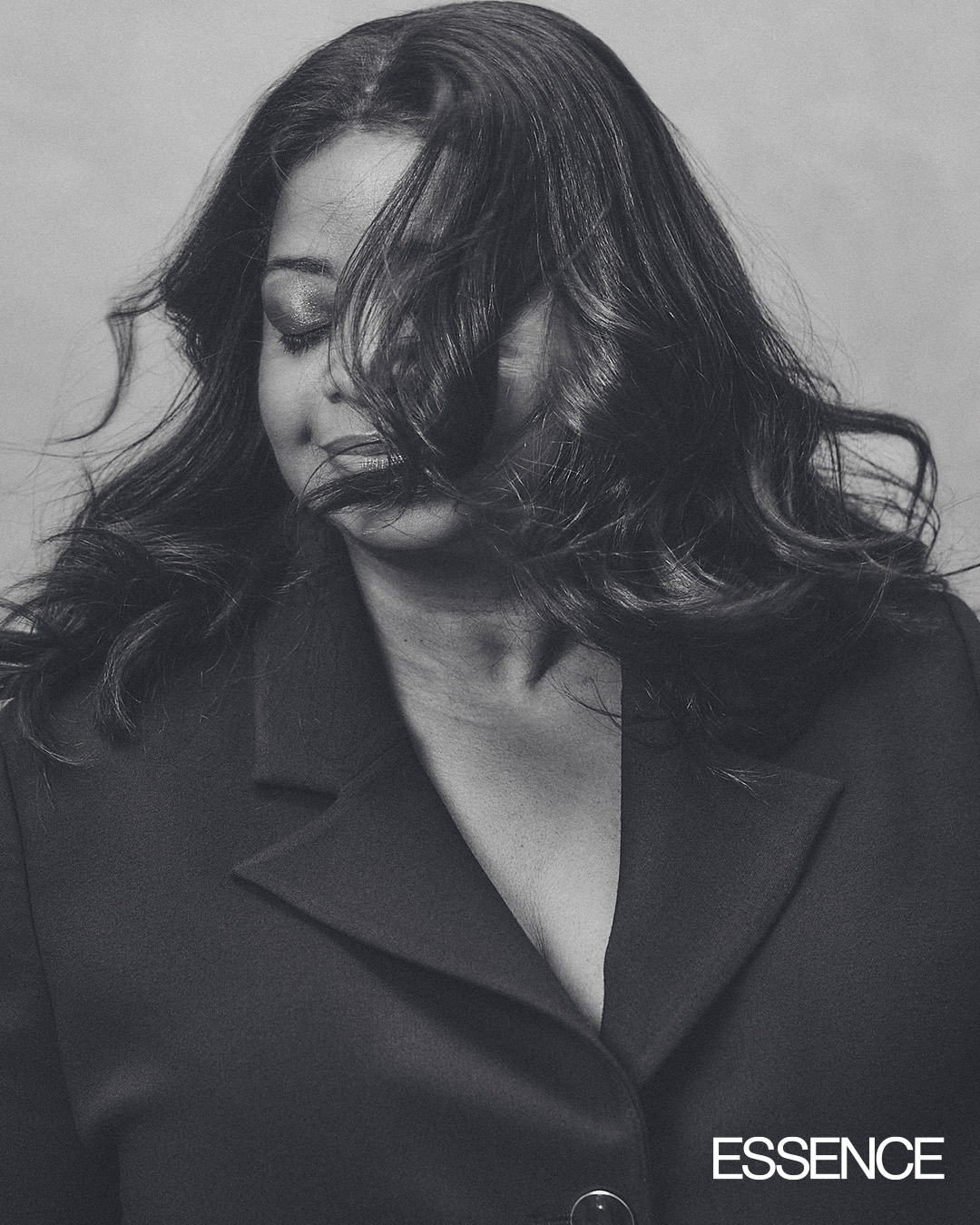 Octavia Spencer for ESSENCE. Photographer @BexxFrancois
Stylist @waymanandmicah
For Spencer, that rupture gives the show its emotional stakes. “I never go into a situation thinking about chemistry because it’s not something that you can manufacture,” she says. The chemistry between Debbie and Judith is therefore treated as something pressured into being through conflict, distrust, and the slow work of repair. Ride or Die understands friendship as a living structure, one that can be shaken by secrecy and still, perhaps, rebuilt by necessity. The action sequences and comic relief provide the show’s velocity, but the real movement is its characters’ internal worlds.
Debbie must determine whether the woman who betrayed her is still the woman she loves, and whether a friendship can survive the collapse of the story it once told about itself. That question becomes especially rich because Debbie is not written as a woman untouched by life. She is a wife, expat, strategist, and kingmaker; a woman whose adulthood has been shaped by marriage, family, ambition, and the quiet erosion of old certainties.
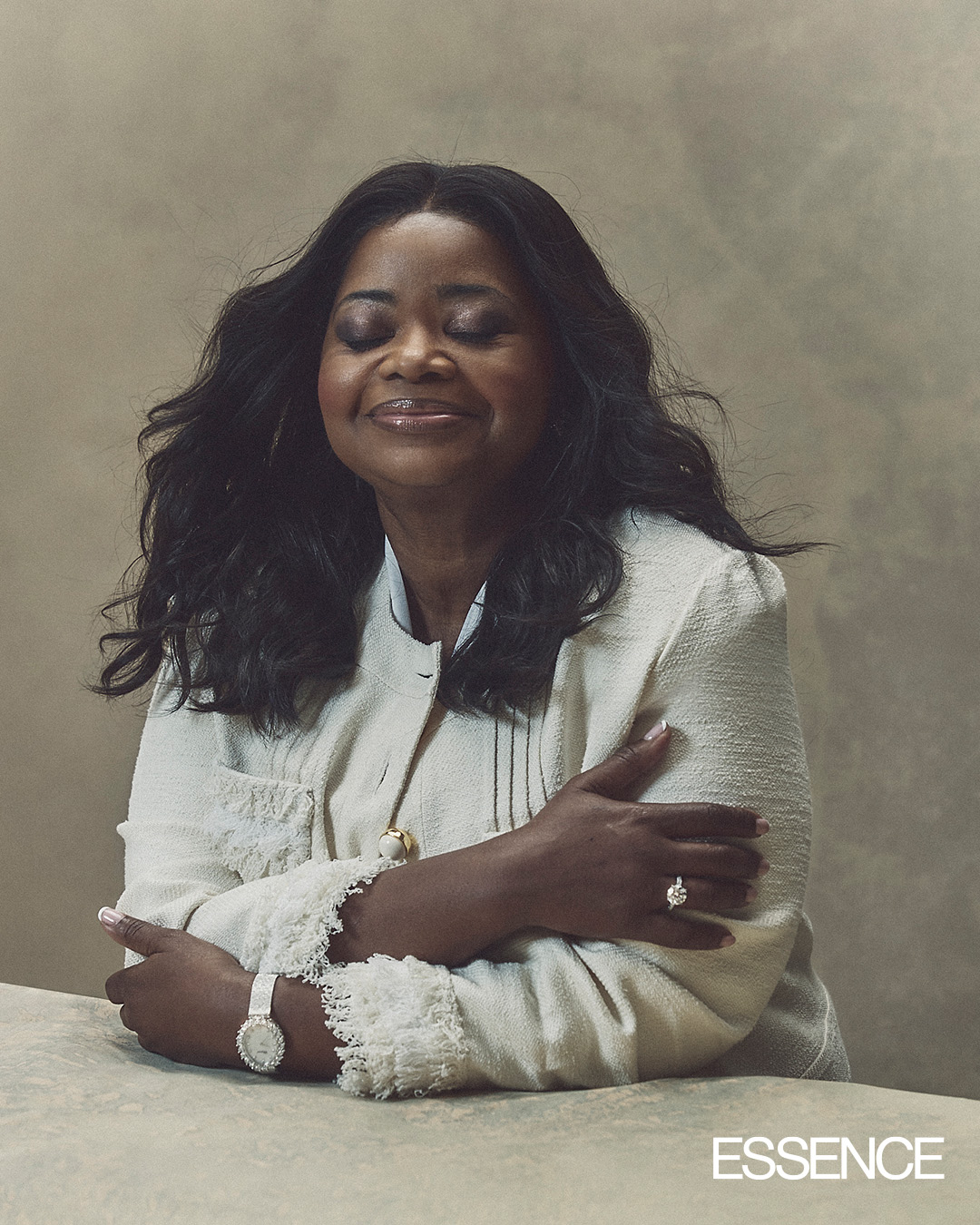 Octavia Spencer for ESSENCE. Photographer @BexxFrancois
Stylist @waymanandmicah
“Black women have always been taught or told or perceived as the strong ones,” Spencer says, but Debbie’s journey resists the flatness of that expectation. “Sometimes you don’t want to be the strong one,” she continues. “Sometimes you want to be able to be vulnerable with the people that you love and have that moment where you can just catch your breath.” In Ride or Die, vulnerability is not the opposite of force, but the condition that allows Debbie to find her way back to herself. Spencer has said that she builds characters through memory, music, books, places, and the unseen textures of a life. Debbie gives her an especially expansive canvas in someone whose strength is complicated by fear, humor, heartbreak, and the aching possibility of forgiveness.
To watch Spencer across her body of work is to understand that her gift has never been reducible to genre. She has often been discussed as a character actor with unusual force, but the phrase can understate the precision of what she does. Spencer specializes in interior architecture, giving her characters histories that seem to have begun long before the camera found them. Across past roles, she has moved without surrendering the exactness of her instrument. She can make a line land as comedy without flattening its ache; she can make authority feel maternal, tactical, wounded, or dangerous depending on the room. That method is not accidental.
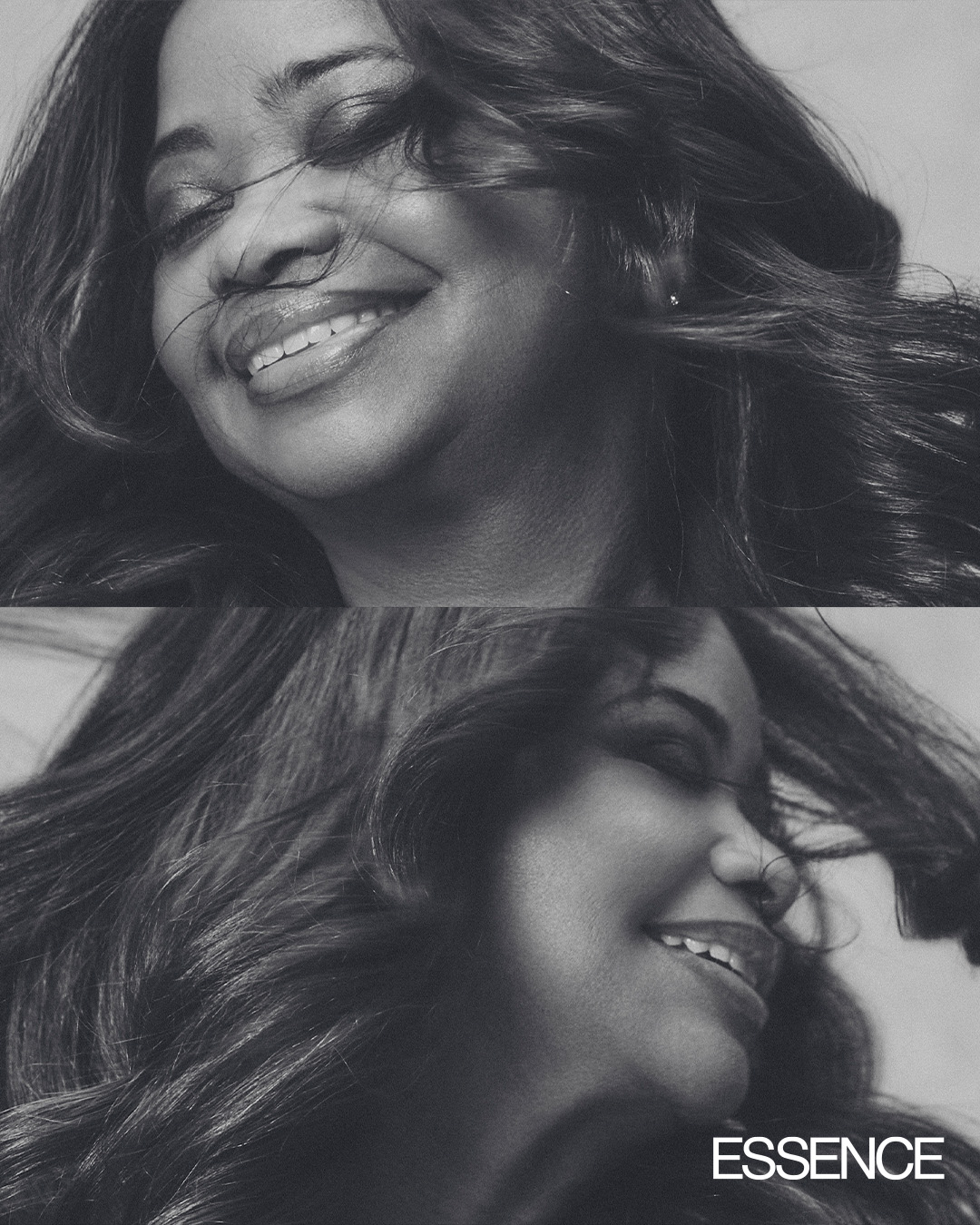 Octavia Spencer for ESSENCE. Photographer @BexxFrancois
Stylist @waymanandmicah
“The thing that I learned about myself is you do reinvent the wheel with every single character,” Spencer says. For her, performance begins not at the level of plot, but of accumulation. “I build characters by the memories that they have, and what type of music they listen to. What books has she read? Where are the places that she visited?”
It is a way of working that resists the thinness of archetype. A character, in Spencer’s hands, does not simply arrive to fulfill a function. “If you enter a character’s world and you haven’t thought of all of these things,” she says, “there’s no depth there.” Debbie Claybourne, then, is not only a new role because of the car chases or the assassin premise. She is new because Spencer brings her old discipline to a contemporary woman whose life is interrupted in motion.
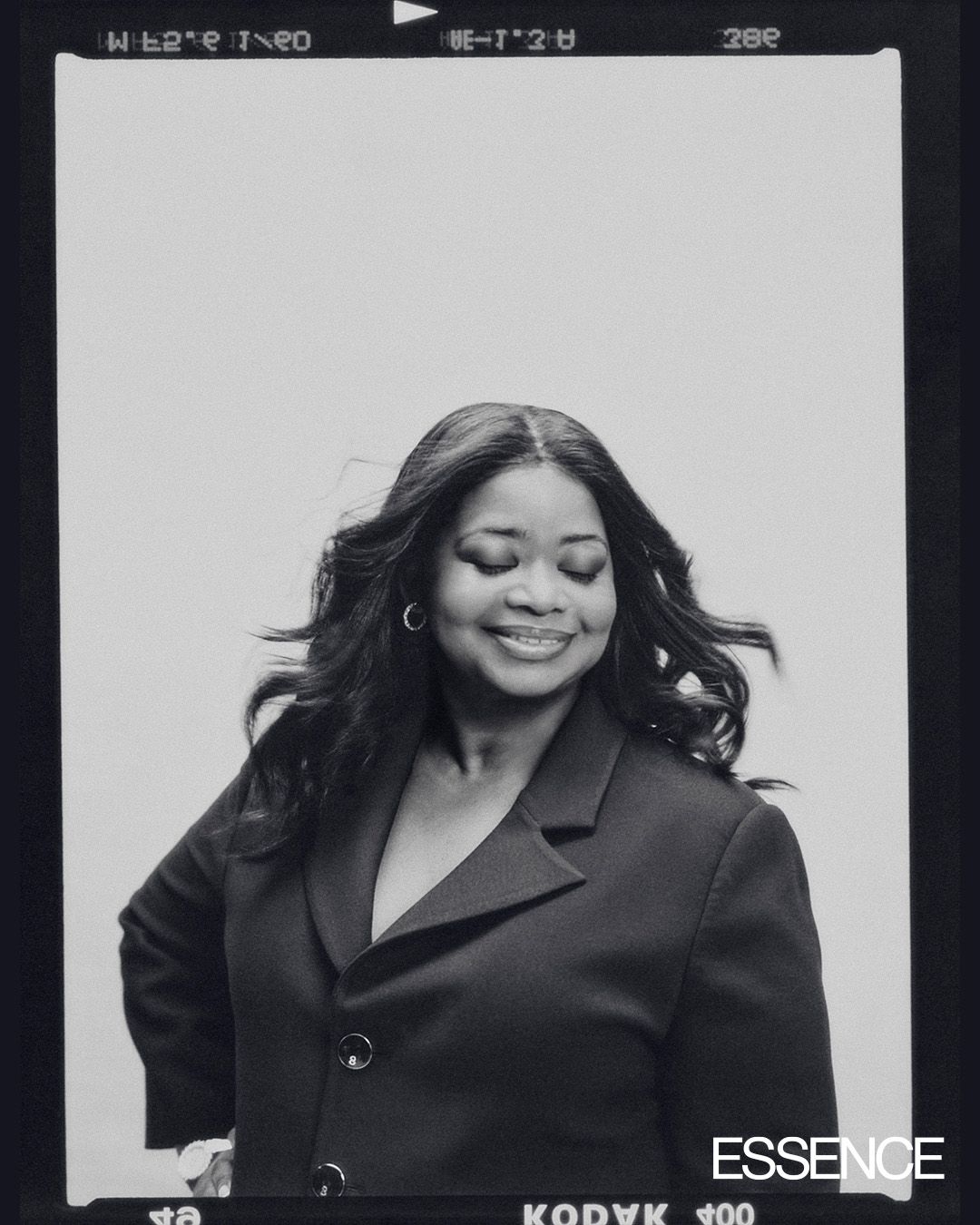 Octavia Spencer for ESSENCE. Photographer @BexxFrancois
Stylist @waymanandmicah
“I make it a point I don’t want to know more than what the character is going to know at any given point,” Spencer says. The philosophy feels especially apt here, where Debbie’s shock, fear, fury, and reluctant adaptation must arrive in real time. “In life, unless you have a psychic on speed dial, [you] don’t know what our moment-to-moment is going to be,” she says. The performance, then, is built around immediacy. Debbie does not have the luxury of omniscience. She has only instinct, history, and the trembling recognition that the person beside her is both kin and stranger.
This is where Ride or Die becomes an illuminating addition to Spencer’s oeuvre. “For me it was always just about finding the truth in every scene,” she says. “If at the end of it, it’s supposed to be funny, great. If not, I just know that I did my job as an actor and conveyed what my character’s circumstances are at that moment.” Spencer does not chase the laugh, the tear, or the reveal. She plays the circumstance and lets the genre catch up.
In Debbie, she finds a role that does not depart from what has made Spencer one of the most durable performers of her generation; it clarifies it. Ride or Die offers the pleasure of seeing an actor long associated with emotional ballast step into motion, into spectacle, into the unstable terrain of friendship under duress. “It is always to me,” Spencer says, “so funny starting from nothing and building out.” With Debbie Claybourne, she builds outward again, toward a woman who is not only surviving the plot but revising the terms by which we have been taught to see her.
CREDITS:
Photographer @BexxFrancois
Stylist @waymanandmicah
Makeup @missvalnoble
Hair @davestanwell
Production @apt.5f
ESSENCE
Editorial Director @ghostwritervic
Manager, Content Operations @shelbylnstewart
VP, Creative @praise_odg
VP, of Social & Special Projects @mentionme
Visuals Director @hashtag_bre
Art Director @so.lit
Senior Branded Content Producer @jadeaavalos
Writer @skylxrfaith