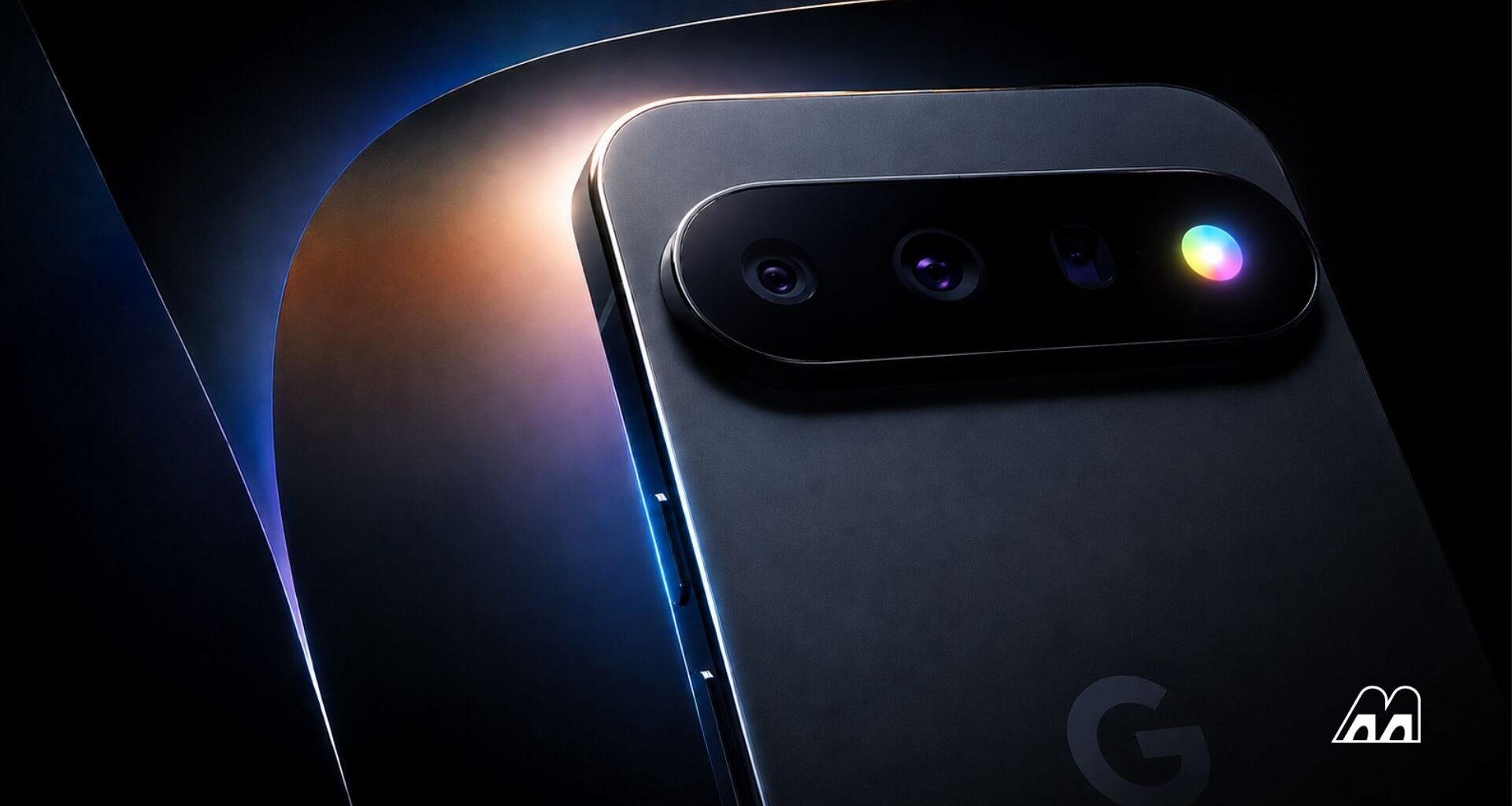
Google just confirmed what the leak cycle spent months telling us, then added one surprise. The company’s first official Pixel 11 teaser went live on July 15, officially naming the 2026 lineup and giving us our first real look at Pixel Glow, a hardware feature Google had mostly kept under wraps. Here’s what it means, what’s still missing, and why this teaser is more strategic than it first appears.
Google Breaks Its Own Teaser Pattern
Normally, Google saves the big reveals for the launch event itself. This year, the company flipped the script. The Google Store landing page now reads: “The next generation. Google Pixel 11. August 12.” That’s a hard confirmation — no codenames, no ambiguity.
The teaser video highlights the Pixel 11 Pro in a bold gold finish. The Google Store also heavily features the same color throughout the page. Google confirmed that the Made by Google event will stream live on August 12 at 6 PM ET from New York. The invitation also references “Gemini Intelligence,” signaling that AI will share the spotlight with the new hardware.
What stands out here is timing. Google dropped this teaser barely four weeks before the event — earlier than usual, and right when Samsung is ramping up its own Galaxy Unpacked buzz. That’s not a coincidence. It’s positioning.
Pixel Glow Isn’t What You Expected
The star of the teaser isn’t the phone’s design or its cameras. It’s a small, circular LED light sitting in the camera bar, right where the flashlight normally lives. Google calls it Pixel Glow.
Earlier leaks described it as “Stay in the moment without losing touch” — a feature that uses subtle light and color on the back of your phone to notify you when it’s face-down. Think of it as a modern notification light, but with a twist. According to code found in Android 17 Beta 4, Pixel Glow can light up when favorite contacts call, pulse during Gemini voice interactions, and display a full spectrum of customizable colors.
In the teaser video, the light cycles through colors in a pattern that — we’re not exaggerating — looks like macOS’s spinning beach ball. Whether that’s intentional humor or just how the animation landed, it’s oddly fitting for a phone that’s leaning hard into AI-driven multitasking.
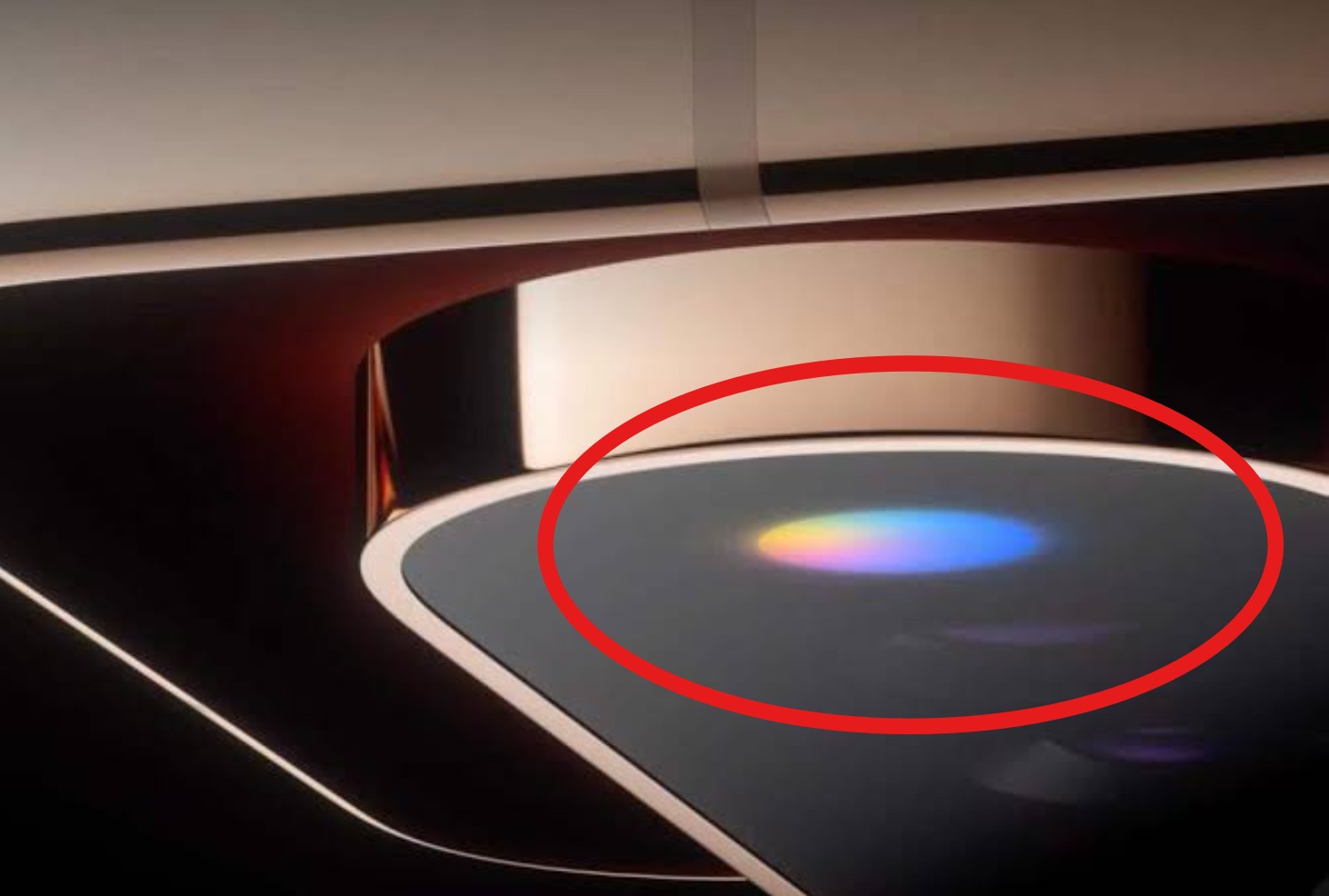
Pixel Glow might sound like a gimmick on paper, but it addresses a real behavior. Most people put their phones face down during conversations and meals. A subtle glow that tells you your partner is calling — without forcing you to pick up the phone — is genuinely useful. Google is careful to note that using flash notifications overrides Pixel Glow, and there’s a warning for light-sensitive users. That level of thoughtfulness suggests this isn’t just a marketing stunt.
Tensor G6 Makes the Real Leap
While Pixel Glow grabs the headlines, the chip underneath might be the bigger deal. The Tensor G6 moves to TSMC’s 2nm manufacturing node — a significant process jump that should improve both power efficiency and raw performance. Leaked specs point to a seven-core CPU layout: one ARM C1-Ultra core at 4.11 GHz, four C1-Pro cores at 3.38 GHz, and two efficiency cores at 2.65 GHz, paired with a PowerVR C-Series GPU.
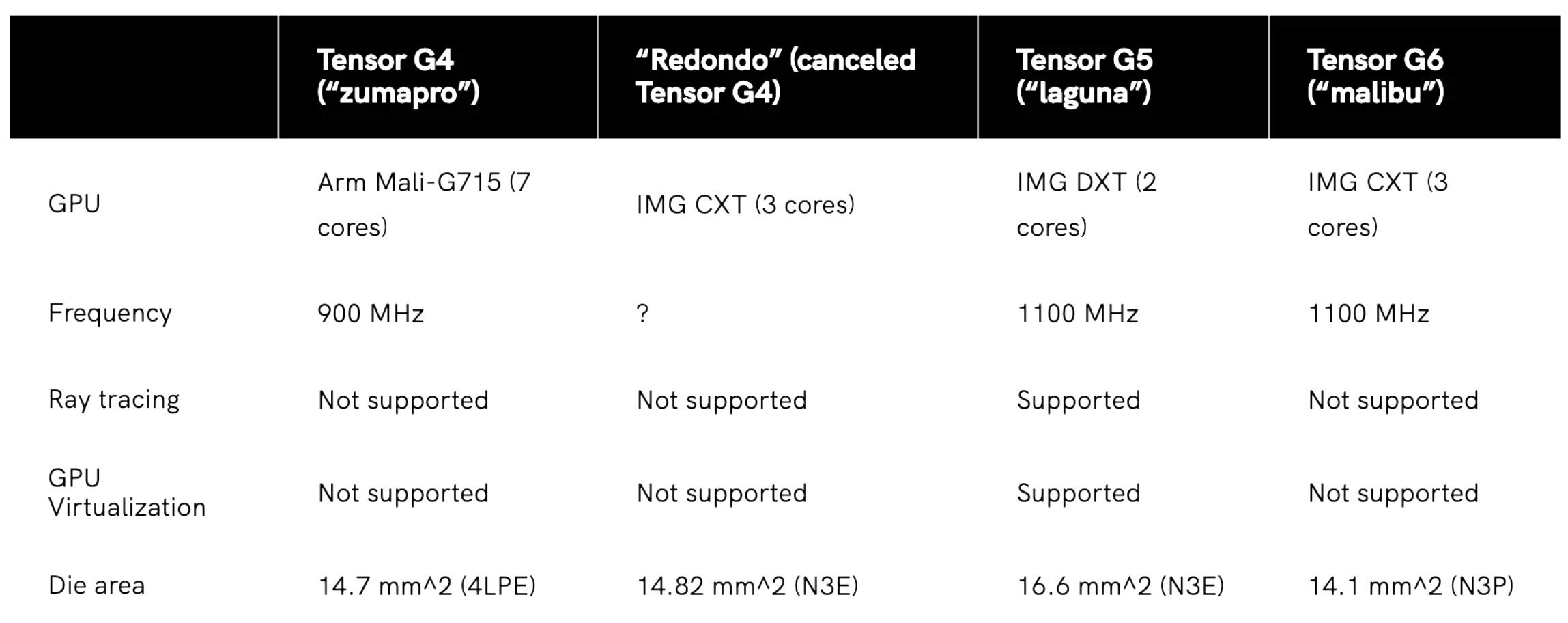
Google also confirmed a new dedicated TPU (Tensor Processing Unit) inside the chip, which will drive on-device AI tasks — everything from photo processing to real-time translation. For context, this is the same architectural philosophy we’ve seen reshaping AI chip design across the industry, where dedicated neural engines are becoming standard rather than optional.
If you’re comparing this to what Apple and Samsung are doing — Apple’s A20 Bionic on 2nm and Samsung’s Exynos 2700 — Google is finally playing in the same manufacturing tier. Whether that translates to real-world parity depends on optimization, and Google’s track record there has been uneven. But the gap is closing.
What August 12 Needs to Answer
The teaser is polished, but it deliberately leaves gaps. We still don’t know the exact pricing, beyond leaks suggesting a price hike and the death of the 128GB tier. We don’t have confirmed camera sensor details for the base Pixel 11 — only that a new “chemosh” sensor is in play. And the Pixel 11 Pro Fold is reportedly coming later in October, which means Google’s foldable strategy is still on a separate timeline.
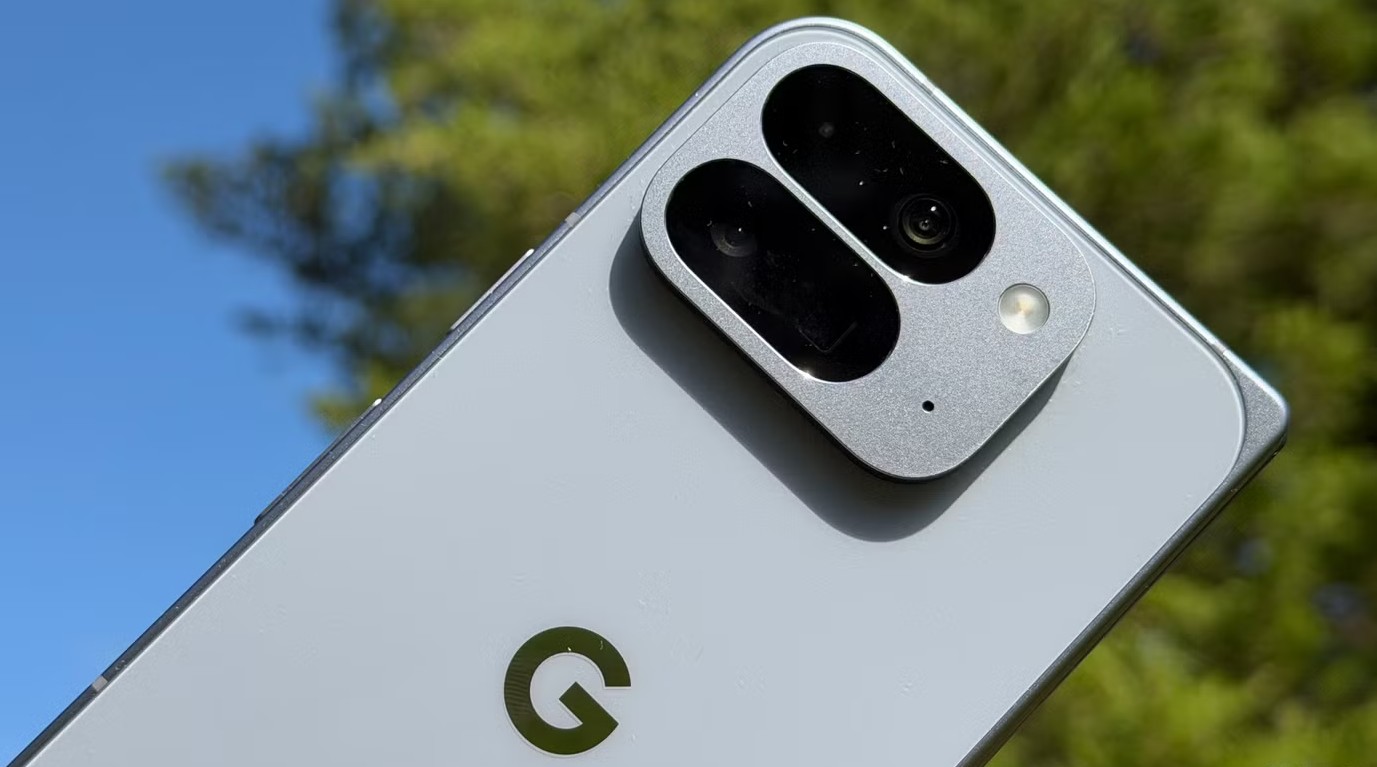
The bigger question is whether Gemini Intelligence — whatever Google packages under that umbrella — can justify the price increase. AI features only matter if they work reliably in daily use, and Google’s AI assistant history is littered with promises that landed unevenly. If Pixel Glow + Gemini Intelligence + Tensor G6 come together as a cohesive experience, this could be Google’s strongest hardware year yet. If any piece underdelivers, the competition from Apple’s iPhone 18 will look even more attractive.
Pre-orders open August 12. Google Store email sign-ups are live now for an exclusive launch-day offer.
FAQsHow does Pixel Glow work with Do Not Disturb mode?
Based on Android 17 Beta 4 code, Pixel Glow respects your Do Not Disturb settings. When DND is active, the light won’t activate for general notifications — only for contacts or apps you’ve marked as priority exceptions. Google also lets you disable Pixel Glow entirely without affecting other notification settings.
Will the Pixel 11 support satellite connectivity?
Google hasn’t confirmed satellite SOS or messaging for the Pixel 11 series. However, the Tensor G6’s MediaTek M90 modem does support non-terrestrial network (NTN) bands. Whether Google activates this feature at launch — or through a later software update — remains unclear. Apple and Huawei already offer satellite emergency features on their flagships.
What’s the difference between Tensor G6 and Qualcomm Snapdragon 8 Elite 2?
Tensor G6 uses TSMC’s 2nm node with a custom seven-core CPU and a dedicated TPU for on-device AI. Snapdragon 8 Elite 2 uses a 3nm process with Qualcomm’s Oryon cores and the Hexagon NPU. Google’s chip prioritizes AI and machine learning tasks, while Qualcomm focuses on balanced peak performance and GPU-heavy workloads.
Can you use Pixel Glow as a ring light for video calls?
No. Pixel Glow’s LED is designed for low-power ambient notifications, not continuous illumination. The light output is subtle and directional — it’s built to catch your eye from across a table, not to light up your face. For front-facing lighting, Google’s front-facing flash feature on Pro models serves that purpose instead.
When will the Pixel 11 Pro Fold launch?
Google’s August 12 event will focus on the Pixel 11, Pixel 11 Pro, and Pixel 11 Pro XL. The Pixel 11 Pro Fold is expected in October 2026 based on supply chain leaks. If you’re deciding between the standard and foldable lineup, our breakdown of the Pixel 11 Pro Fold specs and release date covers what’s been confirmed so far.
Vincee Cole is a technology journalist with four years of experience covering the full spectrum of modern tech — from consumer devices, artificial intelligence, to quantum computing, blockchain, and digital assets. His reporting cuts through complexity to deliver stories that are sharp, grounded, and relevant to both general readers and industry insiders. Previously, he worked with fintech research teams across Southeast Asia, analysing how emerging technologies are reshaping financial systems at scale.