
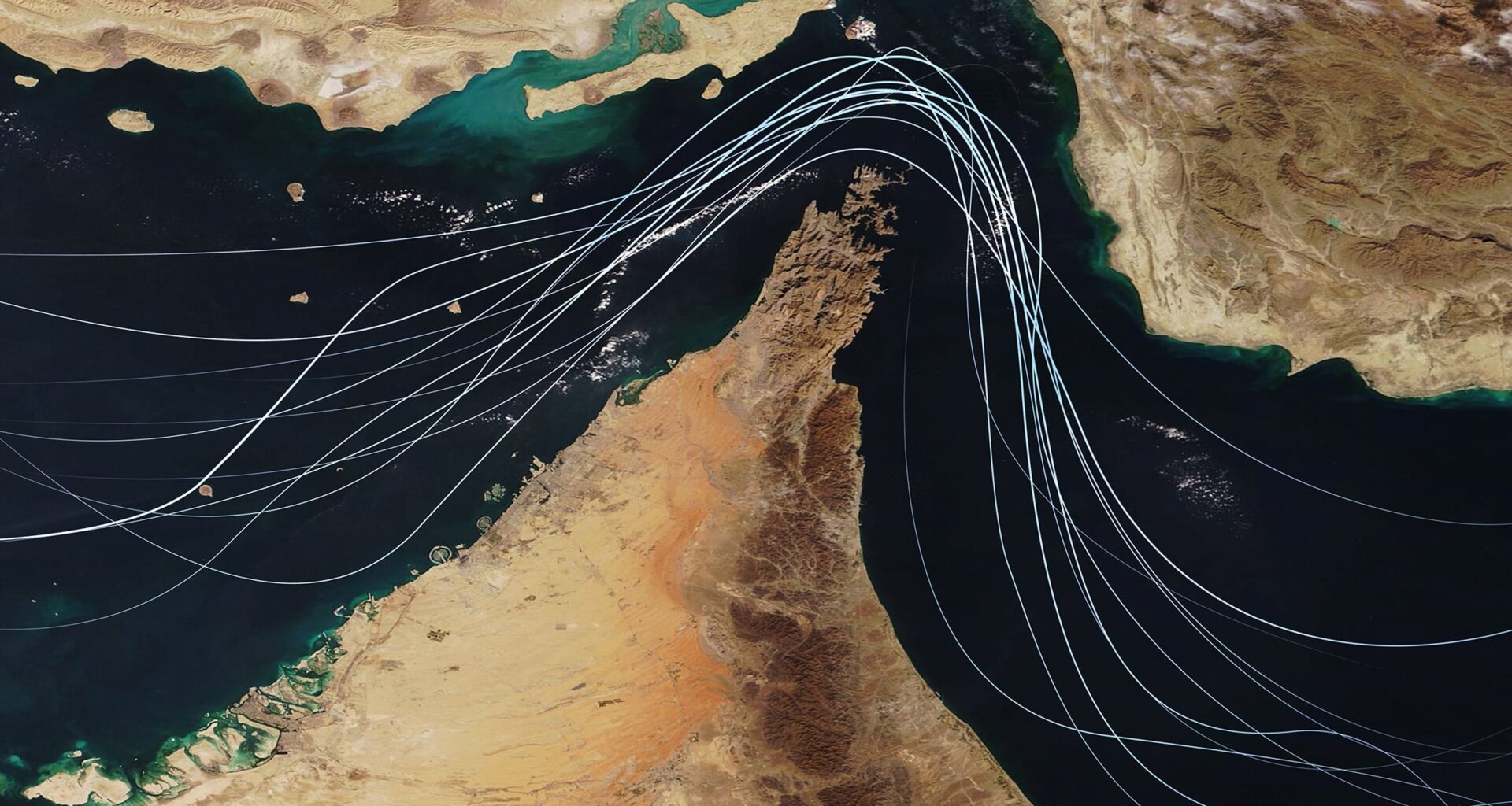
Accumulation risk is building
Insurers are now focusing more on accumulation risk, the concentration of multiple high-value vessels or cargoes in a single location.
Rerouting away from contested chokepoints has led to congestion at alternative ports, where the aggregation of exposure can approach or exceed insurer capacity. Unlike natural catastrophe modelling, these concentrations can shift rapidly, driven by geopolitical developments rather than predictable patterns.
For cargo insurers, visibility adds another challenge. Goods may be transhipped between vessels mid-journey, making it difficult to track where insured interests are located at any given time.
Taken together, these dynamics push underwriting toward more granular, voyage-specific assessment.
A market adapting, not retreating
Despite these pressures, the marine insurance market has not withdrawn. As confirmed by the International Union of Marine Insurers (IUMI) in March and April 2026, capacity remains available across hull and cargo, but under more selective, case-by-case conditions.
Notices of cancellation, increasingly issued as risks evolve, are not signals of market exit but tools to reset terms and pricing. Coverage for high-risk regions continues, often structured on a voyage-specific basis and subject to scrutiny.
This points to a broader shift. Underwriting is becoming more transactional, with decisions made voyage by voyage and backed by real-time information.