

Welcome to the Overnight News Digest with a crew consisting of founder Magnifico, regular editors side pocket, maggiejean, Chitown Kev, eeff, Magnifico, annetteboardman, Besame, jck, and FarWestGirl.
Alumni editors include (but not limited to) Interceptor 7, Man Oh Man (RIP), wader, Neon Vincent, palantir, Patriot Daily News Clearinghouse (RIP), ek hornbeck (RIP), rfall, ScottyUrb, Doctor RJ, JeremyBloom, BentLiberal, Oke (RIP), jlms qkw, and doomandgloom.
OND is a regular community feature on Daily Kos since 2007, consisting of news stories from around the world, sometimes coupled with a daily theme, original research or commentary. Editors of OND impart their own presentation styles and content choices, typically publishing each day near 12:00 AM Eastern Time. Please feel free to share your articles and stories in the comments.
Archaeology
……….
Ancient stone tools reveal complex nomadic lifestyles in Armenian Highlands.
A team of international scientists led by Dr. Ariel Malinsky-Buller, together with Ph.D. students David Nora, Ioannis Oikonomou and Dominik Rogall from the Hebrew University of Jerusalem, has uncovered new insights into the strategic decision-making and survival techniques of Middle Paleolithic hunter-gatherers. The study, led by Nora, examined ancient stone tool fragments from Ararat-1 Cave in Armenia. Researchers mapped how early human populations adapted their technology to survive in a rugged and ecologically varied environment.
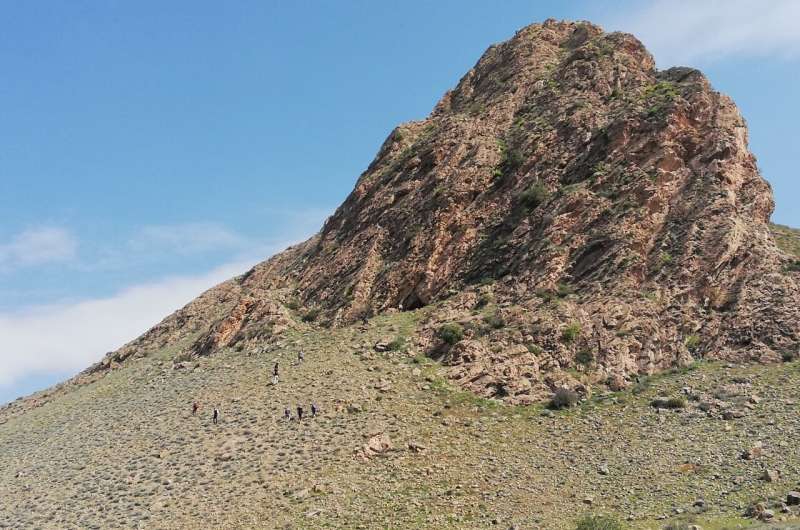 A look at Ararat-1 cave from the bottom of the Ararat depression.Credit: Ariel Malinsky Buller
The research, published in the journal Quaternary Science Reviews, analyzed an assemblage of 1,770 stone artifacts spanning five distinct layers. The study focused on the late Middle Paleolithic period, roughly between 33,000 and 52,000 years ago, when ancient human populations navigated environmental shifts in the South Caucasus region.
The team uncovered a distinct dichotomy in how prehistoric groups used different stone resources. High-quality obsidian tools were transported across long distances, with some originating from volcanic sources up to 200 kilometers (124 miles) away. These obsidian tools show evidence of continuous reshaping and maintenance, illustrating a curated toolkit designed for highly mobile groups moving through mid- and high-altitude mountain corridors.
In contrast, tools made from local chert reflected an expedient strategy. The chert artifacts show signs of initial production onsite, indicating that early humans used nearby resources for short-term tasks while staying at a specific location. By adopting a novel analytical framework that tracks tiny fragments under 20 millimeters, the researchers were able to identify evidence of tool repair, even when the final tools themselves were carried away from the site.
The findings challenge traditional methods that classify ancient cultures solely by static tool shapes. Instead, the study reveals that Ararat-1 Cave functioned primarily as a strategic maintenance-and-rest station within a complex network of seasonal migration routes.
Silkworm cultivation predates the Silk Road in southern Central Asia, ancient cocoons suggest.
The silkworm moth, whose caterpillars have been used in silk production since antiquity, may have been brought to southern Central Asia 4,000 years ago—nearly 2,000 years earlier than previously assumed—according to new research from Washington University in St. Louis.
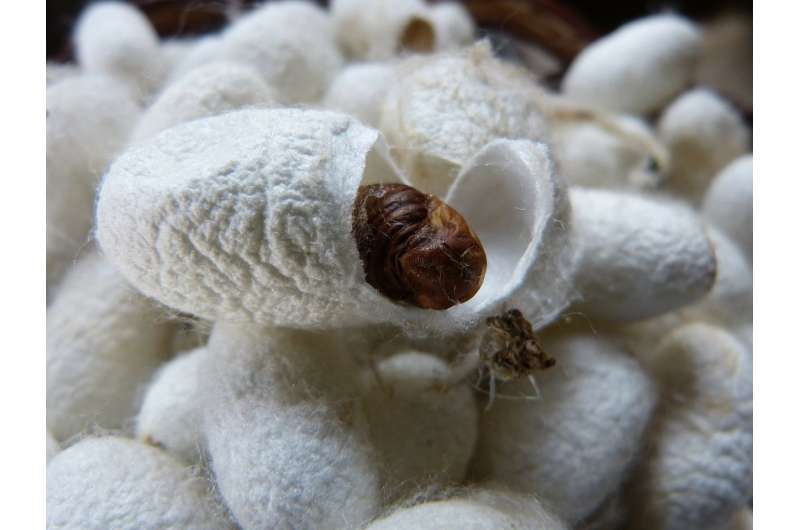 Credit: CC0 Public Domain
The discovery of three well-preserved cocoons at an archaeological site in Uzbekistan pushes back the earliest verified date for silkworms cultivated outside China.
Until now, it was generally accepted that silk products and their accompanying knowledge spread from ancient China to Central Asia and beyond within the context of the Silk Road, the famed route used by traders during the Roman and Han periods. While many goods, including spices, tea, porcelain and glassware, were traded along this route, silk was the most coveted luxury item exported from China to the Roman Empire, giving the expansive route its iconic name.
The new archaeological evidence opens up the possibility of an earlier dispersal of silk and sericulture, according to Xinyi Liu, a professor of archaeology in WashU Arts & Sciences and corresponding author of a study in the journal Science Advances.
“This is the oldest reliable archaeological record of preserved silkworm cocoons with direct radiocarbon dates,” Liu said. “Even in China, where the silkworm moth was domesticated, we don’t have preserved cocoons as old as this, in part because of challenges with archaeological preservation.”
Syria’s ancient sites face widespread looting and systematic bulldozing, satellite images reveal.
Dozens of archaeological sites were destroyed by looting during Syria’s civil war, which began in 2011 and lasted until 2024. Because the last comprehensive analysis was published in 2017, the extent of more recent damage to cultural heritage sites since 2016—including at UNESCO World Heritage sites such as Palmyra, long-running archaeological excavations like Mari, and the ancient Roman city of Apamea, known for its Great Colonnade—has been largely unknown.
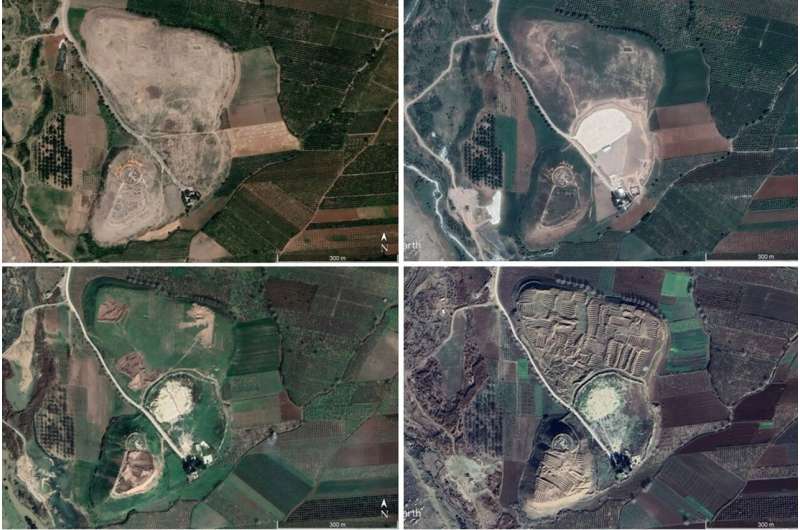 Satellite images of Ain Dara, which was home to an Iron Age temple in what is now northwestern Syria, show changes to the site from looting from, left to right, top row, July 2014, April 2016, bottom row, February 2019, and January 2022.Credit: Google/Maxar Technologies
A new Dartmouth study finds that many of Syria’s archaeological sites were damaged not only by looting but also, in areas occupied by the Turkish military, by systematic bulldozing. The findings are published in the journal Heritage.
Using satellite imagery from Google Earth and the European Space Agency’s Pleiades program, researchers analyzed looting and damage at 200 sites throughout Syria.
They classified the damage into four categories: “traditional looting,” in which individual holes were excavated at a site; “mechanized looting” by bulldozer; “militarization,” in which dugouts and other features were installed; and “construction or encampments,” including temporary shelters used by refugees.
The results show that from 2015 to 2025, 59% of the sites were looted, compared with 13% from 2011 to 2016.
Historians and archaeologists know that maize was a central food source and cultural symbol across the ancient Maya world, but much of what is known has come from studies focused on large Maya cities and elite burials.
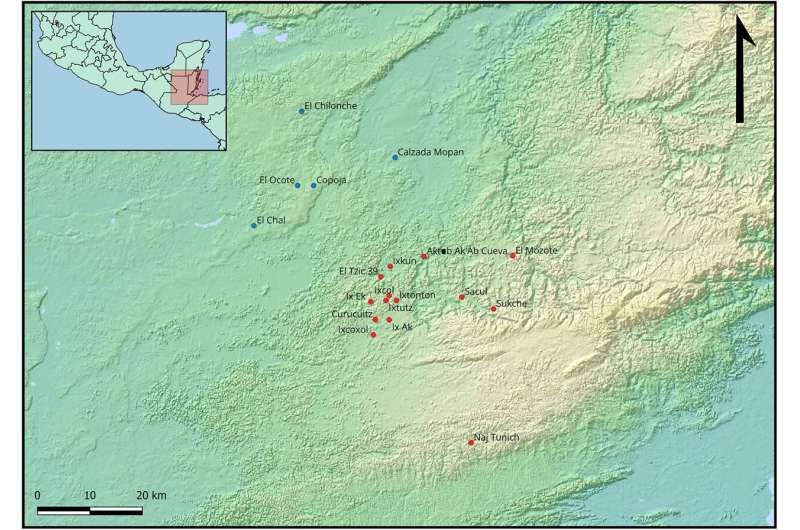 Map indicating the sites of southeastern Petén, Guatemala discussed in the study according the geographic subregions: Maya Mountains (red dots) and humid savannah (blue dots).Credit: PLOS One (2026). DOI: 10.1371/journal.pone.0353029
A new study, published in PLOS One, takes a different approach to understanding the diets and culture of Classic Maya people by conducting stable isotope analysis on samples from smaller Maya communities throughout southeastern Petén, Guatemala. Typical everyday diets of common people in southeastern Petén were previously mostly unknown. The study shifts attention from famous Maya cities to the ordinary people who made up regional societies.
How stable isotope analysis uncovers ancient diets.
Stable isotope analysis can reveal broad patterns in what ancient people ate through measurements of chemical ratios of elements like carbon and nitrogen preserved in samples of tissues like bones and teeth. When an organism eats, the isotopic signatures of food become integrated into these tissues, allowing scientists to track plant types, meat consumption and marine resources.
Previous isotope studies showed maize was widely important across the Maya Lowlands and that certain regions changed their diets near the end of the Classic period (about 900 CE), while others remained stable. These studies focused on major Maya centers but found that diet could vary with local ecology and, sometimes, social status. However, smaller settlements and non-elite households remained underrepresented in these previous studies.
Animals in prehistoric paintings reveal hidden pattern across nine Basque caves.
Iñaki Intxaurbe, a researcher at the EHU-University of the Basque Country, analyzed the distribution of images in nine caves in the Basque Country using network-based analysis and statistical techniques.
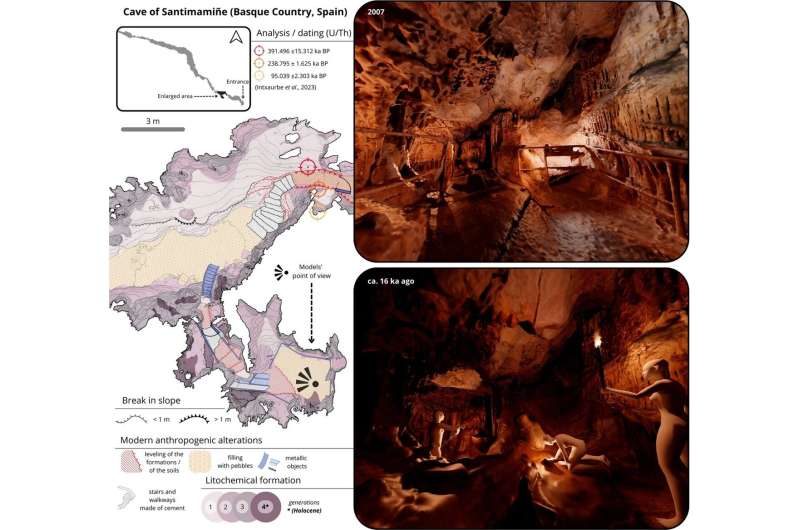 Integrated geoarchaeological, taphonomic, and spatial reconstruction of the “Chamber of Paintings” (Sector D) of the cave of Santimamiñe (Basque Country, Spain), illustrating the methodological framework which was adopted to approach the original configuration of the parietal record prior to formal analytical modelling.Credit: Journal of Archaeological Method and Theory (2026).
By studying the recurrent associations between the images, Intxaurbe identified the hierarchical structural patterns followed by prehistoric drawings. Bison, horses and goats appear at the center of the compositions, and the rest of the animals are distributed around them. The horses are depicted facing right, and the other animals generally face left. Although the reasons for this are unknown, the study shows that images correspond to a specific internal organization.
Postdoctoral researcher Iñaki Intxaurbe conducts his work at the Department of Graphic Expression and Engineering Projects of the EHU-University of the Basque Country: “I work with rock art, with figures drawn on the walls of caves. I make digital copies of these figures so that I can later carry out simulations and statistical analysis,” he explains.
Specifically, he analyzed 500 graphic motifs found in nine caves in the Basque Country, which were made approximately 16,000–14,000 years ago. “I wanted to know whether these images were created at random or whether they followed some kind of pattern,” he added. The research is published in the Journal of Archaeological Method and Theory.
Ceramic vessels reveal how social inequalities were also cooked into 19th-century Brazil.
Fish, shellfish, maize, manioc, rice and even chicken eggs. Molecular residues preserved in more than 180 ceramic vessels from southern Brazil have made it possible to reconstruct what different communities were cooking more than a century ago, showing that access to food varied according to the origin and social status of their inhabitants.
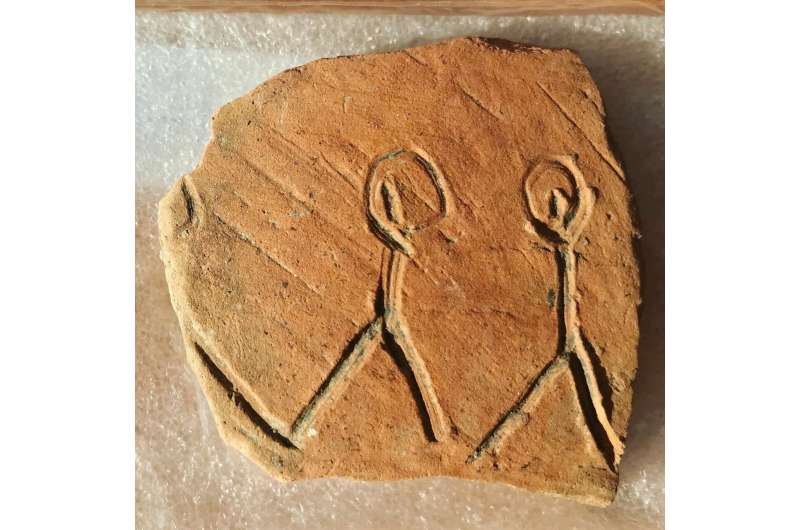 The study analyzed the lipids preserved in more than 180 ceramic fragments and the proteins present in a selection of these pieces.Credit: ICTA-UAB
An international study led by researchers from the Institute of Environmental Science and Technology at the Universitat Autònoma de Barcelona (ICTA-UAB), in Spain, reveals that Indigenous, African and Afro-descendant communities relied more heavily on marine resources, while communities of immigrants from Germany consumed mainly plant species and terrestrial products.
Brazil is a multicultural and ethnically diverse country whose history has been shaped by the interaction between Indigenous peoples, African populations, Luso-Brazilian communities and, later, European immigrant communities. However, little is known about how this cultural diversity was reflected in people’s everyday diet. The research reconstructed part of this history by analyzing food residues preserved in ceramics used between the late 19th and early 20th centuries in Babitonga Bay, southern Brazil.
The study, recently published in Royal Society Open Science, analyzed the lipids preserved in more than 180 ceramic fragments and the proteins present in a selection of these pieces. Thanks to molecular archaeology techniques, the researchers were able to identify the types of food cooked or stored in the vessels used by Indigenous, Luso-Brazilian and Afro-descendant communities, and the first German immigrants established in the region.
Health
…………
‘Pro version’ of cisplatin keeps its cancer-killing power while reducing side effects.
Cisplatin is one of the most successful cancer medicines ever developed. Doctors use it to treat many cancers, including lung, ovarian, breast, testicular and head and neck cancers. However, cisplatin has a serious problem. It does not attack only cancer cells. It can also reach healthy organs and damage them. In particular, cisplatin can harm the kidneys and peripheral nerves. Patients receiving cisplatin often experience pain, tingling, numbness or weakness in their hands and feet. These side effects can become so severe that doctors must reduce the dose or stop treatment completely.
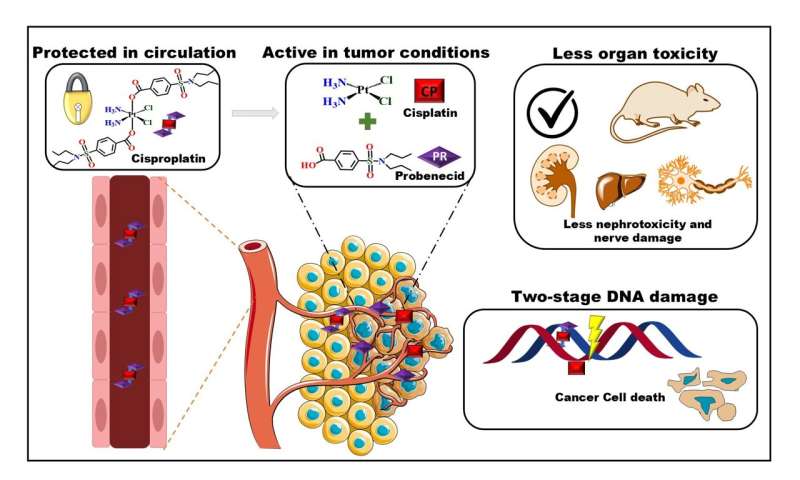 Cisproplatin combines cisplatin and probenecid into a single molecule that travels safely through the body, attacks tumor DNA in two distinct stages, and prevents the severe kidney and nerve damage associated with standard chemotherapy.Credit: Image provided by the authors, Icon provided by Servier Medical Art
This led our research team to ask a simple question: Can we keep cisplatin’s cancer-fighting power while reducing its harmful side effects?
To explore this idea, we developed a new molecule called cisproplatin, or CPP. We can think of it as a smarter, “pro version” of cisplatin designed to remain stable while traveling through the body and become active under tumor-like conditions. The research is published in the Journal of Medicinal Chemistry.
Wireless skin sensor could continuously track soft tissue disorders from home.
Northwestern scientists have developed a novel wireless sensor device that can continuously monitor skin elasticity in patients with soft tissue disorders, including lymphedema and scleroderma, which can support early disease detection and better inform care strategies, as detailed in a study published in Science Advances.
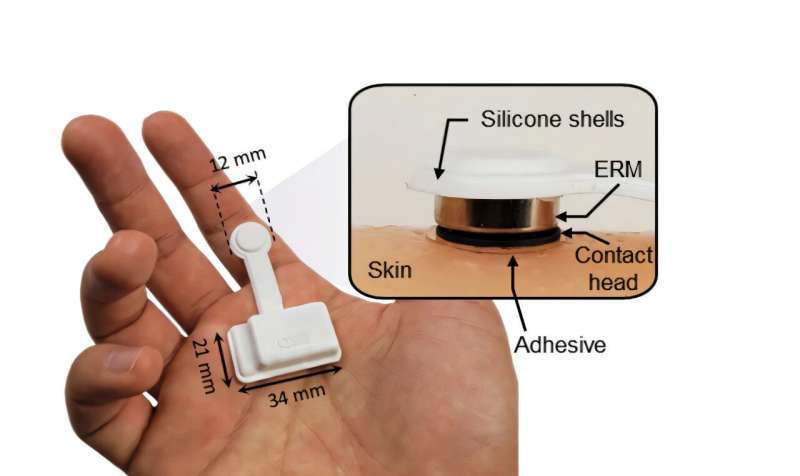 Photograph of the device; the inset shows a side view while attached to the skin.Credit: Min-Seung Jo, PhD
The sensor, which is directly applied to the patient’s skin, can measure a patient’s tissue elasticity and then wirelessly transmit critical disease-progression data, enabling a health care provider to remotely access that data from the patient’s home and potentially eliminating the need for an in-person clinical examination.
“The great thing about the sensor is it’s small, the potential for home use is tremendous, and for patients who know that they are at risk and know that they need to be constantly monitoring and detecting, this could give them a really good home-based unit that could potentially communicate data directly to their physician. That’s our goal,” said Ann Marie Flores, PT, MSPT, MA, Ph.D., CLT, FAPTA, associate professor of Physical Therapy and Human Movement Sciences and of Medical Social Sciences in the Division of Implementation Science, who was a co-corresponding author of the study.
New wearable ring tracks glucose, ketone and other biomarkers in sweat simultaneously.
Engineers at the University of California San Diego created a smart ring that simultaneously and continuously monitors up to four different chemical biomarkers from finger sweat. The biomarkers the smart ring can monitor in sweat are glucose, ketones, vitamin C, uric acid, lactate and alcohol.
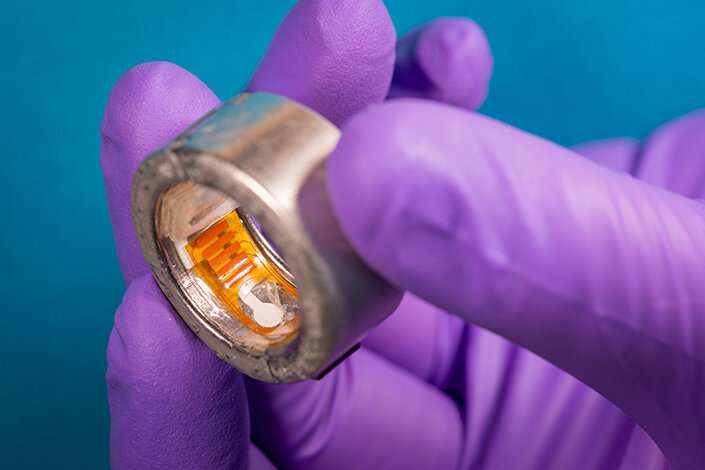 In one half of the ring is housed the sensor array (orange stripes), sweat extraction component and fluidic channel. Credit: David Baillot/UC San Diego Jacobs School of Engineering
In a new paper published in Nature Communications, UC San Diego engineers in the lab of Joseph Wang, professor in the Aiiso Yufeng Li Family Department of Chemical and Nano Engineering at the UC San Diego Jacobs School of Engineering, report results from what they believe is the first fully integrated smart ring for daily biochemical monitoring.
“Commercial rings only provide biophysical information, but they lack molecular information about biochemical markers that offers deeper insights about an individual’s health status,” said study first author Tamoghna Saha, a postdoctoral researcher in Wang’s lab.
For the ring to detect biomarkers in sweat, exercise or other exertion is not required; sweat is passively drawn up through the skin’s surface via osmosis using a technique pioneered by Saha.
Tracking multiple biomarkers simultaneously has the potential to broaden the real-time health picture in many scenarios, including diabetes management and nutrition tracking.
Experimental plague vaccine strategy protects mice with missing key immune defenses.
The plague has killed more people than World War II. The bacterium Yersinia pestis (Yp), which causes plague, has triggered three major pandemics throughout history, leaving behind a casualty toll of more than 200 million people. Although the plague no longer causes pandemics on the scale seen in history, it still occurs in many parts of the world today. Vaccination remains our best defense against the disease, but approved options remain scarce.
 A new pair of vaccines shields mice from deadly infections with pneumonic plague.Credit: Pexels
In a new study, scientists tested two live-attenuated plague vaccines, LMA and LMP—weakened forms of the plague bacterium that cannot cause disease—both alone and in combination with the virus-based vaccine Ad5-YFV.
They genetically engineered the mice to completely lack a signaling protein called interferon-gamma, which plays a crucial role in activating immune cells. Despite lacking a key immune protein, the vaccines protected 80% to 100% of mice exposed to highly lethal doses of the pneumonic plague-causing Yp CO92 strain, while triggering strong antibody and immune responses in all vaccinated animals.
A new review led by the University of East London (UEL) has uncovered a major blind spot in air pollution research. Despite domestic gardens covering vast areas of Britain’s towns and cities, researchers found no direct evidence showing whether they reduce pollution levels or improve the air people breathe at home. There is a huge gap in understanding the role of domestic gardens in air quality.
 Credit: Neville Hawkins from Pexels
Published in Nature-Based Solutions, the research examined more than 34,000 studies. Just 43 met the criteria for investigating gardens and air pollution, and none directly measured whether domestic gardens reduced pollutant concentrations or improved household air quality.
The finding is significant given the scale of domestic green space. In the U.K. alone, an estimated 25.8 million gardens cover about 959,800 hectares (2.4 million acres), while domestic gardens account for approximately 41% of London’s total area.
Evidence from larger green spaces may not apply to gardens.
The review found strong evidence from wider green infrastructure research that trees, hedges, shrubs, green walls and other vegetation can capture particulate matter on their surfaces and absorb gaseous pollutants.
However, the authors warn that these findings cannot simply be applied to domestic gardens, where buildings, fences, sheds, parked cars and mixed planting create very different patterns of airflow and pollutant movement.
Dense vegetation, for example, may trap pollution on leaf surfaces but can also reduce ventilation, potentially allowing polluted air to build up. Hedges may shield parts of a garden from traffic emissions, but their effectiveness depends on factors including their height, density, distance from roads, surrounding buildings and weather conditions.
Injectable biomaterial harnesses the immune system to promote brain repair after stroke.
Biomedical engineers at Duke University have developed an injectable biomaterial that helps transform the cavity left behind after a stroke caused by a blood clot into an environment more supportive of repair. By recruiting the body’s own immune cells, the treatment promoted the growth of new blood vessels, supported neural remodeling and improved motor performance in mice. The work appears in Cell Biomaterials.
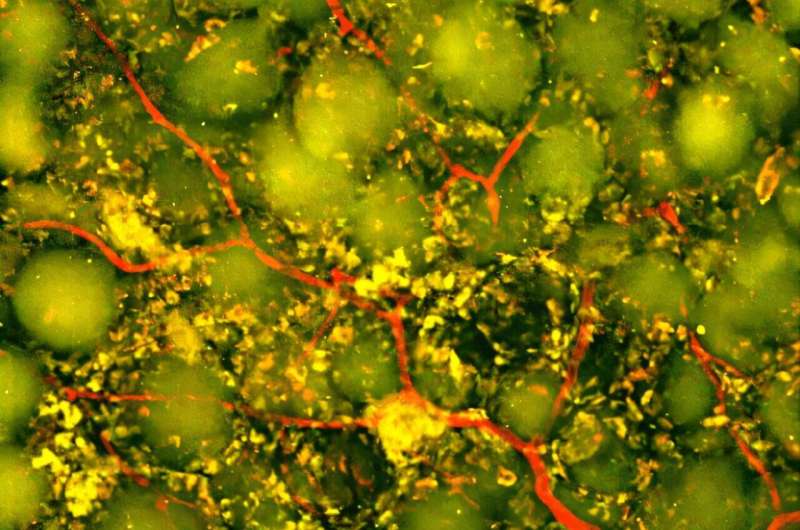 In vivo two-photon 16× Z-projection images showing neutrophil (green) infiltration and fluorescent dextran perfused newly formed vascular (red) networks in the infarct region.Credit: Shangjing Xin et al
Every year, millions of people experience strokes caused by blood clots, called ischemic strokes. Immediate treatments, including clot-dissolving drugs and mechanical removal of the clot, can restore blood flow and preserve threatened brain tissue. But these treatments cannot replace tissue that has already been lost.
Large strokes can result in substantial tissue loss and leave behind a cavity at the site of the injury. After the clot is removed, recovery relies largely on rehabilitation, which helps surviving brain circuits adapt but does not directly repair the damaged area.
“Once brain tissue has been lost, restoring blood flow is no longer enough,” said Tatiana Segura, the Robert Plonsey Distinguished Professor of Biomedical Engineering at Duke. “Our goal is to engineer the injured space so that immune, vascular and neural repair processes can begin to work together.”
Scientists find compound that may help muscles stay strong as we age. Skeletal muscle is one of the first tissues to decline with age. This decline can lead to weakness, scarring, fat accumulation inside muscle and the loss of fast-twitch muscle fibers that are important for quick, powerful movements.
 The compound strengthens HGF, a protein that helps activate muscle repair, offering hope for future treatments of age-related muscle loss in humans and pets.Credit: Kyushu University
A research team led by professor Ryuichi Tatsumi at Kyushu University’s Faculty of Agriculture has identified a molecule that may help protect and even strengthen one of the body’s key muscle-repair signals. The findings were published in Scientific Reports.
The study centers on hepatocyte growth factor, or HGF, which acts like a wake-up signal in skeletal muscle. In healthy muscle, HGF sits quietly in the supportive network surrounding muscle fibers. When muscle is injured or mechanically stimulated, HGF is released and binds to c-Met receptors on satellite cells—the resident stem cells of skeletal muscle—awakening them from a resting state and enabling them to proliferate, differentiate and contribute to muscle fiber repair.
However, aging can interfere with this process. The team’s earlier work showed that HGF undergoes a chemical change called nitration, in which a nitro group is added to two specific sites on the protein, Y198 and Y250—the very region HGF uses to bind c-Met.
Death of girl in Chinese gene-editing trial kept secret: Report.
A 6-year-old Chinese girl died last year after receiving an experimental gene therapy to correct a non-life-threatening condition, according to an investigation by Science and Retraction Watch.
The girl, who was given the pseudonym “Mei,” died a week after receiving a spinal infusion last March of trillions of viruses designed to penetrate the brain and fix a rare genetic condition that caused her mild cognitive impairment, the report said Thursday.
But her parents, who paid more than $800,000 to fund the experiment, were not adequately informed about the risks, the report said.
The lead researcher went on to publish a paper on related animal studies in the prestigious journal Nature that made no mention of Mei, noting only, “Bridging the gap between preclinical research and clinical translation remains a significant challenge.”
The previously undisclosed death is a fresh blow to China’s ambitions to rival the United States as a biotech power following the 2018 scandal involving He Jiankui, the biophysicist who secretly produced gene-edited babies.
Space
…….
Rocks from unexplored far side of the moon help rewrite lunar history.
Ancient samples from the moon’s far side are helping scientists uncover how asteroid impacts shaped the early solar system. The findings challenge decades of thinking about when those impacts occurred and offer new insights into the conditions that influenced Earth’s evolution.
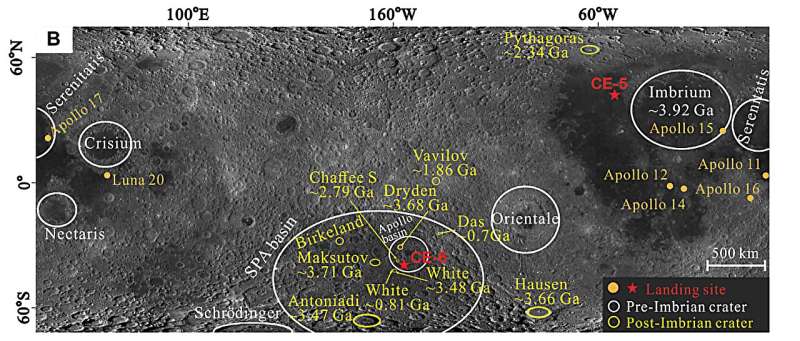 The geological context around the CE-6 landing site. The background is downloaded from Lunar QuickMap (https://quickmap.lroc.im-ldi.com).Credit: Science Advances (2026)
Researchers have uncovered new evidence about the timing and intensity of asteroid bombardment across the moon’s surface, finding it declined gradually rather than occurring as a short, intense burst of impacts as previously thought.
The paper “The bombardment history on the lunar farside revealed by 40Ar/39Ar geochronology of Chang’e-6 impact melt rocks” is published in Science Advances.
The far side’s cleaner record.
Unlike Earth, where ancient geological evidence has been largely erased by erosion, volcanic activity and shifting tectonic plates, the moon has preserved a record of impacts stretching back billions of years.
Research co-author Dr. Fred Jourdan, from Curtin University’s School of Earth and Planetary Sciences and John de Laeter Center, said lunar rocks acted as a natural archive of the solar system’s history, allowing scientists to investigate events that occurred shortly after the planets formed.
“The moon is like a time capsule—it has preserved a record of events that have been erased from Earth by erosion, plate tectonics and other geological processes,” Jourdan said.
Why Europa’s hidden ocean may be more difficult to reach than scientists thought.
Europa, one of Jupiter’s icy moons, has long fascinated scientists because of what may lie beneath its frozen shell: a global ocean of liquid water. That hidden ocean has made Europa one of the most compelling places in the solar system to study the conditions that might support life. But new research led by Rutgers scientist Lujendra Ojha suggests one of the most promising shortcuts to Europa’s ocean may be far more complicated than previously thought.
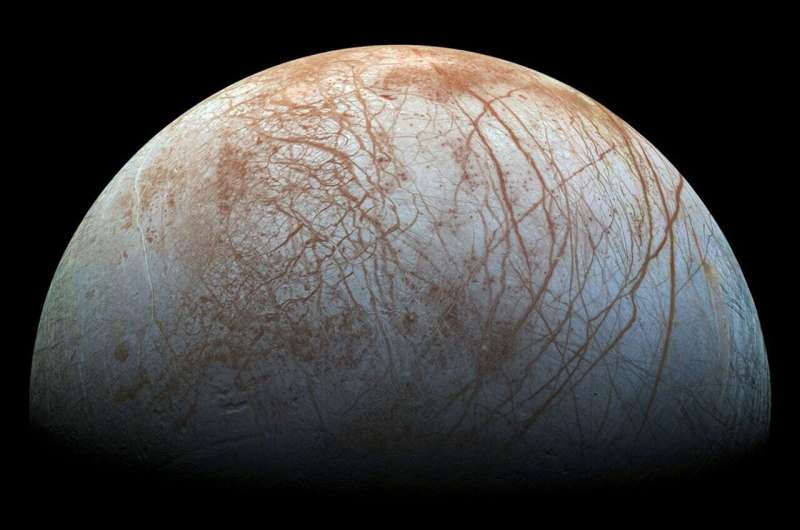 This view of Jupiter’s icy moon Europa was captured by JunoCam, the public engagement camera aboard NASA’s Juno spacecraft, during the mission’s close flyby on Sept. 29, 2022.Credit: NASA/JPL-Caltech/SwRI/MSSS | Image processing: Kevin M. Gill CC BY 3.0
In a study published in Nature Astronomy, Ojha and colleagues used computer simulations to test whether liquid water from Europa’s deep ocean could rise through cracks in the ice and collect in shallow reservoirs closer to the surface. Such reservoirs, if they exist, could be easier for future missions to detect or sample than the ocean buried far below.
“The mystery we wanted to solve was whether this journey is actually possible,” said Ojha, an associate professor in the Department of Earth and Planetary Sciences at the Rutgers School of Arts and Sciences. “Can liquid water rise from Europa’s deep ocean toward the surface without freezing along the way?”
Their conclusion: The route from deep ocean to shallow ice is probably much more difficult than scientists have assumed.
Should scientists have research ‘reserves’ on the moon? The worlds of the solar system are exciting and, so far, mostly pristine places for planetary scientists to study. As space missions continue to travel to Mars, Europa, asteroids and other worlds, questions arise about keeping them safe for continued exploration and observation.
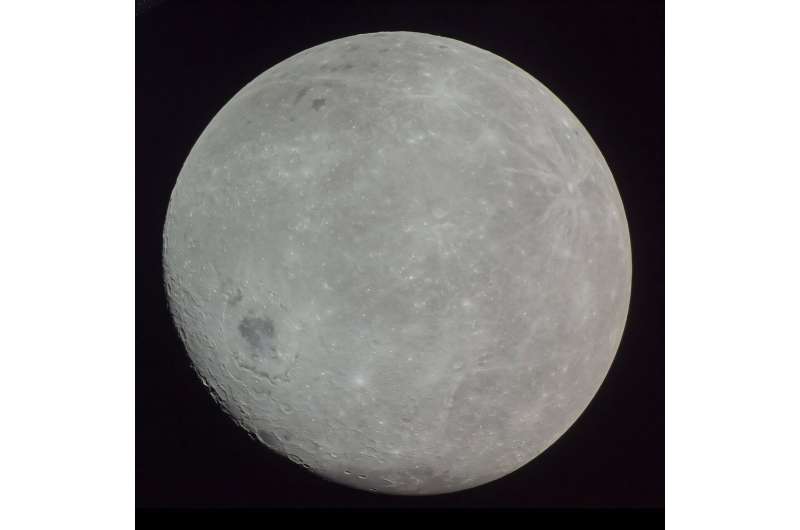 The Lunar Far Side offers a pristine and welcoming environment for multi-messenger observatories due to its lack of light pollution and radio interference from Earth. Can we keep it that way for future scientists to use? Credit: Artemis 1 mission.
In recent decades, scientists have voiced concerns, for example, about the possibility of somehow “infecting” Jupiter or Saturn, or their moons, with Earth microbes carried on spacecraft. They also worried that probes returning from other places might bring infectious organisms back to Earth. Mars also came under scrutiny in the 1960s and 1970s when NASA was planning missions such as the Viking probes. So, the idea of protecting other worlds is not new. Such concerns led to the development of planetary protection protocols. The main goals of these guidelines, as outlined by NASA’s Office of Safety and Mission Assurance, are:
Carefully control forward contamination of other worlds by terrestrial organisms and organic materials carried by spacecraft to ensure the integrity of the search for and study of extraterrestrial life, if it exists.
Rigorously preclude backward contamination of Earth by extraterrestrial life or bioactive molecules in returned samples from habitable worlds to prevent potentially harmful consequences for humans and Earth’s biosphere.
Debating the future use of other worlds.
Those protocols protect other worlds, but what about preserving places such as the moon as bases for astronomers and cosmologists to study the universe? With the possibility of more probes and humans landing on the moon in the near future, scientists and others have raised questions about what should be preserved as future science labs and habitats are planned. Lunar exploration and preservation were the topic of a July 21 debate held by the Royal Astronomical Society in Birmingham, England. It was part of a conference on lunar governance, and after the debate, 76% of attendees indicated support for scientific preservation of the moon.
Tech
……….
A spider-inspired robotic boat could track and rescue people in water. Rescue teams in coastal cities and towns often need to rescue people who are at risk of drowning. These operations often require emergency teams to locate and reach people in distress as quickly as possible, as even a short delay could have serious or even fatal consequences.
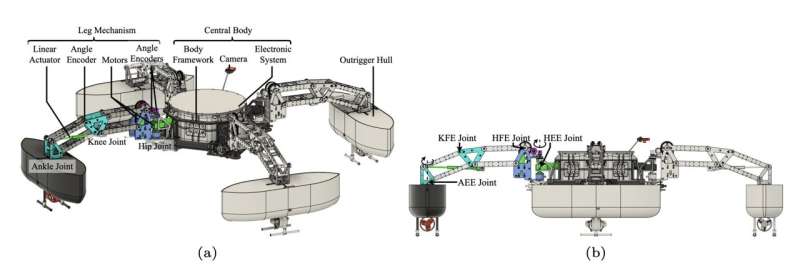 (a) Main components and (b) front view of the QuadBoat. Inspired by fishing spiders in nature, the QuadBoat can maneuver on the water surface and collect floating objects. Credit: Zhang, Huang and Qian.
Robotic systems that can autonomously move on the surface of water, also known as unmanned surface vehicles (USVs), could potentially help search and rescue (SAR) units rapidly locate victims of maritime accidents and retrieve them from the water. Many existing USVs, however, were primarily designed to locate or approach victims on water, instead of physically rescuing them.
Researchers at Shenzhen Institute of Artificial Intelligence and Robotics for Society (AIRS) in China and Stevens Institute of Technology in the U.S. recently developed QuadBoat, a new four-legged USV that could assist agents during water rescue operations.
The new robotic boat, introduced in a paper published on arXiv preprint server, draws inspiration from fishing spiders, arachnids that can move across the surface of ponds, lakes, slow-moving streams and some other bodies of water.
Batter up, bias down: Robot umpires curb favoritism for star hitters. When South Korea’s professional baseball league introduced “robot umpire” ball-and-strike calls in 2024, famous batters appeared to lose an edge—but star pitchers did not.
 Credit: Pixabay/CC0 Public Domain
A new University of Michigan study found that after the Korea Baseball Organization adopted its Automated Ball-Strike (ABS) System, high-status hitters performed worse in statistics most closely tied to strike-zone judgment. Compared with lower-status batters, famous hitters walked less, struck out more and reached base less often after automated calls replaced human judgment on balls and strikes. The findings are published in the journal European Sport Management Quarterly.
Specifically, out of 100 at-bats over one season in the ABS System, a famous batter had nearly three more strikeouts and nearly two fewer walks than a lesser-known hitter.
“This suggests that there may have been an existing bias in favor of prominent batters before ABS,” said Jimin Song, a graduate student at the U-M School of Kinesiology and first author of the study. “Before ABS, when a big-name batter was at bat, umpires may have given more favorable calls on borderline pitches.”
Soft exosuit shows motor-free path to wearable walking assistance. Researchers in China have unveiled a new robotic exosuit driven entirely by soft artificial muscles instead of traditional motors. This technology could make it easier for older adults, injured patients or factory workers to walk with much less effort. Current exosuits that aid walking use heavy motors, gearboxes and noisy air-pressure pumps that restrict a person’s natural movement.
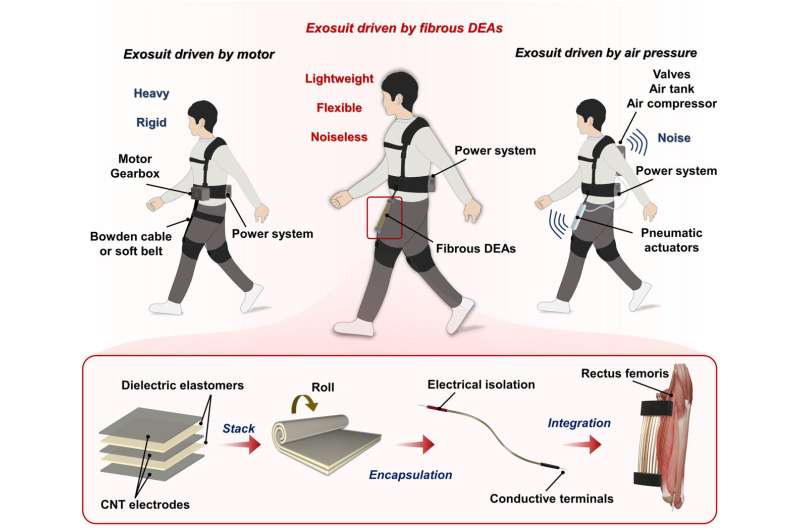 Comparison of actuation strategies for hip exosuits and the design of a fibrous DEA-driven exosuit.Credit: Science Advances (2026).
Soft muscles, on the other hand, are made of thin, flexible rubber fibers that behave more like human muscles and are considerably lighter, making it easier for people to move.
Details of the work are in a paper published in the journal Science Advances.
A molecular breakthrough.
Wei Yu at Hebei University of Technology in Tianjin and his colleagues experimented with a new kind of rubber-like material called a dielectric elastomer that changes shape in response to an electric field.
Previously, artificial muscles made with this material were not strong enough to help power a human leg during walking and were also too short and bulky to fit comfortably.
What the research team did differently was create a new molecular design for the rubber that boosted its strength and allowed it to be rolled into thin, threadlike fibers. They then bundled these together to mimic the structure of real muscle, which consists of tiny individual fibers that work together to increase pulling power.
A better future rather than faster robots: ‘Sustainable Robotics’ as a new academic field.
Professor Sukho Song of the Department of Robotics and Mechatronics Engineering at DGIST has proposed “Sustainability Robotics,” a new academic field that evaluates robots not only in terms of their technical performance but also their contributions to environmental, social and economic sustainability.
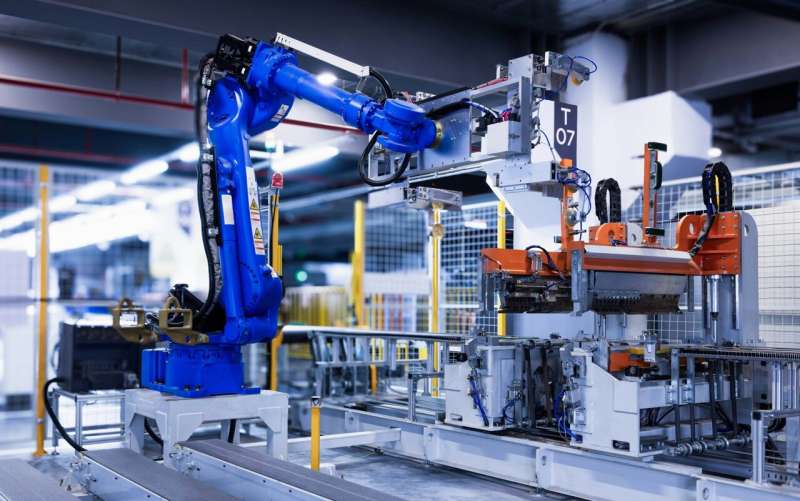 Credit: Unsplash/CC0 Public Domain
The manifesto was published in Nature Machine Intelligence.
While robotics and physical AI are advancing rapidly, environmental and social issues—including climate change, biodiversity loss and resource depletion—are also intensifying. The researchers emphasized that rather than continuing the conventional focus on improving robot performance, the central question going forward should be, “What role should robots play in creating a sustainable future?”
Beyond greener robot design.
Conventional “Green Robotics” has focused on reducing the environmental impact of robots through biodegradable materials, reduced energy consumption and improved recyclability and repairability of components.
In contrast, Sustainability Robotics goes a step further by enabling robots to directly contribute to addressing sustainability challenges in areas such as environmental monitoring, ecosystem restoration, disaster response, health care and critical infrastructure maintenance.
A new robotic hand capable of switching between multiple grippers using a single motor.
For robots to be used in various settings, such as factories, logistics, service industries and households, they must be able to stably handle a diverse range of objects differing in shape, size, weight and rigidity. However, conventional robotic hands often require multiple motors and complex control systems, presenting challenges in terms of weight, cost, failure risk and control difficulties.
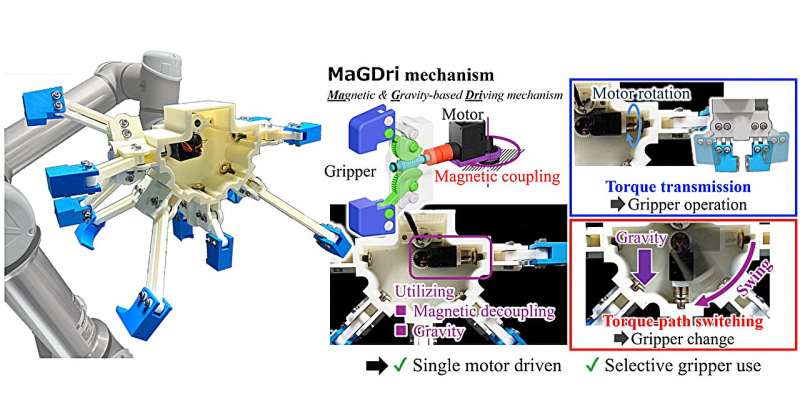 Robotic hand.Credit: T. Nishimura, Kanazawa University
In a new study published in IEEE Robotics and Automation Letters, researchers developed a robotic hand with multiple gripping units (grippers) while using a single motor as the power source. In addition, they established a new principle for robot design through a unique mechanism that uses gravity, generally treated as a disturbance in robotics, as a power source for a robotic hand.
Switching between grippers.
This study was conducted by a team of researchers from the Institute of Science and Engineering at Kanazawa University, with the participation of a graduate student. The team developed a robotic hand equipped with multiple types of grippers that allows switching between them depending on the object to be grasped, using only a single motor.
The team demonstrated that multiple gripping functions could be achieved without additional actuators or complex control by introducing the “MaGDri (Magnetic and Gravity-based Driving) mechanism,” which uses gravity to switch the torque path. Furthermore, experiments using prototypes confirmed that appropriate grippers can be selected to grasp objects of varying shapes and sizes.
Hidden prompts can plant false memories in AI agents, researchers warn. Large language models (LLMs), the computational algorithms underpinning ChatGPT, Gemini and other artificial intelligence (AI)-powered conversational platforms, are now widely used worldwide. These models can rapidly answer questions, source information online, assist users with specific tasks and produce text tailored for specific purposes.
 Stateless LLM agents process each interaction in isolation. LLM agents with persistent memory allow for querying and retrieving saved information.Credit: Torres, Shrestha & Misra.
Over the past few years, computer scientists have introduced a wide range of LLMs, some of which can also complete tasks autonomously and take actions on a user’s behalf, for instance, answering messages, scheduling online appointments or updating programming code. More recently, they have also provided many of these models with memory, as this allows them to tailor responses around a user’s typical preferences or earlier requests without repeatedly receiving the same information.
While memory-enhanced AI agents have notable advantages and could better meet the needs of individual users, they also pose new security risks. Researchers at New Mexico State University recently described a cyberattack that secretly poisons an AI agent’s long-term memory, which they dubbed GhostWriter. Their paper, published on the preprint arXivserver, introduces two promising strategies that could help prevent or limit the risk of this attack without adversely affecting an AI agent’s performance.
A computer in a liquid: Hundreds of oscillating particles compute complex patterns.
Researchers at the Universities of Konstanz and Stuttgart have demonstrated a new approach to computation: a computer made from a few hundred microscopic particles oscillating in a liquid. Instead of processing information through carefully fabricated electronic circuits, their system performs computations by harnessing the complex collective dynamics of interacting particles.
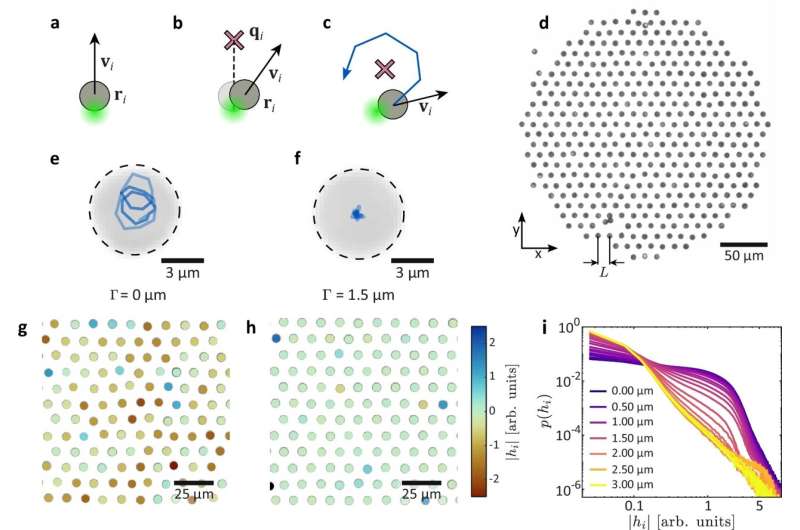 Active colloidal oscillators. Credit: Communications AI & Computing (2026).
Conventional computers rely on vast numbers of simple transistors that switch in precisely controlled ways. Even the artificial neural networks that power large language models consist of many basic units whose connections must be carefully designed and optimized. As tasks grow more complex, this approach demands increasing hardware resources and energy consumption.
Researchers from Konstanz, led by Clemens Bechinger, take a fundamentally different approach: Instead of processing data with digital circuits, they drive arrays of several hundred oscillating microscopic particles with the data as an input signal. These particles are immersed in a liquid, which couples the data-driven motion between individual particles. In this way, the systems respond to input data with complex collective dynamics that are largely influenced by the liquid flows set in motion by the particles. The work is published in the journal Communications AI & Computing.
The complex physical dynamics of the microparticle arrays thus naturally produce complex representations of the input data that—in traditional computers—would require costly operations. “Based on such complex data representations, computation becomes remarkably simple: Selected features of the microparticle dynamics are measured and can then be combined to yield desired outputs,” says first author Veit-Lorenz Heuthe. This approach is known as reservoir computing, and the researchers from Konstanz and Stuttgart were the first to demonstrate this novel computing paradigm in a microscopic many-particle system.
Dutch launch humanoid robot center to ‘kickstart’ race with China. In a squat building on a drab business park just outside Rotterdam, sleek white humanoid robots scuttle around, accompanied by a gray robotic dog performing various canine tricks.
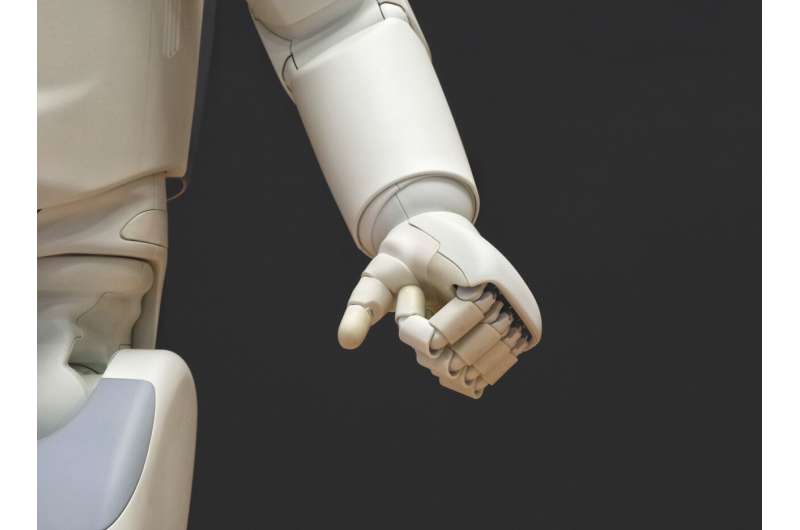 Credit: Unsplash/CC0 Public Domain
Welcome to the Humanoid Application Center: a hub that opened Thursday to bring together firms, researchers and technicians with the aim of closing Europe’s yawning robotics gap with the United States and China.
Humanoid robotics technology is advancing at a breakneck speed, boosted even further by artificial intelligence, said the center’s chief executive officer, Evert Jaap Lugt.
“In five years from now, you will not see the difference anymore between a human being and a robot if you are, let’s say, five meters (16 feet) away from it,” Lugt, 66, told AFP in an interview, as humanoids whizzed around behind him.
Lugt forecast a future where dead loved ones are replaced in the home by humanoid “companion robots” that look and act just like the departed person, but with AI-powered superbrains.
Birdlike robot swims underwater, then flaps into flight without paddling. Loons, gulls, puffins and petrels are some of the 100 species of birds that can both fly and swim. These diving birds can plunge into water to swim after prey, and leap back into the air to fly away.
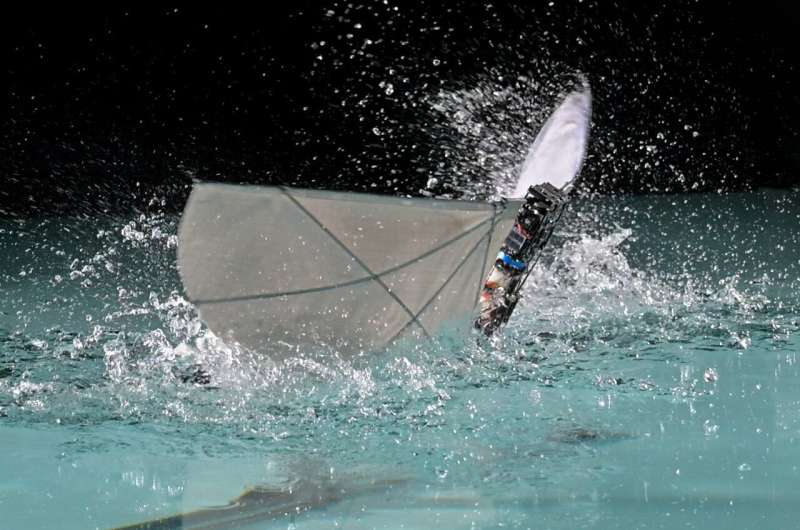 A flapping-wing robot transitions from water to air in the indoor water tank.Credit: Raphael Zufferey
Inspired by these naturally aquatic aviators, engineers at MIT and EPFL in Lausanne, Switzerland, have designed a robot that can swim underwater, then flap out of the water to continue flying through air, much like diving birds.
The “flapping-wing aerial-aquatic vehicle,” or FAAV, weighs less than 300 grams (10.6 ounces) and is designed to help scientists study the mechanics that enable diving birds to fly through air and water.
The robot has a central body, or fuselage; two flexible, flapping wings; and a steerable tail. The wings and tail can be swapped out for different sizes. In experiments carried out in a water tank and at a local lake, the engineers identified combinations of wing size, flapping frequency and tail angle that enable the robot to smoothly transition from swimming through water to breaking through the surface and flying through the air.
Water
………
New methods for removing harmful nitrates from drinking water identified.
Nitrate contamination of drinking water poses a major health concern, particularly in agricultural communities where fertilizers, livestock manure and septic systems can leach nitrates into groundwater. Many rural households rely on private water wells, which may not be routinely tested, leading some to consume contaminated water without realizing it.
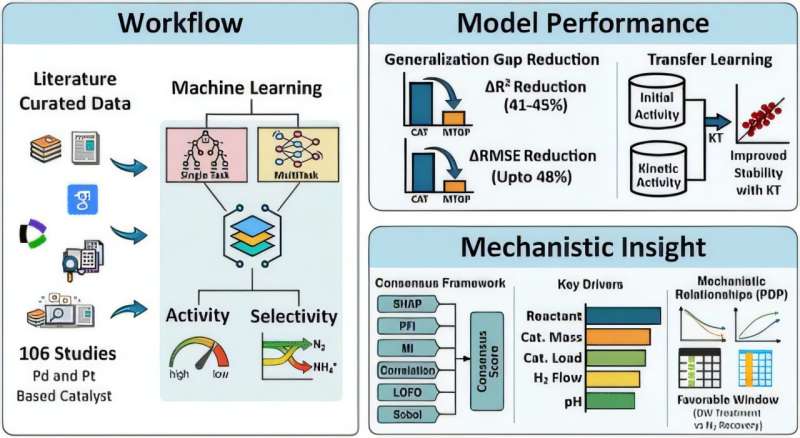 Graphical abstract. Credit: Environmental Science & Technology (2026).
In a promising step toward mitigating this threat, researchers at Stevens Institute of Technology have identified catalysts that offer a novel approach to removing nitrates from drinking water.
The study, “Multitask Learning Reveals Shared Descriptors Governing Activity and Selectivity in Catalytic Nitrate Reduction,” is published in the journal Environmental Science & Technology.
A simple idea to bring clean drinking water to U.S. homes at a lower cost. Stanford engineer Khalid Osman and collaborators are building modeling tools to help water system managers find the most cost-effective option for improving their community’s drinking water.
Water managers must notify consumers when testing reveals violations of U.S. Environmental Protection Agency (EPA) standards under the Safe Drinking Water Act. Not all violations mean the water is unsafe to drink. They range from acute health risks, such as E. coli or high levels of contaminants like lead and copper, to less serious violations, like missing reporting deadlines.
Water system managers typically have two options for improving their systems to prevent further violations: pay for upgrades or combine infrastructure, operations or management with a nearby system that has the resources to address safety issues. Both options can be costly, and weighing the trade-offs can be complex and time-consuming, leaving many communities with no choice but to delay action or do nothing.
Miscellany
………..
Native fine-flavor cacao can match commercial varieties in yield, study finds. A study carried out on smallholder farms in northern Peru shows that Blanco de Piura, a native fine-flavor cacao variety, can achieve productivity levels comparable to those of commercial varieties widely grown across Latin America. The research, led by the Alliance of Bioversity International and CIAT and the University of Göttingen in collaboration with Cooperativa Agraria Norandino, shows that Blanco de Piura—renowned for its exceptional flavor and aroma—can produce an average of 1,200 to 1,500 kilograms of dry beans per hectare. Achieving such high productivity, however, depends on good tree management.
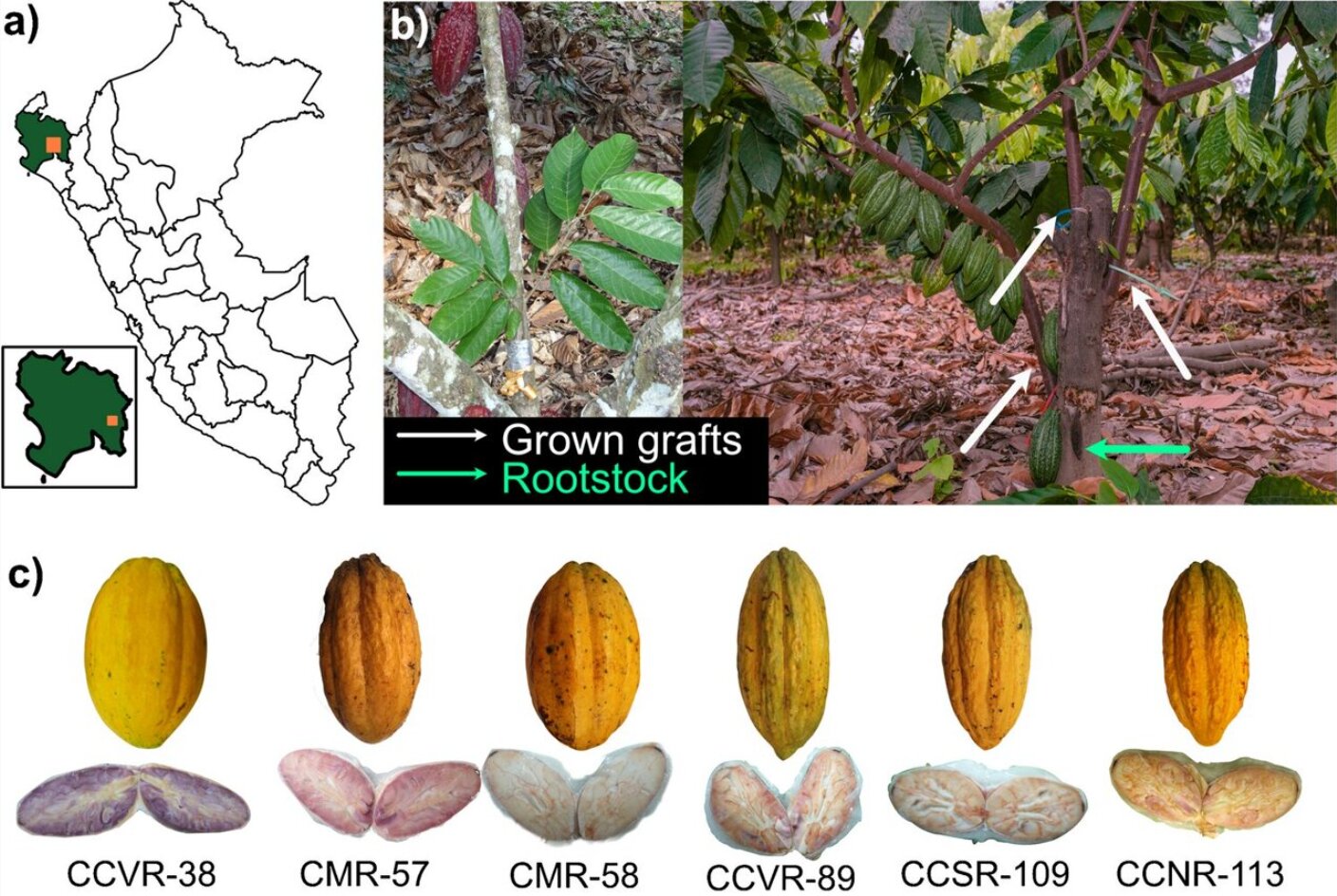 Experimental setting and methodology. Credit: Agronomy for Sustainable Development (2026).
Under smallholder farming conditions, these yields match—and in some cases exceed—those of commercial clones widely cultivated across Latin America, such as CCN-51, which have long dominated the market because of their reputation for high productivity.
Although fine-flavor cacao accounts for about 12% of the global market, 90% of it is produced in Latin America. Buyers pay premium prices for its sensory attributes, yet native fine-flavor cacao has long been regarded as low yielding. The study’s findings show that this is not always the case.
Study explores the hedging capability of cryptocurrencies in turbulent markets. The rapid growth of sustainable finance in recent years has fueled interest in green investment, ranging from green bonds and environmental, social and governance (ESG) funds to energy-efficient cryptocurrencies. While these assets are often grouped under the broader umbrella of green finance, their interaction during periods of market stress remains largely unexplored.
 Credit: Unsplash/CC0 Public Domain
Investors usually prefer ESG funds and green bonds on the assumption that they provide both ethical and financial security. Green cryptocurrencies, which rely on energy-efficient consensus mechanisms such as proof-of-stake and related protocols, have emerged as alternatives to traditional cryptocurrencies, which are known for their high energy consumption. Whether these assets complement one another or amplify risk remains unclear.
A new study, led by Professor Sang Hoon Kang of Pusan National University, examined the interconnectedness between seven green cryptocurrencies and three major green financial benchmarks.
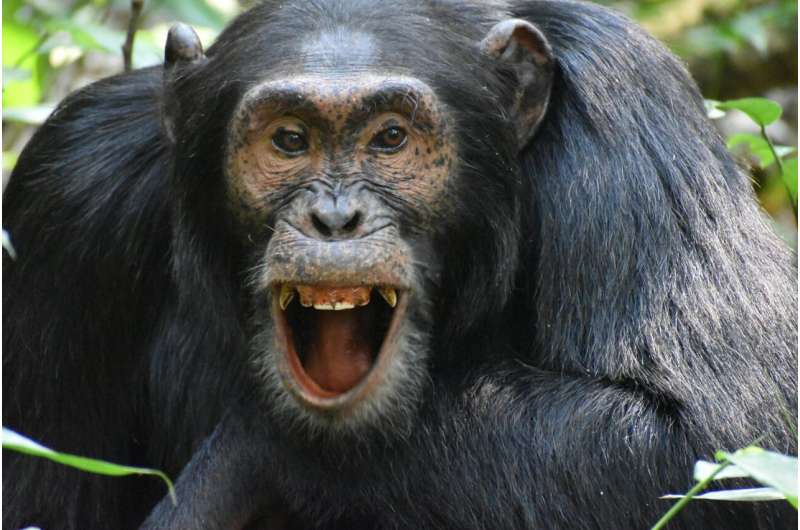
Differences in human and great ape laughter reveal clues to the origin of speech. Humans are not the only animals that communicate. Birds sing to attract mates, dolphins use signature whistles that identify individuals, and many primates produce complex vocalizations that help them coordinate their social lives.
 Credit: Unsplash/CC0 Public Domain
By studying these communication systems, researchers can reconstruct some of the evolutionary steps that eventually led to one of our defining traits: language.
Language doesn’t just mean making sounds—it requires an extraordinary ability to control them. Human speech demands precise coordination between breathing, the vocal folds across the larynx, and our tongue, lips and jaw.
Humans’ closest living relatives—chimpanzees and bonobos—possess vocal tracts that are more similar to ours than scientists once believed. Yet they do not seem to have the same fine voluntary control over the structures—starting with our lips and tongue—that allow us to produce rapid sequences of speech and such diverse sounds.
This raises an intriguing question: When did our ancient ancestors begin to acquire this remarkable vocal control? One possible clue comes from an unexpected source: laughter.
Baby monkey Punch to celebrate first birthday.
Punch, a plush-clutching Japanese baby monkey that has become a global online sensation, will celebrate his first birthday on Sunday as his zoo is flooded with fan letters from around the world.
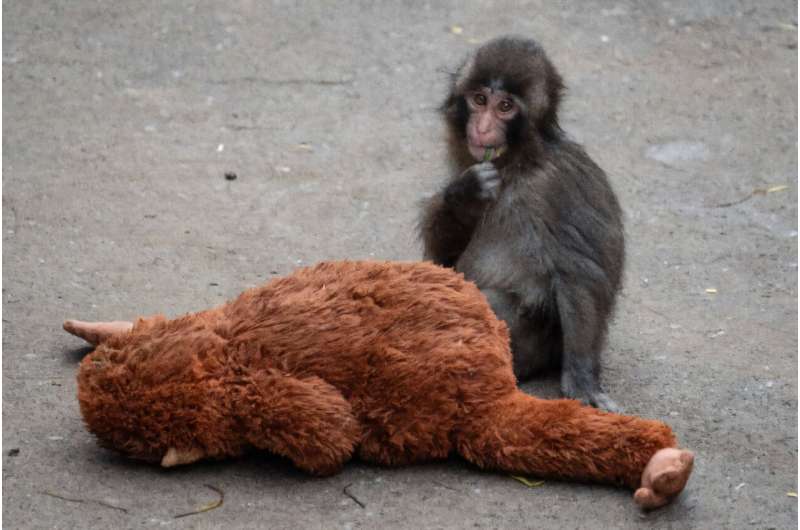 Baby monkey Punch and his plush toy have shot to internet stardom.unknown
Abandoned by his mother and spurned by some peers, the young macaque shot to stardom after he was seen clinging to a plush orangutan toy from IKEA for comfort at Ichikawa City Zoo outside Tokyo.
In February, the zoo started releasing videos on social media about Punch’s clumsy efforts to join his troop, spawning a dedicated fan base under the hashtag #HangInTherePunch.
He is growing well, is in good health and is now playing with others, zoo official Takashi Yasunaga told AFP on Friday.
“He is turning to the orangutan doll less and less. He is communicating with other animals and playing with other baby monkeys,” he said.
“He is building his position as a member of the group.”
Hope everyone has a great weekend. 🙂