
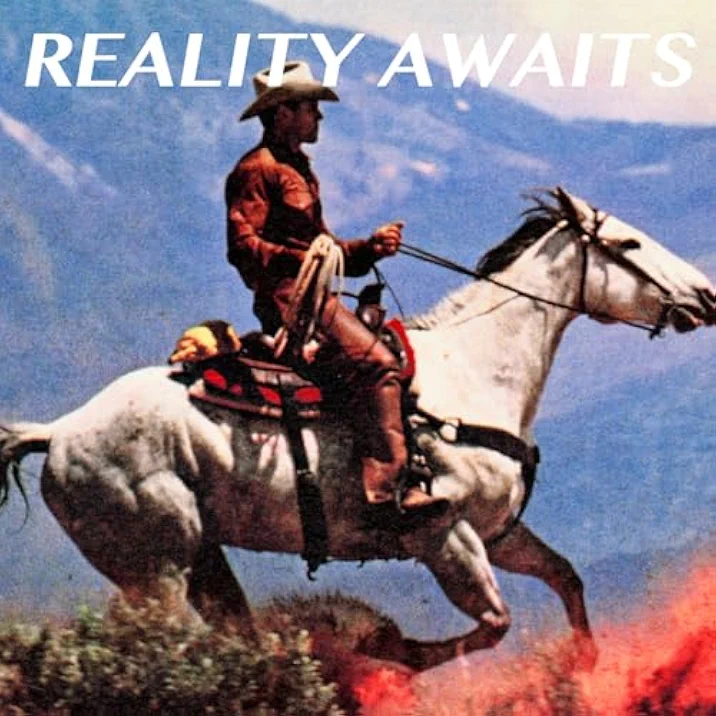
The Strokes have never been a band that played by the rules. Why would they, when they wrote the damn things? If you’ve been in a bunker for the last 25 years, allow me to give you a lightning tour of this now iconic indie rock band’s trajectory. They broke out in 2001 with a gritty, authentic sound that snapped the masses out of a collective trance soundtracked by slick, overdone pop songs and the last gasps of grunge. The world was ravenous for this reawakening, consuming any raw indie guitar band they could find until suddenly there were 1,000 bands with “The” names in every corner of the globe. I know you know them, so there’s no need to go there.
Amid all this success, people always had strong opinions about The Strokes—and only sometimes was it actually about the music. Since the band’s youngest days in early-2000s New York City, the press had more to say about the five members’ family ties, good looks, and the projected ideals of rock music’s return than the art itself—but the joke was ultimately on them because the music happened to be very, very good. Good enough that anyone with ears could easily tune out the clamor of any manufactured spectacle surrounding the band. As someone who lived it firsthand, I can tell you: We didn’t care who went to what elite boarding school or about anyone’s dads once we heard the songs. It simply did not matter.
Following their breakout 2001 album Is This It, The Strokes churned out rocking anthem after rocking anthem (“You Only Live Once,” “Reptilia,” “Juicebox,” the list goes on). They continued to be great, but their place in the zeitgeist that is now labelled the garage rock reprisal has become diluted by the deluge their own success released. Call it the curse of the trendsetter. So many bands have tried to emulate the magic of The Strokes, but none have come close to even kind of pulling it off. Though they have somewhat of a confusing legacy, so much wouldn’t exist without them paving the way.
By the late 2000s, the band’s members were collectively ready for something else. Several formed side projects, finally affording frontman, vocalist, and primary songwriter Julian Casablancas the chance to experiment musically. He released a 2009 solo album and toured it, which later spawned his second “prison jazz” band, The Voidz. This influx of creative energy and renewed sense of purpose made its way onto the polarizing 2013 Strokes album Comedown Machine, which remains criminally underrated to this day.
But then 2020 happened. Long after the mainstream world had written The Strokes off as floppy haired college kids with a few radio hits, they returned with their sixth album, The New Abnormal, and managed to reach a new generation of fans, reanimate drowsy Elder Millennials who had forgotten how to have fun, and win a Grammy all at the same time. It was as if the world finally realized that The Strokes didn’t drown in the flood they created—They weathered it, transcended it, and returned to start a new movement. And now, with their seventh studio album, they are building on it.
Written over the course of several weeks in Costa Rica with the help of famed producer Rick Rubin, Reality Awaits has been plagued by a lifetime’s worth of shenanigans before it was even released. Long-hyped and much-speculated about, this album is in many ways a culmination of The Strokes’ career-spanning trials and tribulations. Coming off the unanimous adoration of The New Abnormal, they had to prove themselves worthy yet again—and the world wasn’t quite ready for a new direction.
Lead single “Going Shopping,” released in early April 2026, expertly paired clever commentary on the inescapable trap of late-stage capitalism and its distractions with infectious melodies and Albert Hammond Jr. and Nick Valensi’s stellar guitar work. Despite its upbeat vibes, stark lines like “The worse reality gets the less you wanna hear about it; Solidarity can be difficult, when you’ve got cool stuff to lose” spoke ominous truth and set the tone for a deeper album to come. But many people couldn’t get past Casablancas’ heavy use of AutoTune and some were ready to dismiss Reality Awaits before it was even released.
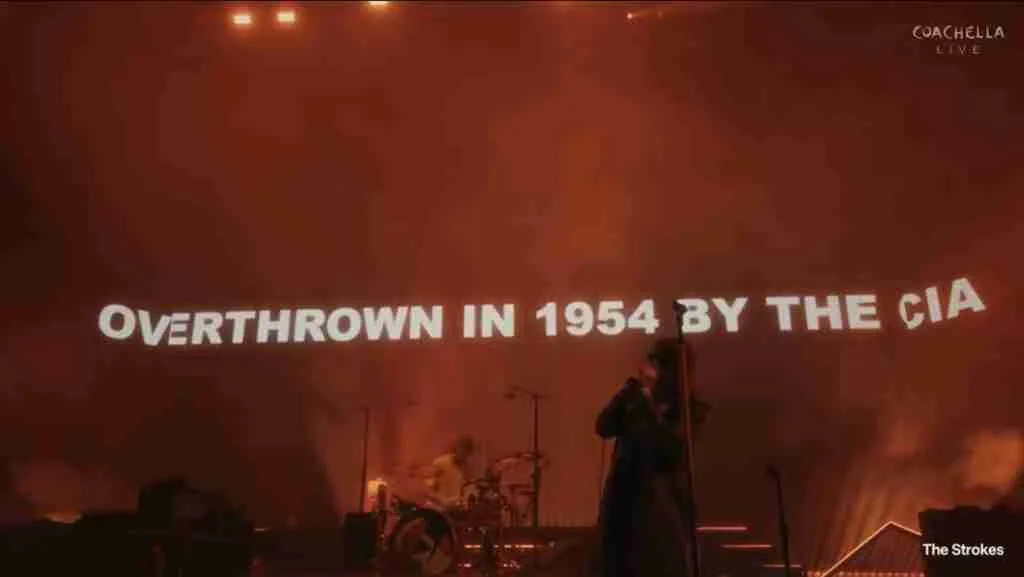
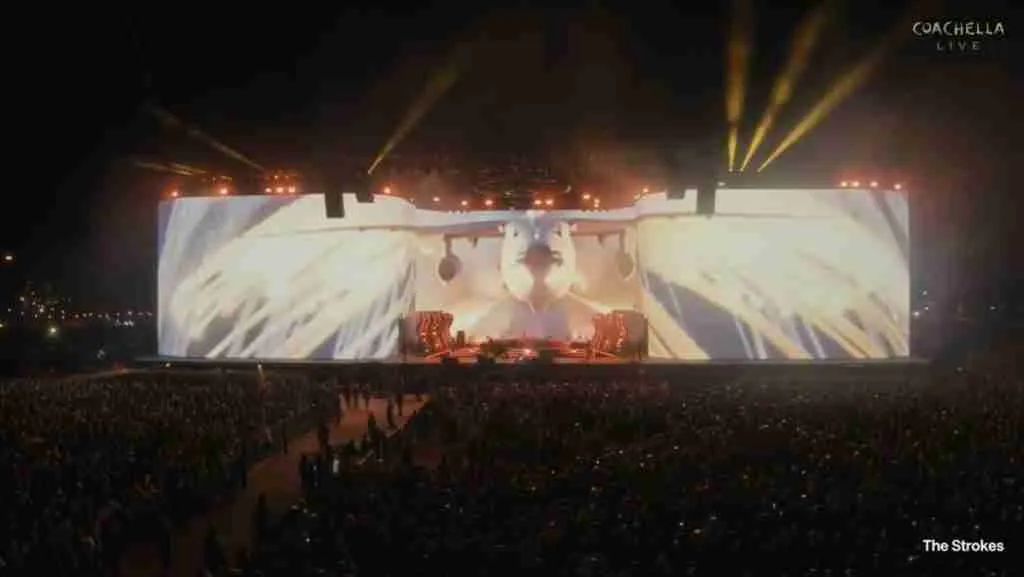
The band then redeemed themselves in the public’s eyes with a bold Coachella Weekend Two finale, in which they called out the CIA, Israeli genocide, and imperialism in general via an astonishing visual display that accompanied “Oblivius”—a deep cut off their 2016 EP Future Present Past. Though The Strokes have never shied away from political critique (their 2006 album First Impressions of Earth makes more than a few jabs about modern society and, hell, their 2001 song “Soma” references the dystopian novel Brave New World), it took the massive stage of a popular music festival to get the world’s attention. Gracing the lineup as what many considered a legacy band among the likes of Justin Bieber and Sabrina Carpenter, The Strokes fearlessly proclaimed that they still have plenty to say in 2026—arguably even more than ever.
May 2026 saw the release of the album’s second single, “Falling Out of Love,” which was received with even more trepidation. Performed for the first time in full on one of the last episodes of The Late Show with Stephen Colbert, it’s a six-minute-and-twenty-one-second emotionally arresting opus of a ballad depicting the end of a relationship and holds the power to make you cry if you let it. Casablancas’ voice seems to battle with the heavy AutoTune, offering moments of devastating rawness among the glossed robotic vocal effects that seem to mirror the song’s bittersweet dissonance. Lines like “I’m in love with a ghost, I’ll be always and never alone” and “dancing in the acid rain alone is new” have a way of haunting you long after the last note fades.
The album’s release was then delayed by several weeks and intense anticipation built among fans as not a single early review surfaced (hence why this one is coming out days after the release date). I made my way to Colorado to watch them play two shows at the iconic Red Rocks Amphitheater, and it was there that I got my first taste of Reality Awaits—The album hit streaming services on July 23 while The Strokes were on stage surrounded by canyon walls, lingering summer thunderstorms, and 9,000 of their biggest fans.
Friends, some things are worth the wait. First heard slowly building and tearing its way into the world through the communal speaker on the party bus back to Denver after the show, opening song “Psycho Shit” terrifies with its uncomfortable intensity as it takes poetic aim at the inhumane cowardice of those currently in power. With lines like “you kill your prey from your nest, from behind a desk, psycho shit” and “we’re all dead, what’s your price, what’s your prize?” it slams down a powerful thesis statement for the mood and themes found on this dark Strokes album.
It’s followed up by the delightfully-danceable-yet-dour “Dine N’Dash,” which explores taking what we can from an oppressive and broken system over Fabrizio Moretti’s skittering drums and Hammond Jr. and Valensi’s shimmery guitars that tease bits of New Order and The Cure here and there. Nikolai Fraiture holds it down with the bass line while Casablancas sings lyrics like “we could never afford it, so we dine and dash.” It perfectly captures the feeling of being a peasant American in 2026, and the catharsis of the facetiously yelled “It’s going great!” could surely become a rallying cry for all of us.
And then comes the catchy-but-cheeky “Lonely in the Future,” in which Casablancas sassily critiques the cyclical nature of trends in the music industry with a few well-aimed roasts. The Weeknd, Harry Styles, and, of course, polarizing music critic Anthony Fantano, all get their own special moments in the song. While the internet is already calling this a diss track and stoking the flames of division, all but one of the call-outs are gentle. After all, he does explain “all good, we all steal, baby” and “help me not lay waste cause it’s not their fault.” As perennial trendsetters, The Strokes know a thing or two about being ahead of the curve, always waiting for everyone else to catch up. Like all true creative geniuses, they are destined to be under-appreciated in their own time only to be widely emulated later (just watch).

Meanwhile, “Going to Babble On” tackles cycles of a more sinister nature with joyful irony. Over an upbeat earworm of a tune that would be at home in an alternate version of the ‘80s, Casablancas bemusedly ponders the distraction tactics, lack of critical thinking, and blind obedience that sweep us away and doom every version of Babylon we create to fall to its own corruption. Rather than asking what’s going on or trying to break the cycle, we’re always just starting again.
With its organ accents and what Casablancas announces as harmonic minors, the despondent “Liar’s Remorse” gets more personal, touching on the dangerous lure of outsourcing our thoughts and emotions to AI, languishing in the status quo, and the struggle to reconcile past and future versions of ourselves as time marches on. Here, the state of the world at large seems to mingle freely with the smaller-scale version an artist experiences as a cog in the relentless machine of the music industry.
Despite sounding a tad like a sexier but more depressed version of The Rolling Stones “Miss You” (this is a compliment, by the way), the discoed out “The Fruits of Conquest” warns of danger and laments that the “damage is done.” The lyrics take several POVs, the one “tryin’ my darndest in the light of the livin’, cryin’, dyin’ gift of life,” a two-sided “they” warring for control and obedience, and, towards the end, a violent overlord entity that devolves from a killer to a beast to a parasitic leech bleeding everything dry (I think we can all read between the lines on this one). Musically, the band is in full force here with excellent guitar flourishes, bass pulses, and even hand drum accents.
Closing the album out, “Tyrants of the Mellow Moon” is a forlorn but oddly comforting song that sounds like something tired cowboys would play while hunkering around a fire after battling robots all day in the end times. It also feels like the earthier, more defeated sister of “Psycho Shit,” with its country-tinged vibes and moon references. “That’s all I got, I let this song play out,” Casablancas sings, “But at the end, must let all songs die.” As the album draws to its end, we’re left with the image of a red-eyed black bird flying in a chrome sky and dissolving notes of unresolved dissonance. Reality awaits, and there’s a heavily implied ellipsis accounting for everything that could mean.
As you can see, there’s a lot packed into these nine songs. While it’s sure to evoke an immediate reaction of some kind in any listener, the meanings and nuance of Reality Awaits only reveal themselves properly with repeat listens. The artistic decisions—however confounding to the uninitiated—are intentional, and work well with the themes of the album if you let them. Despair, frustration, and anger about the state of the world’s rigged and divisive politics, runaway consumerism, and technological entrapment mingle with personal struggles of ending relationships, aging and evolving, and grappling with what comes next for any of us.
It’s an album meant to be fully absorbed and digested slowly. Get some good headphones, really stew in the juices, and take a moment to appreciate this rare work of art created by some of the most talented flesh and blood humans in the game. Rather than turning a blind eye to the corrupt goings-on, The Strokes are bravely willing to go there in 2026—and there couldn’t be a better time for these seasoned trailblazers to cut us a new path forward.

Reality Awaits is out now on RCA/Cult Records. Buy the album here, and stream it here if you just want to dip the tip. You can also keep up with the band on their Instagram.