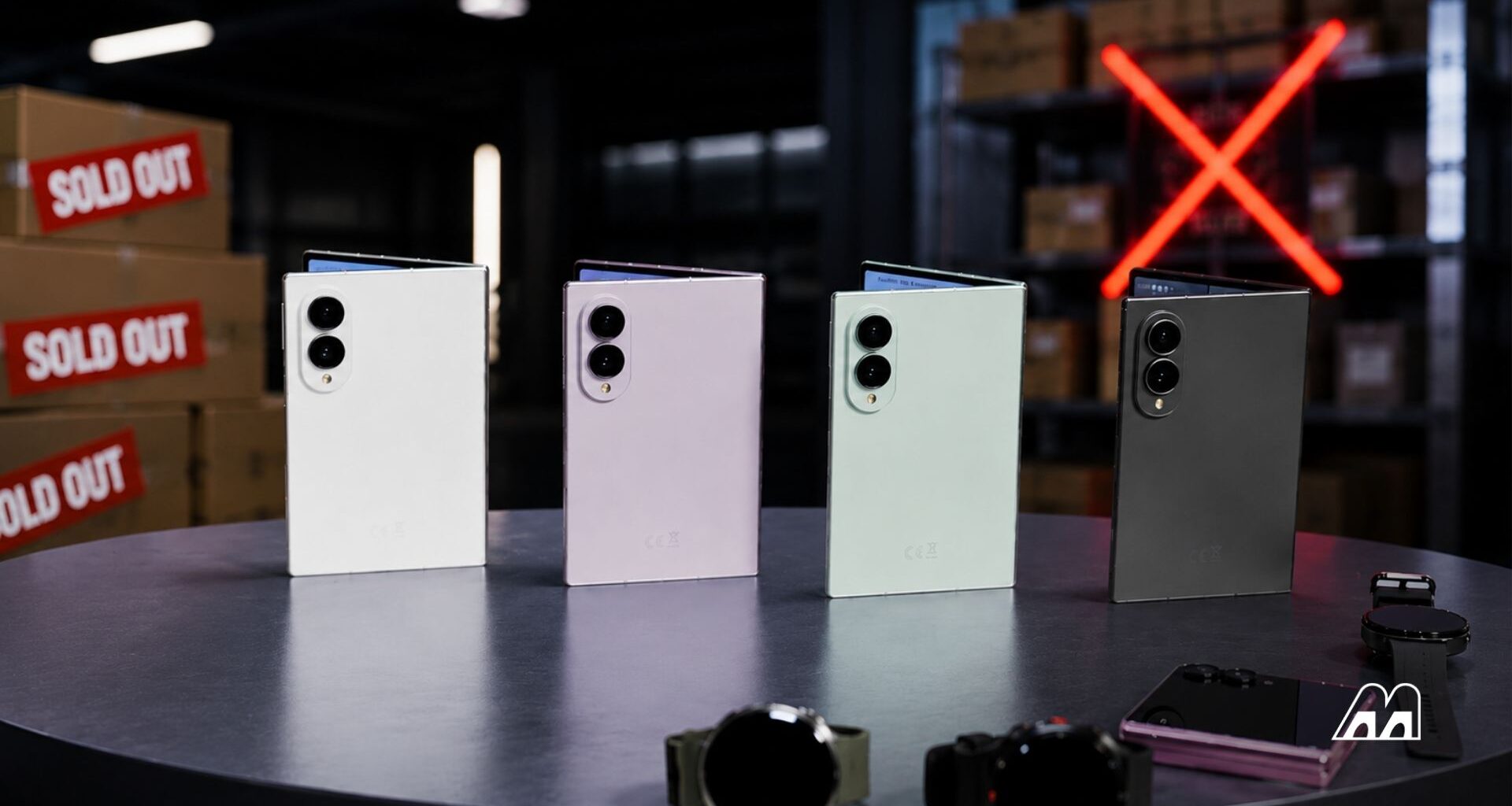
Samsung’s Galaxy Z Fold 8 sold out across all colors and storage tiers in South Korea before a single unit shipped. Pre-orders are running roughly three times higher than last year’s Z Fold 7, and Samsung is now scrambling to boost production. Here’s what’s behind the surge — and why it matters as the industry heads into the biggest foldable fight it’s ever seen.
Samsung Broke Its Own Playbook
The numbers alone are striking, but the backstory is what caught our attention. According to Korean outlet BusinessPost, Samsung contacted its ultra-thin glass (UTG) suppliers — Dowoo Insys and Econy — mid-pre-order to request an emergency production increase. That’s never happened before. Samsung typically waits until a pre-order window closes before adjusting output. Asking suppliers to accelerate during the window signals demand the company genuinely didn’t forecast.
Pre-order inventory for the Fold 8 is now short across all storage variants and colors in Samsung’s home market. Customers ordering today face delivery dates pushed back to August 28 or later, instead of the planned August 7 launch. In the U.S., Samsung’s online store already shows delays stretching into October for certain configurations — including the web-exclusive Pistachio finish, which temporarily disappeared from checkout entirely.
A Foldable Outselling the Galaxy S Series? That’s New.
Here’s the part that really stands out. Samsung leaker @TheGalox_ posted on X that the Z Fold 8 lineup is on pace to match or surpass the Galaxy S26’s pre-order numbers — Samsung’s own flagship slab phone.
That’s unprecedented. For seven generations, Samsung’s foldables have been a niche complement to the Galaxy S lineup, not a competitor. If these numbers hold, 2026 marks the first year a foldable phone line outperforms Samsung’s own traditional flagship in early demand. Reliable Samsung leaker Ice Universe backed up the claim with official figures from Samsung India: 271,000 pre-orders across the Fold 8, Fold 8 Ultra, and Flip 8 in just 72 hours — the same volume last year’s lineup needed a full 15 days to reach.
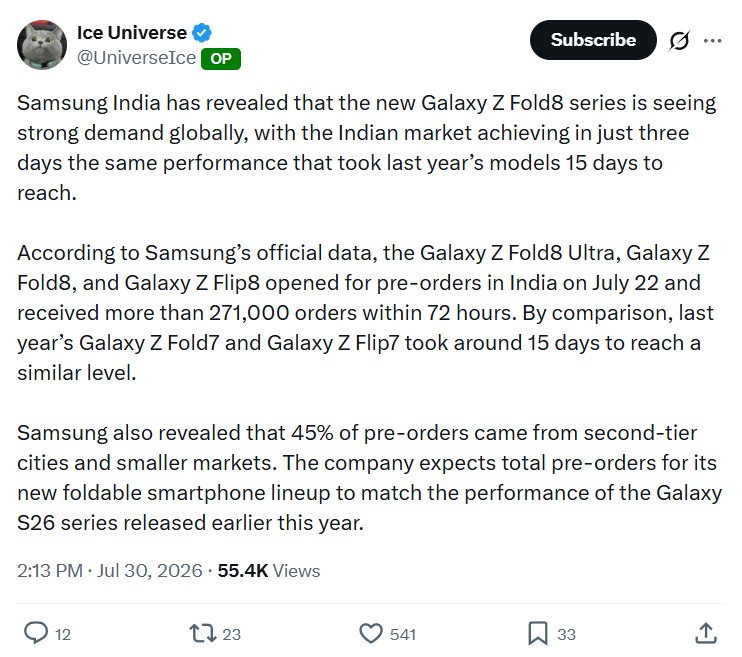
Notably, 45% of those orders came from tier-2 cities and smaller markets — evidence that the customer base is expanding well beyond early adopters.
The “Passport” Design Bet Paid Off
So why the explosion? We think it comes down to one decision: the redesign.
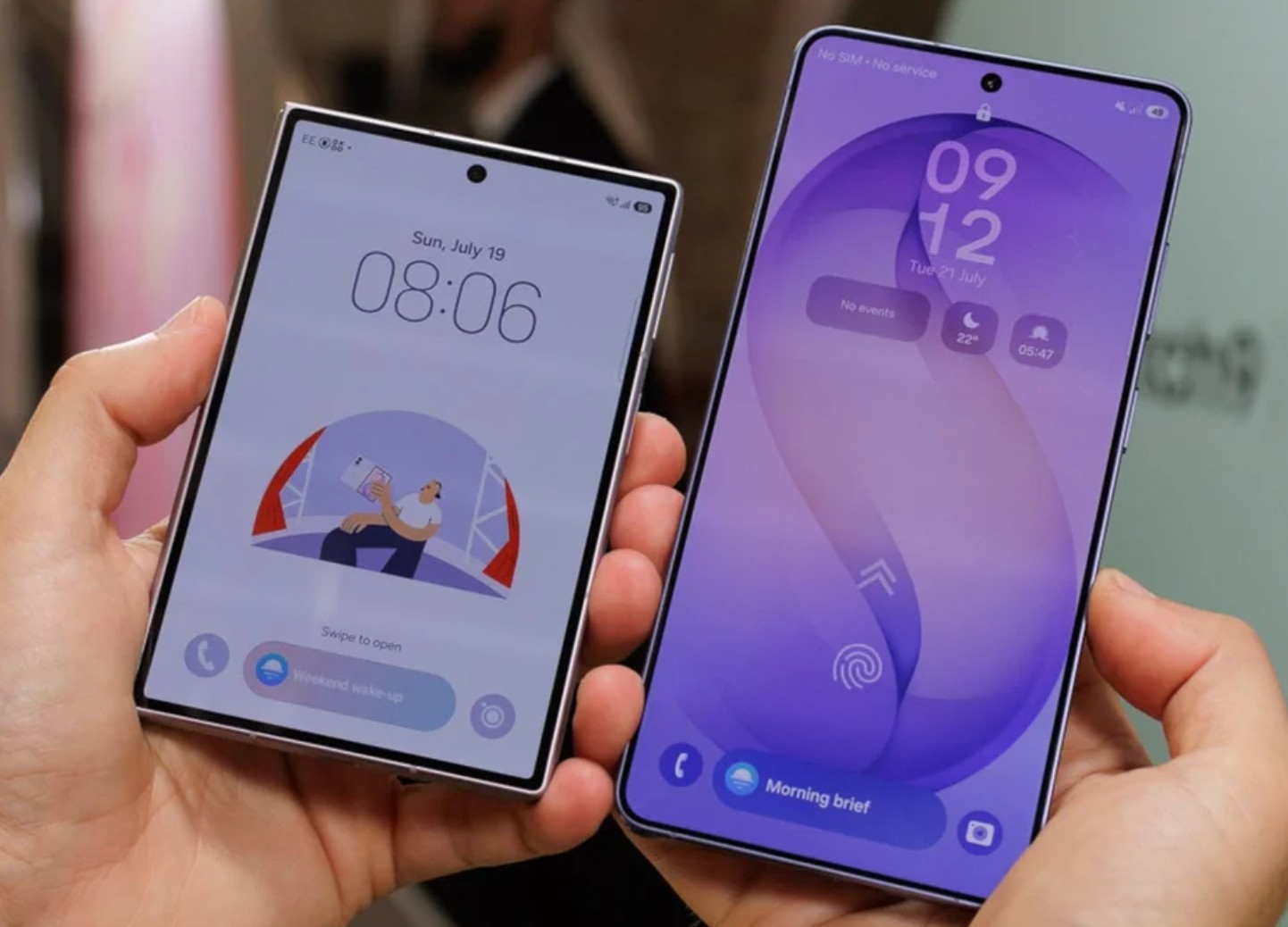
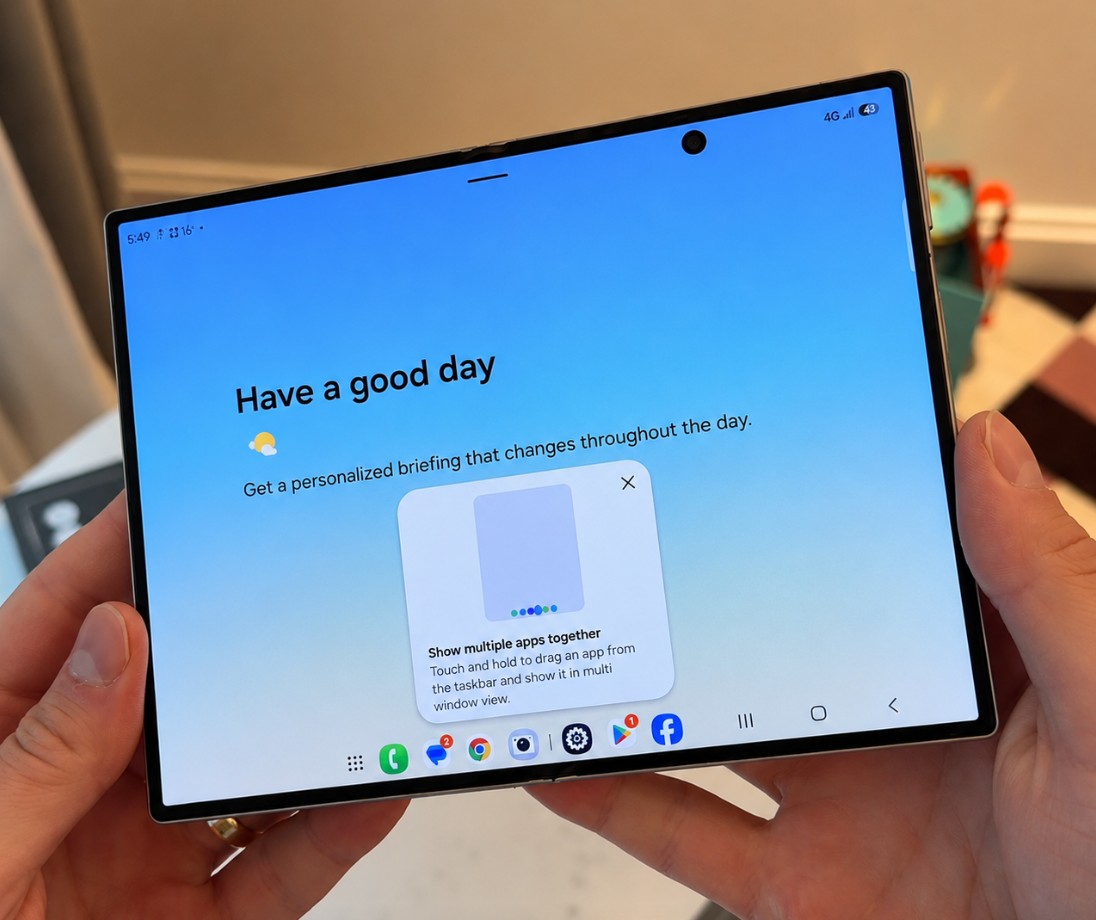
Samsung split its Fold line for the first time in 2026. The Galaxy Z Fold 8 Ultra retains last year’s tall, narrow form factor — it’s the direct successor to the Fold 7, built for productivity and multitasking. The standard Galaxy Z Fold 8, however, is an entirely different shape: shorter, wider, and designed around the way most people actually use a phone — scrolling, watching videos, texting. Reviewers have compared it to a passport, and the 4:3 aspect ratio makes the inner display feel closer to a small tablet than a stretched-out phone.
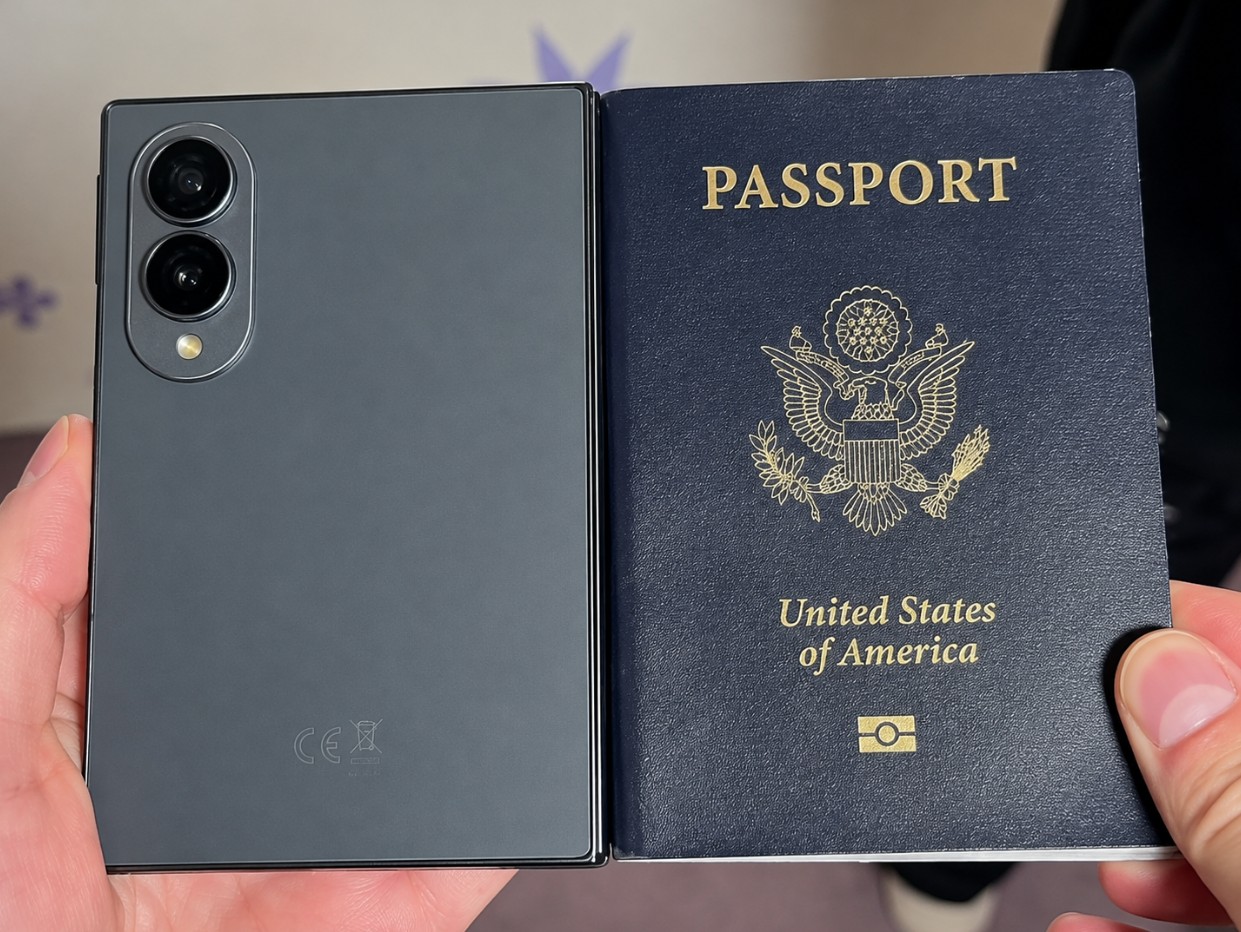
At 201 grams, it’s Samsung’s lightest book-style foldable ever. The hinge springs open rather than holding at fixed angles, and an anti-reflective display coating — a first for the Fold line — fixes one of the longest-running complaints about foldable screens. The full comparison between the Fold 8 and Fold 8 Ultra breaks down which version fits which type of buyer.
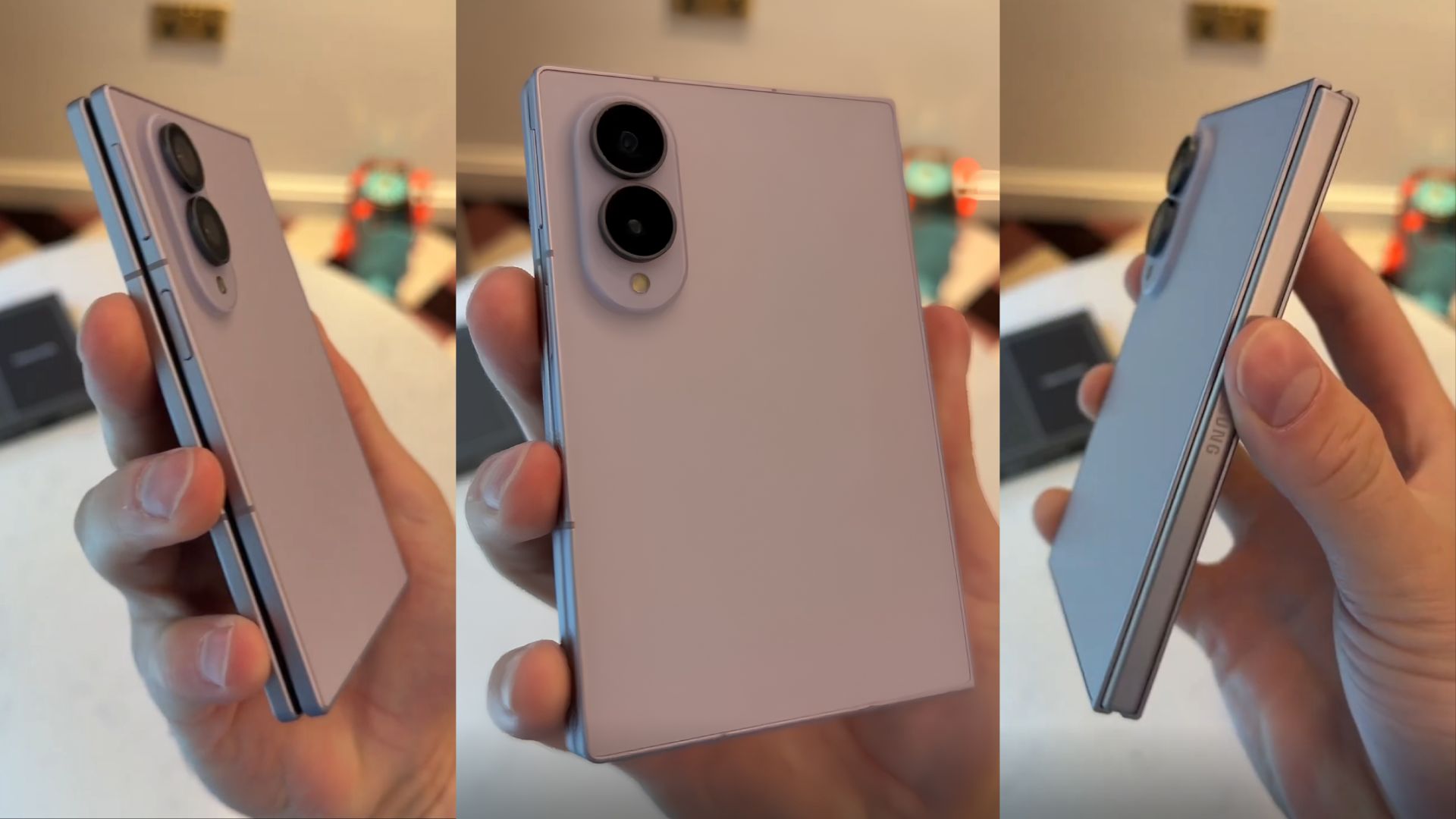
The wider design isn’t random. Apple’s first foldable iPhone — widely expected as the “iPhone Ultra” — is coming in September with a similar wide, squat form factor. Samsung essentially built the Z Fold 8 as a preemptive counter, launching two months before Apple can respond. Counterpoint Research expects the foldable market to grow 21% this year, with Apple projected to capture 25% of foldable shipments in its debut year alone. Samsung’s share would drop from 40% to 32%.
Samsung isn’t just selling phones — it’s trying to lock in buyers before the most anticipated foldable launch in history.
The Cost of Success
Strong demand sounds like a pure win, but there’s tension underneath. Samsung’s MX (mobile) division posted an operating loss in the first half of 2026, not because phones aren’t selling, but because memory chip and processor costs spiked. Memory and storage now represent more than 30% of material costs in premium smartphones.
Aggressive pre-order incentives — like the double-storage upgrade offered in South Korea — eat into margins further. Samsung’s mobile chief TM Roh told the press in London that the company would hold prices steady by optimizing supply chains. As we covered during Galaxy Unpacked 2026, Samsung is betting that foldable volume will eventually offset the cost pressure. Qualcomm’s plan to raise processor prices starting September only adds to the squeeze.
What Happens Next
Pre-orders close in South Korea today. Global retail availability begins August 7, though most popular configurations won’t arrive until mid-August at the earliest, and some not until October.
The bigger question is whether this momentum survives Apple’s entrance. When Samsung previewed its full 2026 lineup — foldables, Galaxy Glasses, smartwatches — the Fold line was always the anchor. Apple’s foldable iPhone, expected in September, is projected to sell 7 to 10 million units in its first window.
Samsung has a two-month head start. Whether that lead survives the fall remains the defining question of 2026’s smartphone race.
FAQsHow does the Galaxy Z Fold 8’s “passport” design differ from the Fold 7?
The Fold 8 is shorter and wider with a 4:3 aspect ratio, while the Fold 7 was tall and narrow. At 201g, it’s Samsung’s lightest book-style foldable. The wider cover display feels closer to a standard smartphone when closed. The Galaxy Z Flip 8 also got a redesigned hinge this generation.
When will Apple release its first foldable iPhone?
Apple is expected to announce its foldable — likely branded the “iPhone Ultra” — at its September 2026 event, with availability in October or November. It will feature a 7.8-inch inner display and a book-style design similar to the Fold 8’s wider format. Samsung’s Fold 8 Ultra ships two months earlier.
Is the Galaxy Z Flip 8 also selling well?
Yes. In India, the Flip 8 contributed to the 271,000 combined pre-orders in 72 hours. However, delivery dates have slipped to mid-August depending on color choice. Reports suggest this could be Samsung’s final flip phone as the company shifts focus toward book-style foldables.
How big will the foldable phone market be in 2026?
Counterpoint Research forecasts 21% year-over-year growth, with global shipments expected to reach 24–25 million units. Samsung should hold 32% market share, down from 40% in 2025, as Apple enters with a projected 25% share. The Samsung Galaxy Unpacked 2026 event previewed Samsung’s full competitive response.
What is Flex Titanium and does it improve foldable durability?
Flex Titanium is Samsung’s proprietary titanium-alloy film that’s 20x stiffer than the polymer previously used on foldable screens. It debuted across all three 2026 foldables and aims to reduce screen damage from pressure and daily use. Our coverage of what launched at Galaxy Unpacked explains how the material fits into Samsung’s broader durability strategy.
Vincee Cole is a technology journalist with four years of experience covering the full spectrum of modern tech — from consumer devices, artificial intelligence, to quantum computing, blockchain, and digital assets. His reporting cuts through complexity to deliver stories that are sharp, grounded, and relevant to both general readers and industry insiders. Previously, he worked with fintech research teams across Southeast Asia, analysing how emerging technologies are reshaping financial systems at scale.