
Source: Tom Mes, Midnight Eye, interview with Hayao Miyazaki, January 2002.
We never know where the story will go, but we just keep working on the film as it develops. It’s a dangerous way to make an animated film, and I would like it to be different, but unfortunately, that’s the way I work
Hayao Miyazaki
Hayao Miyazaki has made some of the most beautifully constructed animated films of the 80s and, well, ever put on screen, so you’d probably expect him to have every detail mapped out before the first frame is drawn. Apparently not.
In a 2002 interview with Midnight Eye, Miyazaki explained that he often starts making a film without having the whole story worked out. Instead, the story develops as he draws the storyboards, with production beginning while those storyboards are still taking shape. I’ve rejigged the quote around in this article’s header, but he says, “We never know where the story will go,” and adds, “but we just keep working on the film as it develops.”
That’s a surprisingly reassuring thing to hear from someone whose films can feel so meticulously planned and executed. From the best anime films like Spirited Away and Princess Mononoke to my favourite, My Neighbour Totoro, these are the sort of films where you can spend hours picking apart the details and wondering how Miyazaki could possibly have known exactly where everything was going. It turns out, he didn’t, and that’s refreshing to hear for anyone who’s sat down and stared at a blank canvas wondering where to begin, or even where it’s going.

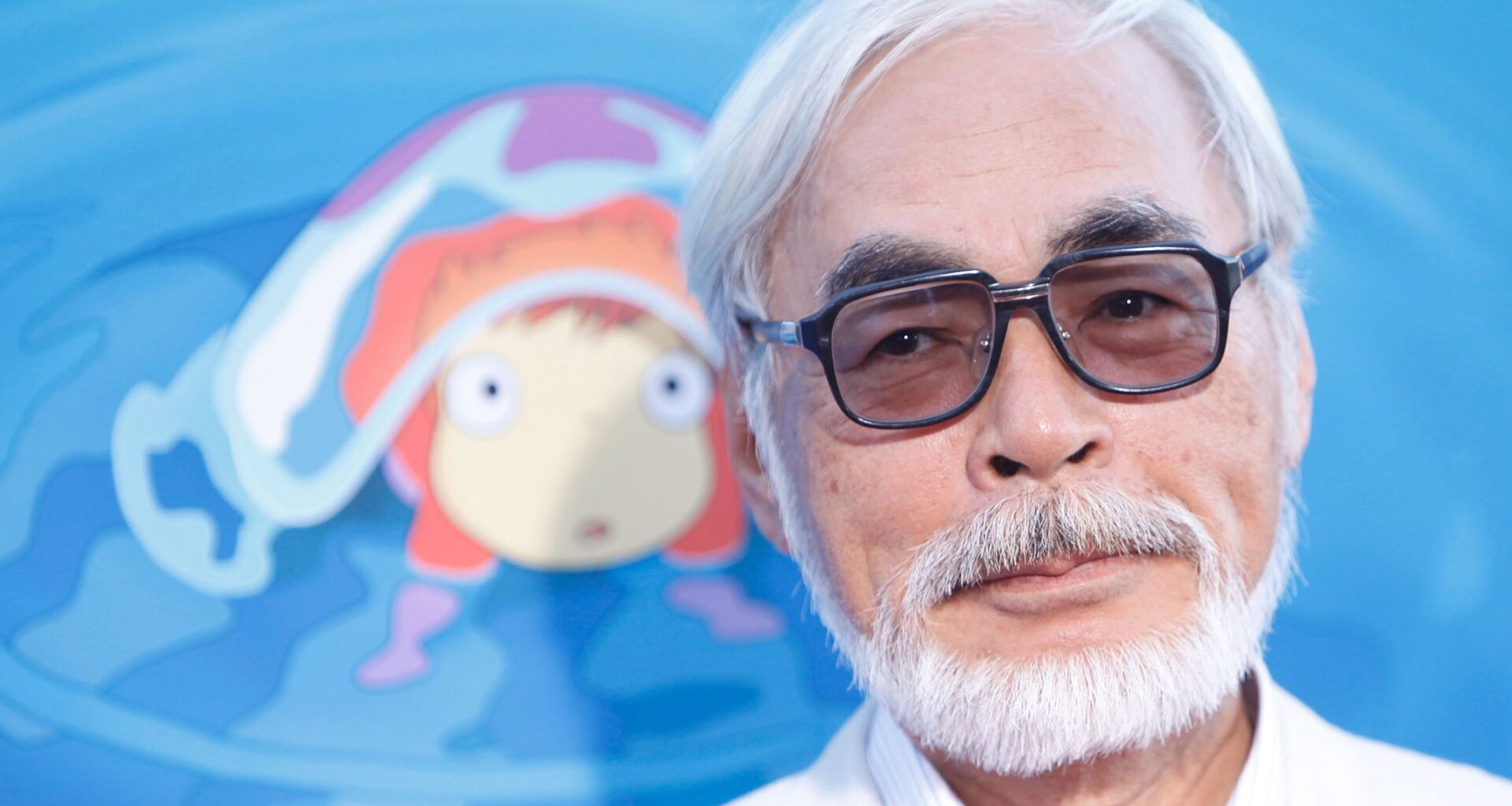
Hayao Miyazaki would begin drawing and painting storyboards before knowing where the film is heading. (Image credit: Getty Images / Zhe Ji )
Miyazaki actually describes this way of working as “dangerous”, and admits he’d prefer it to be different, but it’s how he makes films. The story grows alongside the drawings, rather than the drawings simply being used to execute a finished script.
You may like
That’s probably something a lot of artists need to hear because it’s very easy to look at a finished illustration, animation, game or film and imagine that the person who made it knew exactly what they were doing from the start. They probably didn’t. They started somewhere, made some decisions, changed their minds, followed an idea that seemed interesting, threw some things away and kept going until the art began to take shape.
That’s particularly easy to forget when you’re working digitally, where there’s always another layer to add, another reference to find and another opportunity to convince yourself that you should have figured the whole thing out before you started. Miyazaki didn’t have the whole story finished. He just started drawing, and sometimes that’s enough, because getting started can be the most frustrating part of any new project.
Read the full Midnight Eye interview with Hayao Miyazaki for more.
Our pick of the best Hayao Miyazaki art books:
Simon & Schuster
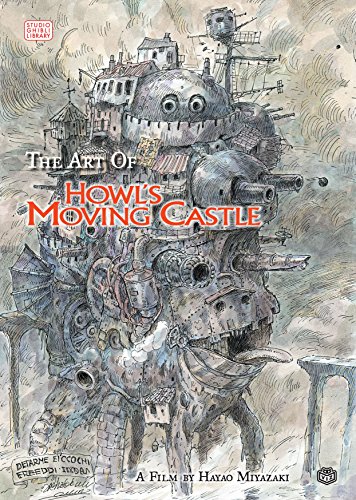
The Art of Howl’s Moving Castle
Access Consciousness Publishing Company
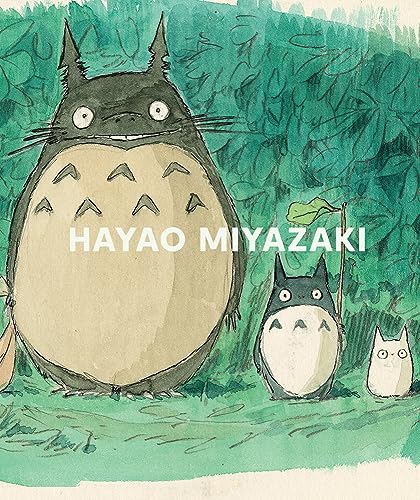
Hayao Miyazaki
Simon & Schuster
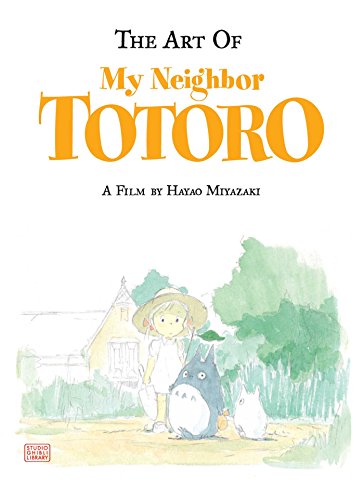
The Art of My Neighbor Totoro: a Film by Hayao Miyazaki
Simon & Schuster
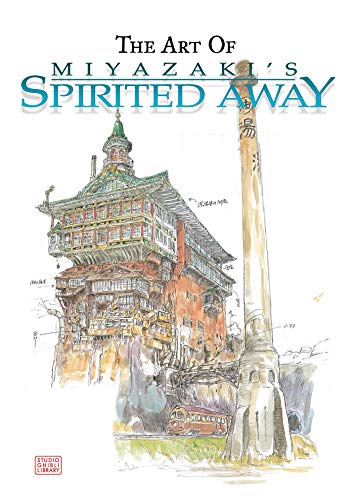
The Art of Spirited Away
Simon & Schuster
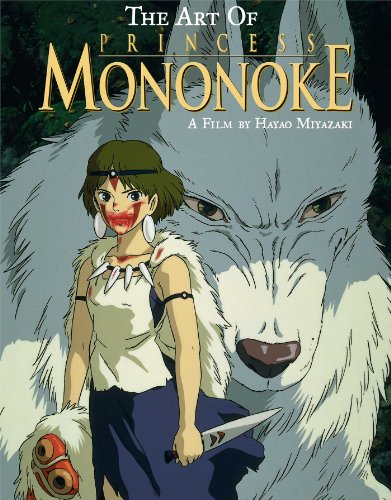
The Art of Princess Mononoke
Viz Media
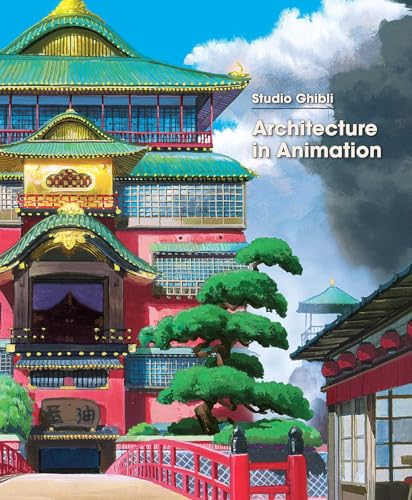
Studio Ghibli: Architecture in Animation
徳間書店
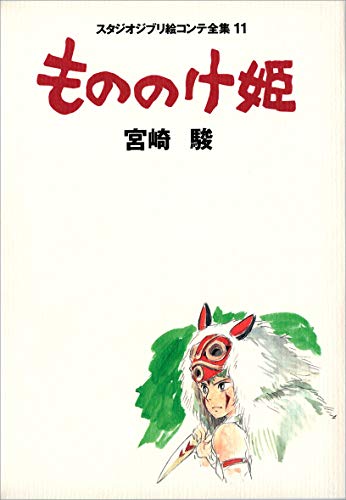
Studio Ghibli Storyboards 11 Princess Mononoke Art Book
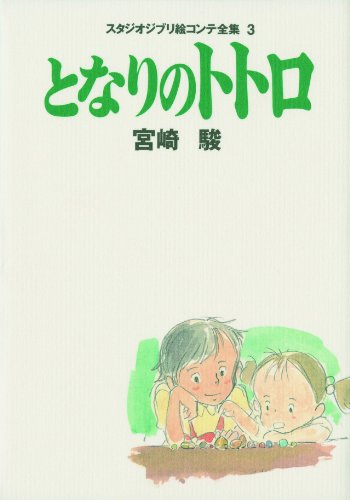
徳間書店
My Neighbor Totoro (studio Ghibli Storyboard Collection, Volume 3)
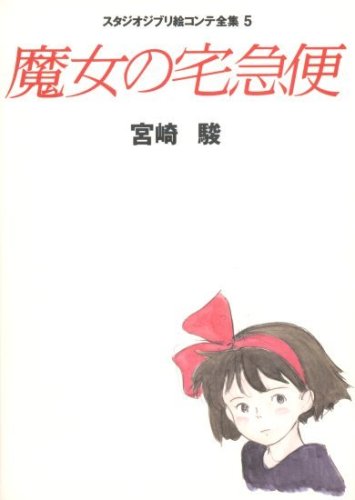
Studio Ghibli Storyboards Volume 05: Kiki’s Delivery Service