
A thousand solar roofs per week. That was the pace Elon Musk predicted Tesla would install its electricity-generating roof tiles in 2020, more than three years after he unveiled the product to great fanfare on the set of the TV show Desperate Housewives.
That estimate fell flat. Tesla managed to install a total of just 3,000 solar roofs in the U.S. by the end of 2022 and now appears to be scrapping the product altogether, Electrek reports. As of Monday, the solar roof was no longer featured among the home energy products on Tesla’s website. Tesla did not return requests for comment.
The official demise of Tesla’s supposedly transformative solar roof comes as the company is back in the news for a fresh round of eye-popping claims about its solar ambitions. In July, Tesla indicated interest in building a $10.1 billion solar cell factory in Texas. Earlier this year, Musk declared that Tesla will work with SpaceX to manufacture 100 gigawatts of integrated solar panels — meaning each major step of the supply chain. That’s far more than the entire country makes or installs annually.
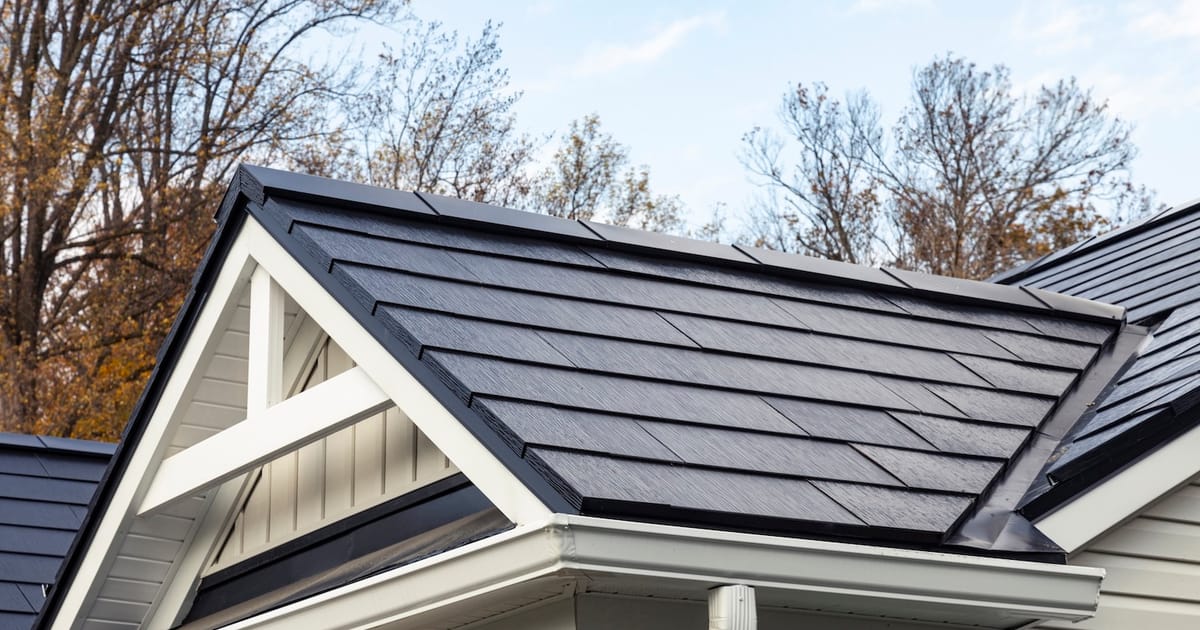
When Musk unveiled the solar roof, he was pitching Tesla investors to acquire rooftop solar leader SolarCity, of which he was the largest shareholder. By combining the talents of those two companies, he argued, they could build a new kind of solar product to disrupt the two-step process of installing roofs and putting solar panels on top of them. The roof itself would contain the photovoltaic capability, while looking like high-end slate or tile.
As generally happens in the solar market, the specialty product underperformed mass-produced conventional panels. Tesla’s solar roofs were far more expensive. They took longer than expected to install. In some cases, they warped or underproduced their nameplate capacity.
Tesla’s solar roof didn’t even crack 0.03% of the roofing market in 2022, and amounted to just 0.17% of the residential solar capacity installed that year, according to a 2023 report by data firm Wood Mackenzie.
The product did, however, help secure Tesla shareholders’ approval of the SolarCity acquisition, which converted Musk’s shares in that startup into Tesla stock. The rooftop solar business quietly declined from there, and Tesla’s solar performance never matched the company’s market-leading achievements in electric vehicles and battery storage.
Tesla was not alone in the solar roof space. GAF, a major roofing company, launched its own nailable solar shingles in 2022. In March 2024, it opened a second factory, bringing its total capacity to 300 megawatts, making it the “largest producer of solar roofing in the world,” per a press release. But last December, “in light of ongoing changes in the solar industry,” GAF’s energy division shuttered its San Jose, California, headquarters, laid off 138 employees, and moved all operations to Texas.
Tesla’s recent solar moves are fundamentally more modest than its once-grand plans for the solar roof.