
Two teenagers are in hospital with meningitis and a further 50 people have been offered treatment and health advice to try to contain the outbreak.
The UK Health Security Agency (UKHSA) is working to identify all of those who may have been in contact with the infected pair after it confirmed two cases of meningitis B in Suffolk.
The teenagers, who are from Framlingham, are said to be recovering well from the virus which causes symptoms including vomiting, fever and headache.
People who have been in contact with the teenagers have been offered antibiotics as a precautionary measure and given information on the signs and symptoms to recognise the disease.
The UKHSA said the risk to the wider public remained low, but warned those with the virus could become seriously ill in a matter of hours.
Dr Smita Kapadia, from UKHSA, said: “We continue to work closely with partners to identify close contacts of the cases and offer treatment and advice.
“It is really important to be aware of the signs and symptoms of this disease as prompt treatment is the key to prevent the infection getting worse and spreading to others.”
What are the symptoms of meningitis B?
The NHS website lists a number of symptoms of meningitis B – and recommends going to going to your nearest A&E or calling 999 if you experience them.
a rash that does not fade when pressed with a glass
sudden onset of high fever
severe and worsening headache
stiff neck, joint and muscle pain
vomiting and diarrhoea
dislike of bright lights
very cold hands and feet
seizures, confusion or delirium
extreme sleepiness or difficulty waking
Anyone can get meningitis, but it is most common in babies, young children, teenagers, and young adults. Around 300 to 400 cases of meningococcal disease are diagnosed in England every year.
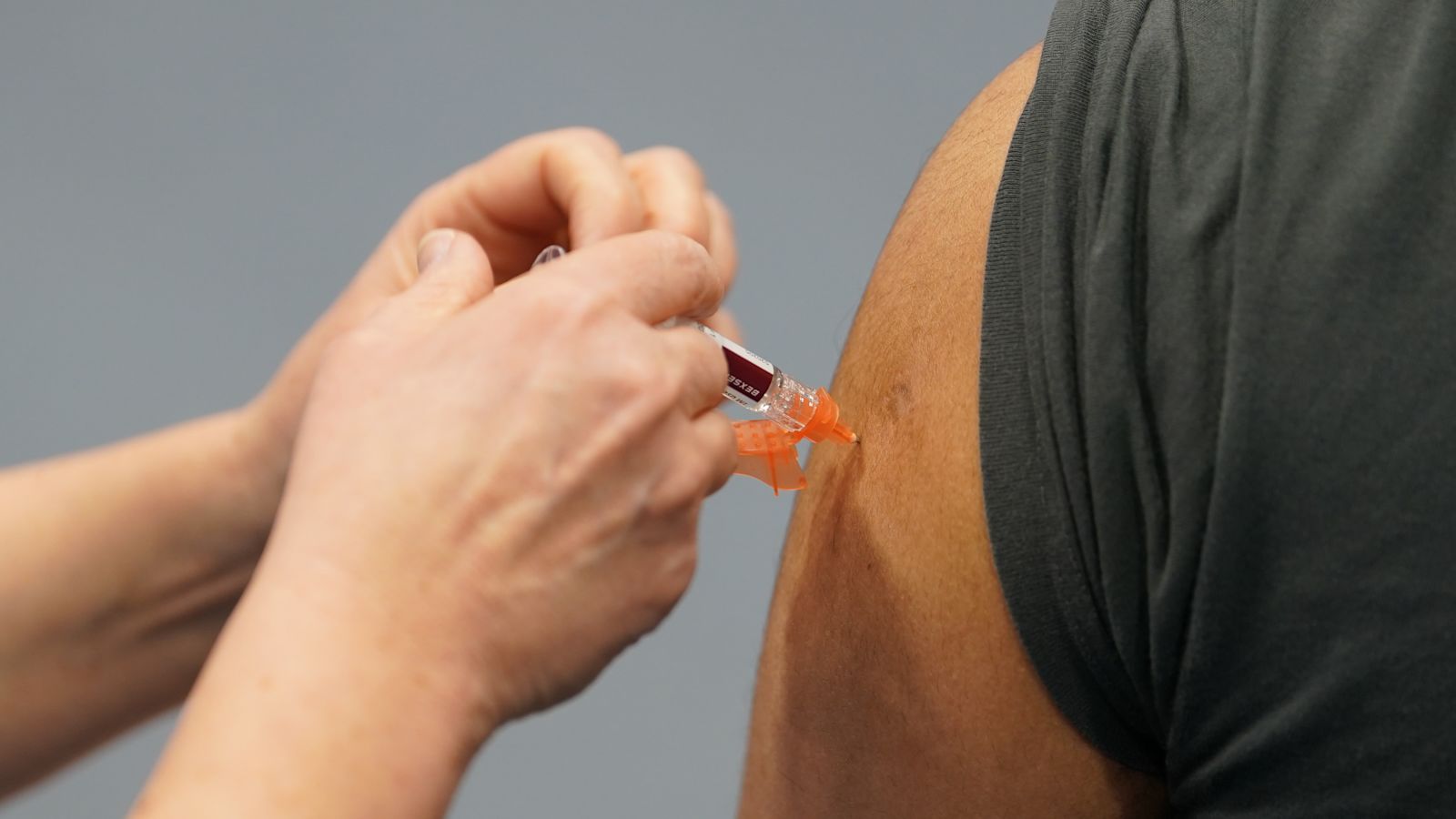
A time-limited meningitis B vaccine offer was announced in June this year in response to recent meningitis outbreaks while a full review of the evidence by the Joint Committee on Vaccination and Immunisation (JCVI) is underway.
The vaccine is available for those starting university as undergraduates or moving into residential further education settings for the first time this autumn 2026.
Dr Kapadia added: “The best advice remains to be aware of meningitis symptoms and for young people to check that they are up-to-date with their vaccinations, including the MenACWY vaccine which is offered in school years 9 and 10 but remains free on the NHS until the age of 25.
“The MenACWY vaccine does not protect against all strains such as MenB, which can circulate among young adults, however a time-limited offer of the MenB vaccine is available to young people starting university or residential further education settings this year.”
Want a quick and expert briefing on the biggest news stories? Listen to our latest podcasts to find out What You Need To know…