
PHOENIX (AZFamily) — Maricopa County health officials last week confirmed another case of measles, bringing the county’s total to 28 cases this year — the highest count recorded in the area in three decades.
The Maricopa County Department of Public Health on Thursday announced the latest exposure risk stems from a Walgreens near Via Linda and Frank Lloyd Wright Boulevard in Scottsdale. Officials said an infected individual visited the pharmacy earlier this month.
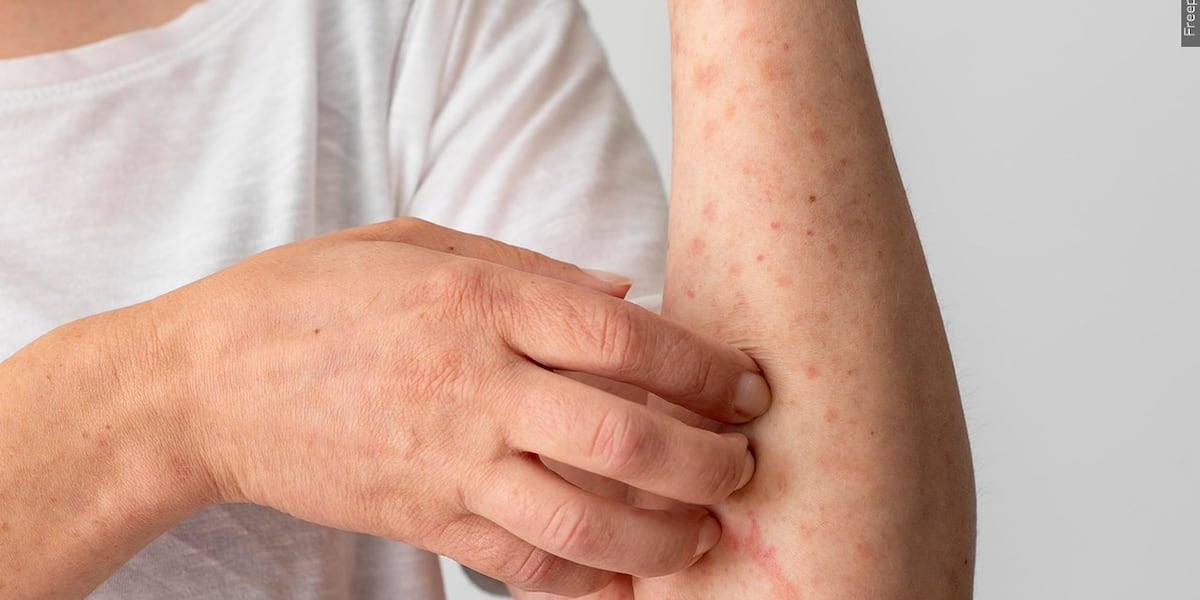
Public health officials advise anyone who visited the store during that window to monitor for symptoms through Sept. 29. Measles symptoms typically include a high fever, cough, runny nose, and red, watery eyes, followed by a distinct rash.
Local medical experts warn that the virus spreads rapidly and poses serious health risks, particularly as children return to classrooms and respiratory virus season begins.
“It can linger in a room for hours, even after you leave, up to two hours,” said Dr. Frank LoVecchio, a local emergency physician. “So if I have measles and I walk into a room and I cough and it’s in the air, I leave the room and two hours later… someone else walks in the room, they can catch measles.”
LoVecchio noted that declining vaccination rates over recent years have made communities more vulnerable to outbreaks. Because the virus is airborne and highly contagious, an infected person can easily spread it to 10 or 12 unvaccinated individuals in a shared space.
While most children recover from the illness, health officials emphasize that measles can lead to severe complications if transmitted to higher-risk populations.
“Most kids who get measles are not going to die from it,” LoVecchio said. “The problem is when they give it to older people, and when they bring it home and bring it to somebody maybe who’s not vaccinated, that older person could develop pneumonia, could develop meningitis or a brain infection. And, you know, unfortunately, they could die of that.”
Physicians stress that widespread immunization remains the most effective way to halt community spread and protect vulnerable populations, including infants and immunocompromised individuals who cannot receive the vaccine.
“The good news is we can prevent it, usually with vaccination, but we all need to do it,” LoVecchio said. “The great majority of it needs to be vaccinated to kind of protect everyone. If your child’s vaccinated, they’re less likely to bring it home.”
The measles, mumps, and rubella (MMR) vaccine is typically administered to children as a two-dose series, while adults without documented immunity generally require a single dose. According to LoVecchio, protective antibodies can begin developing as early as one week after the first dose.
Residents seeking vaccination or those who believe they may have been exposed should contact their primary care provider before visiting a clinic or emergency department in person.
See a spelling or grammatical error in our story? Please click here to report it.
Do you have a photo or video of a breaking news story? Send it to us here with a brief description.
Copyright 2026 KTVK/KPHO. All rights reserved.