
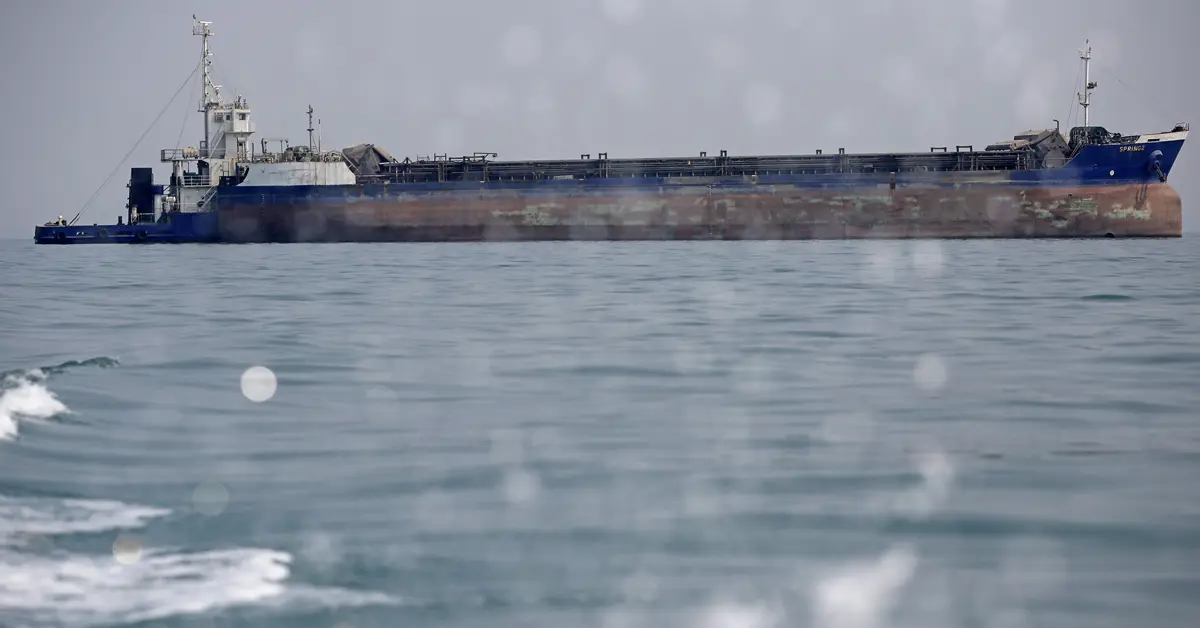
(Bloomberg) — Oil swung as strong demand for physical barrels collided with easing supply disruptions in the Middle East and progress toward reopening the Strait of Hormuz, though repeated false starts have left traders skeptical.
West Texas Intermediate futures reversed earlier gains of as much as 4.5% to fluctuate around $91 a barrel. US President Donald Trump is willing to give Iran sanctions relief and release frozen funds for concrete progress on the nuclear issue, according to a US official. Iran’s nuclear program is a key sticking point for both sides.
Traders have been parsing conflicting signals on progress towards a US-Iran ceasefire and a reopening of the vital waterway. Bloomberg reported that Iranian officials have privately expressed pessimism about reaching a deal to before the US midterm elections in November. Trump earlier told Axios that Tehran had overplayed its hand, though he expected negotiations to resume this week.
Further pressuring prices, Saudi Arabia has restored about half the flows through its East-West pipeline that was struck by drones earlier this month, bringing total flows through the key conduit to about 3.5 million barrels a day. The cross-country pipe has been vital route for the kingdom’s exports during the war with Hormuz constrained.
The multiple instances of failed diplomatic negotiations have made traders reluctant to shift positions until they see a meaningful increase in barrels reaching the market.
“Without a concrete deal or conclusion to the conflict, the market is quickly fading initial headline reactions and higher prices are becoming harder to shake,” said Ryan McKay, senior commodity strategist at TD Securities. “The market is increasingly worried about escalation via Iran or the Houthis prior to Midterm elections, or from the US post Midterms.”
Mediators are expected to hold separate talks with the US and Iran on Monday or Tuesday, a Reuters reporter said in a post on X, citing an official briefed on the matter.
Despite resumed negotiations, the fundamental outlook is turning increasingly bullish. Key gauges of supply tightness have spiked in recent days, a sign of a clamor for barrels that can be delivered quickly, while fuel prices are surging as global refinery capacity remains hobbled.
Speculators also ramped up bearish wagers at the fastest pace since July last week, positions that could be coming under pressure with Monday’s rally.
“In the absence of a decisive end to the conflict in the Middle East, the balance of risks remains skewed towards higher oil prices,” said Hamad Hussain, senior climate and commodities economist at Capital Economics.
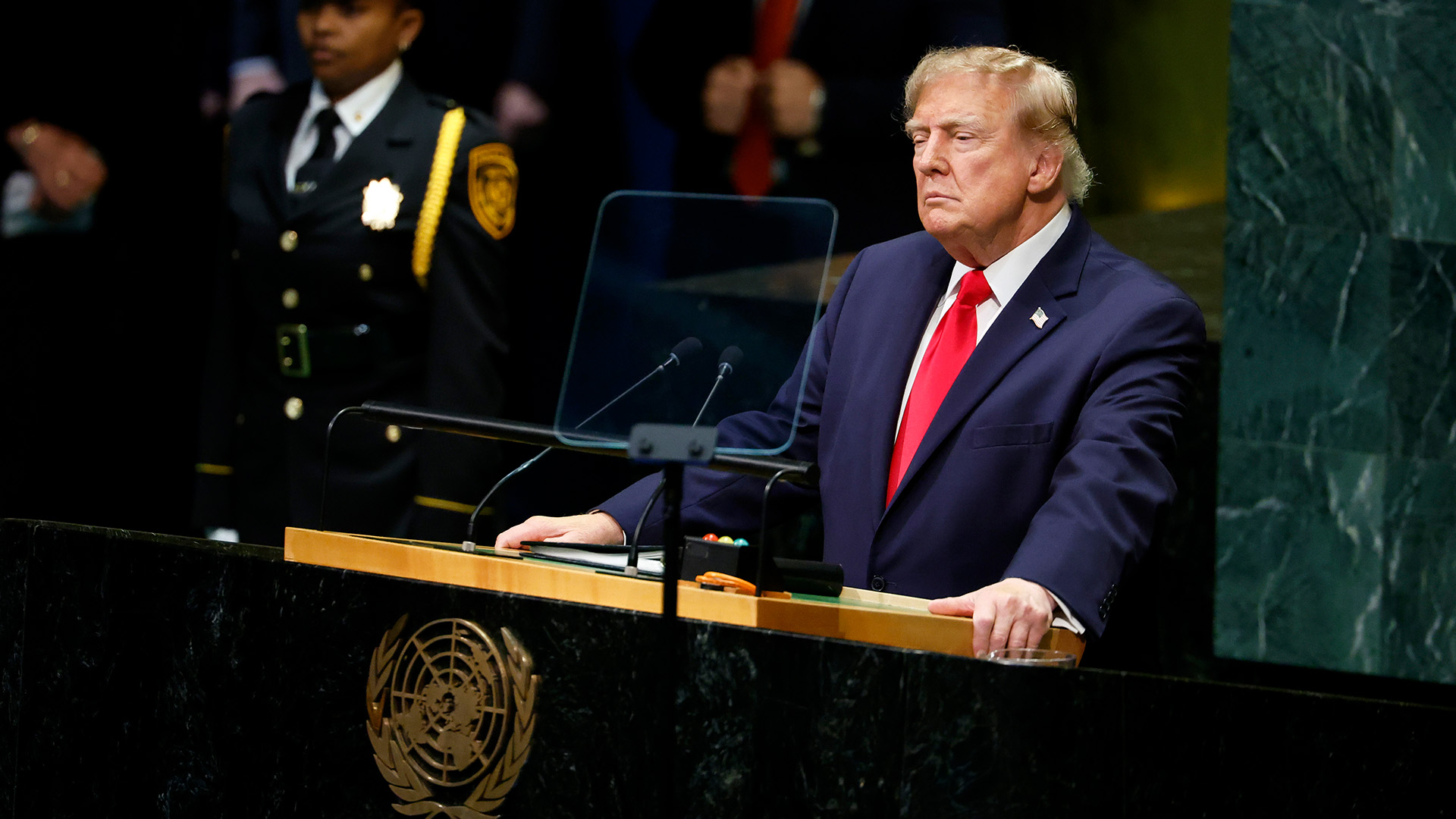 Bloomberg White House correspondent and national security editor Michelle Jamrisko discusses renewed US-Iran diplomacy after indirect talks in New York failed to overcome disagreements over sanctions, the US blockade and the Strait of Hormuz. Source: Bloomberg
Brent is up over 75% this year and oil products continue to soar even higher. Diesel has also been pushed higher by the Russia-Ukraine war, while uncertainty has continued to mount over US measures to curb record prices for the fuel. Over the weekend, Trump said the White House was looking at curbs on diesel exports “very seriously.”
There are also signs that the market for real-world oil barrels is coming increasingly under pressure. Fallout from the Iran war has shrunk the availability of the very large crude tankers used to transport barrels around the world, sending shipping rates to record highs.
Brent’s prompt spread — the difference between its two nearest contracts — has widened to over $7 a barrel, from less than $1 at the end of last month. The bullish pattern, known as backwardation, is a classic indicator of a tight market. In Europe, Dated Brent, a critical physical-market benchmark, has been trading at a wide premium to futures.
Note: Canadian Oil No Longer Takes Long Road to Asia as Freight Surges
©2026 Bloomberg L.P.