
Lewistown man receives robotic prostate cancer treatment at Penn State Hershey
 HERSHEY, Pa. —
Barry Swartz, a 69-year-old Lewistown resident, underwent high-intensity focused ultrasound (HIFU) treatment for prostate cancer at Penn State Hershey Medical Center, a robotic procedure that promises fewer side effects than surgery or radiation.
 A life-changing diagnosis
Swartz, an active man who enjoys hunting, fishing, golfing, and traveling, was diagnosed with prostate cancer in May.
“At the time, it was a little hard,” Swartz said. “But with my wife’s help and family and friends, you just go on to the next step and go take it one day at a time and see what can be done.”
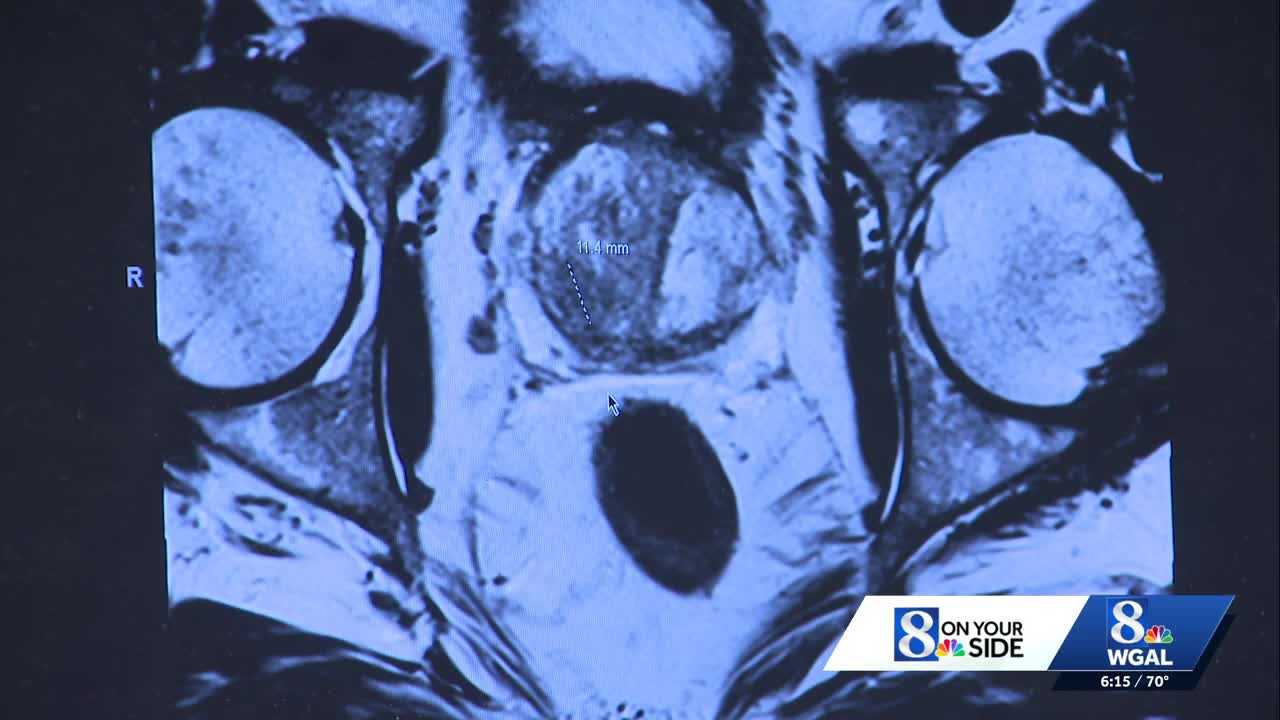
Dr. Jay Raman, a urologist at Penn State Hershey Medical Center, reviewed Swartz’s MRI to explain his condition.
“You can see that’s his area of cancer right there. That dark spot measures about 12mm,” Raman said. “And then he had a second area of prostate cancer that was right up in this area here that measured about 11 or 12mm.”
 A candidate for targeted treatment
Because Swartz’s cancer had not spread and was classified as intermediate-risk, he was considered a good candidate for HIFU, a minimally invasive treatment that uses targeted sound waves to heat and destroy cancerous tissue.
“I think it’s a great treatment modality for certain men with certain types of prostate cancer,” Raman said.
Swartz and his wife of 42 years, Mary, were optimistic about the treatment, which is known to reduce side effects such as incontinence and sexual dysfunction.
“We’re just, you know, so happy that he gets to have this done. And Dr. Raman’s going to do it,” Mary Swartz said.
How the robotic procedure works
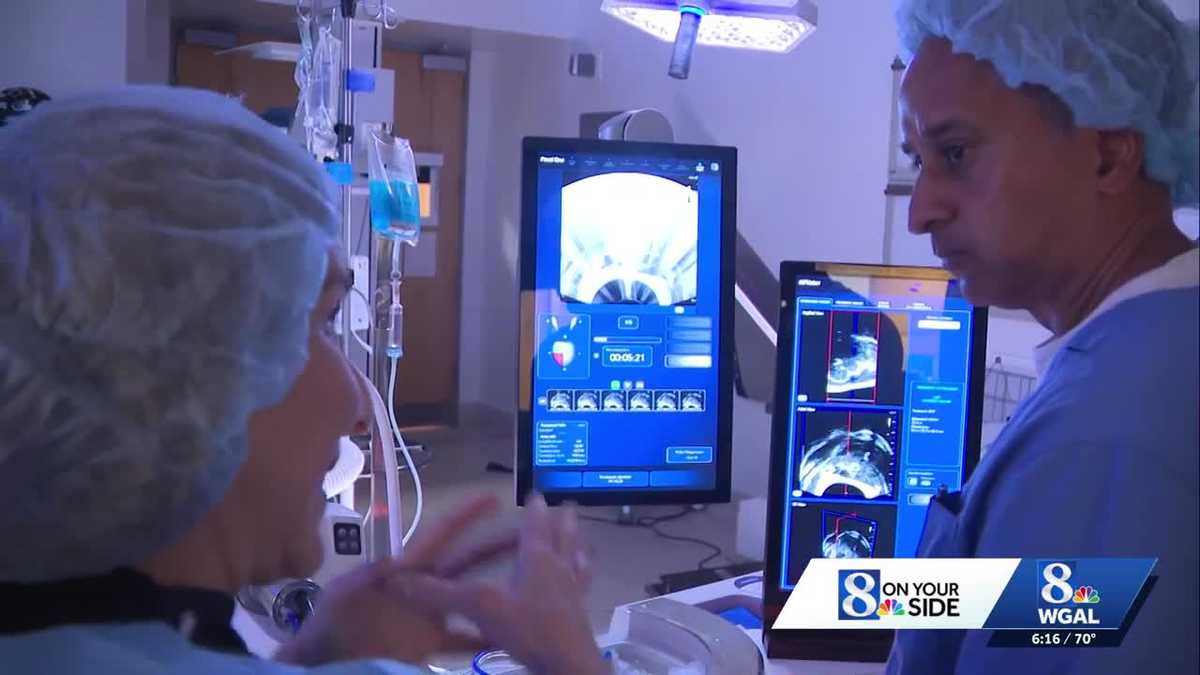
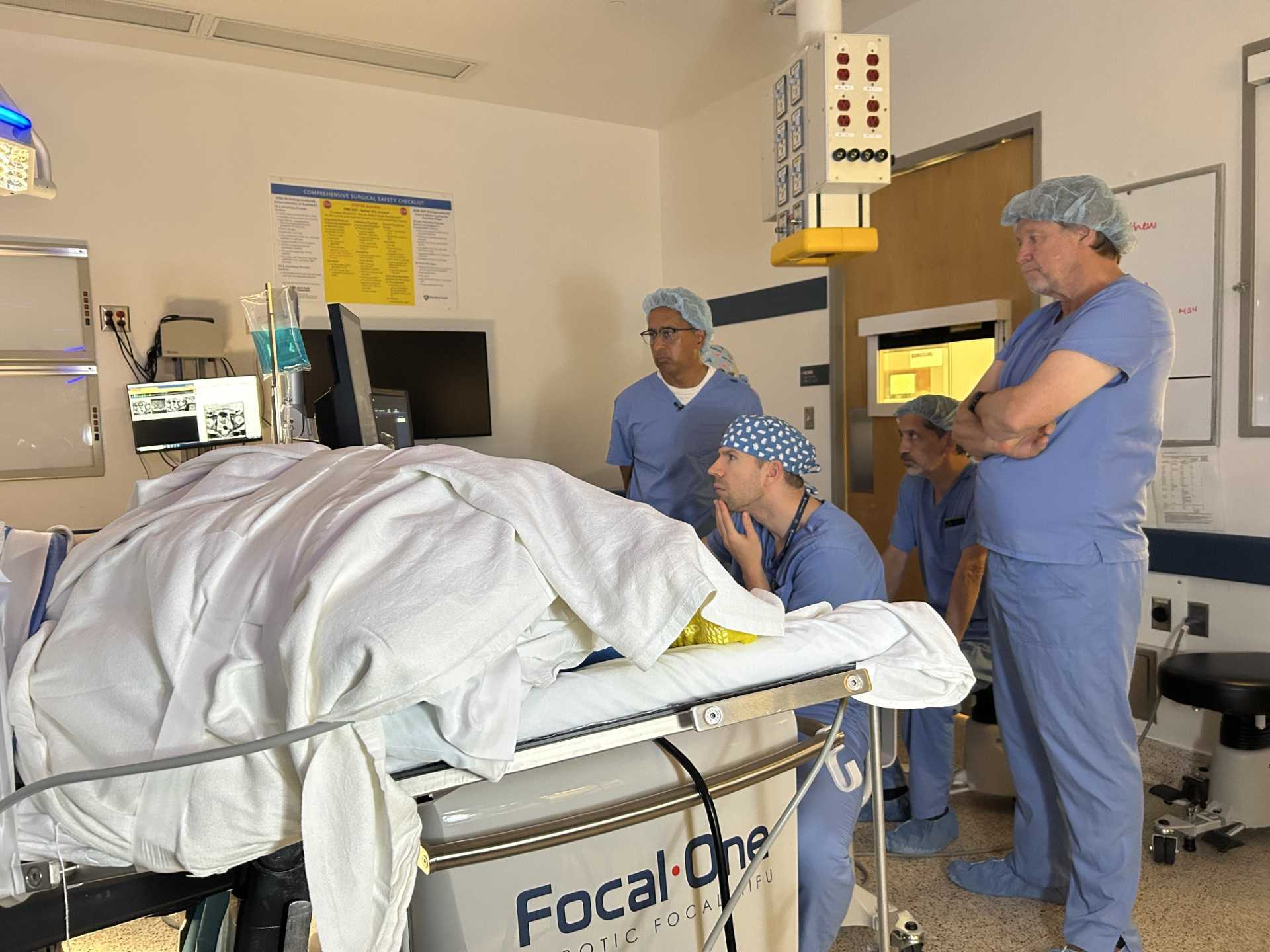
During the procedure, Swartz was under anesthesia and paralyzed to ensure no movement. Raman mapped out the areas of the prostate to be treated, with the robotic system taking over to deliver the sound waves.
“This is where we started. And this is called the apex of the prostate,” Raman said. “Green means we’re in this zone. White means we still have to go to the south.”
The team monitored the treatment in real time.
“Those are areas that have already shown that the treatment is effectively basically killing the cancer in that area,” Raman said.
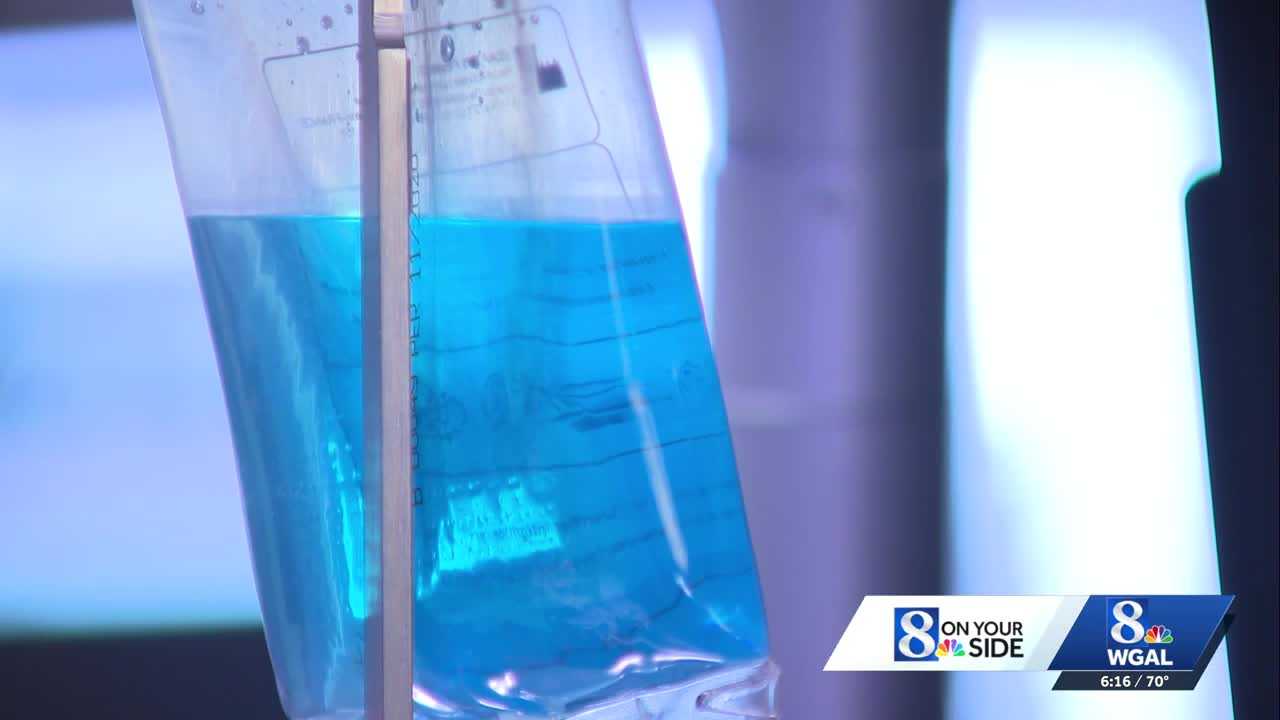
The system also uses a balloon filled with blue gel to keep areas beyond the prostate cool. The procedure takes about an hour and a half.
 Monitoring Swartz’s recovery
“Tolerated it very well. Great treatment effect. So, I’m anticipating he should hopefully have a really good outcome,” Raman said.
In the coming months, Swartz will undergo PSA blood tests and MRIs to ensure the cancer has not returned.
Dr. Raman said their success rate for the robotic HIFU treatment is between 85% and 90%. The company behind the technology stated that the procedure is typically covered by insurance, including Medicare.
Susan Shapiro/WGAL
Penn State Hershey Med HIFU treatment