
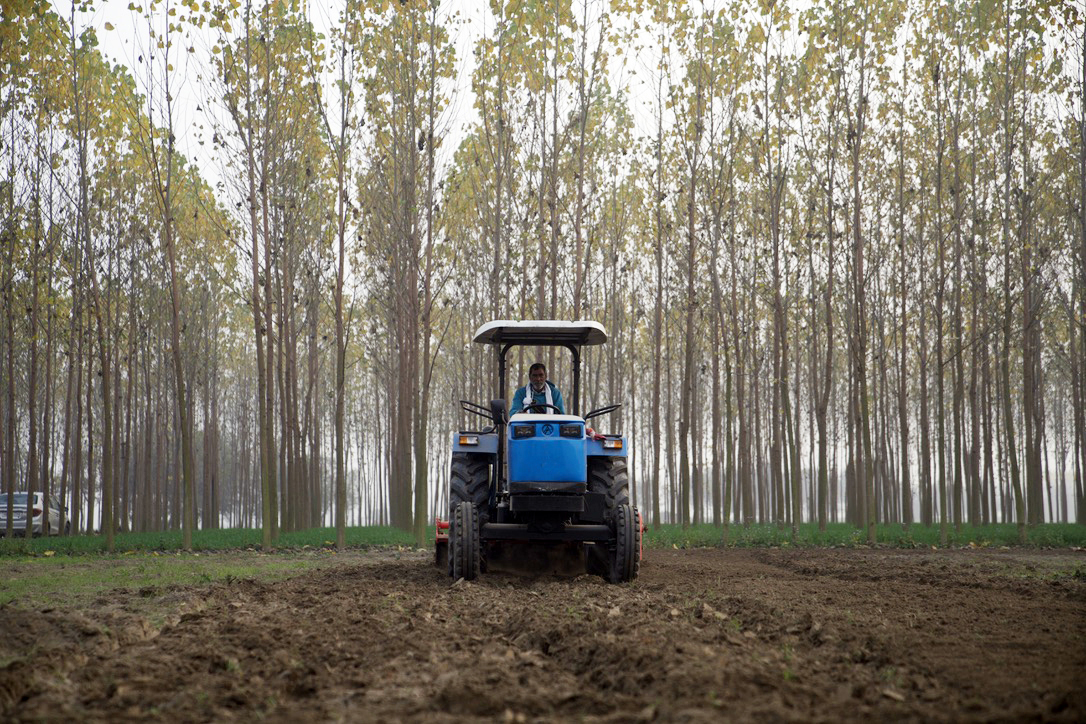
India registers close to 1 million new tractors every year, three times the number of buses and trucks combined. With the current emission standards, a majority of these tractors are allowed to emit 60 times the PM2.5 limit of trucks or buses. Due to noise and vibrations, prolonged use of diesel tractors also has implications for the health of farmers. Electric tractors can potentially address these issues, but low adoption by farmers despite subsidies in some states like Haryana, points to technology uncertainty; can electric tractors meet requirements of India farmers?
This working paper presents structured, real-world evidence on how electric tractors perform against diesel across everyday farm and transport operations, based on a pilot project that studied five e-tractor models from four manufacturers across Haryana over 11 months.
The pilot evaluated a range of agricultural and transport applications, including tillage, sowing, residue management, haulage, threshing, and intercultural operations like fertilizer spraying. By situating e-tractors within real farm production cycles rather than controlled demonstrations, the study provides empirical evidence on operational performance under actual workload conditions.